
Carson Ph., Mumford C. Hazardous Chemicals Handbook (Справочник по опасным химическим веществам)
Подождите немного. Документ загружается.


168 TOXIC CHEMICALS
This solvent has an ethereal odour with a detection threshold between 5 and 80 ppm. It can be
absorbed orally, by inhalation and through the skin, and small amounts of the compound can be
detected in the breath of humans several days after exposure. Overexposure by inhalation can
cause central nervous system (CNS) depression – characterized by dizziness, light-headedness,
inebriation and difficulty in walking – and liver damage. Minimal CNS effects occur at exposures
of about 100 ppm. Chronic exposure has resulted in peripheral neuropathy. Ingestion of large
doses can cause internal irritation, nausea, vomiting and diarrhoea; it can cause drowsiness or
unconsciousness. Contact with the skin will result in degreasing, resulting in mild irritation
possibly leading to cracking and secondary infection; in extreme cases dermatitis may occur.
Eye contact with vapour above 100 ppm may cause irritation. Liquid splashes produce irritation.
Studies on the carcinogenicity are inconclusive but IARC classify tetrachloroethylene as a
probable human carcinogen (Class 2A – see Table 5.17).
Thermal degradation in contact with flame or red hot surfaces will produce highly-toxic gases,
e.g. acid chlorides and phosgene. Reaction with freshly-galvanized surfaces may produce
dichloroacetylene, which is also highly toxic.
The long-term OES is 50 ppm (8 hr TWA), set to protect against CNS effects, which will also
protect against liver or kidney damage and irritation. The short-term OES is 1000 ppm (15 minute
reference period) to minimize exposures at irritant levels.
Tetratchloroethylene has been detected in the food chain as a contaminant: its volatility prevents
significant bioaccumulation but some transfer to aquatic sediments is possible. At low concentrations
it is slowly degraded under anaerobic conditions.
The precautions for the use of perchloroethylene correspond with those for trichloroethylene
(Table 5.52). The dry cleaning process, and its safety measures comprise:
• cleaning in hot solvent in sealed machines;
• drying with hot air (after centrifugal removal of liquid solvent) which passes over a lint filter
then cooled to condense solvent;
• deodorization to remove last traces of solvent with fresh air with venting to atmosphere;
• solvent recovery by distillation. Normal measures for solvent control use activated charcoal
absorption filters often as disposable cartridges. Still residues are usually removed manually
from each machine at least once per week, or in some machines they are pumped directly to a
waste storage vessel, often a lidded metal container located outside the building.
Table 5.50 Physical properties of perchloroethylene
Boiling point 121°C
Saturated vapour concentration 1.5 × 10
4
ppm at 20°C
Specific gravity 1.623 at 20°C
Vapour density (air = 1) 5.83 at 74°C
Solubility in water 0.015% w/w at 25°C
(xii) Perchloroethylene (tetrachloroethene, tetrachloroethylene)
Perchloroethylene is a clear, dense, non-flammable volatile chlorinated solvent. It is widely used
for dry cleaning; small quantities are used in adhesives and cleaning agents. It is miscible with
organic solvents but only slightly soluble in water. Relevant physical properties are given in
Table 5.50.

(xiii) Trichloroethylene (trichloroethene)
Trichloroethylene is a colourless non-flammable chlorinated hydrocarbon liquid. It is mainly
used for degreasing of metals in the engineering and electrical appliance industries; other outlets
are as a solvent in inks, in dry-cleaning, in varnishes and adhesives, and as a solvent in the
extraction of fats and oils. Relevant physical properties are given in Table 5.51.
The solvent has a sweetish odour similar to chloroform detectable at about 30 ppm. It is
primarily a depressant of the central nervous system (CNS). Significant impairment of performance
in behavioural tests and some CNS effects have occurred at 1000 ppm but not at 300 ppm;
prenarcotic symptoms have occurred at mean levels of 200 ppm to 300 ppm.
Direct eye contact with liquid produces injury, generally transient, to the corneal epithelium.
The liquid is mildly irritating to the skin due to the degreasing effect; repeated contact may cause
dermatitis. Ingestion of substantial quantities of liquid can damage the mucous membranes, and
produce acute effects ranging from mild discomfort to profound anaesthesia.
Evidence to indicate that exposure to trichloroethylene is associated with an increased incidence
of cancer in man or in adverse effects in the offspring of women workers exposed to the compound
Table 5.51 Physical properties of trichloroethylene
Boiling point 87°C
Saturated vapour concentration 7.9 × 10
4
ppm at 20°C
Specific gravity 1.464 at 20°C
Vapour density (air = 1) 4.54
Solubility in water 0.11% w/w at 25°C
Table 5.52 General safety precautions with trichloroethylene and tetrachloroethylene
Do not
Store liquid in buckets or other open storage vessels.
Lean into any vessel containing liquid or vapour.
Use in any location which is not well ventilated, but avoid extraneous draughts.
Enter any confined space, e.g. any tanks or pits, except in accordance with a permit-to-work system.
Do
Store in the open air if possible, or at least in a well-ventilated area which is not below ground level.
Provide and maintain efficient local exhaust ventilation, if enclosed plant cannot be used.
Avoid smoking in proximity to any open system.
Replace lids on any open-topped tanks.
Wear eye protection if there is any risk of splashing.
Avoid contact with the skin. If hand contact is likely, wear PVC gloves.
Avoid contact of liquid or vapour with naked flames or red-hot surfaces.
In vapour degreaser operation, do:
control vapour at the specified level within the tank;
employ effective l.e.v. and prevent draughts in the workroom, e.g. by suitable screening;
avoid overheating of solvent and uncontrolled vaporization, including prevention by the use of appropriate thermostats;
lower and raise work loads slowly, to minimize vapour displacement;
carefully position, or drain, hollow articles.
When cleaning plant, if plant is within a pit, do:
ensure ventilation draws air from the bottom of the pit;
distil off vapour in accordance with specific operating instructions;
allow any liquid to cool to ambient temperature before drawing off into a suitable receptacle;
remove sludge by raking through sump door, after allowing several hours for ventilation;
restrict any entry, in accordance with the Confined Space Regulations 1997.
SPECIFIC PRECAUTIONS 169

170 TOXIC CHEMICALS
is confused but IARC classify trichlorethylene as a probable human carcinogen, Class 2A (see
Table 5.17).
Decomposition of trichloroethylene can occur upon contact with naked flames, red-hot surfaces,
hot elements of electric heaters, or intense UV light with the generation of acidic and highly-toxic
products. The presence of reactive contaminants, e.g. acids, strong alkalis, highly-reactive metals,
may also result in decomposition to similar products.
The Occupational Exposure Standards imposed for trichloroethylene are Maximum Exposure
Limits of 100 ppm (8 hr TWA) and 150 ppm (15 minute reference period). A skin notation ‘Sk’
is applicable because of the potential for skin absorption. Because of its volatility, trichloroethylene
is not recommended for cold cleaning; it is normally used in partially enclosed vapour degreasing
equipment provided with local exhaust ventilation.
Typical precautions with trichloroethylene are summarized in Table 5.52. An important factor
is that the vapours are much heavier than air; they will therefore spread and may accumulate at
low levels, particularly in undisturbed areas. Because of its volatility, releases to the environment
usually reach the atmosphere. Here it reacts with hydroxyl or other radicals (estimated half-life
for reaction with hydroxyl radicals is less than a week) and is not therefore expected to diffuse to
the stratosphere to any significant extent. There is some evidence for both aerobic and anaerobic
biodegradation of trichloroethylene.
(xiv) Sick building syndrome
When working in certain buildings some workers suffer temporarily from a group of symptoms
including:
• lethargy/tiredness;
• irritability;
• lack of concentration/mental fatigue;
• headaches;
• nausea/dizziness;
• sore throats;
• dry eyes and skin;
• skin rash;
• asthma;
• blocked/runny nose.
The condition is usually non-specific and seldom traced to a single cause. This has been termed
sick building syndrome. Despite much research, little has been proven but the building features
associated with the condition are:
• hermetically sealed, airtight shell;
• mechanical heating, ventilation and air-conditioning;
• use of materials and equipment that emit a variety of irritating and sensitizing toxic fumes and/
or dust;
• fluorescent lights;
• application of energy conservation measures;
• lack of individual control over environmental conditions;
• landscape plants;
• VDUs;
• draughts.

Whilst the causative agent(s) have not been established it is thought to be multifunctional and
possibilities include physical factors (humidity, temperature, lighting), static electricity,
electromagnetic radiation, air ion concentrations, fungi, noise, psychological stress, and chemicals.
Chemicals which are not those involved in the normal work processes can become trapped within
the building, albeit at concentrations below those known to cause ill-health effects, if:
• liberated from materials of construction or furnishings; or
• they could enter from outside.
Examples of common pollutants are given in Table 5.53.
Table 5.53 Common pollutants that may be found in buildings
Chemical Source
Ammonia Cleaning solutions
Printers
Cigarette smoke
Asbestos Pipe lagging
Air duct linings
Ceiling and roof tiles
Asbestos cement sheeting
Benzene Synthetic fibres
Plastics
Cleaning solutions
Tobacco smoke
Biocides Air-conditioning systems
Water treatment
Humidifiers
Disinfectants
Carbon dioxide Exhaled breath
Vehicle exhausts
Smoking chimneys
Portable heaters
Carbon monoxide Tobacco smoke
Gas cookers
Gas and oil heaters
Vehicle exhausts from loading bays or diesel trucks
Detergent dust Carpet cleaners
Ethyl alcohol Duplicating fluids
Fibre glass Insulation
Formaldehyde Insulation material
Ceiling tiles
Particle board
Plywood
Office furniture
Carpet glues
Various plastics
Synthetic fibres and rugs
Upholstery and other textiles
Pesticides
Paint
Paper
Tobacco smoke
Hydrocarbons Paints, adhesives
Solvents
Synthetic materials
SPECIFIC PRECAUTIONS 171

172 TOXIC CHEMICALS
Floor and furniture polishes
Vehicle exhausts
Hydrochloric acid Electric stencil cutting machines
Methyl alcohol Spirit duplicating machines
Micro-organisms Duct work
Humidifiers
Oxides of nitrogen Vehicle exhausts
Tobacco smoke
Gas heaters
Ozone Electrical discharges from equipment such as photocopiers, electrostatic
precipitators, fluorescent lights
Paint fumes Paint
PCBs Transformers
Ageing VDUs
Fluorescent lights
Pesticides Plant, timber and fabric treatments
Air conditioning/ventilation units
Photochemical smog Reaction between chemicals and ozone
Radon Soil
Concrete
Stone
Water supply
Solvents Typist correction fluids
Adhesives, glues
Cleaning fluids
Paint
Felt-tip pens
Stencil machines
Inks
Sterilant gases Humidifiers
Air-conditioning units
Sulphur dioxide Coal fires
Power stations
Chimneys
Vehicle exhausts
Vinyl chloride Plastic PVC pipes
Light fittings
Upholstery
Carpets
Table 5.53 Cont’d
Chemical Source
Because the cause is unknown precautions are difficult to specify but general guidance includes
that in Table 5.54.
Temporary problems of building pollution may occur during construction and engineering
activities, refurbishment, painting and decorating, and cleaning in internal, or sometimes external,
areas. The sources are, generally, more easily traced.
(xv) Synthetic resins
Synthetic resins are extensively used, e.g., in surface finishes, in the fabrication and repair of boat
and motor vehicle bodies, in the manufacture of laminated boards, for electrical components, in
pattern making and in paints and varnishes. Non-rubber adhesives made from fish glues and from
cotton derivatives (e.g. cellulose acetate) tend not to be sensitizing but, depending upon composition
and the manner of use, many other types may pose significant dermatitic and fume hazards.

Table 5.54 Precautions to avoid ‘sick buildings’
• Avoid nuisance noise
• Provide adequate ventilation
• Avoid high uniform temperatures
• Avoid lack of air movement
• Provide adequate humidity
• Avoid uniform dull lighting and décor
• Provide natural lighting: avoid tinted glass
• Ensure staff are motivated
• Consider possible cause at building design, construction and commissioning stages
• ‘Bake out’ buildings to drive out pollutants
• Investigate complaints, especially if there are pockets of complaints, or epidemics with related symptoms.
The monomers, catalysts or hardeners, or plasticizers can include chemicals with the potential
to irritate the skin, mucous membranes or respiratory tract. Some can promote skin or respiratory
sensitization. The range of chemicals in use is extremely wide, so that reference should be made
to the Materials Safety Data Sheet for each specific formulation or variation of it identifiable by
reference to the supplier’s proprietary name and code number. Some common resin types are
summarized in Table 5.55.
Table 5.55 Synthetic resin types
Type Examples
Acrylic Polymethyl methacrylate
Amino Melamine formaldehyde, urea formaldehyde, furfuryl alcohol – urea formaldehyde
Epoxy Epichlorohydrin with bisphenol A. The curing agents may pose significant health hazards, e.g.
amines (triethylamine,
p
-phenylenediamine, diethylenetriamine) or acid anhydrides (pyromellitic
dianhydride)
Phenolic Phenol formaldehyde. Formaldehyde is a respiratory irritant but is not classified as asthmagen.
Polyester Powder coatings containing triglycidyl isocyanurate are possible asthmagens (unclassified)
Polyurethane An organic isocyanate (MDI or a pre-polymer) with a hydroxy compound. The isocyanates are potent
respiratory sensitizers, the risk increasing with volatility
Vinyl Polyvinyl chloride, polyvinyl acetate.
With the exception of epoxy resins, when a resin is fully polymerized it loses any irritant
properties. However, associated materials, e.g. glass fibre used as a filler, or the dust from
plywood or veneers, may promote irritation. Partially-cured resins will retain some irritant properties.
Traces of cutaneous or respiratory sensitizers liberated, e.g. by heating or machinery, may be
problematic.
Epoxy resins are often mixtures of the epoxy resin, a curing agent (hardener), solvents, reactive
diluents, antioxidants and filler. Examples are given in Table 5.56. Curing agents usually comprise
peroxides, amines or anhydrides. These may cure at room temperature or require elevated
temperatures. They may be irritant or damage skin, eyes or lungs; certain amines and peroxides
are sensitizers. The solvents such as acetone, methyl ethyl ketone, toluene, xylene, glycol ethers,
and alcohols pose both health and fire hazards. Glycidyl ethers are used as reactive diluents while
SPECIFIC PRECAUTIONS 173

174 TOXIC CHEMICALS
Table 5.56 Typical exposure effects associated with epoxy resin systems
Resin type Examples Skin contact Inhalation Ingestion
Liquid epoxy based on the • mild to moderate • low volatility, low toxicity
resin reaction product of irritants exposure unlikely
epichlorohydrin • mild to moderate unless heated,
and bisphenol A or sensitizers sprayed, or spread
bisphenol F over large
unventilated surface
Solid epoxy resins based on the • mild to moderate • low volatility, low toxicity
reaction product of irritants and mild exposure unlikely
epichlorohydrin and sensitizers unless crushed or
bisphenol A or • not readily ground
bisphenol F absorbed through
skin
Modified liquid liquid epoxy resins • mild to moderate • low volatility, low toxicity
epoxy resins with added reactive irritants exposure unlikely
diluents or solvents • moderate to unless heated,
strong sensitizers sprayed, or spread
over large unventilated
surfaces
Aliphatic and – • irritants, sensitizers, • respiratory irritants high toxicity
cycloaliphatic corrosive, absorbed
amine curing through skin
agents
Aromatic amine – • sensitizers, long- • respiratory irritants moderate to
curing agents term health • sensitizers high toxicity
effects, absorbed
through skin
Anhydride curing – • corrosive, severe • dusts may be high toxicity
agents sensitizers sensitizers
Reactive diluents glycidyl ethers • moderate to • moderate low toxicity
strong sensitizers volatility, exposure
possible
Solvents acetone, methyl • defats and dries • high volatility, low to high
ethyl ketone (MEK), skin exposure possible toxicity, long-
toluene, xylene, • some may be • irritation term effects
glycol, ethers, absorbed • central nervous
alcohol • may carry other system depression
components (e.g. dizziness, loss
through skin of coordination)
Fillers fibreglass, silicas, • some may be • dust inhalation low toxicity
calcium carbonate, absorbed
powdered metal • potential
pigments primary irritant
phenols, phosphites, amines and thiobisphenols are employed as antioxidants in, e.g., polypropene,
polyethylene and polystyrene resins. Typical precautions are summarized in Table 5.57.
Numerous alternatives to low-solid, solvent-based coatings traditionally used by, e.g., the
wood furniture industry are shown in Table 5.58 with the estimated reduction in volatile organic
compound emissions.

Table 5.57 General precautions with synthetic resins
Substitution using non-irritant resins and constituents, or less hazardous or less volatile constituents.
Limitation of skin contact, e.g. by covering benches, pre-mixing of resins, good housekeeping, mechanization.
Prevent or limit dust and vapour production.
Partial enclosure with local exhaust ventilation, or local exhaust ventilation, of working position: separate hazardous processes
from other work, e.g. spray-painting with epoxy-containing sensitizing and carcinogenic compounds,
Enclose curing and mixing rooms.
Consider in advance procedures to be used for cleaning tools used in the process.
Provision and use of protective clothing, e.g. gloves, gauntlets, armlets, long-sleeved overalls; storage apart from ordinary
clothing.
Provision and use of appropriate barrier cream.
Health surveillance on a regular basis covering skin inspections, enquiries/tests relating to respiratory function: consider the
need to screen out staff with medical histories of allergic reactions.
Provision of first-aid treatment even for trivial injuries to the skin.
Provision of adequate washing facilities including resin-removal cream; enforce high standards of personal hygiene.
Limitation of the use of respiratory protection to those situations where control of exposure by inhalation cannot be
controlled by other means.
Provision of a good standard of general ventilation.
Prohibition of eating, drinking, smoking or application of cosmetics in the workplace.
Plan and organize collection and disposal of waste.
Limit stocks, some ingredients such as MbOCA and MEK have potential for major accidents.
Table 5.58 Alternative wood glues
Coating type VOC reduction (%)
Aqueous base 90–95
High solids (e.g. nitrocellulose) 17–40
UV cured 80–100
Polyester 80–100
Polyurethane 80–100
(xvi) Welding fume
Almost all welding, brazing, gas cutting, burning and similar processes produce polluting fume
and gases which can be harmful. The composition of the fume varies and the quantity generated
depends upon the type of process. A summary of the possible emissions is given in Figure 5.4.
Generally the fume will comprise very fine particles of metals and their oxides. Gases such as
carbon monoxide and nitrogen oxides may be generated and mix with any inert shielding gases
used. The hazard may be increased if the metal is painted (e.g. if lead-based paint is present the
fume will contain lead oxide) or coated (e.g. plastic coatings will emit thermal degradation
products). (Examples are given in Table 5.48.) Metal coatings will also emit thermal degradation
products, e.g. zinc oxide fumes from galvanized steel, lead oxide from steel painted with red lead
for corrosion protection.
Measures to control welding fume include process modifications, engineering controls, system
of work and administrative action as summarized in Figure 5.5.
SPECIFIC PRECAUTIONS 175
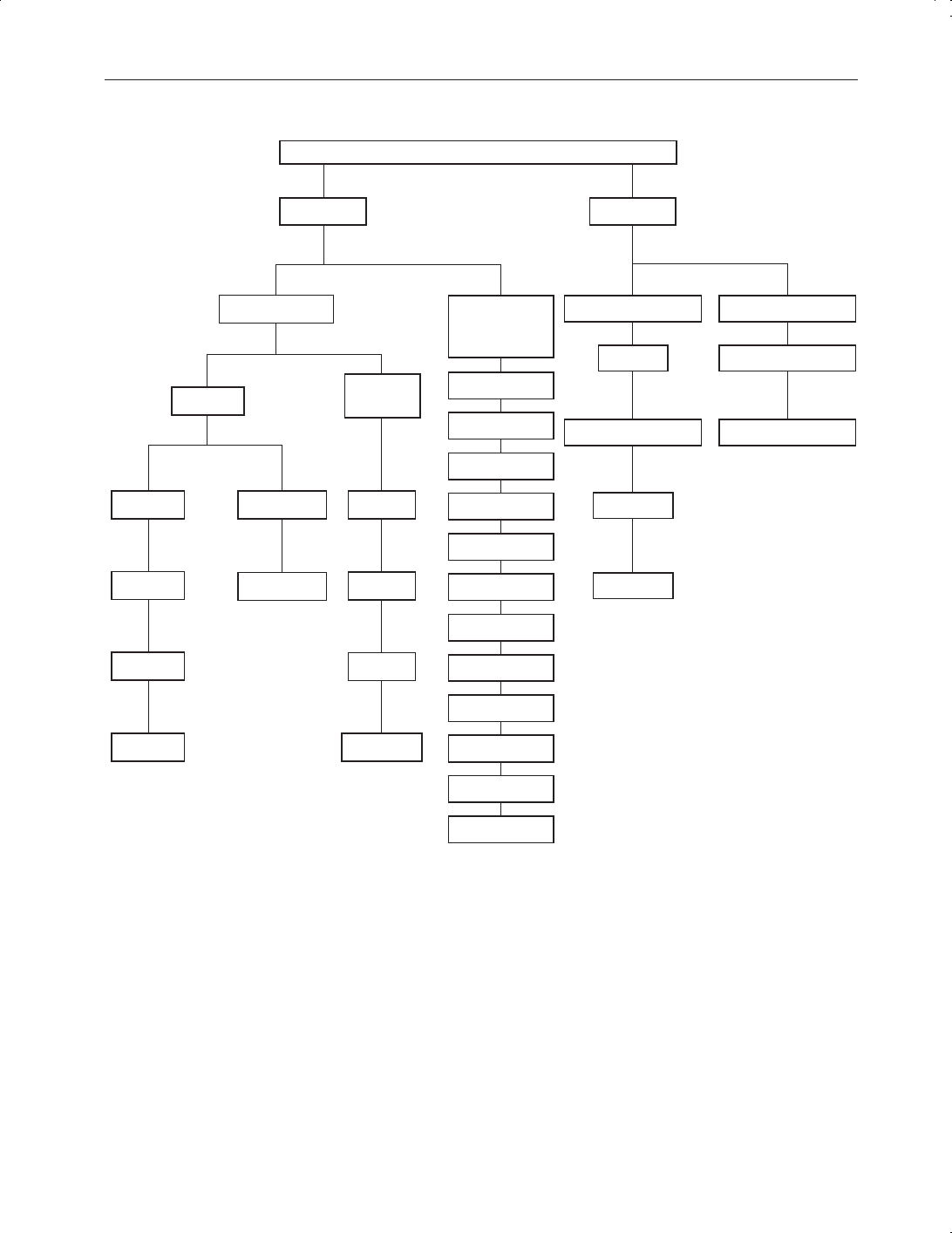
176 TOXIC CHEMICALS
Pneumoconioses
Carbon dioxide
Carbon monoxide
Non- pulmonary
Gases
Primary pulmonary
Welding fumes and gases
Particulates
Pulmonary
irritant or
toxic inhalants
Harmful
Relatively
harmless
Fibrotic Nonfibrotic
Silica
Asbestos
Copper
Beryllium
Carbon
Tin
Iron
Aluminium
Cadmium
Chromium
Fluorides
Lead
Manganese
Magnesium
Mercury
Molybdenum
Nickel
Titanium
Vanadium
Zinc
Ozone
Oxides of nitrogen
Phosgene
Phosphine
Figure 5.4
Possible constituents in welding fumes and their effects
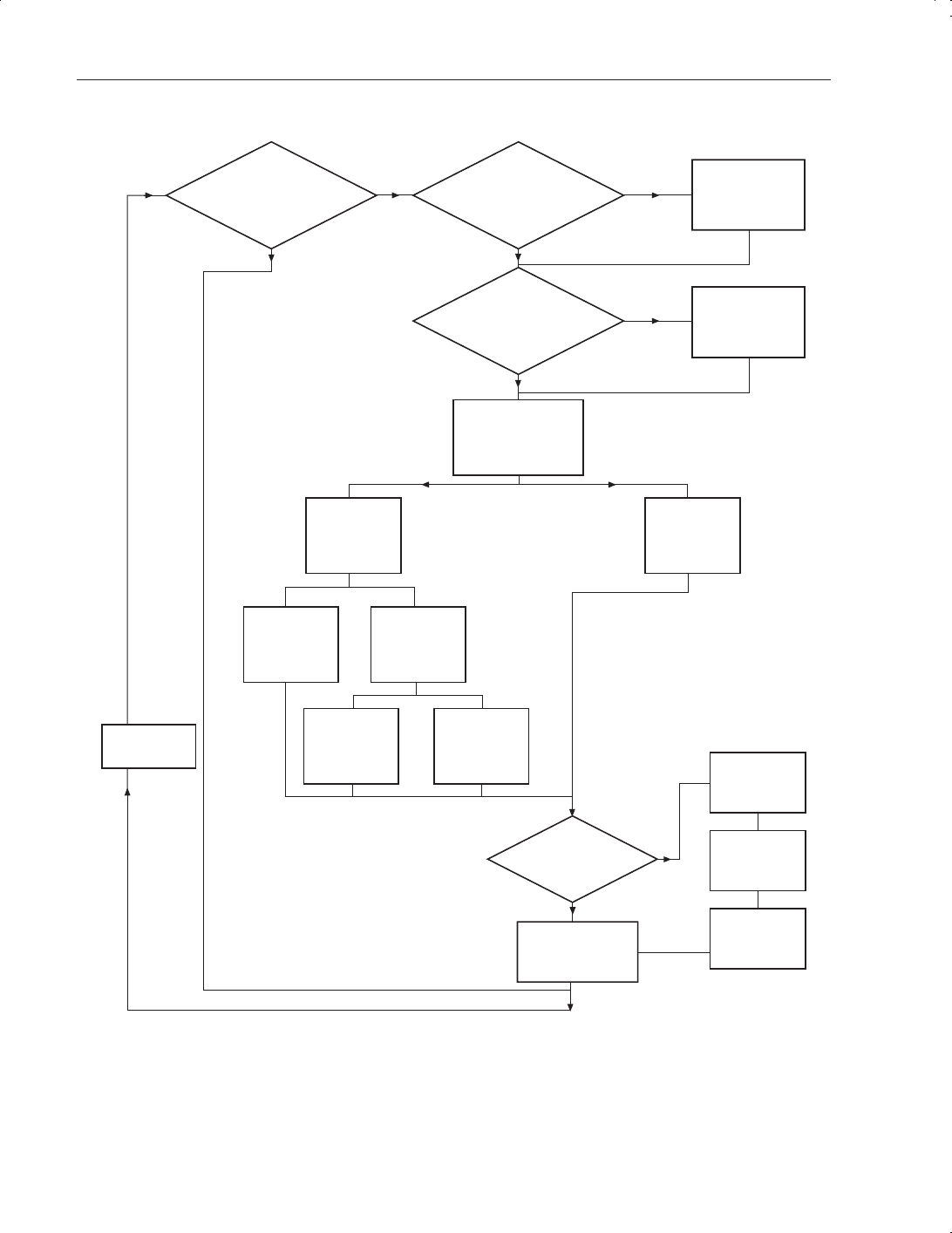
Figure 5.5
Measures to control welding fume
Monitor
effectiveness
Assess welding process:
is control of exposure
needed?
NO
YES
Can fume be
controlled by process
modifications?
YES
NO
NO
YES
Modify
process
Make
improvements
Can improved
work methods
reduce fume?
Use ventilation to
control fume as far
as reasonably
practicable
General
ventilation
Local
exhaust
ventilation
Partial
enclosures
LEV
hoods
‘On-gun’
extraction
Conventional
hoods
Is exposure
adequately
controlled?
Train welders in
the use of all
control measures
Ensure
adequate
fit for RPE
Select
suitable
RPE
Assess
requirements
for RPE
NO
YES
SPECIFIC PRECAUTIONS 177