
Kasper C., van Griensven M., P?rtner R. (Eds.) Bioreactor Systems for Tissue Engineering II: Strategies for the Expansion and Directed Differentiation of Stem Cells
Подождите немного. Документ загружается.

4.4 MNC in Non-Ischaemic Heart Disease
Initial experimental and clinical cardiac cell therapy stud ies focussed on ischaemic
heart disease, but more recently the potential therapeutic usefulness of cell
transplantation for other types of heart failure has been investigated [62–64]. In
the recent trial by the Frankfurt group, the effects of selective intracoronary
bone marrow cell infusion in 33 patients with non-ischaemic dilated cardiomyo-
pathy were studied. Overal l, microvascular function in the coronary system was
improved, and the increase of regional contractile function correlated with the
functionality of the infused cells as measured by their colony-forming capacity
[65]. A decrease in brain natriuretic peptide (NT-proBNP) serum levels also
suggested a beneficial effect on left ventricular remodelling processes, and con-
trolled studies are planned to validate these findings.
4.5 Purified Stem Cell Products
Progenitor cell products can be prepared using clinical-grade immunomagnetic selec-
tion for either CD34 or CD133, and negative selection for CD45 is also possible.
Human bone marrow stem cells of haematopoietic-endothelial lineage, progeny of the
primitive haemangioblast, the common precursor of blood and blood vessel-forming
cells, can be isolated for clinical use based on the expression of CD34 and CD133 [66,
67]. Theoretically, these cells are potent supporters of angiogenesis processes
and hence may be useful for the relief of myocardial ischaemia. Another strategy
is the in vitro expansion of bone marrow mononuclear cells, with or without addition
of differentiation-inducing or differentiation-suppressing substances. Alternatively,
SEPT
a
b
ANT_SEPT
3
–6
–9
–22
–13
–20
–17
–12
–17
–17
–22
–13
–11
–11–16
–19 –18
–2
5
–11
–11
–14
–15
–15
–11
3
2
–6
–9 –8
–7
–13
–9 –16
ANT_SEPT
ANT
ANTSEPT
LAT LATINF INF
POST POST
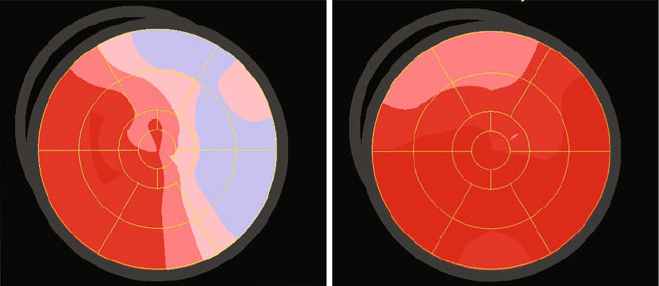
Fig. 4 Two-dimensional longitudinal strain echocardiography analysis of regional left ventricular
contractile performance, depicted as “bull’s eye view”. Preoperatively (a) the strain data are
inhomogenous, with impaired myocardial motion shown inblue. After bypass surgery and bone
marrow cell injection (b), performance has largely normalized
Clinical Application of Stem Cells in the Cardiovascular System 301
progenitor cells can be identified based on intracellular enzyme activities, such as
aldehyde dehydrogenase (ALDH) activity. ALHD+ cell products from peripheral
blood and bone marrow correlate closely with those enriched for CD34 or CD133
but may have superior functional characteristics [68]. Few investigators have used
purified haematopoietic stem cell products for the treatment of acute or subacute
myocardial infarction. In one such study, concerns were raised about a higher rate of
stent occlusion following intracoronary injection of CD133+ cells. Notably, Hofmann
et al. studied the cardiac retention of bone marrow cells after intracoronary injection
using radioactively labelled cells [69]. When mononuclear marrow cells were used,
approximately 2% of the activity was retained in the heart, while the vast majority of
the cells accumulated in liver and spleen. However, when CD34 selected cells were
used, cardiac cell retention was between 14% and 39%. In chronic ischaemia,
however, CD34 or CD133 enriched cells products have found more widespread
application [70, 71]. In conjunction with CABG surgery, intramyocardial injection
of CD34+ bone marrow cells resulted in nearly 10% higher LV ejection fraction than
CABG surgery alone [67]. Our group has focussed on CD133+ cells given during
CABG surgery, because they are believed to contain a subpopulation of cells that are
even more immature than CD34+ cells. In 2001, we started a feasibility and safety
study in ten patients, and no procedure-related adverse events were observed [72, 73].
Subsequently, we conducted a controlled study in 40 patients. Here, CABG and
CD133+ cell injection led to a significantly higher LVEF at 6 month follow-up than
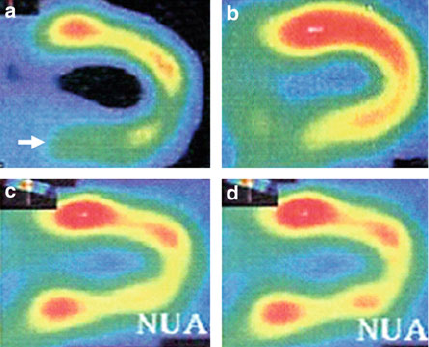
CABG surgery alone [66]. A pronounced effect on the blood supply to the ischaemic
myocardium was evident in numerous patients, indicating the potent angiogenesis
support of CD133+ cells (Fig. 5). Other groups have isolated CD133 cells for surgical
delivery from peripheral blood, following mobilization from the marrow with G-CSF
[74, 75]. This procedure yields a substantially higher cell dose but requires several
days for cell preparation. Enriched bone marrow stem cell products (here CD34
+
cells)
have also been administered by intramuscular injection using catheter-based systems.
In a phase I/II pilot trial, this procedure has been shown to be safe, and preliminary
data indicate an improvement of LV function over placebo treatment [76].
4.6 Cytokine-Induced Bone Marrow Cell Mobilization
Another strategy aims at circumventing any mechanically invasive procedure for
cell delivery and minimizing the interval between the onset of myocardial infarc-
tion and cell therapy by mobilizing marrow cells using granu locyte stimulating
factor (G-CSF). The idea is that stem/progenitor cells mobilized from marrow will
be attracted to the ischaemic heart and initiate regeneration processes [77]. That the
number of circulating progenitor cells can be greatly enhanced by G-CSF stimula-
tion has been well established [78]. However, the number of mature leukocytes
also rises markedly, and this has raised concerns regarding the safety of C-CSF
treatment. In patients with myocardial infarction treated with G-CSF a high rate
302 C. Stamm et al.
of in-stent restenosis has been observed. Moreover, incidences such as acute
re-infarction and sudden death have occurred in other studies [79]. A number of
controlled clinical efficacy studies have subsequently been performed, but the
outcome data in terms of heart function improvement are rather disappointing.
4.7 Second Generation Clinical Cell Products
Given the modest improvement of heart function after intracardiac delivery of
unmodified bone marrow cells, clinical studies are currently being conducted
with cell products that have been subjected to in vitro modifications or have been
isolated from alternative sources. Among those are mononuclear cells conditioned
and expanded in specific bioreactor systems where, theoretically, cells with greater
stemness are enriched and their secretory activity is augmented [80, 81]. The
frequency of CD34
+
or CD133
+
cells that are not committed towards a leukocyte
phenotype (CD45
) is very low in adult human bone marrow [82, 83], but expan-
sion of haematopoietic stem cells in vitro induces spontaneous differentiation and
impairs stem cell function [84]. Bioreactor systems that may be able to suppress
stem cell differentiation during proliferation have been developed, but their clinical
use in cardiovascular medicine has been limited [85, 86]. The second cellular
compartment within the bone marrow, the stroma, contains stem cells that are
easier to handle and to manipulate. Multipotent stromal cells, a.k.a. MSC, make
Fig. 5 Perfusion scans of the heart of a patient who had myocardial infarction of the inferior wall
of the left ventricle (arrow). Preoperatively (a), perfusion is several impaired. Two weeks after
bypass grafting and transplantation of CD133+ cells in the infarct area, there is no obvious change
in blood supply (b). Six months later, however, perfusion is effectively restored (c), probably via a
pro-angiogenic effect of the cell transplantation. This effect is maintained at 1 year follow-up (d)
Clinical Application of Stem Cells in the Cardiovascular System 303
up only 0.01% of the nucleated bone marrow cells but are important supporters of
haematopoiesis and act as an independent stem cell pool involved in the mainte-
nance of tissues derived from the embryonic mesenchyme [87]. Moreover, they
have been shown to be able to trans-differentiate across lineage boundaries in
experimental models, and possess potent immuno-modulatory properties that may
also be useful for cardiovascular regenerative medicine [88–91]. Several clinical
pilot studies have evaluated the effect of autologous bone marrow MSC in patients
with heart disease, but results have been equivocal [92, 93]. Allogeneic donor MSC
are also being used in patients with heart disease [94]. They can esca pe detection
and elimination by the immune system, because they express no MHC class II, low
levels of MHC class I, and none of the T cell co-stimulatory antigens CD40, CD80
or CD86. Definitive clinical efficacy data, however, are not available yet. MSC
from non-marrow tissues are also being evaluated in clinical pilot studies in both
autologous and allogeneic fashion. Autologous MSC from adipose tissue can be
isolated by plastic adherence in cell culture before they are injected into the heart,
while in other trials cells are freshly obtained from a large volume of lipo-aspirate
by digestion, washing and centrifugation, and injected intramyocardially without
prior cell cultivation [95].
Another interesting development that may help optimize the clinical usefulness
of MSC-like cells is the iden tification of perivas cular cells that co-express myo-
genic and endothelial cell markers and have a robust myocyte differentiation
capacity (myoendothelial cells). They are believed to represent the solid-organ
reservoir of tissue-specific MSC [96, 97], and have been shown to be very efficient
for myocardial regeneration in experimental models.
4.8 Combination Treatments
Numerous strategies to enhance the regenerative capacity of adult stem cells in the
heart have been developed. For instance, genetic manipulation of mesenchymal
stem cells inducing overexpression of anti-apoptotic proteins such as AKT or Bcl-2,
or cytokines such as HGF, IGF or VEGF, not only leads to a marked improvement
of MSC survival following transplantation into the heart, but also has beneficial
effects on the surrounding host myocardium that comes in contact with secreted
anti-apoptotic factors [98, 99]. However, due to patient safety concerns and regu-
latory restrictions, genet ically modified adult stem cells have not yet been tested in
the clini cal setting. Clinically better applicable strategies to improve cell therapy in
the heart are, for instance, hypoxic preconditioning, heat shock treatment or stimu-
lation of cells with cytokines [100, 101], which increase both cellular resilience and
paracrine activity. Alternatively, pre-treatment of cells with pharmaceutical agents
such as erythropoietin, parathyroid hormone, statin s or nitric o xide synthase enhan-
cers has also been applied [102–104]. For both approaches, clinical trials have been
initiated. The same is the case for the combination of cell therapy and ultrasound
304 C. Stamm et al.
shock wave treatment [105], which was shown to increase the functional capacity
of bone marrow and endothelial progenitor cells [106]. Transplanted cells may
survive and function better whe n they are embedded in an adequa te extracellular
matrix (ECM) [107], and a clinical trial has been set up where bone marrow cells
are mixed with collagen-rich semi-liquid hydrogel prior to implantation in the
heart [108]. In this context, the recent development of decellularized cardiac
ECM should also be mentioned, which can not only be used as a scaffold for
myocardial tissue engineering but will also help understand the interactions
between cardiac ECM and transplanted cells [109]. Finally, the combination of
transmural laser revascularization (TMLR) and cell therapy deserves to be noted,
TMLR is believed to induce a local inflammatory stimulus that supports marrow
cells injected into the heart. Again, clinical studies are in progress [110].
4.9 Foetal or Neonatal Stem Cells
The use of juvenile stem cells for cardiac regeneration may solve the problem of age-
related and disease-related impairment of stem cell function, and exper imental
studies have been conducted with cells derived from cord blood, umbilical cord
or placenta [5, 111]. However, autologous cells will only be available for patients
who had cord blood (or other cells) banked at the time of birth, and large-scale cord
blood banking for autologous use has just begun. Some stem cell types from neonatal
tissues, however, may have a sufficiently immature immunophenotype to allow
allogeneic application [112, 113]. For instance, a clinical trial of allogeneic placenta
MSC in patients with severe limb ischaemia is currently going on in our institution
[114]. Therapeutic applications for heart disease have not yet been described.
4.10 Paediatric Heart Disease
For children with structural congenital heart disease, tissue engineer ing may offer
new therapeutic options in the future, including the implantation of viable, auto-
logous valves and blood vessels. A number of children, however, suffer from
acquired or congenital heart failure without structural defects, and require assist
device support and/or heart transplantation. Several cases of cell therapy for
myocardial regeneration in children have been reported [115, 116]. Some of these
reports were very encouraging, and it has been speculated that the young myocar-
dium may have a greater regenerative potential, and that juvenile stem cells possess
greater plasticity and proliferative capacity. Systematic studies, however, have not
been performed so far.
Clinical Application of Stem Cells in the Cardiovascular System 305
5 Clinical Translation Problems
Attention usually focuses on the cell product, but there are many other factors
that need to be considered to maximize the likelihood of successful cell-based
myocardial regeneration.
5.1 Patient Selection
Every novel therapeutic approach is best evaluated in a uniform cohort of patients
with well-defined patient-related and disease-related characteristics. Regarding cell
therapy for heart disease, however, this is more difficult than it first seems. In the
majority of patients, myocardial cell therapy has been performed within several
days after the onset of myocard ial infarction symptoms, when patients cannot be
selected according to their pre-treatment heart function [ 43 , 47, 53, 54]. Conse-
quently, such patient cohorts cover a wide range of left ventricular contractility at
baseline, impeding data analysis and interpretation. In patients with chronic myo-
cardial ischaemia, the degree of contractile dysfunction is usually better defined
[66, 67, 74]. Patients with non-ischaemic heart disease have also been subject to cell
therapy approaches, although the body of preclinical data is much smaller than for
ischaemic heart disease [117]. Here, one problem is the diversity of underlying
aetiologies for non-ischaemic heart failure, including inflammatory processes,
genetic diseases and a large group of “idiopathic” cases where no cause can be
established.
5.2 Cell Delivery
Injection into the coronary arteries requires transmigration of cells through the
vascular wall into the myocardium. Catheter-based direct intramyocardial cell
delivery is also possible, often combined with intracardiac NOGA mapping of the
left ventricle to identify the area of interest (Fig. 3)[56]. A needle-tipped catheter
can also be guided into the epicardial veins for injection into the myocardium
(reviewed in [118]). For cell delivery under direct vision using surgical techniques,
any commercially available syringe and needle system can be used, but industry has
also developed special cell injecti on systems with side-holes. In som e trials, cells
are being delivered by peripheral venous injection, relying on myocardial chemo-
kines to attract cells to the heart, but the majority undergo first-pass trapping in the
lung or are eliminated by the reticuloendothelial system [119]. Each of these cell
delivery techniques involves biologic processes that are incompletely understood
but probably have a major impact on the therapeutic efficacy.
306 C. Stamm et al.
5.3 Timing
It is not known whether there is an ideal time point for cell therapy in patients with
ischaemic heart disease. Emergency treatment of acute infarction is usually done by
the interventional cardiologist, who may also decide to perform intracoronary injec-
tion of a rapidly available cell product. The situation in chronic ischaemic heart
disease is very different. In the post-infarct or chronically ischaemic myocardium, a
substantial net loss of contractile tissue mass has occurred and there is diffuse or
localized scar formation. Intuitively, the longer the interval between myocardial
infarction and cell treatment, the smaller the chance to achieve a beneficial effect
becomes. This notion, however, is presently not supported by solid data.
5.4 Cell Survival
When cells are injected into diseased myocardium, most of them do not survive.
The magnitude of cell death upon intramyocardial transplantation i s d ifficult to
measure, but the suggested survival rate ranges between 0.1 and 10% [26, 120].
The ischaemic heart is a hostile environment, due to local hypoxia, acidosis, lack
of substr ates and acc umulation of metabolit es. Moreover, it is infiltr ated by
phagocytic cells that remove cell debris, and many transplanted cells are probably
lost in this “clean-up” process. Third, the m echanic forces in the myocardium are
substantial. Transmural pressure is high during systole, there are shear forces
between contracting myofibers and layers, and a marrow cell is not well equipped
to withstand such stress. However, the rate of cell death can be slowed. Transfec-
tion of marrow stromal cells with genes encoding for the anti-apototic proteins
AKT or Bcl-2 has been shown to improve greatly cell survival and regenerative
capacity [98, 99]. Pre-treatment of endothelial progenitor cells w ith eNOS-
enhancing substances also appears to have a beneficial effect [10 2], similar to
the effects observed with statins [103]. Hypoxic preconditioning or heat shock
prior to cell injection might also help, since both activate anti-apoptotic and
NO-related signalling pathways [100].
5.5 Dose
The normal adult heart weighs 250–350 g, and around 80% of the myocardial mass
consists of approximately 10 10
9
cardiomyocytes [ 121]. Assuming that 20% of
the cardiomyocytes are lost following myoc ardial infarction, one would ultimately
need 2 10
9
surviving neo-myocytes weighing nearly 50 g to reconstitute the
myocardium completely. Given the high rate of cell death upon transplantation into
the heart and the presumably very low number of adul t stem cells that actually
differentiate into myocytes, it becomes clear that, with currently available cell
products, we are far from being able to replace all lost heart muscle tissue.
Clinical Application of Stem Cells in the Cardiovascular System 307
5.6 Age
Theoretically, stem cells constantly renew themselves, but it has become clear that
bone marrow stem cells undergo ageing processes and are affected by remote
diseases [122]. Ageing may not just be imposed on marrow cells by external and
internal stressors, but seems to be an active process that helps protect the organism.
For instance, upregulation of cell cycle inhibitors of the cip/kip and the INK4a/ARF
family reduces the risk of malignancy in the ageing organism. On the other hand,
this protective mechanism reduces the stem cell’s capacity for self-renewal and
proliferation. Indeed, when the cyclin-dependent kinase inhibitor p16INK4a, which
accumulates with age, is knocked out in ageing mice, tissue regeneration processes
involving haematopoietic stem cells are much improved, but the animals als o
develop various kinds of malignancies [123]. In essence, the organism sacrifices
its regenerative capacity in order to counteract the increasing tendency to develop
cancer.
5.7 Disease
It has been well established that ischaemic heart disease is associated with impaired
endothelial progenitor cell number and function [124], but it remains unclear
whether progenitor cell dysfunction is a cause or an effect of heart disease. On
the other hand, exercise has beneficial effects on the somatic stem cell pool. It may
be argued that the attempt to repair heart failure with autologous cells that are
affected by age and disease is a futile undertaking. The use of allogenic, juvenile
stem cells from healthy individuals may be an elegant solution and is propagated by
those involved in cell banking activities . However, disease processes in the recipi-
ent organism may influence even the behaviour of healthy allogenic cells. Humoral
factors in the serum of patients with heart failure have been shown to impair the
in vitro proliferation of allogenic bone marrow MSC [125]. Our group has studied
the effect of heart failure patient serum on neonatal cord blood mesenchymal stem
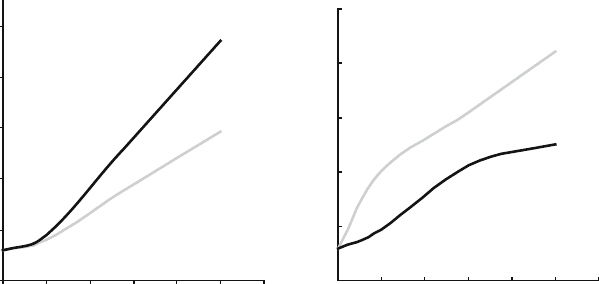
cells, and we found that, in some patients, MSC proliferation is accelerated, while
in others it is severely impaired (Fig. 6). The identification of patients who are
likely to benefit from cell therapy and those who will probably not respond is still a
largely neglected field of research. Given the biologic complexity of viable cells as
therapeutic compounds as well as the organism’s response to those clearly requires
an individualized approach to maximize the efficacy of cardiac cell therapy
5.8 Legal Framework
Today, the legal situation regarding the production and the therapeutic use of viable
cells and related products has been clarified in many countries. Within the EU, this
308 C. Stamm et al.
was completed with the Regulation on Advanced Th erapies No 1394/2007, and the
situation is similar in North America. Cells used for tissue regeneration are now
considered medicinal products. Hence, their production and clinical application
must comply with Good Manufacturing (GMP) and Good Clinical Practice (GCP).
Essentially, the same rules are applied that were originally designed to super vise
the developm ent in production processing of pharmaceutical compounds. One
exception is when autologous cells are harvested and implanted within the same
surgical procedure, as is sometimes done in bedside bone marrow or adipose tissue
cell transplantation. However, even such “bedside cell therapy products” may be
considered medicinal products if the cells undergo more-than-minimal manipula-
tion or their use is non-homologous (meaning the cells are meant to behave in a way
that differs from their original function). This regulatory framework has greatly
helped optimize the safety of patients who are subjected to still experimental
cellular therapies. On the other hand, it has significantly slowed down the clinical
translation process.
6 Future Clinical Cell Therapy Studies
Previous and ongoing clinical studies using somatic cells from marrow, adipose
tissue and other sources were relatively easy to conduct in accordance with the cell
therapy-specific regulations and the standards of evidence-based medicine. The
0
0.1
0.2
0.3
0.4
0.5
0123456
time [days]
Viable cells (MTS test)
0
0.1
0.2
0.3
0.4
0.5
0123456
time [days]
Viable cells (MTS test)
Fig. 6 Serum of patient with heart failure influences stem cell behaviour. (a) The in vitro
proliferation rate of neonatal cord blood mesenchymal stem cells from a healthy donor, in the
presence (black) and absence ( grey) of serum from a patient with ischaemic heart failure.
Compared to the standard medium (foetal calf serum), cell proliferation and viability is much
reduced. On the other hand, (b) shows the in vitro proliferation rate of the same cell type, in the
presence of serum from a patient who underwent surgery for ischaemic heart disease (black),
compared to that of a healthy individual (grey). Here, the patient serum clearly has activating
effects
Clinical Application of Stem Cells in the Cardiovascular System 309
majority of these approaches were shown to be safe, albeit also with limited
efficacy, because they mainly induce indirect regeneration and do not directly
interfere with genomic integrity and cardiomyocyte biology. The clinical evalua-
tion of stem cell-derived contractile cells for direct regeneration, however, carries
much greater risks and needs a different approach. Because of the tumour and
arrhythmia risk when, for instance, iPS cell-derived myocytes are transplanted, we
feel that feasibility and safety studies should initially be performed in no-option
patients who have or require a mechanical ventricular assist device (VAD).
Here, ventricular arrhythmia is usually not life-threatening, and myocardium for
histology studies can be collected upon VAD explanation or heart transplantation.
Cell therapy has led to a new level of complexity in both experimental cardio-
vascular research and clinical practice. The successful use of viable cells for
regeneration of diseased tissue require s a completely novel scientific and clinical
armamentarium, and it cannot b e foreseen whether the efforts will be ultimately
rewarded by efficacious and safe regenerative therapies.
References
1. Neumann T, Biermann J, Erbel R, Neumann A, Wasem J, Ertl G et al (2009) Heart failure:
the commonest reason for hospital admission in Germany: medical and economic perspec-
tives. Dtsch Arztebl Int 106(16):269–275
2. Slaughter MS, Rogers JG, Milano CA, Russell SD, Conte JV, Feldman D et al (2009)
Advanced heart failure treated with continuous-flow left ventricular assist device. N Engl J
Med 361:2241–2251
3. Behfar A, Perez-Terzic C, Faustino RS, Arrell DK, Hodgson DM, Yamada S et al (2007)
Cardiopoietic programming of embryonic stem cells for tumor-free heart repair. J Exp Med
204(2):405–420
4. Menard C, Hagege AA, Agbulut O, Barro M, Morichetti MC, Brasselet C et al (2005)
Transplantation of cardiac-committed mouse embryonic stem cells to infarcted sheep myo-
cardium: a preclinical study. Lancet 366(9490):1005–1012
5. Takahashi K, Yamanaka S (2006) Induction of pluripotent stem cells from mouse embryonic
and adult fibroblast cultures by defined factors. Cell 126(4):663–676
6. Stamm C, Choi YH, Nasseri B, Hetzer R (2009) A heart full of stem cells: the spectrum of
myocardial progenitor cells in the postnatal heart. Ther Adv Cardiovasc Dis 3(3):215–229
7. Laugwitz KL, Moretti A, Lam J, Gruber P, Chen Y, Woodard S et al (2005) Postnatal isl1+
cardioblasts enter fully differentiated cardiomyocyte lineages. Nature 433(7026):647–653
8. Smith RR, Barile L, Cho HC, Leppo MK, Hare JM, Messina E et al (2007) Regenerative
potential of cardiosphere-derived cells expanded from percutaneous endomyocardial biopsy
specimens. Circulation 115(7):896–908
9. Pasumarthi KB, Field LJ (2002) Cardiomyocyte cell cycle regulation. Circ Res 90(10):
1044–1054
10. Soonpaa MH, Field LJ (1997) Assessment of cardiomyocyte DNA synthesis in normal and
injured adult mouse hearts. Am J Physiol 272(1 Pt 2):H220–H226
11. Meckert PC, Rivello HG, Vigliano C, Gonzalez P, Favaloro R, Laguens R (2005) Endomi-
tosis and polyploidization of myocardial cells in the periphery of human acute myocardial
infarction. Cardiovasc Res 67(1):116–123
310 C. Stamm et al.