
Kenneth E. Gonsalves, Craig R. Halberstadt, Cato T. Laurencin, Lakshmi S. Nair. Biomedical Nanostructures
Подождите немного. Документ загружается.


CHAPTER 13
Controlling Cell Behavior via DNA
and RNA Transfections
JASPREET K. VASIR and VINOD LABHASETWAR
13.1 INTRODUCTION
RNA and DNA are the basic genetic components of the cell machinery
through which flows the information for the normal functioning of the cell.
However, in disease conditions, there is often a misinterpretation of this
information and malfunctioning of cell machinery. Elucidation of the human
genome has identified a number of genes implicated in disease progression.
This has offered new possibilities of treating the diseases by means of gene
therapy (replacing a defective gene or modifying the expression of a gene by
introducing genetic material/DNA into the cells). The introduction of foreign
DNA or RNA molecules into cells is known as ‘‘transfection.’’ Transfection is
now a commonly used method in laboratories for studying gene function,
modulation of gene expression, biochemical mapping, and mutational analysis.
Thus, it has now become possible to control cell behavior by means of DNA/
RNA transfections. In this chapter, we discuss how DNA/RNA transfections
can be used to alter cell behavior, their numerous applications as a research
tool, and new therapeutic options.
13.2 METHODS OF DNA/RNA TRANSFECTION
Polynucleotide molecules (e.g. DNA or RNA) are large, hydrophilic macro-
molecules with a net negative charge. These are very labile in biological
environment and do not cross biological membranes effectively. Thus, the need
for an effective and safe transfection system/vector is quite obvious. In general,
BiomedicalNanostructures, Editedby KennethE.Gonsalves,CraigR.Halberstadt,CatoT.Laurencin,
and Lakshmi S. Nair
Copyright # 2008 John Wiley & Sons, Inc.
337
transfection methods can be broadly categorized into viral-based gene transfer
(retrovirus, adeno-associated virus, and lentivirus), chemical transfection
methods (lipid- or polymer-mediated), and physical delivery methods (electro-
poration, microinjection, heat shock). Viral vectors include the use of genetically
engineered retroviruses, adenoviruses, adeno-associated viruses (AAV), and
other viruses that have been used for gene transfer procedures. Though the
viruses are highly efficient for gene transfer to cells, their potential to induce
drastic immune responses such as with adenovirus or the risk of insertional
mutagenesis in the host genome with retroviral vectors [1] has sparked a major
debate over their safety for human gene therapy. Thus, the current consensus is
to develop suitable vector systems for DNA/RNA transfections, which are
minimally invasive (safe) and highly efficient. This has steered research toward
the development of nonviral vectors for gene delivery. Nonviral vectors include
nanoparticles (NPs), liposomes, and complexes prepared using either cationic
lipids (lipoplexes) or polymers (polyplexes), and also mechanical methods, such
as electroporation or microneedle injections of plasmid, especially for transfec-
tion through the skin surface. Polymeric NPs for gene delivery can be formed (1)
by simple condensation of polynucleotides (DNA/RNA) with polymers, like
poly-
L-lysine (PLL), polyethyleneimine (PEI), polyamidoamines, and polyimi-
dazoles, (2) by encapsulating DNA into polymers, like polyethylene oxide,
polylactide (PLA), poly-(lactic-co-glycolic acid) (PLGA), and polyalkylcyanoa-
crylates, or (3) by complexing DNA to the surface of preformed polymeric NPs
grafted with cationic surfactants or polysaccharides. These are the three basic
types of polymeric NPs, under investigation for DNA/RNA transfection [2]. The
NPs formed by either condensation, encapsulation, or complexation of DNA
have very distinct characteristics and varying transfection efficiencies, making
them suitable for different transfection applications. These differences primarily
arise due to the disparity in the basic chemical structure of polymers and the
methods used to formulate NPs. Cationic polymers like PLL, and PEI that can
effectively condense DNA often have limitations for in vivo applications due to
their cytotoxicity, nonbiodegradable nature, and the possibility to aggregate in
physiological conditions. On the contrary, NPs prepared with biodegradable
polymers, like PLGA/PLA are stable in the blood stream, but have lower
transfection efficiency as compared to cationic polymers like PEI. Nonetheless,
one major advantage of PLGA/PLA NPs, which cannot be ignored, is the ability
to protect and release DNA/RNA slowly inside the cells, thus sustaining
transfection levels for a prolonged period of time. Recent efforts for synthesis of
degradable, cationic polymers with low cytotoxicity and high transfection
efficiency can provide new polymers to formulate NPs for efficient transfections.
Furthermore, approaches, such as the use of cell-specific targeting moieties, can
target polymeric NPs to particular cells and have helped to overcome some of the
cellular barriers to gene delivery. Still nuclear membrane stands as an invincible
barrier for DNA transfections. The use of nuclear localization signaling (NLS)
peptides and the tissue-specific promoters, though in early stages of develop-
ment, constitutes promising efforts at improving nuclear import of DNA.
338 BIOMEDICAL NANOSTRUCTURES
Electroporation employs the use of an electrical field to create small pores in
cellular membrane, also referred as electropores, enabling delivery of highly
charged macromolecules, such as RNA or DNA to the cytoplasm and nuclei of
the cell. Gene guns and manual microinjection are very efficient techniques for
direct delivery of DNA to a specified target. The method is limited with regard to
the number of cells applied and requires certain operator skill.
13.3 BARRIERS TO TRANSFECTION
To be successful, transfection methods/vectors need to overcome several
physical and biological barriers before DNA/RNA can be delivered to its
target site inside a cell. Physical barriers include the formulation of polymeric
gene delivery systems, which in idealistic perspective, should be able to
condense DNA/RNA to a size that can easily gain access into cells and can
maintain its stability and biological activity.
Further upon introduction into cells, vectors are required to cross a series of
hurdles in order to reach the cytoplasm or nucleus and during this process, lose
significant portion of the DNA/RNA molecules at each successive step. These
barriers include the physical and chemical stability of transfection vector in the
cell culture media or in systemic circulation, association and internalization of
the vectors into cells by endocytosis, intracellular trafficking and release of
DNA/RNA into the cytoplasm, cytoplasmic translocation of DNA to nucleus,
and the nuclear uptake of DNA [3]. The transfection methods for DNA and
RNA differ in terms of the final target site for action. DNA needs to translocate
to the nucleus of the cells, for expression of the gene; however, site of action of
RNA is the cytoplasm. Thus, the vectors needed for RNA transfection are a little
less complicated than those required for DNA transfection.
The transfection methods differ to a great extent in their efficiency, which in
part depends on the association of the vector with cell membranes and its
release from the endosomal compartment [4]. Cell recognition and association
of NPs to cell membrane can be enhanced by the use of targeting ligands that
can bind to specific receptors on cell membranes. This can not only promote
the association and binding of NPs to the cell surface, but can also increase the
cellular internalization by means of receptor-mediated endocytosis. The major
bottleneck issue for polymeric transfection is that following endocytosis, the
polymeric vector s may get sequest ered within the endosomal compartment.
Viruses have evolved highly efficient inherent mechanisms for escaping the
endosomal compartments and reaching the cytoplasm. These include the
presence of fusogenic or membrane disruptive peptides in the viral coats that
allow the viral particles to readily escape into the cytoplasm. However,
transfection efficiency of the nonviral vectors is highly dependent on the
efficiency of endosomal escape of the vectors. This has galvanized active
research to develop strategies to enhance the endosomal escape of nonviral
polymeric vectors, in order to improve the efficiency of gene transfection. The
CONTROLLING CELL BEHAVIOR VIA DNA AND RNA TRANSFECTIONS 339
transfection methods face more challenges for in vivo studies. The physico-
chemical characteristics of vectors have a major influence on their biodistribu-
tion and pharmacokinetics and thus, affect the therapeutic efficacy [5]. Thus, it
is important to unde rstand a correlation between transfection vector
characteristics and the pharmacokinetics of their biodistribution to develop
an efficient transfection system for DNA/RNA delivery in vivo.
13.4 DNA TRANSFECTION
Successful DNA transfections in vitro have de monstrated the potential of DNA
transfections to con trol cell behavior in diseased and healthy cells. However,
potential of DNA transfections in vivo is limited due to the availability of safe
and efficient gene transfection methods. Here, we discuss the applications of
DNA transfections in gene therapy, tissue engineering, and as an experimental
tool for functional genomics.
13.4.1 Gene Therapy
DNA trans fection holds the potential to alter cell behavior by expressing a
gene deficient in cell types. DNA transfections have been attempted to correct
the loss of genes responsible for tumor suppression (p53), receptor expression
on cells, hormonal/ enzyme production, growth factor secretion, and also for
DNA immunization strategies. Gene therapy is an approach for treating
diseases at the genetic level, modifying the biology of the cells for a therapeutic
benefit. This makes it all the more important to understand the biology of cells.
For instance, in case of gene therapy approaches for correcting a genetic
deficiency, it may be required to maintain the phy siological concentrations of
the expressed protein for a sustained period of time. Gene therapy strategies to
correct hormone deficiencies would require not only the restoration of normal
gene expression, but also strict control of physiological, pulsatile nature of
hormone secretion [6]. A co mmon biological effect of cell proliferation can also
be a factor in different diseases. Rate and kinetics of cell proliferation in
cancers may be quite different than that in other proliferative disorders like,
restenosis, and this demands a consideration while selecting the gene delivery
vectors. It has been shown that even a 50% reduction in the proliferating cells
can reduce the neointimal volume to 90% in postangioplasty patients, which
equates to a substantial therapeutic benefit [7]. Thus, clinically relevant
reduction of neointima formation can be attained, with realistic transfection
rates. In contrast, it is necessary that all the cancer cell s be killed, in order to
achieve a complete remi ssion in patients presenting a disseminated disease.
Most often, emphasis is laid on the level of gene transfection; however, as
indicated below, in certain disease conditions, the low level, but sustained gene
expression could be more effective. Therapeutic angiogenesis is one such example,
where a sustained, but low level of expression of genes encoding the angiogenic
340 BIOMEDICAL NANOSTRUCTURES
factors (e.g., VEGF or FGF) is required. High levels of growth factors are known
to form leaky vasculature, which are nonfunctional and regress with time.
Therefore, it is considered that a low level of sustained gene expression could be
more effective in forming mature and functional blood vessels [8].
DNA complexed with PEI has been used for in vivo delivery of therapeutic
DNA, oligonu cleotides, or therapeutic RNA molecules as a part of
experimental gene therapy. For the delivery of plasmid DNA, PEI of any
molecular weight can be used, while small nucleic acids, like RNA molecules,
are preferentially complexed with low molecular weight PEI [9]. Systemic
administration of PEI polyplexes with tumor suppressor gene p53 every 3 days
for 3 weeks in an orthotopic bladder cancer model resulted in a 70% reduction
in tumor size. A 14-fold higher reporter gene expression was observed in the
tumor as compared to the lungs on intravenous injection of the respective
polyplexes [10]. The authors of this study attributed the reason for preferential
accumulation in tumors (as compared to lungs) and the low cytotoxicity to the
use of low N/P ratio for polyplexes. This results in marginally positive zeta
potential of polyplexes and can potentially reduce the interaction of polyplexes
with the serum protein s, thus making it ideal for in vivo systemic delivery to the
tumor.
Linear PEI of molecular weight 22 kDa was used for successful in vivo
transfer of the cloned somatostatin receptor subtype 2 (sst2) gene in
transplantable models of primary and metastatic pancreat ic carcinomas in
hamsters [11]. The peptide somatostatin negatively regulates cellular prolifera-
tion by means of its cell surface receptor subtypes (sst1, sst2, and sst5). It has
also been observed that there is a loss of sst2 gene expression in hum an
pancreatic adenocarcinoma and in pancreatic cancer derived cell lines. Thus,
correcting the deficit of sst2 gene in pancreatic cancer cells can slow the tumor
growth and can make the tumors responsive to somat ostatin treatment. A
plasmid DNA containing the murine sst2 gene was complexed with linear PEI.
PEIDNA complexes were injected intratumorally into the pancreatic tumor
model in hamsters. This in vivo sst2 gene transfer resulted in significant
inhibition of growth progression of pancreatic primary tumor as well as hepatic
metastases, 6 days after the intratumoral injection of PEIDNA polyple xes.
Biodegradable PLGA NPs have been shown to sustain the release of DNA
inside the cells, thus enabling sustained gene expression. Such sustained gene
expression is advantageous especially if the half-life of the expressed protein is
very short and/or a chronic gene delivery is required for better therapeutic
efficacy. Prabha and Labhasetwar have shown slow intracellular release of
plasmid DNA from PLGA NPs, which resulted in susta ined levels of DNA
inside the cells. This could be easily related to the greater gene expression,
quantitated by mRNA levels determined using RT-PCR. The wt-p53 gene-
loaded NPs showed higher mRNA levels for p53, as compared to the liposomal
formulation, even 5 days after transfection of the MDA-MB-435S breast
cancer cells [12]. The sustained p53 expression levels resulted in greater and
sustained inhibition of cell proliferation as compared to plasmid DNA alone
CONTROLLING CELL BEHAVIOR VIA DNA AND RNA TRANSFECTIONS 341
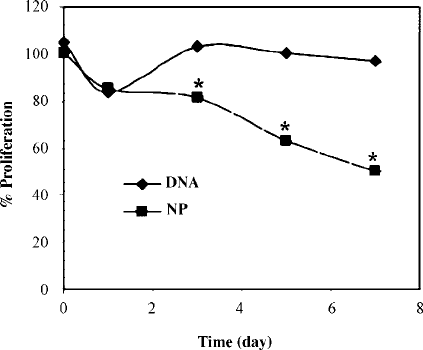
(Fig. 13.1). Cohen et al. have shown that despite lower transfection levels
observed in vitro with NPs as compared to liposomal formulations, the in vivo
gene transfection with NPs was one to two orders of magnitude greater than
that with liposomes, 7 days after an intramuscular injection in rats [13]. Their
studies demonstrated gene expression su staining over 28 days in vivo with a
single dose of intramuscular injection of NPs.
DNA transfection is also a potential alternative for immunization strategies.
Chitosan NPs are considered a very appealing carrier choice for orally
delivered mucosal immunization strategies, owing to the mucoadhesive
properties of chitosan. Orally administered chitosanDNA NPs ca n adhere
to the gastrointestinal epithelium and transfect epithelial or immune cells
present in the gut-associated lymphoid tissue [14]. In vitro studies have shown
that chitosan can enhance transcellular and paracellular transport of drugs
across intestinal epithelial monolayers [15]. Roy et al. have demonstrated
successful mucosal immunization via oral gene delivery, using DNA complexed
with chitosan [16]. ChitosanDNA NPs were administer ed orally in a murine
model of peanut-allergen-induced hypersensitivity and level s of serum and
secreted antibodies were detected 4 weeks after first immunization. Substantial
differences in the antibody levels were found for NP immunized mice, and the
control mice or the mice immunized with naked DNA. The efficiency of orally
FIGURE 13.1 Antiproliferative activity of wt-p53 DNA-loaded nanoparticles (NP)
and naked wt-p53 DNA (DNA) in MDAMB-435S cells. Cells (2500 cells/well) grown in
96-well plates were incubated with 500 mg/ml nanoparticles and an equivalent amount
of naked DNA (10.5 mg/ml). Medium control or NPs without DNA were used as
controls. Cell growth was followed using a standard MTS assay, where the absorbance
is directly proportional to the number of viable cells. Nanoparticles demonstrated an
increase in antiproliferative activity with incubation time. Data are represented as the
mean the standard error of the mean (n =6;p < 0.01 for points marked with asterisks).
(Reproduced with permission from Reference 12.)
342
BIOMEDICAL NANOSTRUCTURES
administered chitosanDNA NPs for gene expression was studied using the
lacZ gene in the same mouse model. Mice fed with NPs showed high levels of
gene expression in both stomach and small intestines as compared to mice fed
with plasmid DNA.
13.4.2 Tissue Engineering
Cell-induced tissue regeneration is usually achieved by providi ng cells with a
local environment of biological cues that enable cells to promote proliferation
and differentiation. Such biological cues include growth factors, signaling
molecules, and extracellular matrix (ECM) molecules. Transfection with
plasmid DNA encoding for various growth factors has been used for tissue
regeneration approach [17–19]. This strategy becomes more imperative when
the protein/growth factor required for tissue growth has a short biological half-
life. Plasmid DNA encoding for fibroblast growth factor-4 (FGF4) was
delivered using hydrogel microspheres of cationized gelatin in a rabbit hind
limb ischemia model [20]. This DNA transfection led to significantly greater
angiogenesis due to greater expression of FGF4 at the injection site as
compared to plasmid DNA in solution. The blood vessels formed by the DNA
transfection were demonstrated to be completely fun ctional and physiologi-
cally mature.
Another interesting application of DNA transfection in tissue engineering
involves genetically manipulating the biological functions of stem cells.
Stem cell therapy is promising, but often the stem cells need some kind of
genetic modification to activate specific biological functions. One such example
involves using the cells (endothelial progenitor cells (EPCs)) as a vehicle for
DNA and also as a tissue engineering tool. EPCs were transfected with plasmid
DNA encoding angiogenic adrenomedullin using cationized gelatin micro-
spheres. Gene-transfected EPCs were then injected into a rat model of
pulmonary hypertension. EPCs preferentially targeted the injured pulmonary
endothelia and restored the intact endothelium [21].
13.4.3 Functional Genomics
High throughput transfected cell arrays can be us ed to correlate gene
expression with functional cell responses. This approach can also be used for
screening large collections of target seq uences for therapeutic interventions
[22, 23]. In one such study, cells were transfected by collagen mixed with
plasmid DNA or viruses carrying the DNA. Collagen mixed with plasmids was
spotted on glass slides or into wells and used to transfect the cells. Such
transfected cell arrays can then be analyzed for cellular responses using
imaging or biochemical techniques. Transfection methods required for such
studies must result in a cost-effective and efficient transfect ion of a wide variety
of primary cells and cell lines [24].
CONTROLLING CELL BEHAVIOR VIA DNA AND RNA TRANSFECTIONS 343
13.5 RNA TRANSFECTION
RNA interference (RNAi) is based on the premise that dsRNA can be used to
bind to and promote the degradation of target mRNAs by harnessing an
endogenous biological pathway, thus knocking down the expression of the
respective genes. RNAi is an evolutionarily conserved gene-silencing phenom-
enon. Fire et al. were first to describe RNAi in animal cells, in the nematode
C. elegans [25]. RNAi was later described to be also present in mammalian cells
[26]. The effector molecules for this gene silencing phenomenon that guide
mRNA degradation in a cell are small 2130-nucleotide dsRNA, termed
‘‘small inter fering RNAs’’ (siRNA). These siRNAs have nucleotide comple-
mentarity to the mRNA sequence of the protein whose transcription is to be
blocked. Upon entry into cell, siRNA molecules are incorporated into a
multisubunit ribonucleoprotein complex called RNA-induced silencing com-
plex (RISC), which binds to and promotes the degradation of the target
mRNA.
siRNA can be introduced into cells via transfection of chemically
synthesized molecules or generated inside the cells from the enzymatic cleavage
of long dsRNAs. Synthesizing siRNA molecules offers a precise control over
the sequence of siRNA, purity, and the possibility to introduce chemical
modifications to enhance the efficacy of siRNA. siRNA/shRNA (short hairpin
RNA) can be produced intracellularly by transfecting the cells with plasmid
DNA carrying the transcript encoding DNA. Chemically synthesized siRNA
are less prone to nonspecific side effects due to greater control over the amount
of transfected reagent. The duration of gene silencing is limited by the rate of
cell division. The siRNA molecules hold immense potential for therapeutic
applications due to their small size and chemical modifications that can confer
more stability and high efficacy.
The basic chemical structure of effective siRNAs has been defined as 19-bp
RNA duplex wi th a two-nucleotide overhang on the 3
0
ends. The potency of
gene silencing depends on the sequence of siRNA and rules have been
developed for the design of effective siRNA [27]. In the year 2002, Couzin et al.
hailed dsRNA reagents as the ‘‘scientific breakthrough of the year’’ [28]. All
this has raised the prospects of RNAi not only as a research tool, but also as a
novel therapeutic option for many diseases.
13.5.1 As a Tool to Understand Gene Function
RNAi is a powerful research tool in ‘‘reverse genetic studies’’ whereby the
function of a gene is determined by its disruption. Recently, RNAi screens have
been developed in mammalian cells [29]. Libraries can be designed to silence
expression of the mammalian genes by using retroviral vectors to express
(shRNA) in cells. RNA interference has been extensively used for study of
disease-associated genes for diseases, such as cancer, infectious diseases, and
respiratory diseases. One of the mammalian screens identified new genes
344 BIOMEDICAL NANOSTRUCTURES
involved in p53-mediated cell cycle arrest [30]. By varying the amount of
siRNA expressed in the cell, it is now possible to determine the relative amount
of gene product required for certain processes in a temporal and spatial manner
[31]. This has broadened the horizons of the types of experiments that can be
done in mammalian model systems. Thus, RNAi-directed gene silencing
coupled with genomics data can provide functional determination of any gene
expressed in a cell. High gene silencing efficiency at low concentration, high
specificity and stability, and the low costs of custom siRNA synthesis are
further promoting the use of siRNA in functional genomics [32]. RNAi is now
the most preferred approach for functional genomics in mammalian tissue
culture.
siRNA-mediated gene silencing can be a reliable and valuable approach for
large-scale screening of gene function and drugtarget identification and
validation. RNAi can also be potenti ally used in drug discovery to evaluate the
specificity and the mechanism of action of a new chemical entity before
resources are spent to develop it into a drug [33]. Furthermore, transgenic mice
with stably silenced gene expression have also been developed using RNA i.
Inducible or tissue-specific promoters can be used to drive the intracellular
production of siRNAs (from shRNAs), and thus, can be used to generate
animals in which gene expression is silenced in particular cells/tissues [34].
Since RNAi sequences vary in their extent of silencing, transgenic mice with
graded degrees of gene silencing can also be developed. The use of RNAi has
also allowed the development of double-knockout mice of two genes that are
located in close proximity on the same chromosome. Also, by targeting a
conserved domain, an entire gene family can be knocked down using a single
siRNA [32].
Although RNAi offers a potentially faster way to produce transgenic mice,
it is not yet completely characterized as a robust approach. Further studi es are
needed to determine how reliably gene expression can be knocked down in all
tissues/target tissue at all times, to produce a knockdown with a different
phenotype.
13.5.2 As a Ther apeutic
The widespread applicability, relative ease of synthesis, and low cost of
production (as compared to recombinant proteins, monoclonal antibodies) make
siRNA an attractive new class of therapeutic entities. siRNA can be used to
direct silencing of genes responsible for induction or progression of disease [35].
Several studies have demonstrated the therapeutic potential of siRNAs: siRNAs
protecting mice from fulminant hepatitis [36], viral infection [37], sepsis [38],
tumor growth [39], and macular degeneration in eye [40]. siRNA-directed gene
silencing of the Fas receptor (responsible for apoptosis of hepatocytes) can be of
therapeutic value for preventing/treating acute and chronic liver injury, hepatitis,
liver failure, and rejection of liver transplants. Such a therapeutic benefit was
demonstrated by protection of mice from liver failure in two models of
CONTROLLING CELL BEHAVIOR VIA DNA AND RNA TRANSFECTIONS 345