
Antliff Allan. Anarchy and Art: From the Paris Commune to the Fall of the Berlin Wall (ENG)
Подождите немного. Документ загружается.

Antliff, Allan (Author). Anarchy and Art : From the Paris Commune to the Fall of the Berlin Wall.
Vancouver, BC, CAN: Arsenal Pulp Press, 2007. p c.
http://site.ebrary.com/lib/dominicanuc/Doc?id=10308829&ppg=100
100 ANARCHY AND ART
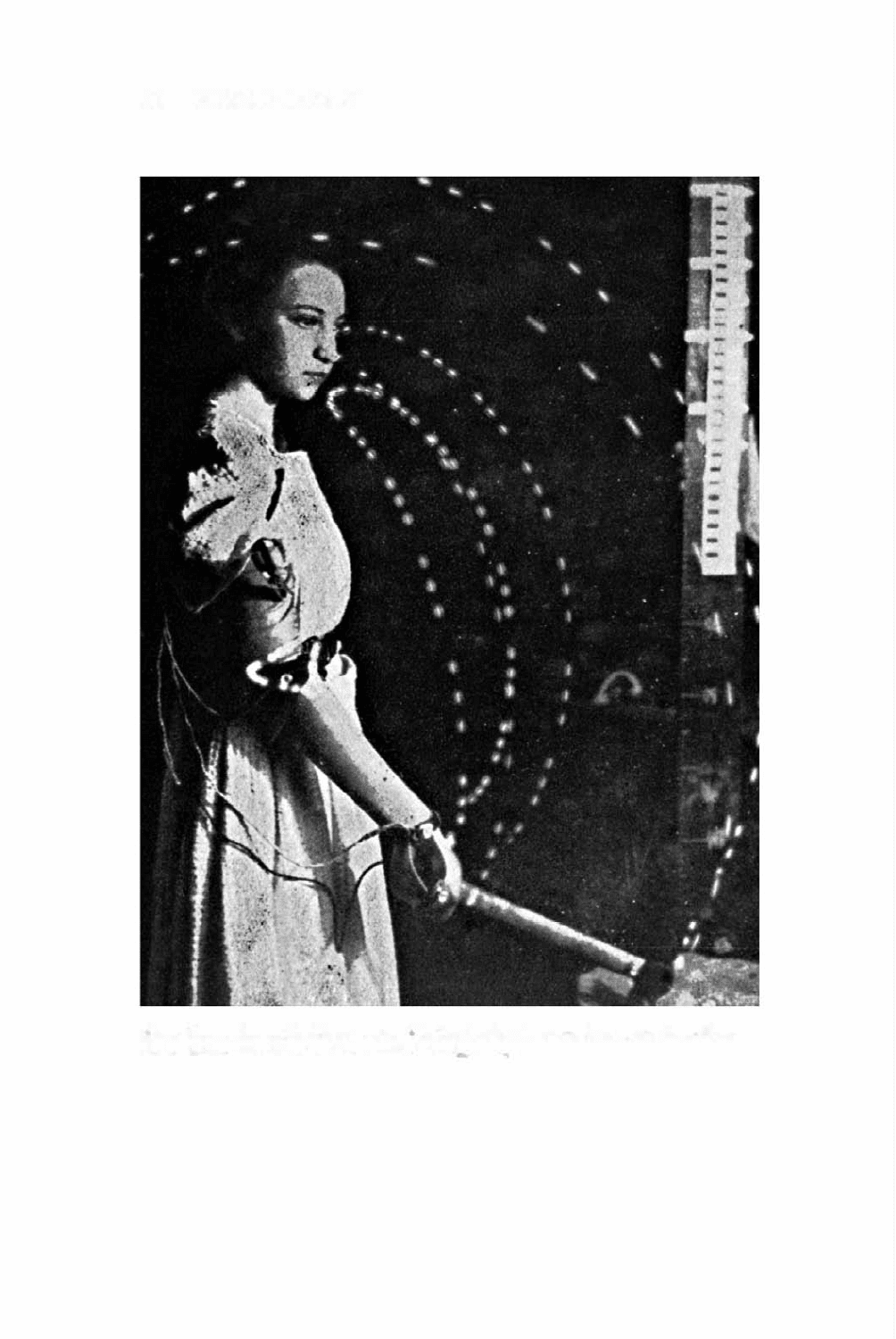
Altxti Gasv, Scienric Management Motion Study Photograph, 1925. Frow R1t
Flllup-IHin,
TIl: Mil allJ Fl:: urnubl:�ilII,
IYT

Antliff, Allan (Author). Anarchy and Art : From the Paris Commune to the Fall of the Berlin Wall.
Vancouver, BC, CAN: Arsenal Pulp Press, 2007. p ci.
http://site.ebrary.com/lib/dominicanuc/Doc?id=10308829&ppg=101
Dfb foArf! 101
enrolled in the workshops, in which Meyerhold introduced construc
tivist principles into staging, and a new acting methodology called
"Biomechanics" to his training program. Many of eyerhold's stu
dents worked in factories during the day and trained and performed
for his theater in the evening.
II! The goal was to suffuse his produc
tions with working-class content, giving them the requisite cultural
stamp that would set them apart from pre-revolutionary theater.
"Biomechanics" was based on techniques of movement then being
promoted under the direction of the Communist bureaucrat and "pro
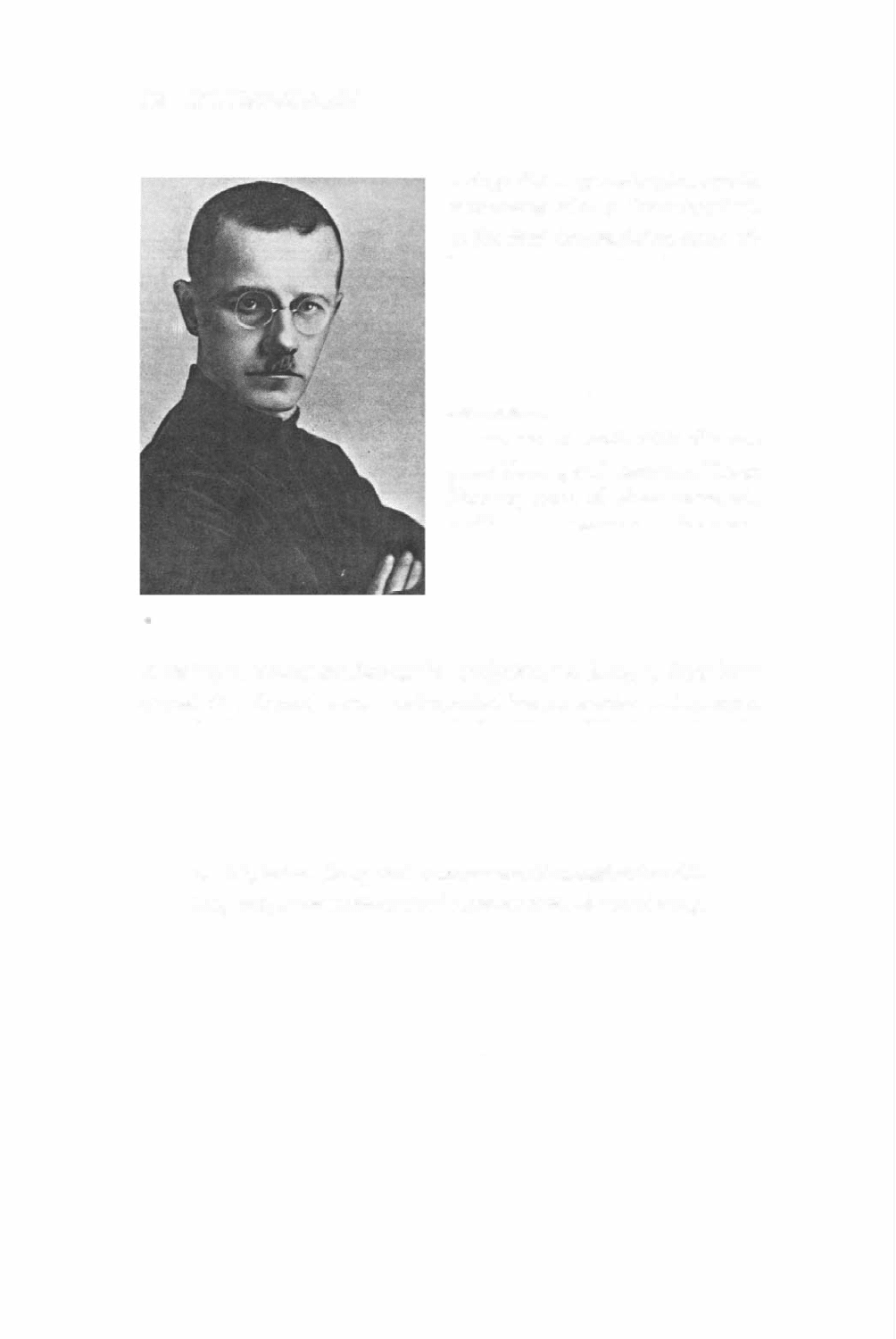
letarian poet," Alexei Gastev.
1
9 Gastev spearheaded a state-financed
program to introduce the latest form of labor organization,
known
as scientific management, to the Soviet workforce. Developed in
AIIIri<I, scientic lIl<lnaglIlnt, also known as "Taylorism" after its
fo under, Frederick Winslow Taylor, was a system of labor coordina
tion whkh tnined
w
orkers in efden�y of movement, brCking do
w
n
work into easily executed tasks which enabled managers to speed up
the pace of production exponentially.!O The movement generated a
whole new layer of white collar management while at the same time
facilitating the super-exploitation of workers through piece-work pay
scales, impossible-to-achieve production targets, and on-the-job de
skilling which destroyed trade unions. The authoritarian cultural val
ues of scientic management are reected in the intensied supervi
sion of the worker, whose entire workday was under the thumb of one
or more managers.!
1
Work was restructured around efficiency stan
dards gained through the scientic study of exemplary laborers; for
example, the movements of prize-winning speed typists were studied
to determine the most efcient hand positions and related tasks such
as the placement and insertion of typing paper.22
Armed with such standards, ambitious scientific management teams
proposed to transform the workplace and keep it running smoothly
ever after. Filmed motion studies were an additional aid: timers deter
mined the quickest movements, which were then recreated
in three-di
mensional models to assist training; light devices were attached to the
body to fa cilitate the recording of movement. Another means of regis-
Antliff, Allan (Author). Anarchy and Art : From the Paris Commune to the Fall of the Berlin Wall.
Vancouver, BC, CAN: Arsenal Pulp Press, 2007. p cii.
http://site.ebrary.com/lib/dominicanuc/Doc?id=10308829&ppg=102
102 ANARCHY AND ART
A/txei Gast, II.d. Photoaph.
tering efciency was to photograph
movements with a timer attached
to the light device; faster, more ef
cient movements left shorter dots
of light. All the above methodolo
gies were employed in the Soviet
Union, where Gastev transformed
scientic management into a mass
movement.
He set to work with the ex
press blessings of Lenin and Leon
Trotsky, both of whom were sci-
cntific
Trotsky,
lIIanagellHnt buusters.
while head of the Red
Army,
WS
notori
O�
l
S for i
mpos
in
g
scientic management and mili
tary-style organization in factories
to maintain production during the revolution.
do so, he drew from
a pool of well-paid managers imported from America and Europe,
as well as
home-grown experts, including GastevY Praising scientic
management for its d
i
sciplinary qualities in January 1920, Tr otsky
argued:
A whole number of features of militarism blend with what we
call
Taylorism. Compare the movements of a crowd and a mili
tary unit, one marching
in ranks, the other in a disorderly way,
and you'll see the advantage of an organied military forma
tion. And so the positive, creative forces of Taylorislll should
be used and appJied.H
Later that March, at the 9th Congress of the Russian Communist
Party, Trotsky proposed augmenting the imposition of scientic man-

Antliff, Allan (Author). Anarchy and Art : From the Paris Commune to the Fall of the Berlin Wall.
Vancouver, BC, CAN: Arsenal Pulp Press, 2007. p ciii.
http://site.ebrary.com/lib/dominicanuc/Doc?id=10308829&ppg=103
Dratb to Art 103
agement in the wo rkplace by disciplining wo rkers through blacklist
i
ng, penal battalions, and concentration camps.15
Lenin, who had studied scientic management before the war,
shared Trotsky's enthusiasm.!6 In
"The Immediate Tasks of the Soviet
Government" (April 28, 1918)-issued, we should note, in the imme
diate wake of the anti-anarchist Cheka raids-he wrote: "The possi
bility of building socialism will be determined precisely by our success
i
n combining the Soviet government with the Soviet organization of
administration with the modern ach
ievements of capitalism. We must
o
rganize in Russia the study and teaching of the Taylor system and
systematically try it out and adapt it to our purposes."27 To this end,
he supported the creation of a Central Institute of Labor in 1920, with
Gast�v at th
hdm. During the 1920s, the Institute plaYI!tl an inwgral
role in the introduction of scientic management
throughout the in
�lstri:ll i nfrstnlt\l re.18
can gauge Gastev's extremism from articles published dur
i
ng the civil war years. Gastev hailed scientic management as the
or
ganizational counterpart to machine production, and predicted a
new
Communist man would emerge from rationally organized pro
duction. Under
a re gime of scientic management, he wrote, "ma
chines would be transformed from the managed into the managers"
and norms established scientically would permeate the life of
the
proletariat, right down to "aesthetic, mental, and sexual needs."29 He
imagined the coming
Communist society operating as a single in
dustrial unit. Mechanized workers would be directed by
an equally
mechanized "special staff of engineers, designers, instructors, and
head draftsmen who would work with the same regularity as the rest
of th e giant factory."3o "We must fearlessly state," he wrote, "that it
is absolutely necessary for the present-day worker to mechanize his
manual labor; that is, he must make his gestures resemble those of a
machine .... Only the creation of a collective rhythm will provide the
conditions for objective leadership."JI The goal?

Antliff, Allan (Author). Anarchy and Art : From the Paris Commune to the Fall of the Berlin Wall.
Vancouver, BC, CAN: Arsenal Pulp Press, 2007. p civ.
http://site.ebrary.com/lib/dominicanuc/Doc?id=10308829&ppg=104
104 ANARCHY AND ART
... mechaized coectivis. Th e manifestations of this mecha
nized collectivism are so fore
i
gn
[0 personality, so anonymous,
that the movement of these collective complexes is similar to
the
movement of things, in which there is no longer
any indi
v
idual face but only regular uniform steps and faces devoid of
expression, of a soul, of lyricism of emotion, measured not by
the shout or a smile but
by
a pressure gauge or a speed gauge.'!
This Marxist vision, in which individualism (anarchist or other
wise) was totally effaced by industrialized collectivism, struck a chord
with the constructivists, including Meyerhold.H Gastev's connections
with Meyerhold are clear enough. During the 1920s, both men sat on
th uoanl of a scieic lIlanagclIlcnt propagamb organization calleu
the League of Time, and Meyerhold produced time-management pro
p
a
g
:da p
la
y
s that to\.d th Soviet Union as part of the "T .i
v
in
g
ewspaper" theater program.H Indeed, the "biomechanical" training
methods practiced in Meyerhold's theater were indebted to Gastev's
studies, as Meyerhold himself acknowledged.H On June 11, 1922,
Gastev published an article in which he called for the study of "that
magnicent machine" the human organism through "a special science,
biomechanics," in "laboratory" conditions.36 Meyerhold's theater was
just such a laboratory, where the new regimes of movement for the
workplace were collectivized into highly mechanized performances.
In an interview, i 1eyerhold described biomechanics as the application
of "the Ta ylor system" to acting, which was analogous to the labor of
a
skilled workerY This made theater useful in the building of social
ism: biomechanics was disciplined training for the factory oor.3s His
statement on "Biomechanics," published on June 12, 1922, goes fur
ther, evoking
constructivism as a methodological foundation:
The work of the actor in an industrial society will be regarded
as a means of production vital the proper organ
i
zati
on of
labor of every citizen of that society .... In art our constant con
cern is the organization of raw material. Constructivism has
Antliff, Allan (Author). Anarchy and Art : From the Paris Commune to the Fall of the Berlin Wall.
Vancouver, BC, CAN: Arsenal Pulp Press, 2007. p cv.
http://site.ebrary.com/lib/dominicanuc/Doc?id=10308829&ppg=105
no
"
VICTOR\' IS STI!.L ,\IlEAl) OF US
"
(Gaste\')
Dtath to A! 105
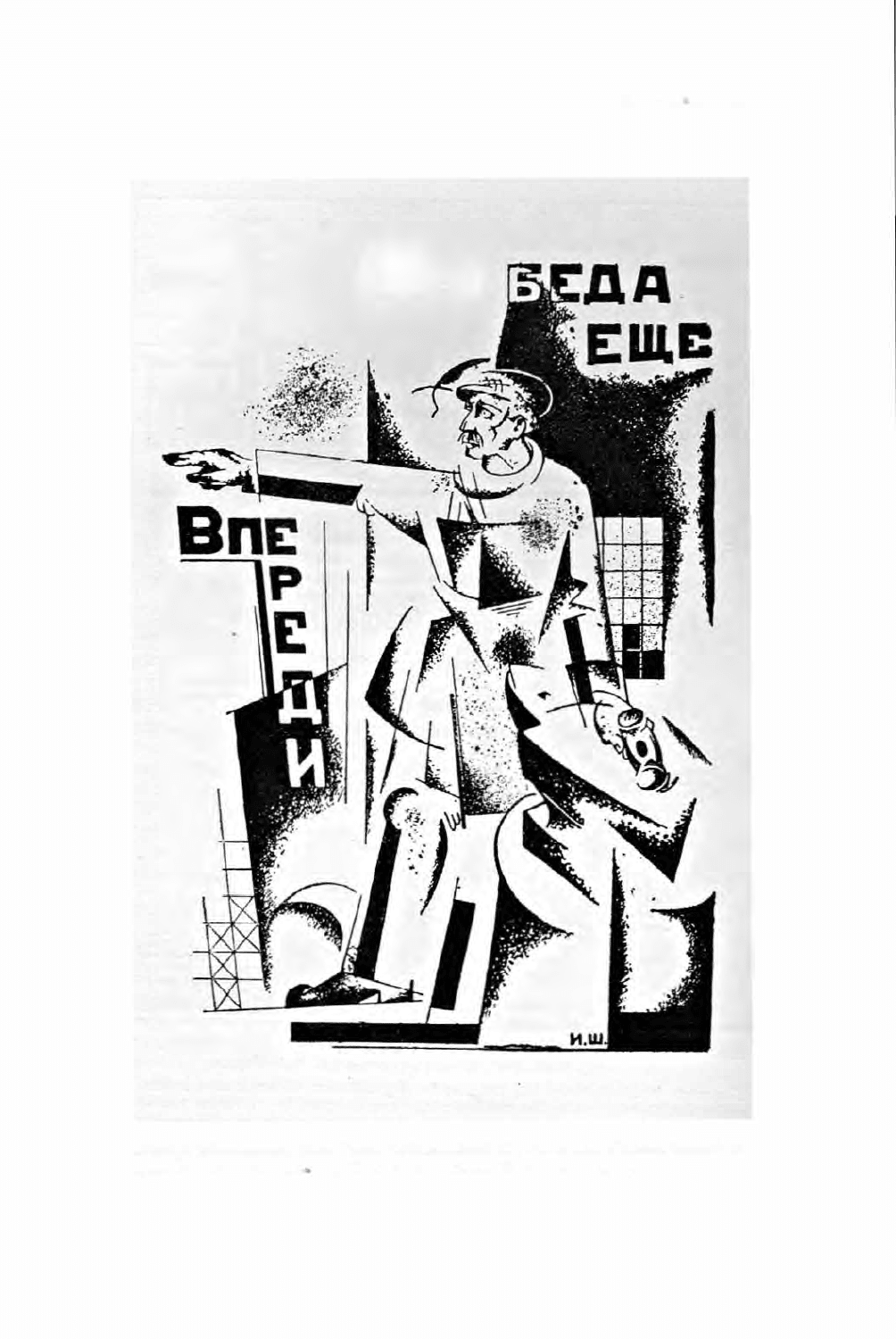
Stitte Maagemmt Post". Victory is Still Ahead of Us (Porn-ail of Alexei Gaslev), (a
'915- R Fulop-fill The Mind and F of Bolshevism, '917-

Antliff, Allan (Author). Anarchy and Art : From the Paris Commune to the Fall of the Berlin Wall.
Vancouver, BC, CAN: Arsenal Pulp Press, 2007. p cvi.
http://site.ebrary.com/lib/dominicanuc/Doc?id=10308829&ppg=106
106 ANARCHY AND ART
forced the artist become both artist and engineer. Art should
be based
on scientic principles; the entire creative act should
be a consciolls process. The art of the actor consists in orga
nizing
his material: that is, in his capacity to utilize correctly
his body's means of expression. The actor embodies in himself
both organizer and that which is org anize
d
.... The actor must
train his material (the body) so that it is capable of executing
instantaneously those tasks that are dictated externally (by the
actor, the director).w
The constructivist imperative to do away with pre-revolutionary
theatrics ("
the 'inspirational' method and the method of 'authentic
cIIIutions''') anu merg with inulistrialisIIl utrmincu not only thc
sc
ientic method of acting, but also the features of the Mag 1imos
r.kold
theMe.r
set."o The se.t WS desi
g
ne.d t Meyerhold's req\let hy
Luibov
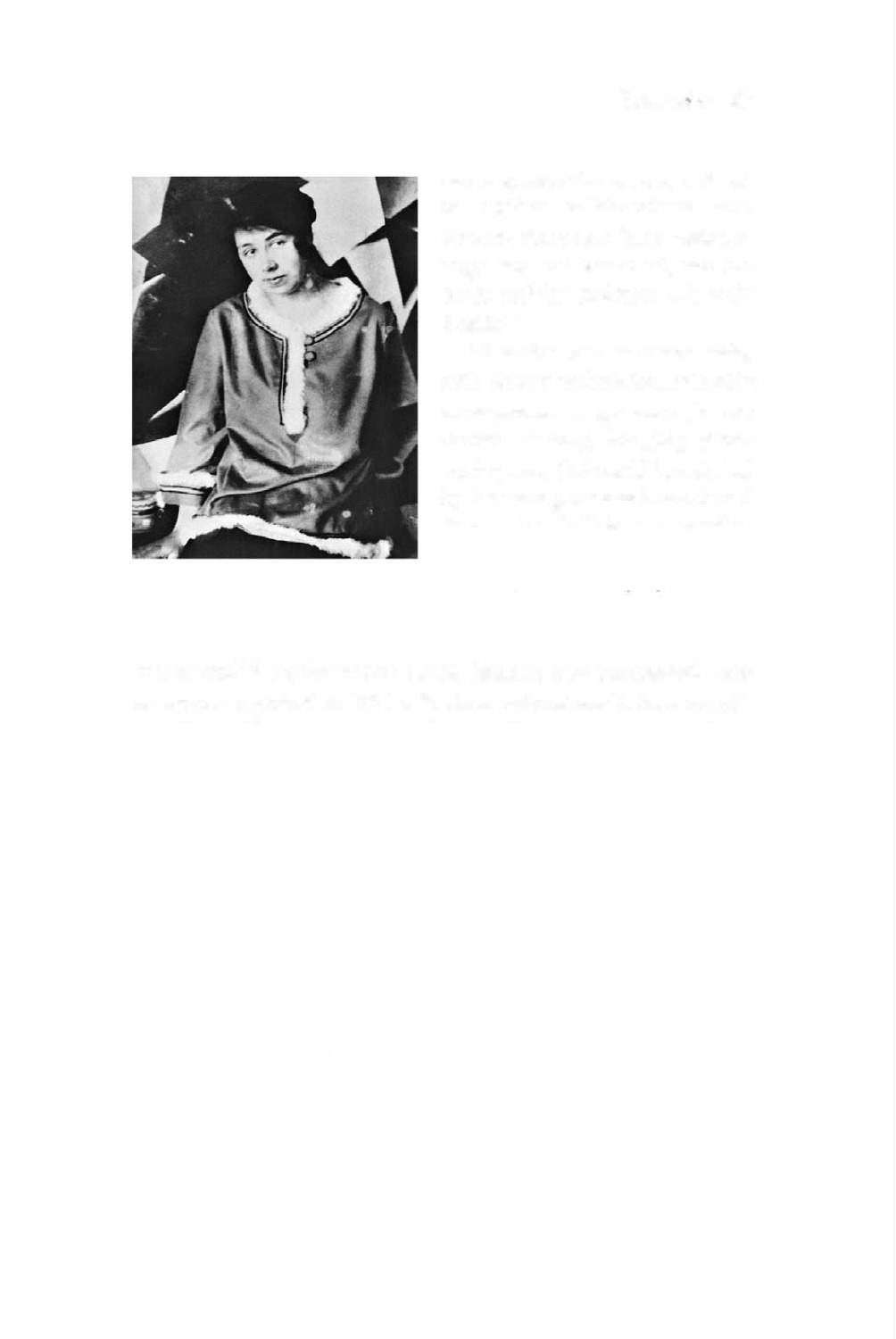
Popova,
a su
p
rematist turned constructivist who taught "color
construction" at Vhukutemas and "material fo rmation" at Meyerhold's
schoo!."l Popo
va did away with the conventional illusionism of stag
ing
in favor of the needs of the perfo
rmance. Her utilitarian set was
strip
ped of embellishment, to create an efcient wor
k
space for the
unfolding biomechanical action. In this sense, it was just like a factory
interior-devoid of decorative fe atures and designed for max
i
mum ef
ciency of production."!
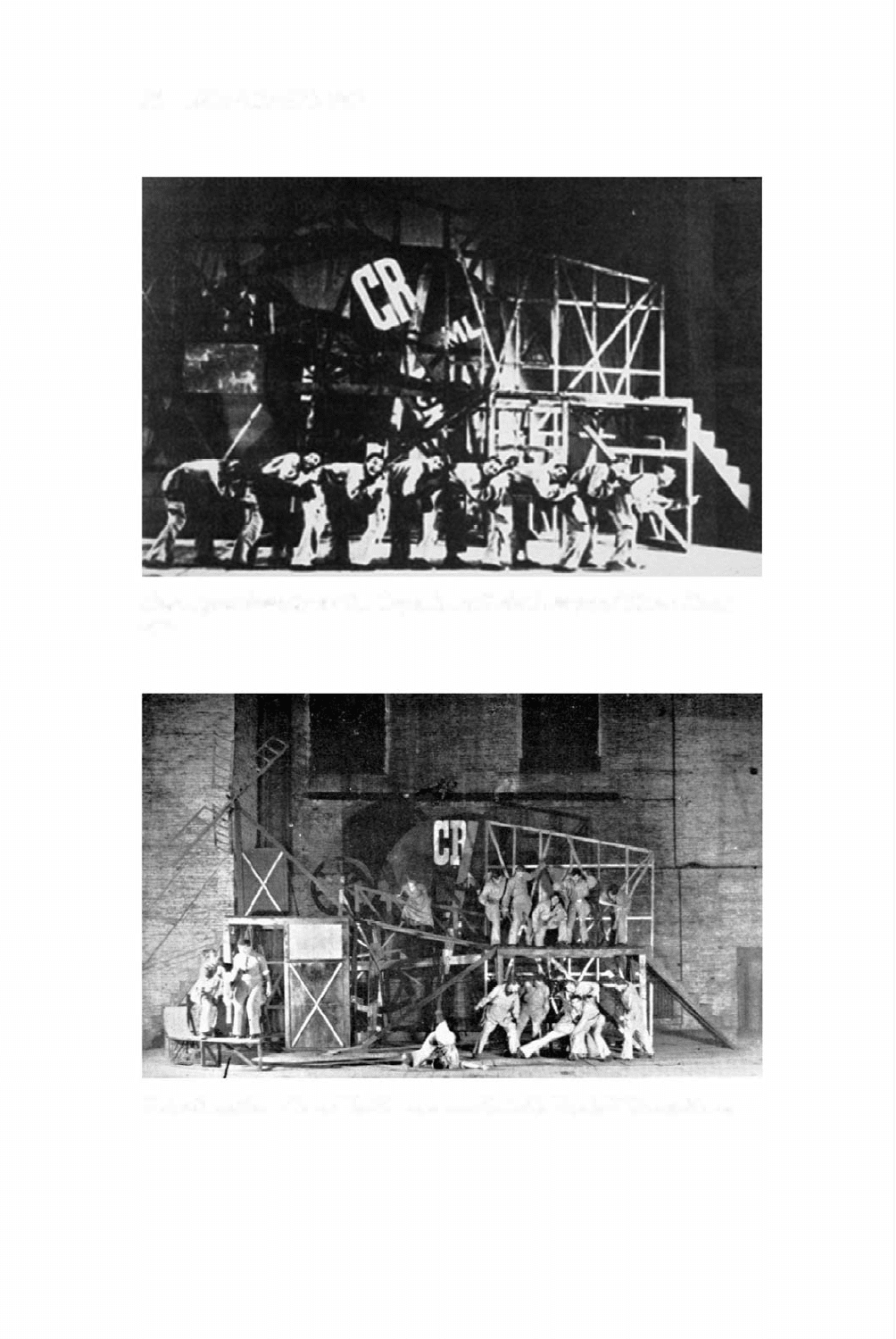
Even props played a productive role. Popova's stage helped to
reg
ulate the movements of the actors during a performance. The set
featured
g
i
ant wheels that periodically sped up and slowed down, and
th
e
motions of the worker-actors echoed the tempo set by Popo
v
a
'
s
r
evo
lvi
ng wheels, which mirrored the pace of the performance. In ef
fe ct, the stage worked like a machine in a factory assembly line: in a
factory, the machine regulates the pace of work, and the workers have
to
k
eep
up with it. What we have, then, is a merger of constructivist
principles of design with the creation of an actor-worker whose bodily
efciency emulated that of the factory.">
The Magnanimos Cucko
Antliff, Allan (Author). Anarchy and Art : From the Paris Commune to the Fall of the Berlin Wall.
Vancouver, BC, CAN: Arsenal Pulp Press, 2007. p cvii.
http://site.ebrary.com/lib/dominicanuc/Doc?id=10308829&ppg=107
Li POpoU, '9'9' Pbologwph.
Dlh to .11'1.' 107
was a spectacular success and led
to further collaborations with
Popova, Stepanova (who designed
stage sets and costumes), and the
constructivist architect Alexandr
Vcsnin:H
Theatrical achievements aside,
with Gastev at the helm, scientic
management swept through the
Soviet economy, bringing piece
work quotas that could be adjusted
by the management as it saw fit and
thousands of"dcicncy cxprts" to
rationalize, control, and manage.
A reran- in erly lQ2� ohserv.d ''t
present there exists no branch of
state activity" where the principles of scientic management had not
"penetrated."-l5 As the regime thrust forward, workers resisted-one
newspaper reported in 1928 a "serious anti-rationalization mood,"
as evidenced by instances of workplace sabotage, plant occupations,
and the forcible eviction of managers, who also had bricks thrown at
them.6 However "labor discipline" only intensied under the com
mand economy of ve year plans (1928-1933; 1933-1937) when "piece
work rates were dropped below the level necessary for the minimal
decencies of life" and "sixteen to seventeen hour" work days, including
"voluntary work on holidays" was the ruleY
Scientic management as celebrated by the constructivists went
hand-in-hand with brutal exploitation right down the social pyramid,
bur that didn't save the movement. In the early 1930s, socialist real
ism-representational art infused with Communist-dictated "socialist
content"-came
to the fo re, and the Soviet art community was thinned
by waves of purges targeting prominent gures for past deviations
from the new artistic line.4s Amongst the constructivists, Meyerhold
Antliff, Allan (Author). Anarchy and Art : From the Paris Commune to the Fall of the Berlin Wall.
Vancouver, BC, CAN: Arsenal Pulp Press, 2007. p cviii.
http://site.ebrary.com/lib/dominicanuc/Doc?id=10308829&ppg=108
108 ANARCHY AND ART
Lillbov Popovn,
Stage Set for The Magnanimous Cuckold, leyerbo Tbenler, 10$(0,
19��·
llbov POPOVII, Stage Set for
The Magnanimous Cuckold, IHeyrbold Thellter, IHosa&,
19Z2.

Antliff, Allan (Author). Anarchy and Art : From the Paris Commune to the Fall of the Berlin Wall.
Vancouver, BC, CAN: Arsenal Pulp Press, 2007. p cix.
http://site.ebrary.com/lib/dominicanuc/Doc?id=10308829&ppg=109
Dtb to Art! 109
was arrested in 1939 and tortured into confessing involvement in an
"anti-Soviet" conspiracy during the production of The Mognonimous
Cucko. Tried in secret, he was shot on February 2, 1940. Popova es
caped this fa te, having died of natural causes in 1924. Alexei Gan was
shot in 1942. Tatlin reverted to
producing innocuous portraits and
Hower paintings (he died in
1953). Gastev was arrested in 1938 and
died in prison in 1941. As for Stepanova (d. 1958) and Rodchenko (d.
1956), they survived by retreating into designing propaganda books
and maga
zines-this despite the fact thatin the early 1930s, Rodchenko
had made a great show of denouncing his former artistic "errors" and
praising forced labor camps (which he photographed) for their "reha
bilitating" role:�9 How far "Anti" had fa llen from his anarchist days
can ue g,ged by his actions during a purge which swept through the
higher echelons of Soviet Uzbekistan. In 1934, Rodchenko
was com
missioned to d.sign n
i 1hlstrted lh\llll) T�l1 m's of I hbi�tnn) com
memorating a decade of Communist Party rule. This book, published
in Russian and Uzbek. included glowing proles of careerists like
Yakov Peters, a sadistic former Chekaist who had overseen the repres
sion of "counter-revolutionaries" in St. Petersburg during 1919.50 The
purge of the Uzbek leadershi
p began in 1937 and lasted through 1938.
(Yakov, for example, was arrested and shot in 1938.) Upon leaing of
each arrest, Rodchenko dutifully ruined his personal copy of
Ten ears
oJ Uzbekistan
by "disappearing" the victim in thick black ink.H "Death
to Art!" had reached its apogee.