
Kallen A. Understanding Biostatistics
Подождите немного. Документ загружается.

28 STATISTICS AND MEDICAL SCIENCE
Fisher, R. (1929) The statistical method in psychical research. Proceedings of the Society for Psychical
Research, 39, 189–192.
Fisher, R. (1936) Has Mendel’s work been rediscovered?. Annals of Science, 1, 115–137.
Fisher, R. (1979) Statistical Methods for Research Workers 10th edn. Edinburgh: Oliver & Boyd.
Gigerenzer, G. (2004) Mindless statistics. Journal of Socio-Economics, 33, 587–606.
International Conference on Harmonisation (2000) ICH Harmonised Tripartite Guideline: Choice of
Control Group and Related Issues in Clinical Trials. Geneva: International Conference on Harmoni-
sation.
Popper, K. (1976) Unended Quest: An Intellectual Autobiography. London: Fontana/Collins.
Royall, R. (1997) Statistical Evidence: A Likelihood Paradigm, vol. 71 of Monographs on Statistics and
Applied Probability. London: Chapman & Hall.
Senn, S. (2003) Dicing with Death: chance, risk and health. Cambridge: Cambridge University Press.
Senn, S. (2007) Statistical Issues in Drug Development. Chichester: John Wiley & Sons, Ltd.
Whitehead, J. (1997) The Design and Analysis of Sequential Trials. Chichester: John Wiley & Sons,
Ltd.
Wootton, D. (2007) Bad Medicine: Doctors Doing Harm since Hippocrates. Oxford: Oxford University
Press.

2
Observational studies and the need
for clinical trials
2.1 Introduction
Having discussed what statistics contributes to a scientific experiment, we will now address
some basic aspects of some of the investigations to which biostatistics is applied, the clinical
studies. Clinical studies generate new data about human diseases, except when they analyze
data that already exist. In general the purpose of a clinical study is to clarify the relationship
between a particular exposure, possibly a newly developed drug, and a particular outcome.
We can broadly divide such studies into epidemiological studies, in which we need to accept
the data as nature provides them, and experimental studies, in which we try to control the
environment within which new data are generated. The degree of confidence in the conclusions
from the statistical analysis differs between these two study types, because they differ in their
ability to control for alternative explanations for the effects seen. Of key importance here is
the notion of the confounder. In this chapter we will discuss different types of clinical studies
and to what extent confounders may complicate the interpretation of the results. Related to
this discussion is the issue of bias, to which we will turn in the next chapter. Here we will
outline the main ways in which we can perform clinical trials and will try to point out the
scope and limitations of the extremes, which are the case–control studies and the controlled
randomized clinical trials.
2.2 Investigations of medical interventions and risk factors
The evaluation of the effect of a particular intervention on the progress of a disease is
something man has probably been doing for ages. In most cases such assessments have been
case stories: someone improved after a particular intervention, so someone else tried it as
well. With many medical conditions there is a natural tendency to improve and what appeared
to be an intervention-driven improvement may have been the natural course of the disease.
Understanding Biostatistics, First Edition. Anders K¨all´en.
© 2011 John Wiley & Sons, Ltd. Published 2011 by John Wiley & Sons, Ltd. ISBN: 978-0-470-66636-4
30 OBSERVATIONAL STUDIES AND THE NEED FOR CLINICAL TRIALS
It is, however, in human nature to ascribe such effects to the intervention and some kind
of group pressure then establishes certain types of interventions. This process was greatly
facilitated by the emergence of a special trade to carry out these interventions, physicians. The
fact that many diseases regress naturally means that even harmful effects of interventions may
not have been discovered. Partly because no one looked for them, apart from the physicians,
few could collect enough material to make an objective assessment about a particular
intervention, and even if you had your doubts, where were the alternatives that could give the
same hope?
The effects of some interventions are just so obvious that case stories are more than
sufficient as evidence. When insulin was extracted from the pancreas of oxen in 1922 and
injected into children dying from diabetic ketoacidosis lying in a large hospital ward, the
effect was so stunning that before the discoverers Best and Banting had reached the last dying
child, those treated first woke up from their coma. When the first antimicrobial drugs, the
sulfonamides (sulfa), appeared in the 1930s, their effects on streptococcal infections were
dramatic in a number of serious conditions, including the important woman-killer of the day,
puerperal fever (childbirth fever), as well as bacterial meningitis. So great was the effect that
there was a sulfa craze, with hundreds of manufacturers producing thousands of tons of myriad
forms of sulfa. This, in combination with nonexistent testing requirements, led to a disaster in
the fall of 1937, when at least 100 people in the US were poisoned with the additive diethylene
glycol. This led to the passage of the Federal Food, Drug, and Cosmetic Act in 1938, which
authorized the FDA to oversee the safety of drugs. That was the first of a series of crises that
formed the FDA of today. The effect of penicillin on many infections was equally stunning
when it arrived a decade later, as is the effect of opium on pain. More recently, the effects of
organ transplants in patients with kidney, liver, or heart failure, or hip replacements in patients
with arthritic pain are so striking that carefully controlled test are mostly superfluous.
Even though there are more charming little stories like these, most treatments do not have
such immediate and dramatic effects in all individuals. Similarly, not all risk factors lead to
a particular outcome in all exposed subjects. Sulfa could not repeat its stunning effects in,
for example, pneumonia (lung inflammation), but is still worth administering it. It was not
effective in scarlet fever (which is sensitive to penicillin). Another complication in the study
of many diseases is that they have varying clinical pictures with spontaneous improvements.
Also in such a serious disease as pulmonary tuberculosis, remarkable recoveries could occur
with bed rest alone as treatment, and a few case stories cannot be accepted as proof of efficacy
for a new treatment.
To address the question whether a particular exposure or intervention has a certain effect,
we would like to study an individual subject and see if the effect occurs with the exposure
but not without it. Everything else should be exactly the same on the two occasions. This
experiment means that just before the exposure, the world should split into two identical,
parallel worlds which differ only in that in one the subject is exposed and in the other he is
not. No random events are allowed to occur which would mess up the interpretation of the
experiment. Even though parallel universes are part of contemporary thinking in understanding
quantum physics, this is not an experiment that can be done in real life.
The key problem is the elimination of random events. We can never completely eliminate
these. In biology the looked-for effect can occur as a consequence of the exposure but it can
also occur out of nowhere, as a purely random event. (The word ‘random’ usually only means
that we do not understand the underlying cause, but that does not affect the argument, since
such a cause is different from the exposure.) In the presence of random events we may well

INVESTIGATIONS OF MEDICAL INTERVENTIONS AND RISK FACTORS 31
Box 2.1 Epidemiology
Epidemiology is the science that describes the occurrence of human diseases. The most
important of these in earlier history were infectious diseases, in particular the epidemics
that have affected mankind in waves over the last few millennia, and epidemiology
was originally about understanding them. Today epidemiology has been broadened
to include both a description of the distribution of disease and various determinants of
disease frequency. It follows that, on the one hand, it describes the occurrence of disease
in terms of various population characteristics such as sex and age and, on the other hand,
it tries to identify risk factors for different diseases by comparing subjects exposed
to these factors with subjects not exposed. Studies of the latter kind are etiological
in nature, which means that they try to understand what causes the disease. But like
astronomy, epidemiology is largely an observational science with little room for planned
and controlled intervention by the investigator. The standardization of environmental
conditions of experimental studies is impossible to achieve for the epidemiologist, which
means that actual causal evidence is hard to achieve by such means.
Epidemiology is a subdiscipline of medicine. However, it relies heavily on the use
of statistical methods, and there is therefore a subdiscipline of biostatistics that con-
cerns itself with the particular problems of epidemiological studies. These problems
stem from the fact that in epidemiology there are substantially more issues with sam-
pling, competing risks, confounders and bias than there are with purely experimental
procedures, which can be set up to eliminate most of these problems.
find the effect without the exposure, but not with the exposure, and also when there is a true
increase in the probability of the effect after the intervention or exposure.
In order to attribute the effect to the exposure we must understand how much the effect
occurs at random. This means we need to come to grips with what may be called the back-
ground noise, which in turn means that we need to study more than one individual. Even if we
study the same individual twice we cannot make sure that the random effects are exactly the
same on both occasions. But with careful design we can make sure that what differs on the
two occasions has a random nature. This means more background noise as compared to the
split-world experiment, but in principle the same situation. More importantly, this experiment
can be done. One noise-reducing aspect of an experiment might be that we use the same
subject on both occasions, but that is in no way necessary. We can let some individuals have
the exposure and others not have it. This means more possible alternative explanations for
the effect, factors related to the particular individuals, but as long as were are careful in how
we choose the subjects for the two groups, this can be considered as noise. This experimental
design may make the signal we are looking for less obvious, but does not distort it.
We therefore need to give up trying to draw definite conclusions from the study of indi-
vidual subjects and instead study groups of patients. Such groups can be defined by whether
they have been exposed or not, but they cannot be equal in all other respects. We can allow
for random events, as long as they are random, because we can handle them in the statistical
analysis. The price is that we get statements about groups instead of individuals, but if the
conditions are right, statistics can address the question we asked in the first place, that of the
relation between the exposure and the effect, but on a group level. Note that since we draw
32 OBSERVATIONAL STUDIES AND THE NEED FOR CLINICAL TRIALS
our conclusions on a group level, not all individuals in the group need to have responded – an
overall effect may also be demonstrated if only a subgroup responds.
Broadly speaking, there are two types of studies:
(a) experimental studies (e.g., clinical trials) in which we generate new data regarding
the effect of an exposure;
(b) observational studies in which we only study data regarding the exposure which are
already generated in ‘their natural habitat’.
The difference is that in an experimental study we can control who is exposed and who is
not, whereas in an observational study that is given. This implies that there are some very
fundamental differences between the two study types when it comes to confounders.
In epidemiological studies we often want to investigate cause–effect relationships. We
want to identify a particular factor (e.g., smoking) as a cause of a particular effect (e.g.,
lung cancer). However, causality statements are problematic in medicine. There are two main
reasons for this: what does it actually mean, and have we got the correct cause?
A certain risk factor for a disease is identified by demonstrating that the disease incidence
increases in the presence of the risk factor. This does not mean that each individual exposed
to the risk factor will contract the disease. As an example, consider the condition COPD that
we studied in Example 1.7, which smokers develop. Is smoking the cause of COPD? Since
(almost) only smokers get the disease, it seems to be an (almost) necessary factor, but, on
the other hand, only about 15–20% of smokers develop COPD in their lifetime, so it cannot
be sufficient. Does that mean that smoking is only a catalyst, that the cause is a combination
of smoking and, say, some genetic makeup? Alternatively, it might be that smoking always
would lead to COPD, if people lived long enough, in which case it might be considered to be
a true cause. Which of these is the case we may never know, and to avoid too complicated a
discussion about what causality would mean for us, we adopt a more practical definition: a
risk factor for a disease is a factor which, when introduced into a population, increases the
incidence of that disease.
The previous discussion of cause–effect relationships was in the context of observational
studies. In an experimental study where we examine a specific intervention in a randomized,
double-blind study, the cause–effect interpretation may be simpler. But, as already noted, all
claims are about groups. From a clinical study with a drug intervention we can never claim
that a particular patient benefited from the drug, only that the group as a whole did so. The
concept of responders, much discussed in many clinical trials, is basically meaningless. This
very fact was the precise reason why there was much opposition to statistical methods in the
early days of clinical research. As one prominent physician, Thomas Lewis, expressed it in a
book written in 1934:
it is to be recognized that the statistical method of testing treatments is never more
than a temporary expedient, and that but little progress can come of it directly:
for in investigating cases collectively, it does not discriminate between cases that
benefit and those that do not, and so fails to determine criteria by which we may
know beforehand in any given case that treatment will be successful.
But the fact that individual responses cannot be predicted does not mean that group responses
are not important for the individual, as medical progress using statistical tools has shown.

OBSERVATIONAL STUDIES AND CONFOUNDERS 33
Box 2.2 John Snow and the origin of cholera
Epidemiologists often refer to the British physician John Snow as the father of epi-
demiology, because of his investigation into an outbreak of cholera in Soho, London,
in 1854. Most renowned is his identification of a specific public water pump on Broad
(now Broadwick) Street as the source of a particular sub-epidemic. His argument re-
garding that pump was convincing enough to persuade the local council to remove the
handle from it. However, as noted by Snow himself, at the time when this action was
taken, the epidemic had more or less subsided.
More important for our discussion is a ‘natural experiment’ which he also conducted
in order to prove his basic thesis that it was not bad air, miasma, that was the cause of
cholera, but rather sewage-contaminated water. He was able to demonstrate that water
that was delivered to homes by companies that took it from sewage-polluted sections
of the River Thames had an increased incidence of cholera. As control group he used a
company that took its water from a different section, free of sewage. Snow’s key data
are summarized in the following table:
Sewage water Clean water
Cholera deaths 4 093 461
Population 266 516 173 749
This shows that the relative risk for death in cholera is 5.8 with 95% confidence interval
(5.3, 6.4).
The study in question is a cohort study. Technically it is not randomized, but which
water supplier a household had was very much decided in the past and had a random
signature to it. All social classes and relevant areas were supplied by all the companies
involved, which left the water itself as the only remaining explanation for the outbreak.
To identify this opportunity to use these data in order to remove alternative expla-
nations was part of Snow’s genius.
However convincing to us, the explanation of an oral–fecal mode of transmission
of the disease was repulsive to Snow’s contemporaries and was not accepted. Actions
taken were more driven by political need than scientific insight, but we should keep in
mind that neither Snow nor his contemporaries knew anything about microorganisms
and diseases. The casual relation was finally settled when the cholera bacterium were
isolated by Robert Koch in 1883, providing the final piece of evidence for the waterborne
transmission of the infection.
2.3 Observational studies and confounders
In order to discuss the basic types of observational studies we consider a large population.
We can divide this population into subpopulations depending on whether the subjects have
certain properties or not. The simplest case is when there is only one property and we divide
the population into those who have it and those who do not have it. Notation-wise we let a
capital letter, such as A, denote both the property and the subpopulation that has the property.
Similarly, we let A
c
denote both the absence of the property and the subpopulation without
34 OBSERVATIONAL STUDIES AND THE NEED FOR CLINICAL TRIALS
the property. The case with only one such factor essentially amounts to the estimation of a
binomial parameter.
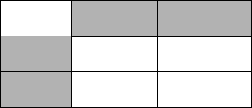
The next simplest case is when we have two properties, which we denote by E and C for
reasons to be explained shortly. This gives us a partition of the whole population into four
subpopulations:
E E
c
C
CE CE
c
C
c
C
c
E C
c
E
c
Here CE denotes those that have both properties, whereas, for example, CE
c
denotes those
that have property C but not property E.
The purpose of this partition into subpopulation is that we want to see if there is some
relationship between the two properties. In such a case, E is some kind of exposure, whereas
C is some kind of outcome/response. C stands for case and refers to individuals with the
particular response. To make the discussion more concrete we may think of the exposure
(E) as smoking and the response (C) as lung cancer. This particular relationship is of some
historical importance in epidemiology (see Box 2.3).
A cross-sectional study is a study in which we sample from the whole population. This
gives us estimates of all the probabilities for the four subgroups. Such studies are therefore
sometimes called prevalence studies. In some cases cross-sectional studies can contain data
on more or less complete populations, such as studies on birth registrations in Sweden or data
collected by the Centers for Disease Control in the US. (Actually, we never study the whole
population in biostatistics, because we always want to generalize to future events. We carry
out studies so that we can take action and change the future.)
In order to show a relation between the exposure and the outcome, recall that the condi-
tional probability P (C|E) denotes the size of the CE group within the E group. If we have
that P(C |E) >P(C |E
c
), the risk for the outcome is larger if a subject is exposed than if
he is not exposed; the risk for lung cancer is larger for a smoker than for a non-smoker. The
two events are independent if the risk of the outcome is the same in the exposed and in the
non-exposed population.
However, an association does not prove that smoking causes lung cancer. The smokers
may differ from the non-smokers in other, non-measured (or even non-measurable) respects
that are the actual cause of, or at least contribute to, the difference. It may be that smokers are
mainly people with a certain lifestyle, a lifestyle which also contains some other factor that is
the true cause of lung cancer. Other factors than the one under study that affect the outcome
are called confounders. In order to imply a cause–effect relationship we need to adjust for
such confounders in some way.
Example 2.1 It is an accepted fact, as will be further discussed in Example 2.2 below, that
the risk of bearing a child with Down’s syndrome increases with the age of the mother at the
time of pregnancy. It follows that if we have studied the occurrence of Down’s syndrome and
relate it to the parity (the number of live-born children the woman has delivered including
this one), we expect to find an association. Not because parity in itself matters, but because
mothers in general are older when they have their fourth child, as compared to when they
have their first.

OBSERVATIONAL STUDIES AND CONFOUNDERS 35
Box 2.3 Doll, Hill and the association between smoking and lung cancer
Smoking became the dominant mode of consuming tobacco world-wide in the early
twentieth century. Before this death due to lung cancer was rare, but an increase
prompted a number of case–control studies to look for potential explanations, including
the role played by tobacco smoking. Early studies were performed in Germany during
the Second World War, with results that were largely ignored, partly because of the
close relationship between German doctors in general and the Nazi party. So when
the British Medical Research Council organized a conference in 1947 to discuss the
reason for the increased mortality in lung cancer, it was other data that led Richard
Doll and Bradford Hill to design a case–control study to investigate its association
with smoking.
Their results were published in 1950. They had sampled cases of lung cancer from
four British hospitals, and used as controls patients who had been admitted to these
hospitals for other reasons. Their data for men only were as follows:
Smoker Non-smoker
Case 647 2
Control 622 27
Thus amounts to an estimated odds ratio of 14.0 with 95% confidence interval
(4.2, 87.3). The authors took care to exclude alternative explanations for the finding,
and drew the conclusion that smoking is an important factor for lung cancer.
Skeptics, usually backed by the tobacco industry, argued (correctly) for many years
that this type of study cannot prove causation, but to design a proper double-blind,
randomized study to prove beyond all reasonable doubt the cause–effect relation is out
of the question, for obvious practical and ethical reasons.
However, Doll and Hill constructed a prospective cohort study that decided the
argument (more or less) – the British Doctors Study. In October 1951 the researchers
wrote to all registered male physicians (actually to all physicians, 59 600 in total,
but women were few and usually ignored) in the UK and asked them to fill in
a simple questionnaire, which included smoking habits. Two thirds of doctors
responded. This study was published a few years later, and showed that not only
lung cancer but also, for example, myocardial infarction and respiratory disease
occurred markedly more often in smokers than in non-smokers. (Similar results
were obtained about the same time in the US in a large study sponsored by the
American Cancer Society.) Since then follow-up reports, published every 10 years,
have added more information on and details of this relationship. Though not formally
proof for a smoking–lung cancer causality, to most people this study is the final
decisive argument.
Similarly, we may obtain an association between the risk of Down’s syndrome and the
consumption of sedatives during pregnancy from which we may conclude that taking sedatives
is a risk factor in itself, when the underlying reason is that more sedatives are used by older
women, and therefore older mothers.
36 OBSERVATIONAL STUDIES AND THE NEED FOR CLINICAL TRIALS
1000
1500
2000
Pairs of breeding storks
1980197519701965
Ye a r
0.5
0.6
0.7
0.8
0.9
1
Millions of newborn babies
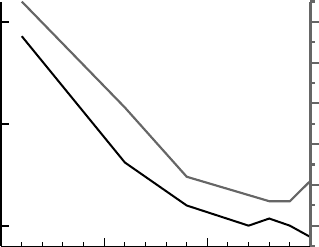
Figure 2.1 This illustration of the disconnect between covariation and causality was pub-
lished in Nature in April 1988 (page 495). The article consisted more or less of only a graph
similar to the one above, accompanied by the text ‘There is concern in West Germany over the
falling birth rate. The accompanying graph might suggest a solution that every child knows
makes sense.’
In a cross-sectional study the only way we can handle confounders is to build them into
a statistical model when we make the statistical analysis. But that may not capture the whole
story, and it can never account for unknown confounders. It is therefore not necessarily valid
to draw the conclusion that the exposure in question is a risk factor for the outcome if a
relationship is found.
An alternative study design is to choose a sample of exposed individuals and another
sample of non-exposed individuals and follow them for some time to see if they exhibit the
response of interest. Such a study is called a prospective cohort study, but it can also be
performed retrospectively. What matters is that two groups are defined, one exposed and one
non-exposed. If we only collect the two groups from what is essentially a cross-sectional
study, we have gained nothing. Here, however, we have the option of being careful in our
construction of the groups. We can, for example, match individuals in the two groups for
known confounders. This may be a step in the right direction, but adjustment for known
confounders does not necessarily adjust for unknown confounders.
A quicker way to address the particular question if there is an increased risk of lung
cancer in smokers, is to do a case–control study. This means that we first identify a sample
of cases and then identify a sample of controls (with no lung cancer). Here we can match the
controls with respect to key prognostic factors for the effect (i.e., confounders), such as age
and sex, but otherwise select them at random from the appropriate population. Such a study
is by necessity retrospective, since the effect must already have happened. By matching we
hope to eliminate the effect of some known confounders from the analysis, getting us one step
closer to a cause–effect relationship. Other known factors we can try to control for by building
them into the statistical analysis appropriately. But again, unknown confounders cannot be
eliminated in this way.
Sometimes effects are first identified in rather small case–control studies, as with the
lung cancer example. In order to obtain more conclusive evidence, there may then be a need
to perform larger, controlled studies. When this is done the effects seen in the case–control

OBSERVATIONAL STUDIES AND CONFOUNDERS 37
Box 2.4 Hormones and heart disease in women: a confounder problem
Hormone replacement therapy (HRT) is given to women around the menopause in an
attempt to lessen the discomfort, in particular hot flushes, that is commonly experienced
and which is caused by a decline in circulating sex hormones, mainly estrogen and
progesterone.
During the 1980s a significant number of observational studies seemed to indicate
a link between HRT and a reduction in the incidence of coronary heart disease (CHD)
in women. In one review of 31 studies, 25 found a numerical benefit of HRT, of which
12 were ‘statistically significant’, and a meta-analysis indicated a risk reduction of
about a 50%. Credible mechanisms were advanced to explain why this might be, and a
consensus arose that HRT was protective against CHD. This observation was picked up
by the Women’s Health Initiative (WHI), which focuses on defining the risks and benefits
of strategies that could potentially reduce the incidence of diseases in postmenopausal
women. In 1991–92 the WHI designed a double-blind, placebo-controlled clinical trial
in order to get conclusive evidence.
In total 16 608 US women were randomized and allocated evenly between an
estrogen-plus-progesterone and a matching placebo group, with subjects planned to
be followed for 8.5 years. However, a safety committee stopped the study after an
average follow-up period of 5.2 years, because there were indications of a negative
risk–benefit ratio for the patient. The data were inspected, and although there was no
evidence of an effect on all-cause mortality, the relative risk (hazard ratio) for CHD was
estimated to 1.29 – a 29% increase, instead of a decrease.
Subsequent analysis has shown that the group of women opting for HRT were
predominantly from higher socio-economic groups which had, on average, better diet
and exercise habits. The studies had falsely attributed the benefits of these factors to the
HRT itself. For other health outcomes, such as breast cancer, colon cancer, hip fracture,
and stroke, results from observational studies were similar to those of the WHI study,
suggesting that if confounding explains the apparent protective effect of HRT against
CHD, the associations with these other outcomes were not similarly confounded.
studies are not always confirmed, possibly because there was some important confounder
missed in the original studies. Box 2.4 outlines one such story, about hormone replacement
therapy and heart disease in women. To demonstrate a cause–effect relationship by these types
of studies in itself is impossible; one needs to build the story in conjunction with other data.
In summary, we have three main types of observational studies:
1. The cross-sectional study, where we sample from the whole population. This study
design allows us to estimate all probabilities in the 2 × 2 table and therefore also the
four conditional probabilities P(C|E),P(C|E
c
),P(E|C),P(E|C
c
).
2. The cohort study, which can estimate P(C|E) and P(C|E
c
). This study type does not
allow the estimation of the probabilities P(E|C)orP(E|C
c
).
3. The retrospective case–control study, which can estimate the probabilities P(E|C) and
P(E|C
c
), but not P(C|E)orP(C|E
c
).