
Lopes H.S., Cruz L.M. (eds.) Computational Biology and Applied Bioinformatics
Подождите немного. Документ загружается.


Synthetic Biology & Bioinformatics Prospects in the Cancer Arena
167
Circuit design and simulation
Biojade http://web.mit.edu/jagoler/www/biojade/
Tinkercell http://www.tinkercell.com/Home
Asmparts http://soft.synth-bio.org/asmparts.html
ProMoT http://www.mpimagdeburg.mpg.de/projects/promot
GenoCAD http://www.genocad.org/genocad/
GEC http://research.microsoft.com/gec
TABASCO http://openwetware.org/wiki/TABASCO
Circuit optimization
Genetdes http://soft.synth-bio.org/genetdes.html
RoVerGeNe http://iasi.bu.edu/~batt/rovergene/rovergene.htm
DNA and RNA design
Gene Designer https://www.dna20.com/index.php?pageID=220
GeneDesign http://www.genedesign.org/
UNAFold http://www.bioinfo.rpi.edu/applications/hybrid/download.php
Vienna RNA package http://www.tbi.univie.ac.at/~ivo/RNA/
Zinc Finger Tools http://www.scripps.edu/mb/barbas/zfdesign/zfdesignhome.php
Protein Design
Rosetta http://www.rosettacommons.org/main.html
RAPTOR http://www.bioinformaticssolutions.com/products/raptor/index.
php
PFP http://dragon.bio.purdue.edu/pfp/
Autodock 4.2 http://autodock.scripps.edu/
HEX 5.1 http://webloria.loria.fr/~ritchied/hex/
Integrated workflows
SynBioSS http://synbioss.sourceforge.net/
Clotho http://biocad-server.eecs.berkeley.edu/wiki/index.php/Tools
Biskit http://biskit.sf.net/
Table 3. Computational design tools for synthetic biology (adapted from Marchisio &
Stelling, 2009; Matsuoka et al., 2009; and Prunick & Weiss, 2009)
Biojade was one of the first tools being reported for circuit design (Goler, 2004). It provides
connections to both parts databases and simulation environments, but it considers only one
kind of signal carrier (RNA polymerases). It can invoke the simulator TABASCO (Kosuri et
al., 2007), thus enabling genome scale simulations at single base-pair resolution.
CellDesigner (Funahashi et al., 2003) has similar capabilities for graphical circuit
composition. However, parts modularity and consequently circuit representation do not
appear detailed enough. Another tool for which parts communicate only by means of PoPS,
but not restricted to a single mathematical framework, is the Tinkercell. On the contrary, in
Asmparts (Rodrigo et al., 2007a) the circuit design is less straightforward and intuitive
because the tool lacks a Graphic User Interface. Nevertheless, each part exists as an
independent SBML module and the model kinetics for transcription and translation permit
to limit the number of parameters necessary for a qualitative system description. Marchisio
and Stelling (2008) developed a new framework for the design of synthetic circuits where

Computational Biology and Applied Bioinformatics
168
each part is modeled independently following the ODE formalism. This results in a set of
composable parts that communicate by fluxes of signal carriers, whose overall amount is
constantly updated inside their corresponding pools. The model also considers transcription
factors, chemicals and small RNAs as signal carriers. Pools are placed among parts and
devices: they store free signal carriers and distribute them to the whole circuit. Hence,
polymerases and ribosomes have a finite amount; this permits to estimate circuit scalability
with respect to the number of parts. Mass action kinetics is fully employed and no
approximations are required to depict the interactions of signal carriers with DNA and
mRNA. The authors implemented the corresponding models into ProMoT (Process
Modeling Tool), software for the object-oriented and modular composition of models for
dynamic processes (Mirschel et al., 2009). GenoCAD (Czar et al., 2009) and GEC (Pedersen &
Phillips, 2009) introduce the notions of a grammar and of a programming language for
genetic circuit design, respectively. These tools use a set of rules to check the correct
composition of standard parts. Relying on libraries of standard parts that are not necessarily
taken from the Registry of Standard Biological Parts, these programs can translate a circuit
design into a complete DNA sequence. The two tools differ in capabilities and possible
connectivity to other tools.
The ultimate goal of designing a genetic circuit is that it works, i.e. that it performs a given
function. For that purpose, optimization cycles to establish an appropriate structure and a
good set of kinetic parameters values are required. These optimization problems are
extremely complex since they involve the selection of adequate parts and appropriate
continuous parameter values. Stochastic optimization methods (e.g. evolutionary
algorithms) attempt to find good solutions by biased random search. They have the
potential for finding globally optimal solutions, but optimization is computationally
expensive. On the other hand, deterministic methods (e.g. gradient descent) are local search
methods, with less computational cost, but at the expense of missing good solutions.
The optimization problem can be tackled by tools such as Genetdes (Rodrigo et al., 2007b)
and OptCircuit (Dasika & Maranas, 2008). They rely on different parts characterizations and
optimization algorithms. Genetdes uses a stochastic method termed “Simulated Annealing”
(Kirkpatrick et al., 1983), which produces a single solution starting from a random circuit
configuration. As a drawback, the algorithm is more likely to get stuck in a local minimum
than an evolutionary algorithm. OptCircuit, on the contrary, treats the circuit design
problem with a deterministic method (Bansal et al., 2003), implementing a procedure
towards a “local’ optimal solution. Each of these optimization algorithms requires a very
simplified model for gene dynamics where, for instance, transcription and translation are
treated as a single step process. Moreover, the current methods can cope only with rather
small circuits. Another tool that has been described by Batt and co-workers (2007),
RoVerGeNe, addresses the problem of parameter estimation more specifically. This tool
permits to tune the performance and to estimate the robustness of a synthetic network with
a known behavior and for which the topology does not require further improvement.
Detailed design of synthetic parts that reproduce the estimated circuit kinetics and
dynamics is a complex task. It requires computational tools in order to achieve error free
solutions in a reasonable amount of time. Other than the placement/removal of restriction
sites and the insertion/deletion of longer motifs, mutations of single nucleotides may be
necessary to tune part characteristics (e.g. promoter strength and affinity toward regulatory
factors). Gene Designer (Villalobos et al., 2006) is a complete tool for building artificial DNA

Synthetic Biology & Bioinformatics Prospects in the Cancer Arena
169
segments and codon usage optimization. GeneDesign (Richardson et al., 2006) is another
tool to design long synthetic DNA sequences. Many other tools are available for specific
analysis of the DNA and RNA circuit components. The package UNAFold (Markham &
Zuker, 2008) predicts the secondary structure of nucleic acid sequences to simulate their
hybridizations and to estimate their melting temperature according to physical
considerations. A more accurate analysis of the secondary structure of ribonucleic acids can
be performed through the Vienna RNA package (Hofacker, 2003). Binding sites along a
DNA chain can be located using Zinc Finger Tools (Mandell & Barbas, 2006). These tools
allows one to search DNA sequences for target sites of particular zinc finger proteins
(Kaiser, 2005), whose structure and composition can also be arranged. Thus, gene control by
a class of proteins with either regulation or nuclease activity can be improved. Furthermore,
tools that enable promoter predictions and primers design are available, such as BDGP and
Primer3. Another relevant task in synthetic biology is the design and engineering of new
proteins. Many tools have been proposed for structure prediction, homology modeling,
function prediction, docking simulations and DNA-protein interactions evaluation.
Examples include the Rosetta package (Simons et al., 1999); RAPTOR (Xu et al., 2003); PFP
(Hawkins et al., 2006); Autodock 4.2 (Morris et al., 2009) and Hex 5.1 (Ritchie, 2008).
Further advance in computational synthetic biology will result from tools that combine and
integrate most of the tasks discussed, starting with the choice and assembly of biological
parts to the compilation and modification of the corresponding DNA sequences. Examples
of such tools comprise SynBioSS (Hill et al., 2008); Clotho and Biskit (Grunberg et al., 2007).
Critical elements are still lacking, such as tools for automatic information integration
(literature and databases), and tools that re-use standardized model entities for optimal
circuit design. Overall, providing an extended and integrated information technology
infrastructure will be crucial for the development of the synthetic biology field.
4. A roadmap from design to production of new drugs
Biological systems are dynamic, that is they mutate, evolve and are subject to noise.
Currently, the full knowledge on how these systems work is still limited. As previously
discussed, synthetic biology approaches involve breaking down organisms into a hierarchy
of composable parts, which is useful for conceptualization purposes. Reprogramming a cell
involves the creation of synthetic biological components by adding, removing, or changing
genes and proteins. Nevertheless, it is important to notice that assembly of parts largely
depends on the cellular context (the so-called chassis), thus restraining the abstraction of
biological components into devices and modules, and their use in design and engineering of
new organisms or functions.
One level of abstraction from the DNA synthesis and manipulation is parts production,
which optimization can be accomplished through either rational design or directed
evolution. Applying rational design to parts alteration or creation is advantageous, in that it
cannot only generate products with a defined function, but it can also produce biological
insights into how the designed function comes about. However, it requires prior structural
knowledge of the part, which is frequently unavailable. Directed evolution is an alternative
method that can effectively address this limitation. Many synthetic biology applications will
require parts for genetic circuits, cell–cell communication systems, and non-natural
metabolic pathways that cannot be found in Nature, simply because Nature is not in need of
them (Dougherty & Arnold, 2009). In essence, directed evolution begins with the generation

Computational Biology and Applied Bioinformatics
170
of a library containing many different DNA molecules, often by error-prone DNA
replication, DNA shuffling or combinatorial synthesis (Crameri et al., 1998). The library is
next subjected to high-throughput screening or selection methods that maintain a link
between genotype and phenotype in order to enrich the molecules that produce the desired
function. Directed evolution can also be applied at other levels of biological hierarchy, for
example to evolve entire gene circuits (Yokobayashi et al., 2002). Rational design and
directed evolution should not be viewed as opposing methods, but as alternate ways to
produce and optimize parts, each with their own unique strengths and weaknesses.
Directed evolution can complement this technique, by using mutagenesis and subsequent
screening for improved synthetic properties (Brustad & Arnold, 2010). In addition, methods
have been developed to incorporate unnatural amino acids in peptides and proteins
(Voloshchuk & Montclare, 2009). This will expand the toolbox of protein parts, and add
beneficial effects, such as increased in vivo stability, when incorporated in proteinaceous
therapeutics. Also, the development of de novo enzymes has seen a significant increase
lately. The principle of computational design uses the design of a model, capable of
stabilizing the transition state of a reaction. From there on, individual amino acids are
positioned around it to create a catalytic site that stabilizes the transition state. The mRNA
display technique resembles phage display and is a technique for the in vitro selection and
evolution of proteins. Translated proteins are associated with their mRNA via a puromycin
linkage. Selection occurs by binding to an immobilized substrate, after which a reverse
transcriptase step will reveal the cDNA and thus the nucleotide sequence (Golynskiy &
Seelig, 2010). If the selection step includes measurement of product formation from the
substrate, novel peptides with catalytic properties can be selected.
For the design, engineering, integration and testing of new synthetic gene networks, tools
and methods derived from experimental molecular biology must be used (for details see
section 2). Nevertheless, progress on these tools and methods is still not enough to
guarantee the complete success of the experiment. As a result, design of synthetic biological
systems has become an iterative process of modeling, construction, and experimental testing
that continues until a system achieves the desired behavior (Purnick & Weiss, 2009). The
process begins with the abstract design of devices, modules, or organisms, and is often
guided by mathematical models (Koide et al., 2009). Afterwards, the newly constructed
systems are tested experimentally. However, such initial attempts rarely yield fully
functional implementations due to incomplete biological information. Rational redesign
based on mathematical models improves system behavior in such situations (Koide et al.,
2009; Prather & Martin, 2008). Directed evolution is a complimentary approach, which can
yield novel and unexpected beneficial changes to the system (Yokobayashi et al., 2002).
These retooled systems are once again tested experimentally and the process is repeated as
needed. Many synthetic biological systems have been engineered successfully in this fashion
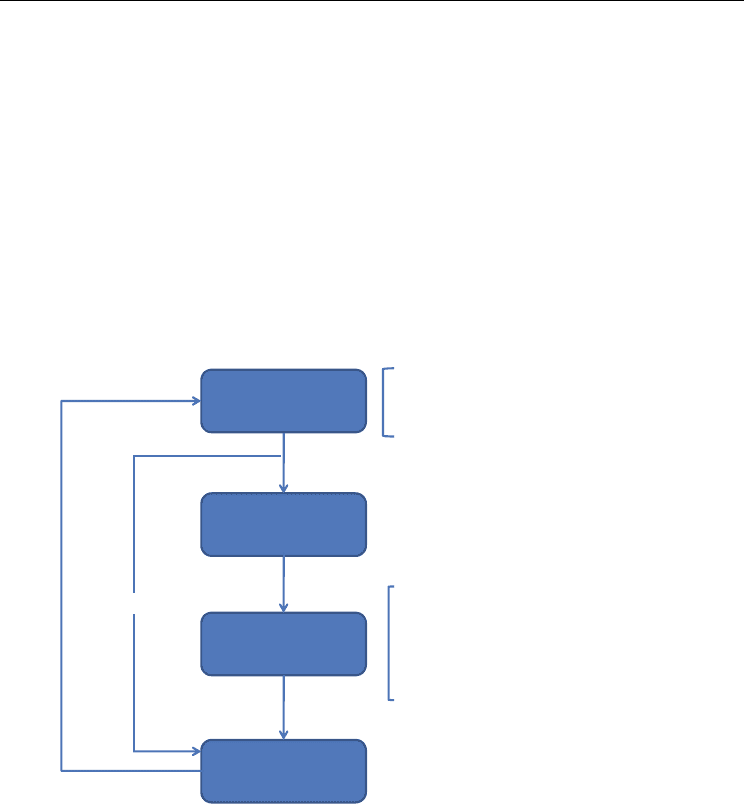
because the methodology is highly tolerant to uncertainty (Matsuoka et al., 2009). Figure 1
illustrates the above mentioned iterative approach used in synthetic biology.
Since its inception, metabolic engineering aims to optimize cellular metabolism for a
particular industrial process application through the use of directed genetic modifications
(Tyo et al., 2007). Metabolic engineering is often seen as a cyclic process (Nielsen, 2001),
where the cell factory is analyzed and an appropriate target is identified. This target is then
experimentally implemented and the resulting strain is characterized experimentally and, if
necessary, further analyses are conducted to identify novel targets. The application of
Synthetic Biology & Bioinformatics Prospects in the Cancer Arena
171
synthetic biology to metabolic engineering can potentially create a paradigm shift. Rather
than starting with the full complement of components in a wild-type organism and
piecewise modifying and streamlining its function, metabolic engineering can be attempted
from a bottom-up, parts-based approach to design by carefully and rationally specifying the
inclusion of each necessary component (McArthur IV & Fong, 2010). The importance of
rationally designing improved or new microbial cell factories for the production of drugs
has grown substantially since there is an increasing need for new or existing drugs at prices
that can be affordable for low-income countries. Large-scale re-engineering of a biological
circuit will require systems-level optimization that will come from a deep understanding of
operational relationships among all the constituent parts of a cell. The integrated framework
necessary for conducting such complex bioengineering requires the convergence of systems
and synthetic biology (Koide et al., 2009). In recent years, with advances in systems biology
(Kitano, 2002), there has been an increasing trend toward using mathematical and
computational tools for the in silico design of enhanced microbial strains (Rocha et al., 2010).
Fig. 1. The iterative synthetic biology approach to design a given biological circuit/system.
Current models in both synthetic and systems biology emphasize the relationship between
environmental influences and the responses of biological networks. Nevertheless, these
models operate at different scales, and to understand the new paradigm of rational systems
re-engineering, synthetic and systems biology fields must join forces (Koide et al., 2009).
Synthetic biology and bottom-up systems biology methods extract discrete, accurate,
quantitative, kinetic and mechanistic details of regulatory sub-circuits. The models
generated from these approaches provide an explicit mathematical foundation that can
ultimately be used in systems redesign and re-engineering. However, these approaches are
confounded by high dimensionality, non-linearity and poor prior knowledge of key
dynamic parameters (Fisher & Henzinger, 2007) when scaled to large systems.
MODEL FORMULATION
FROM MASS ACTION
KINETICS
SIMULATION
DYNAMIC PROPERTIES
EXPLOITATION
CIRCUIT CONSTRUCTION
EXPERIMENTAL
VALIDATION
CIRCUITS DEFINITION OR
IMPROVEMENT
CHARACTERIZATION
Kinetic model (ODE/SDE)
(experimental data; existing model
parameters)
In silico testing
(parameter space; dynamics)
Model organism (chassis)
•Platform (microscopy; flow cytometry; microfluidics)
•Read-out (phenotype; morphology; expression)
•Analysis (equilibrium; cellular context; genetic
background; environment)
•Circuit construction
re-engineer

Computational Biology and Applied Bioinformatics
172
Consequently, modular sub-network characterization is performed assuming that the
network is isolated from the rest of the host system. The top-down systems biology
approach is based on data from high-throughput experiments that list the complete set of
components within a system in a qualitative or semi-quantitative manner. Models of overall
systems are similarly qualitative, tending toward algorithmic descriptions of component
interactions. Such models are amenable to the experimental data used to develop them, but
usually sacrifice the finer kinetic and mechanistic details of the molecular components
involved (Price & Shmulevich, 2007). Bridging systems and synthetic biology approaches is
being actively discussed and several solutions have been suggested (Koide et al., 2009).
A typical synthetic biology project is the design and engineering of a new biosynthetic
pathway in a model organism (chassis). Generally, E. coli is the preferred chassis since it is
well-studied, easy to manipulate, and its reproduction in biological cultures is very handy.
Initially, relevant databases like Kegg and BioCyc (Table 2) can be consulted for identifying
all the possible metabolic routes that allow the production of a given drug from metabolites
that exist in native E. coli. Then, for each reaction, the species that are known to possess the
corresponding enzymes/genes must be identified. This step is relevant, since most often the
same enzyme exhibits different kinetic behavior among different species. Information on
sequences and kinetic parameters can be extracted from the above-mentioned sources,
relevant literature and also from Brenda and Expasy databases. Afterwards, the information
collected is used to build a family of dynamic models (Rocha et al., 2008, 2010) that enable
the simulation of possible combinations regarding pathway configuration and the origin of
the enzymes (associated with varying kinetic parameters). Optflux tool can be used for
simulations and metabolic engineering purposes (http://www.optflux.org/). Using the
same input (a fixed amount of precursor) it is possible to select the configuration that allows
obtaining higher drug yields. Furthermore, through the use of genome-scale stoichiometric
models coupled with the dynamic model it is possible to understand the likely limitations
regarding the availability of the possible precursors. In fact, if the precursor for the given
drug biosynthesis is a metabolic intermediate, possible limitations in its availability need to
be addressed in order to devise strategies to cope with it. Based on this information, the next
step involves the construction of the enzymatic reactions that will lead to the production of
the drug from a metabolic precursor in E. coli. The required enzymes are then synthesized
based on the gene sequences previously selected from the databases. The cloning strategy
may include using a single plasmid with two different promoters; using two different
plasmids, with different copy numbers and/or origins of replication; or ultimately
integrating it into the genome, in order to allow fine tuning of the expression of the various
enzymes necessary. Finally, a set of experiments using the engineered bacterium needs to be
performed to evaluate its functionality, side-product formation and/or accumulation,
production of intermediate metabolites and final product (desired drug). In the case of the
previously mentioned artemisinin production, DNA microarray analysis and targeted
metabolic profiling were used to optimize the synthetic pathway, reducing the accumulation
of toxic intermediates (Kizer et al., 2008). These types of methodologies enable the validation
of the drug production model and the design of strategies to further improve its production.
5. Novel strategies for cancer diagnosis and drug development
Cancer is a main issue for the modern society and according to the World Health
Organization it is within the top 10 of leading causes of death in middle- and high-income

Synthetic Biology & Bioinformatics Prospects in the Cancer Arena
173
countries. Several possibilities to further improve existing therapies and diagnostics, or to
develop novel alternatives that still have not been foreseen, can be drawn using synthetic
biology approaches. Promising future applications include the development of RNA-based
biosensors to produce a desired response in vivo or to be integrated in a cancer diagnosis
device; the design and engineering of bacteria that can be programmed to target a tumor
and release a therapeutic agent in situ; the use of virus as a tool for recognizing tumors or for
gene therapy; and the large scale production of complex chemotherapeutic agents, among
others.
5.1 RNA-based biosensors
Synthetic biology seeks for new biological devices and systems that regulate gene
expression and metabolite pathways. Many components of a living cell possess the ability to
carry genetic information, such as DNA, RNA, proteins, among others. RNA has a critical
role in several functions (genetic translation, protein synthesis, signal recognition of
particles) due to its functional versatility from genetic blueprint (e.g. mRNA, RNA virus
genomes. Its catalytic function as enzyme (e.g. ribozymes, rRNA) and regulator of gene
expression (e.g. miRNA, siRNA) makes it stand out among other biopolymers with a more
specialized scope (e.g. DNA, proteins) (Dawid et al., 2009). Therefore, non-coding RNA
molecules enable the formation of complex structures that can interact with DNA, other
RNA molecules, proteins and other small molecules (Isaacs et al., 2006).
Natural biological systems contain transcription factors and regulators, as well as several
RNA-based mechanisms for regulating gene expression (Saito & Inoue, 2009). A number of
studies have been conducted on the use of RNA components in the construction of synthetic
biologic devices (Topp & Gallivan, 2007; Win & Smolke, 2007). The interaction of RNA with
proteins, metabolites and other nucleic acids is affected by the relationship between
sequence, structure and function. This is what makes the RNA molecule so attractive and
malleable to engineering complex and programmable functions.
5.1.1 Riboswitches
One of the most promising elements are the riboswitches, genetic control elements that
allow small molecules to regulate gene expression. They are structured elements typically
found in the 5’-untranslated regions of mRNA that recognize small molecules and respond
by altering their three-dimensional structure. This, in turn, affects transcription elongation,
translation initiation, or other steps of the process that lead to protein production (Beisel &
Smolke, 2009; Winkler & Breaker, 2005). Biological cells can modulate gene expression in
response to physical and chemical variations in the environment allowing them to control
their metabolism and preventing the waste of energy expenditure or inappropriate
physiological responses (Garst & Batey, 2009). There are currently at least twenty classes of
riboswitches that recognize a wide range of ligands, including purine nucleobases (purine
riboswitch), amino acids (lysine riboswitch), vitamin cofactors (cobalamin riboswitch),
amino sugars, metal ions (mgtA riboswitch) and second messenger molecules (cyclic di-
GMP riboswitch) (Beisel & Smolke, 2009). Riboswitches are typically composed of two
distinct domains: a metabolite receptor known as the aptamer domain, and an expression
platform whose secondary structure signals the regulatory response. Embedded within the
aptamer domain is the switching sequence, a sequence shared between the aptamer domain
and the expression platform (Garst & Batey, 2009). The aptamer domain is part of the RNA

Computational Biology and Applied Bioinformatics
174
and forms precise three-dimensional structures. It is considered a structured nucleotide
pocket belonging to the riboswitch, in the 5´-UTR, which when bound regulates
downstream gene expression (Isaacs et al., 2006). Aptamers specifically recognize their
corresponding target molecule, the ligand, within the complex group of other metabolites,
with the appropriate affinity, such as dyes, biomarkers, proteins, peptides, aromatic small
molecules, antibiotics and other biomolecules. Both the nucleotide sequence and the
secondary structure of each aptamer remain highly conserved (Winkler & Breaker, 2005).
Therefore, aptamer domains are the operators of the riboswitches.
A strategy for finding new aptamer sequences is the use of SELEX (Systemic Evolution of
Ligands by Exponential enrichment method). SELEX is a combinatorial chemistry technique
for producing oligonucleotides of either single-stranded DNA or RNA that specifically bind
to one or more target ligands (Stoltenburg et al., 2007). The process begins with the synthesis
of a very large oligonucleotide library consisting of randomly generated sequences of fixed
length flanked by constant 5' and 3' ends that serve as primers. The sequences in the library
are exposed to the target ligand and those that do not bind the target are removed, usually
by affinity chromatography. The bound sequences are eluted and amplified by PCR to
prepare for subsequent rounds of selection in which the stringency of the elution conditions
is increased to identify the tightest-binding sequences (Stoltenburg et al., 2007). SELEX has
been used to evolve aptamers of extremely high binding affinity to a variety of target
ligands. Clinical uses of the technique are suggested by aptamers that bind tumor markers
(Ferreira et al., 2006). The aptamer sequence must then be placed near to the RBS of the
reporter gene, and inserted into E. coli (chassis), using a DNA carrier (i.e. plasmid), in order
to exert its regulatory function.
Synthetic riboswitches represent a powerful tool for the design of biological sensors that
can, for example, detect cancer cells, or the microenvironment of a tumor, and in the
presence of a given molecule perform a desired function, like the expression in situ of a
therapeutic agent. Several cancer biomarkers have been identified in the last decade;
therefore there are many opportunities of taking these compounds as templates to design
adequate riboswitches for their recognition. Alternatively, the engineering goal might be the
detection of some of these biomarkers in biological samples using biosensors with aptamers
as the biological recognition element, hence making it a less invasive approach. The
development of aptamer-based electrochemical biosensors has made the detection of small
and macromolecular analytes easier, faster, and more suited for early detection of protein
biomarkers (Hianik & Wang, 2009). Multi-sensor arrays that provide global information on
complex samples (e.g. biological samples) have deserved much interest recently. Coupling
an aptamer to these devices will increase its specificity and selectivity towards the selected
target(s). The selected target may be any serum biomarker that when detected in high
amounts in biological samples can be suggestive of tumor activity.
5.2 Bacteria as anti-cancer agents
Bacteria possess unique features that make them powerful candidates for treating cancer in
ways that are unattainable by conventional methods. The moderate success of conventional
methods, such as chemotherapy and radiation, is related to its toxicity to normal tissue and
inability to destroy all cancer cells. Many bacteria have been reported to specifically target
tumors, actively penetrate tissue, be easily detected and/or induce a controlled cytotoxicity.
The possibility of engineering interactions between programmed bacteria and mammalian

Synthetic Biology & Bioinformatics Prospects in the Cancer Arena
175
cells opens unforeseen progresses in the medical field. Emerging applications include the
design of bacteria to produce therapeutic agents (in vitro or in vivo) and the use of live
bacteria as targeted delivery systems (Forbes, 2010; Pawelek et al., 2003). An impressive
example of these applications is described by Anderson and co-workers (2006). The authors
have successfully engineered E. coli harboring designed plasmids to invade cancer cells in
an environmentally controlled way, namely in a density-dependent manner under
anaerobic growth conditions and arabinose induction. Plasmids were built containing the
inv gene from Yersinia pseudotuberculosis under control of the Lux promoter, the hypoxia-
responsive fdhF promoter, and the arabinose-inducible araBAD promoter. This is significant
because the tumor environment is often hypoxic and allows for high bacterial cell densities
due to depressed immune function in the tumor. Therefore, this work demonstrated, as a
“proof of concept”, that one can potentially use engineered bacteria to target diseased cells
without significantly impacting healthy cells.
Ideally, an engineered bacterium for cancer therapy would specifically target tumors
enabling the use of more toxic molecules without systemic effects; be self-propelled enabling
its penetration into tumor regions that are inaccessible to passive therapies; be responsive to
external signals enabling the precise control of location and timing of cytotoxicity; be able to
sense the local environment allowing the development of responsive therapies that can
make decisions about where and when drugs are administered; and be externally detectable,
thus providing information about the state of the tumor, the success of localization and the
efficacy of treatment (Forbes, 2010). Indeed some of these features naturally exist in some
bacteria, e.g. many genera of bacteria have been shown to preferentially accumulate in
tumors, including Salmonella, Escherichia, Clostridium and Bifidobacterium. Moreover, bacteria
have motility (flagella) that enable tissue penetration and chemotactic receptors that direct
chemotaxis towards molecular signals in the tumor microenvironment. Selective
cytotoxicity can be engineered by transfection with genes for therapeutic molecules,
including toxins, cytokines, tumor antigens and apoptosis-inducing factors. External control
can be achieved using gene promoter strategies that respond to small molecules, heat or
radiation. Bacteria can be detected using light, magnetic resonance imaging and positron
emission tomography. At last, genetic manipulation of bacteria is easy, thus enabling the
development of treatment strategies, such as expression of anti-tumor proteins and
including vectors to infect cancer cells (Pawelek et al., 2003). To date, many different
bacterial strategies have been implemented in animal models (e.g. Salmonella has been tested
for breast, colon, hepatocellular, melanoma, neuroblastoma, pancreatic and prostate cancer),
and also some human trials (e.g. C. butyricum M-55 has been tested for squamous cell
carcinoma, metastic, malignant neuroma and melanoma) have been carried out (Forbes,
2010).
Ultrasound is one of the techniques often used to treat solid tumors (e.g. breast cancer);
however, this technique is not always successful, as sometimes it just heats the tumor
without destroying it. Therefore, we are currently engineering the heat shock response
machinery from E. coli to trigger the release of a therapeutic agent in situ concurrent with
ultrasound treatment. For that purpose, several modeling and engineering steps are being
implemented. The strategy being pursued is particularly useful for drugs that require in situ
synthesis be
cause of a poor bioavailability, thereby avoiding repetitive oral doses to achieve
sufficient concentration inside the cells. The use of live bacteria for therapeutic purposes
naturally poses some issues (Pawelek et al., 2003), but currently the goal is to achieve the

Computational Biology and Applied Bioinformatics
176
proof-of-concept that an engineered system will enable the production of a cancer-fighting
drug triggered by a temperature increase.
5.3 Alternative nanosized drug carriers
The design of novel tumor targeted multifunctional particles is another extremely
interesting and innovative approach that makes use of the synthetic biology principles. The
modest success of the traditional strategies for cancer treatment has driven research towards
the development of new approaches underpinned by mechanistic understanding of cancer
progression and targeted delivery of rational combination therapy.
5.3.1 Viral drug delivery systems
The use of viruses, in the form of vaccines, has been common practice ever since its first use
to combat smallpox. Recently, genetic engineering has enlarged the applications of viruses,
since it allows the removal of pathogen genes encoding virulence factors that are present in
the virus coat. As a result, it can elicit immunity without causing serious health effects in
humans. In the light of gene therapy, the use of virus-based entities hold a promising future,
since by nature, they are being delivered to human target cells, and can be easily
manipulated genetically. As such, they may be applied to target and lyse specific cancer
cells, delivering therapeutics in situ. Bacteriophages are viruses that specifically and only
infect bacteria. They have gained more attention the last decades, mainly in phage display
technology. In anti-cancer therapy, this technique has contributed enormously to the
identification of new tumor-targeting molecules (Brown, 2010). In vivo phage display
technology identified a peptide exhibiting high affinity to hepatocellular carcinoma cells
(Du et al., 2010). In a different approach, a phage display-selected ligand targeting breast
cancer cells was incorporated in liposomes containing siRNA. The delivered liposomes were
shown to significantly downregulate the PRDM14 gene in the MCF7 target cells (Bedi et al.,
2011). In addition, the option to directly use bacteriophages as drug-delivery platforms has
been explored. A recent study described the use of genetically modified phages able to
target tumor cell receptors via specific antibodies resulting in endocytosis, intracellular
degradation, and drug release (Bar et al., 2008). Using phage display a variety of cancer cell
binding and internalizing ligands have been selected (Gao et al., 2003). Bacteriophages can
also be applied to establish an immune response. Eriksson and co-workers (2009) showed
that a tumor-specific M13 bacteriophage induced regression of melanoma target cells,
involving tumor-associated macrophages and being Toll-like receptor-dependent. Finally,
marker molecules or drugs can be chemically conjugated onto the phage surface, making it a
versatile imaging or therapy vehicle that may reduce costs and improve life quality
(Steinmetz, 2010). An M13 phage containing cancer cell-targeting motifs on the surface was
chemically modified to conjugate with fluorescent molecules, resulting in both binding and
imaging of human KB cancer cells (Li et al., 2010). Besides being genetically part of the virus,
anti-tumor compounds can also be covalently linked to it. We are currently, by phage
display, selecting phages that adhere and penetrate tumor cells. Following this selection, we
will chemically conjugate anti-cancer compounds (e.g. doxorubicin) to bacteriophages,
equipped with the cancer cell-recognizing peptides on the phage surface. We anticipate that
such a multifunctional nanoparticle, targeted to the tumor using a tumor “homing” peptide,
will enable a significant improvement over existing anti-cancer approaches.