
Raven P.H., Johnson G.B., Mason K.A. Biology (Ninth Edition)
Подождите немного. Документ загружается.


Apago PDF Enhancer
CHAPTER 21
LEARNING OUTCOME QUESTIONS
21.1 No. If eating hard seeds caused individuals to develop bigger beaks, then
the phenotype is a result of the environment, not the genotype. Natural selection
can only act upon those traits with a genetic component. Just as a body builder
develops large muscles in his or her lifetime but does not have well-muscled
offspring, birds that develop large beaks in their lifetime will not necessarily have
offspring with larger beaks.
21.2 An experimental design that would test this hypothesis could be as simple
as producing enclosures for the moths and placing equal numbers of both morphs
into each enclosure and then presenting predatory birds to each enclosure. One
enclosure could be used as a control. One enclosure would have a dark background
while the other would have a light background. After several generations, measur-
ing the phenotype frequency of the moths should reveal very clear trends—the
enclosure with the dark background should consist of mostly dark moths, the
enclosure with the light background mostly light moths, and the neutral enclosure
should have an approximately equal ratio of light to dark moths.
21.3 If the trait that is being arti cially selected for is due to the environment
rather than underlying genotype, then the individuals selected that have that trait
will not necessarily pass it on to their offspring.
21.4 The major selective agent in most cases of natural selection is the environ-
ment; thus, climatic changes, major continental shifts, and other major geological
changes would result in dramatic changes in selective pressure; during these times
the rate and direction of evolutionary change would likely be affected in many, if
not most, species. On the other hand, during periods of relative environmental
stability, the selective pressure does not change and we would not expect to see
many major evolutionary events.
21.5 The only other explanation that could be used to explain homologous
characteristics and vestigial structures could be mutation. Especially in the case of
vestigial structures, if one resulted from a mutation that had pleiotropic effects, and
the other effects of the genetic anomaly were selected for, then the vestigial struc-
ture would also be selected for, much like a rider on a Congressional Bill.
21.6 Convergence occurs when distantly related species experience similar
environmental pressures and respond, through natural selection, in similar ways.
For example, penguins (birds), sharks ( sh), sea lions (mammals) and even the
extinct ichthyosaur (reptile) all exhibit the fusiform shape. Each of these animals
has similar environmental pressures in that they are all aquatic predators and need
to be able to move swiftly and agilely through the water. Clearly their most recent
common ancestor does not have the fusiform body shape; thus the similarities are
due to convergence (environment) rather than homology (ancestry). However,
similar environmental pressures will not always result in convergent evolution.
Most importantly, in order for a trait to appear for the rst time in a lineage, there
must have been a mutation; however, mutations are rare events, and even rarer is
a bene cial mutation. There may also be other species that already occupy a par-
ticular niche; in these cases it would be unlikely that natural selection would favor
traits that would increase the competition between two species.
21.7 It is really neither a hypothesis nor a theory. Theories are the building
blocks of scienti c knowledge, they have withstood the most rigorous testing and
review. Hypotheses, on the other hand, are tentative answers to a question. Unfor-
tunately, a good hypothesis must be testable and falsi able, and stating that humans
came from Mars is not realistically testable or falsi able; thus, it is, in the realm of
biological science, a nonsense statement.
INQUIRY QUESTIONS
Page 419 The gure demonstrates that the beak depth of offspring can be
predicted by the average beak depth of the parent’s bills. Thus, one would expect
the offspring to have the same beak depth if their parents’ mean beak depth is the
same. This is only correct if males and females do not differ in beak depth. In spe-
cies for which the sexes differ (such as height in humans), then one would need to
know both the depth and the sex of the parents and the calculation would be more
complicated.
Page 421 Such a parallel trend would suggest that similar processes are operat-
ing in both localities. Thus, one would conduct a study to identify similarities. In
this case, both areas have experienced coincident reductions in air pollution, which
most likely is the cause of the parallel evolutionary trends.
Page 422 Assuming that small and large individuals would breed with each
other, then middle-sized offspring would still be born (the result of matings
between small and large ies). Nonetheless, there would also be many small and
large individuals (the result of small × small and large × large matings). Thus, the
frequency distribution of body sizes would be much broader than the distributions
in the gures.
Page 426 This evolutionary decrease could occur for many reasons. For
example, maybe Nannippus adapted to forested habitats and thus selection favored
smaller size, as it had in the ancestral horses, before horses moved into open, grass-
land habitats. Another possibility is that there were many species of horses present
at that time, and different sized horses ate different types of food. By evolving small
size, Nannippus may have been able to eat a type of food not eaten by the others.
UNDERSTAND
1. d 2. b 3. b 4. a 5. b 6. b 7. b
APPLY
1. a 2. d 3. d
SYNTHESIZE
1. Brie y, they are:
A. There must be variation among individuals within a population.
B. Variation among individuals must be related to differences among
individuals in their success in producing offspring over their lifetime.
C. Variation related to lifetime reproductive success must have a genetic
(heritable) basis.
2. Figure 21.2a shows in an indirect way that beak depth varies from year to
year. Presumably this is a function of variation among individuals in beak size.
However, the most important point of 21.2a is that it shows the result of
selection. That is, if the three conditions hold, we might expect to see average
beak depth change accordingly as precipitation varies from year to year.
Figure 21.2b is more directly relevant to the conditions noted for natural
selection to occur. The gure shows that beak size varies among individuals,
and that it tends to be inherited.
3. The relationship would be given by a cloud of points with no obvious linear
trend in any direction different from a zero slope. In other words, it would be
a horizontal line through an approximately circular cloud of points. Such data
would suggest that whether a parent(s) has a large or small beak has no
bearing on the beak size of its offspring.
4. Assuming that small and large individuals would breed with each other, then
middle-sized offspring would still be born (the result of matings between
small and large ies). Nonetheless, there would also be many small and large
individuals (the result of small × small and large × large matings). Thus, the
frequency distribution of body sizes would be much broader than the
distributions in the gures. In some experiments, reproductive isolation
evolves in which small and large individuals evolve mating preferences that
prevent them from interbreeding, leading to the production of two
different-sized species. This would be a laboratory example of sympatric
speciation. Most studies, however, have failed to produce such reproductive
isolation; rather, a single population remains through time with great
variation.
5. The evolution of horses was not a linear event; instead it occurred over
55 million years and included descendents of 34 different genera. By
examining the fossil record, one can see that horse evolution did not occur
gradually and steadily; instead several major evolutionary events occurred in
response to drastic changes in environmental pressures. The fossil record of
horse evolution is remarkably detailed, and shows that while there have been
trends toward certain characteristics, change has not been uid and constant
over time, nor has it been entirely consistent across all of the horse lineages.
For example, some lineages experienced rapid increases in body size over
relatively short periods of geological time, while other lineages actually saw
decreases in body size.
CHAPTER 22
LEARNING OUTCOME QUESTIONS
22.1 The Biological Species Concept states that different species are capable of
mating and producing viable, fertile offspring. If sympatric species are unable to
do so, they will remain reproductively isolated and thus distinct species. Along the
same lines, gene ow between populations of the same species allow for homogeni-
zation of the two populations such that they remain the same species.
22.2 In order for reinforcement to occur and complete the process of speciation,
two populations must have some reproductive barriers in place prior to sympatry.
In the absence of this initial reproductive isolation we would expect rapid exchange
A-12
appendix A
rav32223_appx_A1-A34.indd A-12rav32223_appx_A1-A34.indd A-12 11/30/09 6:36:00 PM11/30/09 6:36:00 PM

Apago PDF Enhancer
of genes and thus homogenization resulting from gene ow. On the other hand, if
two populations are already somewhat reproductively isolated (due to hybrid in-
fertility or a prezygotic barrier such as behavioral isolation), then we would expect
natural selection to continue improving the tness of the non-hybrid offspring,
eventually resulting in speciation.
22.3 Reproductive isolation that occurs due to different environments is a factor
of natural selection; the environmental pressure favors individuals best suited for
that environment. As isolated populations continue to develop, they accumulate
differences due to natural selection that eventually will result in two populations so
different that they are reproductively isolated. Reinforcement, on the other hand,
is a process that speci cally relates to reproductive isolation. It occurs when natural
selection favors non-hybrids because of hybrid infertility or are simply less t than
their parents. In this way, populations that may have been only partly reproduc-
tively isolated become completely reproductively isolated.
22.4 Polyploidy occurs instantaneously; in a single generation, the offspring of
two different parental species may be reproductively isolated; however, if it is ca-
pable of self-fertilization then it is, according to the Biological Species Concept, a
new species. Disruptive selection, on the other hand, requires many generations as
reproductive barriers between the two populations must evolve and be reinforced
before the two would be considered separate species.
22.5 In the archipelago model, adaptive radiation occurs as each individual island
population adapts to its different environmental pressures. In sympatric speciation
resulting from disruptive selection, on the other hand, traits are selected for that
are not necessarily best suited for a novel environment but are best able to reduce
competition with other individuals. It is in the latter scenario wherein adaptive
radiation due to a key innovation is most likely to occur.
22.6 It depends on what species concept you are using to de ne a given spe-
cies. Certainly evolutionary change can be punctuated, but in times of changing
environmental pressures we would expect adaptation to occur. The adaptations,
however, do not necessarily have to lead to the splitting of a species—instead one
species could simply change in accordance with the environmental changes to
which it is subjected. This would be an example of non-branching, as opposed to
branching, evolution; but again, whether the end-result organism is a different
species from its ancestral organism that preceded the punctuated event is subject to
interpretation.
22.7 Unlike the previous major mass extinction events, the current mass extinc-
tion is largely attributable to human activity, including but not limited to habitat
degradation, pollution, and hunting.
INQUIRY QUESTIONS
Page 447 Speciation can occur under allopatric conditions because isolated
populations are more likely to diverge over time due to drift or selection. Adaptive
radiation tends to occur in places inhabited by only a few other species or where
many resources in a habitat are unused. Different environmental conditions typical
of adaptive radiation tend to favor certain traits within a population. Allopatric
conditions would then generally favor adaptive radiation.
In character displacement, natural selection in each species favors individuals
able to use resources not used by the other species. Two species might have evolved
from two populations of the same species located in the same environment (sym-
patric species). Individuals at the extremes of each population are able to resources
not used by the other group. Competition for a resource would be reduced for
these individuals, possibly favoring their survival and leading to selection for the
tendency to use the new resource. Character displacement tends to compliment
sympatric speciation.
Page 452 If one area experiences an unfavorable change in climate, a mobile
species can move to another area where the climate was like it was before the
change. With little environmental change to drive natural selection within that
species, stasis would be favored.
UNDERSTAND
1. a 2. c 3. a 4. b 5. a 6. a 7. d 8. b
APPLY
1. b 2. a 3. d 4. a 5. b 6. b
SYNTHESIZE
1. If hybrids between two species have reduced viability or fertility, then natural
selection will favor any trait that prevents hybrid matings. The reason is that
individuals that don’t waste time, energy, or resources on such matings will
have greater tness if they instead spend the time, energy, and resources on
mating with members of their own species. For this reason, natural selection
will favor any trait that decreases the probability of hybridization. By contrast,
once hybridization has occurred, the time, energy, and resources have already
been expended. Thus, there is no reason that less t hybrids would be favored
over more t ones. The only exception is for species that invest considerable
time and energy in incubating eggs and rearing the young; for those species,
selection may favor reduced viability of hybrids because parents of such
individuals will not waste further time and energy on them.
2. The biological species concept, despite its limitations, reveals the continuum
of biological processes and the complexity and dynamics of organic evolution.
At the very least, the biological species concept provides a mechanism for
biologists to communicate about taxa and know that they are talking about
the same thing! Perhaps even more signi cantly, discussion and debate about
the meaning of “species” fuels a deeper understanding about biology and
evolution in general. It is unlikely that we will ever have a single unifying
concept of species given the vast diversity of life, both extinct and extant.
3. The principle is the same as in character displacement. In sympatry,
individuals of the two species that look alike may mate with each other. If the
species are not completely interfertile, then individuals hybridizing will be at
a selective disadvantage. If a trait appears in one species that allows that
species to more easily recognize members of its own species and thus avoid
hybridization, then individuals bearing that trait will have higher tness and
that trait will spread through the population.
4. I would expect the two species to have more similar morphology when they
are found alone (allopatry) than when they are found together (sympatry),
assuming that food resources were the same from one island to the next. This
would be the result of character displacement expected under a hypothesis of
competition for food when the two species occur in sympatry. A species pair
that is more distantly related might not be expected to show the pattern of
character displacement since they show greater differences in morphology
(and presumably in ecology and behavior as well), which should reduce the
potential for competition to drive character divergence.
CHAPTER 23
LEARNING OUTCOME QUESTIONS
23.1 Because of convergent evolution; two distantly related species subjected to
the same environmental pressures may be more phenotypically similar than two
species with different environmental pressures but a more recent common ances-
tor. Other reasons for the possible dissimilarity between closely related species
include oscillating selection and rapid adaptive radiations in which species rapidly
adapt to a new available niche.
23.2 In some cases wherein characters diverge rapidly relative to the frequency
of speciation, it can be dif cult to construct a phylogeny using cladistics because
the most parsimonious phylogeny may not be the most accurate. In most cases,
however, cladistics is a very useful tool for inferring phylogenetic relationships
among groups of organisms.
23.3 Yes, in some instances this is possible. For example, assume two popula-
tions of a species become geographically isolated from one another in similar
environments, and each population diverges and speciation occurs, with one group
retaining its ancestral traits and the other deriving new traits. The ancestral group
in each population may be part of the same biological species but would be consid-
ered polyphyletic because to include their common ancestor would also necessitate
including the other, more derived species (which may have diverged enough to be
reproductively isolated).
23.4 Not necessarily; it is possible that the character changed since the common
ancestor and is present in each group due to convergence. While the most recent
common ancestor possessing the character is the most parsimonious, and thus
the most likely, explanation, it is possible, especially for small clades, that similar
environmental pressures resulted in the emergence of the same character state
repeatedly during the course of the clade’s evolution.
23.5 Hypothetically it is possible; however, the viral analyses and phylogenetic
analyses have provided strong evidence that HIV emergence was the other way
around; it began as a simian disease and mutated to become a human form, and
that this has occurred several times.
INQUIRY QUESTIONS
Page 461 In parsimony analyses of phylogenies, the least complex explanation
is favored. High rates of evolutionary change and few character states complicate
matters. High rates of evolutionary change, such as occur when mutations arise in
noncoding portions of DNA, can be misleading when constructing phylogenies.
Mutations arising in noncoding DNA are not eliminated by natural selection in
appendix A
A-13
rav32223_appx_A1-A34.indd A-13rav32223_appx_A1-A34.indd A-13 11/30/09 6:36:00 PM11/30/09 6:36:00 PM

Apago PDF Enhancer
the same manner as mutations in coding (functional) DNA. Also, evolution of new
character states can be very high in nonfunctional DNA and this can lead to genetic
drift. Since DNA has only four nucleotides (four character states) it is highly likely
that two species could evolve the same derived character at a particular base posi-
tion. This leads to a violation of the assumptions of parsimony—that the fewest
evolutionary events lead to the best hypothesis of phylogenetic relationships—and
resulting phylogenies are inaccurate.
Page 462 The only other hypothesis is that the most recent common ancestor
of birds and bats was also winged. Of course, this scenario is much less parsimoni-
ous (and thus much more unlikely) than the convergence hypothesis, especially
given the vast number of reptiles and mammals without wings. Most phylogenies
are constructed based on the rule of parsimony; in the absence of fossil evidence of
other winged animals and molecular data supporting a closer relationship between
birds and bats than previously thought, there is no way to test the hypothesis that
bird and bat wings are homologous rather than analogous.
Page 471 If the victim had contracted HIV from a source other than the patient,
the most recent common ancestor of the two strains would be much more distant.
As it is, the phylogeny shows that the victim and patient strains share a relatively
recent ancestor, and that the victim’s strain is derived from the patient’s strain.
UNDERSTAND
1. d 2. b 3. a 4. b 5. a 6. d 7. b 8. c
APPLY
1. c 2. d 3. d 4. a
SYNTHESIZE
1. Naming of groups can be variable; names provided here are just examples.
Jaws—shark, salamander, lizard, tiger, gorilla, human (jawed vertebrates);
lungs—salamander, lizard, tiger, gorilla, human (terrestrial tetrapods);
amniotic membrane—lizard, tiger, gorilla, human (amniote tetrapods);
hair—tiger, gorilla, human (mammals); no tail—gorilla, human (humanoid
primate); bipedal—human (human).
2. It would seem to be somewhat of a conundrum, or potentially circular;
choosing a closely related species as an outgroup when we do not even know
the relationships of the species of interest. One way of guarding against a poor
choice for an outgroup is to choose several species as outgroups and examine
how the phylogenetic hypothesis for the group of interest changes as a
consequence of using different outgroups. If the choice of outgroup makes
little difference, then that might increase one’s con dence in the phylogenetic
hypotheses for the species of interest. On the other hand, if the choice makes a
big difference (different phylogenetic hypotheses result when choosing
different outgroups), that might at least lead to the conclusion that one cannot
be con dent in inferring a robust phylogenetic hypothesis for the group of
interest without collecting more data.
3. Recognizing that birds are reptiles potentially provides insight to the biology
of both birds and reptiles. For example, some characteristics of birds are
clearly of reptilian origin, such as feathers (modi ed scales), nasal salt
secreting glands, and strategies of osmoregulation/excretion (excreting
nitrogenous waste products as uric acid) representing ancestral traits, that
continue to serve birds well in their environments. On the other hand, some
differences from other reptiles (again, feathers) seem to have such profound
signi cance biologically, that they overwhelm similarities visible in shared
ancestral characteristics. For example, no extant nonavian reptiles can y, or
are endothermic and these two traits have created a fundamental distinction
in the minds of many biologists. Indeed, many vertebrate biologists prefer to
continue to distinguish birds from reptiles rather than emphasize their
similarities even though they recognize the power of cladistic analysis in
helping to shape classi cation. Ultimately, it may be nothing much more
substantial than habit which drives the preference of some biologists to
traditional classi cation schemes.
4. In fact, such evolutionary transitions (the loss of the larval mode, and the
re-evolution of a larval mode from direct development) are treated with equal
weight under the simplest form of parsimony. However, if it is known from
independent methods (for example, developmental biology) that one kind of
change is less likely than another (loss versus a reversal), these should and can
be taken into account in various ways. The simplest way might be to assign
weights based on likelihoods; two transitions from larval development to
direct development is equal to one reversal from direct development back to a
larval mode. In fact, there are such methods, and they are similar in spirit to
the statistical approaches used to build speci c models of evolutionary change
rather than rely on simple parsimony.
5. The structures are both homologous, as forelimbs, and convergent, as wings.
In other words, the most recent common ancestor of birds, pterosaurs and
bats had a forelimb similar in morphology to that which these organisms
possess—it has similar bones and articulations. Thus, the forelimb itself
among these organisms is homologous. The wing, however, is clearly
convergent; the most recent common ancestor surely did not have wings (or
all other mammals and reptiles would have had to have lost the wing, which
violates the rule of parsimony). The wing of ying insects is purely
convergent with the vertebrate wing, as the forelimb of the insect is not
homologous with the vertebrate forelimb.
6. The biological species concept focuses on processes, in particular those which
result in the evolution of a population to the degree that it becomes reproduc-
tively isolated from its ancestral population. The process of speciation as utilized
by the biological species concept occurs through the interrelatedness of
evolutionary mechanisms such as natural selection, mutation, and genetic drift.
On the other hand, the phylogenetic species concept focuses not on process but
on history, on the evolutionary patterns that led to the divergence between
populations. Neither species concept is more right or more wrong; species
concepts are, by their very nature, subjective and potentially controversial.
CHAPTER 24
LEARNING OUTCOME QUESTIONS
24.1 There should be a high degree of similarity between the two genomes because
they are relatively closely related. There could be differences in the relative amounts of
non-coding DNA. Genes that are necessary for bony skeletal development might be
found in the bony sh. The cartilaginous sh might lack those genes or have substantial
sequences in the genes needed for skeletal development in bony sh.
24.2 There would now be three copies of the chromosome from the same spe-
cies. This would cause a problem for the cell during meiosis I as there would not be
an even number of homologs of the chromosome to pair up and segregate.
24.3 Compare the sequence of the pseudogene with other species. If, for
example, it is a pseudogene of an olfactory gene that is found in mice or chimps,
the sequences will be much more similar than in a more distantly related species.
If horizontal gene transfer explains the origins of the gene, there may not be a
very similar gene in closely related species. You might use the BLAST algorithm
discussed in chapter 18 to identify similar sequences and then construct a phyloge-
netic tree to compare the relationships among the different species.
24.4 A SNP can change a single amino acid in the coded peptide. If the new
R group is very different, the protein may fold in a different way and not function
effectively. SNPs in the FOXP2 gene may, in part, explain why humans have speech
and chimps do not. Other examples that you may remember from earlier in the text
include cystic brosis and sickle cell anemia.
24.5 One approach would be to create a mutation in the non-coding gene and
ask whether or not this changes the phenotype. You would need to be sure that
both copies of the nonprotein-coding gene were “knocked out.”
24.6 Much of the non-coding DNA could contain retrotransposons that
replicate and insert the new DNA into the genome, enlarging the genome. Since
the number of genes does not change, polyploidy is not a good explanation.
24.7 An effective drug might bind only to the region of the pathogen protein that
is distinct from the human protein. The drug could render the pathogen protein inef-
fective without making the human ill. If the seven amino acids that differ are scattered
throughout the genome, they might have a minimal effect on the protein and it would
be dif cult to develop a drug that could detect small differences. It’s possible that the
drug could inadvertently affect other areas of the protein as well.
24.8 One approach would be to create transgenic soy with additional protein
coding genes.
INQUIRY QUESTIONS
Page 478 Meiosis in a 3n cell would be impossible because three sets of
chromosomes cannot be divided equally between two cells. In a 3n cell, all three
homologous chromosomes would pair in prophase I, then align during anaphase
I. As the homologous chromosomes separate, two of a triplet might go to one cell
while the third chromosome would go to the other cell. The same would be true
for each set of homologues. Daughter cells would have an unpredictable number of
chromosomes.
Page 479 Polyploidization seems to induce the elimination of duplicated genes.
Duplicate genes code for the same gene product. It is reasonable that duplicate
genes would be eliminated to decrease the redundancy arising from the translation
of several copies of the same gene.
A-14
appendix A
rav32223_appx_A1-A34.indd A-14rav32223_appx_A1-A34.indd A-14 11/30/09 6:36:00 PM11/30/09 6:36:00 PM

Apago PDF Enhancer
Page 484 Ape and human genomes show very different patterns of gene
transcription activity, even though genes encoding proteins are over 99% similar
between chimps and humans. Different genes would be transcribed when compar-
ing apes with humans, and the levels of transcription would vary widely.
UNDERSTAND
1. c 2. d 3. d 4. b 5. b 6. a
APPLY
1. a 2. d 3. d 4. a
SYNTHESIZE
1. The two amino acid difference between the FOXP2 protein in humans and
closely related primates must alter the way the protein functions in the brain.
The protein affects motor function in the brain allowing coordination of
larynx, mouth and brain for speech in humans. For example, if the protein
affects transcription, there could be differences in the genes that are regulated
by FOXP2 in humans and chimps.
2. Human and chimp DNA is close to 99% similar, yet our phenotypes are
conspicuously different in many ways. This suggests that a catalogue of genes
is just the rst step to identifying the mechanisms underlying genetically
in uenced diseases like cancer or cystic brosis. Clearly, gene expression,
which might involve the actions of multiple noncoding segments of the DNA
and other potentially complex regulatory mechanics, are important sources of
how phenotypes are formed, and it is likely that many genetically determined
diseases result from such complex underlying mechanisms, making the gene
identi cation of genomics just the rst step; a necessary but not nearly
suf cient strategy. What complete genomes do offer is a starting point to
correlating sequence differences among humans with genetic disease, as well
as the opportunity to examine how multiple genes and regulatory sequences
interact to cause disease.
3. Phylogenetic analysis usually assumes that most genetic and phenotypic
variation arises from descent with modi cation (vertical inheritance). If
genetic and phenotypic characteristics can be passed horizontally (that is, not
vertically through genetic lineages) then using patterns of shared character
variation to infer genealogical relationships will be subject to potentially
signi cant error. We might expect that organisms with higher rates of HGT
will have phylogenetic hypotheses that are less reliable or at least are not
resolved as a neatly branching tree.
CHAPTER 25
LEARNING OUTCOME QUESTIONS
25.1 A change in the promoter of a gene necessary for wing development might
lead to the repression of wing development in a second segment of a y in a species
that has double wings.
25.2 No. This cichlid would need to reproduce and over time give rise to a line
of cichlid’s with extra-long jaws. Perhaps they would populate a different part of
the lake and not reproduce with other cichlids. Over time they could become a new
species. The extra-long jaw would have to offer some selective advantage or the
trait would not persist in the population.
25.3 Yes, although this is not the only explanation. The coding regions could
be identical but the promoter or other regulatory regions could have been altered
by mutation, leading to altered patterns of gene expression. To test this hypoth-
esis, the pitx1 gene should be sequenced in both sh and compared.
25.4 The pectoral ns are homoplastic because sharks and whales are only dis-
tantly related and pectoral ns are not found in whales’ more recent ancestors.
25.5 The duplication could persist if a mutation in the duplicated gene prevented
its expression or altered the coding region, and either a regulatory or a coding
change could lead to a new function.
25.6 A phylogenetic analysis of paleoAP3 and its gene duplicates demonstrated
that the presence of AP3 correlates with petal formation. The speci c domain of
AP3 that is necessary for petal development was identi ed by making gene con-
structs of the AP3 gene where the C terminus of the protein was eliminated or was
replaced with the C terminus from the duplicate gene. The C terminus was shown
to be essential for petal formation.
25.7 There is no need for eyes in the dark. Perhaps the sh expend less energy
when eyes are not produced and that offered a selective advantage in cave sh. In
a habitat with light, a mutation that resulted in a functional Pax6 would likely be
selected for and over time more of the sh would have eyes. Keep in mind that the
probability of a mutation restoring Pax6 function is very low, but real.
INQUIRY QUESTIONS
Page 495 Because there is a stop codon located in the middle of the CAL (cau-
li ower) gene coding sequence, the wild-type function of CAL must be concerned
with producing branches rather than leaves. The wild type of Brassica oleracea con-
sists of compact plants that add leaves rather than branches; branches are typical of
the owering heads of broccoli and cauli ower. Additional evolutionary events pos-
sibly include large ower heads, unusual head coloration, protective leaves covering
ower heads, or head size variants, among other possibilities.
Page 501 Functional analysis involves the use of a variety of experiments
designed to test the function of a speci c gene in different species. By mixing and
matching parts of the AP3 and PI genes and introducing them into ap3 mutant
plants, it was found that the C terminus sequence of the AP3 protein is essential
for specifying petal function. Without the 3 region of the AP3 gene, the Arabidopsis
plant cannot make petals.
UNDERSTAND
1. c 2. b 3. a 4. a 5. b 6. d 7. b 8. c 9. c 10. d
APPLY
1. b 2. a 3. d 4. b
SYNTHESIZE
1. Mutations in the promoter region of other genes allowed them to be recognized
by Tbx5, which led to transcriptional control of these genes by Tbx5.
2. Development is a highly conserved and constrained process; small perturba-
tions can have drastic consequences, and most of these are negative. Given
the thousands or hundreds of thousands of variables that can change in even a
simple developmental pathway, most perturbations lead to negative outcomes.
Over millions of years, some of these changes will arise under the right
circumstances to produce a bene t. In this way, developmental perturbations
are not different from what we know about mutations in general. Bene cial
mutations are rare, but with enough time they will emerge and spread under
speci c circumstances.
Not all mutations provide a selective advantage. For example, reduced
body armor increases the tness of sh in freshwater, but it was not selected
for in a marine environment where the armor was important for protection
from predators. The new trait can persist at low levels for a very long time
until a change in environmental conditions results in an increase in tness for
individuals exhibiting the trait.
3. The latter view represents our current understanding. There are many
examples of small gene families (such as, Hox, MADS) whose apparent role in
generating phenotypic diversity among major groupings of organisms is in
altering the expression of other genes. Alterations in timing (heterochrony)
or spatial pattern of expression (homeosis) can lead to shifts in developmental
events, giving rise to new phenotypes. Many examples are presented in the
chapter, such as the developmental variants of two species of sea urchins, one
with a normal larval phase, and another with direct development. In this case
the two species do not have different sets of developmental genes, rather the
expression of those genes differ. Another example that makes the same point
is the evolution of an image forming eye. Recent studies suggest, in contrast
to the view that eyes across the animal kingdom evolved independently
multiple times, that image-forming eyes from very distantly related taxa (such
as, insects and vertebrates) may trace back to the common origin of the Pax6
gene. If that view is correct, then genes controlling major developmental
patterns would seem to be highly conserved across long periods of time, with
expression being the major form of variation.
4. Unless the Pax6 gene was derived multiple times, it is dif cult to hypothesize
multiple origins of eyes. Pax6 initiaties eye development in many species. The
variation in eyes among animals is a result of which genes are expressed and
when after Pax6 initiates eye development.
5. Maize relies on paleoAP3 and PI for ower development while tomato has three
genes because of a duplication of paleoAP3. This duplication event in the ancestor
of tomato, but not maize, is correlated with independent petal origin.
6. The direct developing sea urchin has an ancestor that had one or more
mutations in genes that were needed to regulate the expression of other genes
needed for larval stage development. When those genes were not expressed,
there was no larval development and the genes necessary for adult develop-
ment were expressed.
appendix A
A-15
rav32223_appx_A1-A34.indd A-15rav32223_appx_A1-A34.indd A-15 11/30/09 6:36:01 PM11/30/09 6:36:01 PM
Apago PDF Enhancer
CHAPTER 26
LEARNING OUTCOME QUESTIONS
26.1 The evidence would be that the organism reproduces and posses a system
to pass on information from generation to generation (heredity), regulates its inter-
nal processes and can maintain homeostasis, grows and develops, has some sort of
cellular organization, and can respond to some stimuli.
26.2 You can infer that both a squirrel and fox are in the class Mammalia but are
in different orders. Thus they share many, but not all traits. They likely shared a
common ancestor. However the taxonomic hierarchy does not show the evolution-
ary relationships among organisms the way a phylogeny would.
26.3 The viral genome would now be part of the infected cell’s genome and the
viral genes could be expressed. One example of this is the chicken pox virus.
26.4 Without atmospheric oxygen, organisms would still be anaerobic. There would
be no cellular respiration and no mitochondria in cells. Organisms would not be as
effective at producing energy and they may not have evolved to be as large as some life
forms today because they couldn’t meet the energy demands of the cells.
26.5 Insect vectors might carry DNA from moss to a owering plant.
26.6 Closely related living organisms might have diverged from a common an-
cestor millions of years ago. Even though they are the closest living relatives, much
evolutionary change could have occurred during the intervening years.
INQUIRY QUESTIONS
Page 515 A clade is an evolutionary unit consisting of a common ancestor and
all of its descendants. Evidence suggests that the Archaea are very different from
all other organisms, which justi es including the Archaea in a separate domain.
Phylogenetically, each domain forms a clade.
Page 522 Comparisons of a single gene could result in an inaccurate phyloge-
netic tree because it fails to take into account the effects of horizontal gene transfer.
For example, the clade of Amborella trichopoda is a sister clade to all other owering
plants, but roughly ⅔ of its mitochondrial genes are present due to horizontal gene
transfer from other land plants, including more distantly-related mosses.
Page 522 To determine if a moss gene had a function you would employ func-
tional analysis, using a variety of experiments, to test for possible functions of the
moss gene in Amborella.
UNDERSTAND
1. b 2. c 3. c 5. The protists are a bit of a catchall and are not monophyletic.
Organisms that were clearly eukarotic but did not t with plants, fungi, or animals
were placed in the protists 6. c 7. c 8. d
APPLY
1. Kindgom Fungi because some fungi have agella and cell walls made of chitin.
Fungi lack a nervous system 2. a 3. c 4. d 5. b 6. d
SYNTHESIZE
1. If the life is biochemically the same on one of these moons and Earth, then it
is possible that life originated in one place and was moved to the other
location by the action of meteorites and comets. As you have seen with
convergent evolution, panspermia would still not be proven by such a nding.
However, if the life was biochemically different it would suggest that life
originated independently on the moons and Earth.
2.
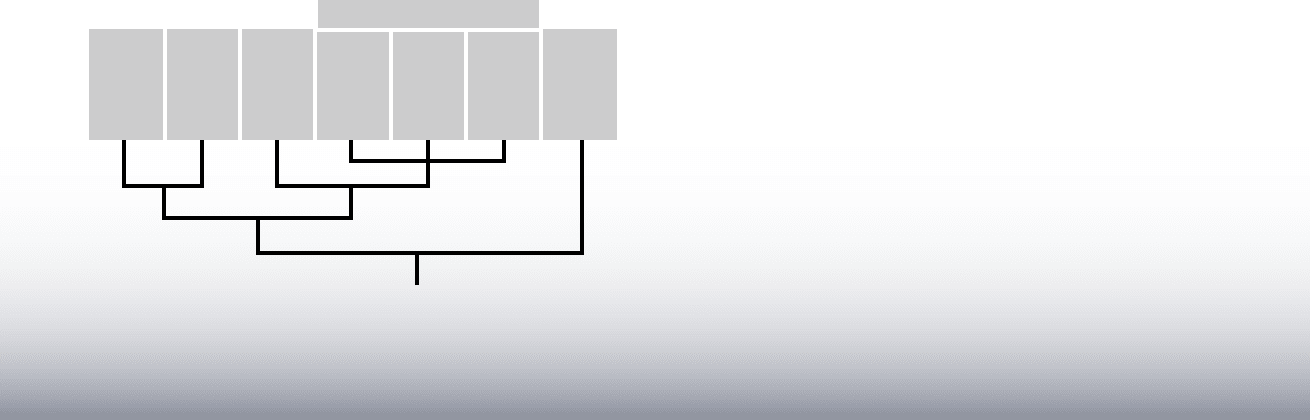
Echinoderms
Mollusks
Annelids
Nematodes
Crustaceans
Arthropods
Insects
Myriapods
3. The most logical choice would be a species from the domain Archae. These
are considered to be the oldest forms of life on our planet, and are known to
have evolved to survive harsh environmental condition.
4. Morphology may be in uenced by processes such as convergent evolution.
However, DNA acts as a molecular record of a species’ past. Combining what
is being learned from both morphological and molecular data leads to more
robust evolutionary hypotheses.
CHAPTER 27
LEARNING OUTCOME QUESTIONS
27.1 Viruses use cellular machinery for replication. They do not make all of the
proteins necessary for complete replication.
27.2 A prophage carrying such a mutation could not be induced to undergo the
lytic cycle.
27.3 This therapy, at present, does not remove all detectable viruses. This cannot
be considered a true cure.
27.4 In addition to a high mutation rate, the in uenza genome consists of
multiple RNA segments that can recombine during infection. This causes the main
antigens for the immune system to shift rapidly.
27.5 Prions carry information in their three-dimensional structure. This 3-D
information is different from the essentially one-dimensional genetic information
in DNA.
UNDERSTAND
1. c 2. b 3. c 4. d 5. b 6. d 7. b
APPLY
1. c 2. b 3. c 4. d 5. b 6. c 7. c 8. a
SYNTHESIZE
1. A set of genes that are involved in the response to DNA damage are normally
induced by the same system. The protein involved destroys a repressor that
keeps DNA repair genes unexpressed. Lambda has evolved to use this system
to its advantage.
2. Since viruses require the replication machinery of a host cell to replicate, it is
unlikely that they existed before the origin of the rst cells.
3. This is a complex situation. Factors that act include the high mutation rate of
the virus and the fact that the virus targets the very cells that mount an immune
response. The in uenza virus also requires a new vaccine every year due to
rapids changes in the virus. The smallpox virus was a DNA virus that had
antigenic determinants that did not change rapidly making a vaccine possible.
4. Emerging viruses are those that jump species and thus are new to humans.
Recent examples include SARS and Ebola.
5. If excision of the lambda prophage is imprecise, then the phage produced will
carry E. coli genes adjacent to the integration site.
CHAPTER 28
LEARNING OUTCOME QUESTIONS
28.1 Evidence would take the form of microfossils, evidence for altered isotopic
ratios, or biomarkers such as hydrocarbons that do not arise by abiotic processes.
28.2 Archaea have ether linked instead of ester linked phospholipids; their cell
wall is made of unique material.
28.3 Compare their DNA. The many metabolic tests we have used for years
have been supplanted by DNA analysis.
28.4 Transfer of genetic information in bacteria is directional: from donor to
recipient and does not involve fusion of gametes.
28.5 Prokaryotes do not have a lot of morphological features, but do have
diverse metabolic functions.
28.6 Pathogens tend to evolve to be less virulent. If they are too good at killing,
their lifestyle is an evolutionary dead end.
28.7 Rotating a crop that has a symbiotic association with nitrogen xing bacte-
ria will return nitrogen to the soil depleted by other plants.
A-16
appendix A
rav32223_appx_A1-A34.indd A-16rav32223_appx_A1-A34.indd A-16 12/7/09 5:20:11 PM12/7/09 5:20:11 PM

Apago PDF Enhancer
INQUIRY QUESTION
Page 562 The simplest explanation is that the two STDs are occurring in dif-
ferent populations, and one population has rising levels of sexual activity, while the
other has falling levels. However, the rise in incidence of an STD can re ect many
parameters other than level of sexual activity. The virulence or infectivity of one
or both disease agents may be changing, for example, or some aspect of exposed
people may be changing in such a way as to alter susceptibility. Only a thorough
public health study can sort this out.
UNDERSTAND
1. b 2. a 3. c 4. c 5. d 6. a 7. b
APPLY
1. c 2. b 3. b 4. c 5. d 6. b 7. a
SYNTHESIZE
1. The study of carbon signatures in rocks using isotopic data assumes that
ancient carbon xation involves one of two pathways that each show a bias
towards incorporation of carbon 12. If this bias were not present, it is not
possible to infer early carbon xation by this pathway. This pathway could
have arisen even earlier and we would have no way to detect it.
2. The heat killing of the virulent S strain of Streptococcus released the genome
of the virulent smooth strain into the environment. These strains of
Streptococcus bacteria are capable of natural transformation. At least some of
the rough strain cells took up smooth strain genes that encoded the
polysaccharide coat from the environment. These genes entered into the
rough strain genome by recombination, and then were expressed. These
transformed cells were now smooth bacteria.
3. The multiple antibiotics are not a bad idea if all of the bacteria are killed. In
the case of some persistent infections, this is an effective strategy. However, it
does provide very strong selective pressure for rare genetic events that
produce multiple resistances in a single bacteria species. For this reason, it is
not a good idea for it to be the normal practice. The more bacteria that
undergo this selection for multiple resistance, the more likely it will arise.
This is helped by patients not taking the entire course as bacteria may survive
by chance and proliferate with each generation providing the opportunity for
new mutations. This is also complicated by the horizontal transfer of
resistance via resistance plasmids, and the existence of transposable genetic
elements that can move genes from one piece of DNA to another.
4. Most species on the planet are incapable of xing nitrogen without the
assistance of bacteria. Without nitrogen, amino acids and other compounds
cannot be synthesized. Thus a loss of the nitrogen xing bacteria due to
increased UV radiation levels would reduce the ability of plants to grow,
severely limiting the food sources of the animals.
CHAPTER 29
LEARNING OUTCOME QUESTIONS
29.1 Mitochondria and chloroplasts contain their own DNA. Mitochondrial
genes are transcribed within the mitochondrion, using mitochondrial ribosomes
that are smaller than those of eukaryotic cells and quite similar to bacterial ribo-
somes. Antibiotics that inhibit protein translation in bacteria also inhibit protein
translation in mitochondria. Also, both chloroplasts and mitochondria divide using
binary ssion like bacteria.
29.2 There are distinct clades in the Protista that do not share a common ances-
tor. The group of organisms commonly referred to as protists are actually a collec-
tion of a number of monophyletic clades.
Pseudopodia provide a large surface area and substantial traction for stable
movement.
29.3 Undulating membranes would be effective on surfaces with curvature that
may not always be smooth, including intestinal walls.
29.4 Contractile vacuoles collect and remove excess water from within
the Euglena.
29.5 The Plasmodium often becomes resistant to new poisons and drugs.
29.6 While the gametophytes are often much smaller than the sporophytes, you
could be most con dent in your answer if you counted the chromosomes in the
cells of each. The diploid sporophyte will have twice as many chromosomes as the
haploid gametophyte.
29.7 Both the red and green algae obtained their chloroplasts through endo-
symbiosis, possibly of the same lineage of photosynthetic bacteria. The red and
green algae had diverged before the endosymbiotic events and the history recorded
in their nuclear DNA is a different evolutionary history than that recorded in the
plastids derived through emdosymbiosis.
29.8 Comparative genomic studies of choano agellates and sponges would be
helpful. Considering the similarities among a broader range of genes than just the
conserved tyrosine kinase receptor would provide additional evidence.
29.9 It is unlikely that cellular and plasmodial slime molds are closely related.
They both appear in the last section of this chapter because they have yet to be
assigned to clades. The substantial differences in their cell biology are inconsistent
with a close phylogenetic relationship.
INQUIRY QUESTION
Page 570 Red and green algae obtained chloroplasts by engul ng photosyn-
thetic bacteria by primary endosymbiosis; chloroplasts in these cells have two
membranes. Brown algae obtained chloroplasts by engul ng cells of red algae
through secondary endosymbiosis; chloroplasts in cells of brown algae have four
membranes. Counting the number of cell membranes of chloroplasts indicates
primary or secondary endosymbiosis.
UNDERSTAND
1. b 2. a 3. b 4. c 5. d 6. b 7. a 8. c 9. b, c 10. a, d
11. d 12. a
APPLY
1. d 2. a 3. a
SYNTHESIZE
1. Cellular and plasmodial slime molds both exhibit group behavior and can
produce mobile slime mold masses. However, these two groups are very
distantly related phylogenetically.
2. The development of a vaccine, though challenging, will be the most
promising in the long run. It is dif cult to eradicate all the mosquito vectors
and many eradication methods can be harmful to the environment.
Treatments to kill the parasites are also dif cult because the parasite is likely
to become resistant to each new poison or drug. A vaccine would provide
long-term protection without the need to use harmful pesticides or drugs
where drug resistance is a real possibility.
3. For the rst experiment, plate the cellular slime molds on a plate that has no
bacteria. Spot cyclic-AMP and designated places on the plate and determine
if the bacteria aggregate around the cAMP.
For the second experiment, repeat the rst experiment using plates that
have a uniform coating of bacteria as well as plates with no bacteria. If the
cellular slime molds aggregate on both plates, resource scarcity is not an
issue. If the cells aggregate only in the absence of bacteria, you can conclude
that the attraction to cAMP occurs only under starvation conditions.
CHAPTER 30
LEARNING OUTCOME QUESTIONS
30.1 Make sections and examine them under the microscope to look for trache-
ids. Only the tracheophytes will have tracheids.
Gametes in plants are produced by mitosis. Human gametes are produced
directly by meiosis.
30.2 Chlorophytes have chloroplasts which are not found in choano agellates.
The lack of water is the major barrier for sperm that move through water to
reach the egg. It is more dif cult for sperm to reach the egg on land.
30.3 Moss are extremely desiccation tolerant and can withstand the lack of water.
Also, freezing temperatures at the poles are less damaging when moss have a low
water content.
30.4 The sporophyte generation has evolved to be the larger generation and
therefore an effective means to transporting water and nutrients over greater
distances would be advantageous.
30.5 There was substantial climate change during that time period. Glaciers had
spread, then melted and retreated. Drier climates could have contributed to the ex-
tinction of large club mosses. Refer to chapter 26 for more information on changes
in Earth’s climate over geological time.
appendix A
A-17
rav32223_appx_A1-A34.indd A-17rav32223_appx_A1-A34.indd A-17 11/30/09 6:36:01 PM11/30/09 6:36:01 PM

Apago PDF Enhancer
30.6 The silica can increase the strength of the hollow-tube stems and would
also deter herbivores.
30.7 The pollen tube grows towards the egg, carrying the sperm within the pol-
len tube.
30.8 The ovule rests, exposed on the scale (a modi ed leaf).
30.9 Animals that consume the fruit disperse the seed over longer distances than
wind can disperse seed. The species can colonize a larger territory more rapidly.
INQUIRY QUESTIONS
Page 592 The diploid sporophyte of Ulva produces sporangia in which meiosis
occurs. The resultant haploid spores develop into either plus or minus strains
of multicellular gametophytes which, in turn, produce haploid gametangia. The
gametangia produce haploid gametes. Meiosis is involved in the formation of Ulva
gametes, but not directly.
Page 596 Tracheophytes developed vascular tissue, enabling them to have ef-
cient water- and food-conducting systems. Vascular tissue allowed tracheophytes
to grow larger, possibly then able to out-compete smaller, nonvascular land plants.
A protective cuticle and stomata that can close during dry conditions also conferred
a selective advantage.
Page 610 Endosperm provides nutrients for the developing embryo in most
owering plants. The embryo cannot derive nutrition from soil prior to root devel-
opment, therefore without endosperm, the embryo is unlikely to survive.
UNDERSTAND
1. d 2. d, c 4. c 5. a 6. c 7. b 8. d 9. a 10. d
APPLY
2. d 3. b 4. c 5. c 6. a 7. b 8. a 9. a
SYNTHESIZE
1. Moss has a dominant gametophyte generation while lycophytes have a
dominant sporophyte generation. Perhaps a comparison of the two genomes
would provide insight into the genomic differences associated with the
evolutionary shift from dominant gametophyte to dominant sporophyte.
2. Answers to this question may vary. However, gymnosperms are de ned as
“naked” seed plants. Therefore, an ovule that is not completely protected by
sporophyte tissue would be characteristic of a gymnosperm. To be classi ed
as an angiosperm, evidence of ower structures and double fertilization are
key characteristics, although double fertilization has been observed in some
gnetophytes.
3. The purpose of pollination is to bring together the male and female gametes
for sexual reproduction. Sexual reproduction is designed to increase the
genetic variability of a species. If a plant allows self-pollination, then the
amount of genetic diversity will be reduced, but this is a better alternative
than not reproducing at all. This would be especially useful in species in
which the individuals are widely dispersed.
4. The bene t is that by developing a relationship with a speci c pollinator, the
plant species increases the chance that its pollen will be brought to
another member of its species for pollination. If the pollinator is a
generalist, then the pollinator might not travel to another member of the
same species, and pollination would not occur. The drawback is that if
something happens to the pollinator (extinction or drop in population size)
then the plant species would be left with either a reduced or nonexistent
means of pollination.
CHAPTER 31
LEARNING OUTCOME QUESTIONS
31.1 In fungi mitosis results in duplicated nuclei, but the nuclei remain within a
single cell. This lack of cell division following mitosis is very unusual in animals.
Hyphae are protected by chitin, which is not digested by fungal enzymes.
31.2 Microsporidians lack mitochondria which are found in Plasmodium.
31.3 Blastocladiomycetes are free-living and have mitochondria. Microsporidians
are obligate parasites and lack mitochondria.
31.4 Zygospores are more likely to be produced when environmental conditions
are not favorable. Sexual reproduction increases the chances of offspring with new
combinations of genes that will have an advantage in a changing environment. Also,
the zygospore can stay dormant until conditions improve.
31.5 Parasitism is a subset of symbiotic relationships. Symbiotic relationships
refer to two or more organisms of different species living in close relationship to
each other to the bene t of one, both or neither. In parasitism, only one member of
the symbiosis bene ts and that is at the expense of the other.
31.6 A dikaryotic cell has two nuclei, each with a single set of chromosomes. A
diploid cell has a single nucleus with two sets of chromosomes.
31.7 Preventing the spread of the fungal infection using fungicides and good
cultivation practices could help. If farmworkers must tend to infected elds, masks
that lter out the spores could protect the workers.
31.8 The fungi that ants consumed may have originally been growing on leaves. Over
evolutionary time, mutations that altered ant behavior so the ants would bring leaves to
a stash of fungi would have been favored and the tripartite symbiosis evolved.
31.9 Wind can spread spores over large distances, resulting in the spread of
fungal disease.
UNDERSTAND
1. c 2. d 3. a 4. d 5. b 6. d 7. d
APPLY
1. d 2. b 3. a 4. c 5. d
SYNTHESIZE
1. Fungi possess cell walls. Although the composition of these cell walls differs
from that of the plants, cell walls are completely absent in animals. Fungi are
also immobile (except for chytrids), and mobility is a key characteristic of the
animals.
2. The mycorrhizal relationships between the fungi and plants allow plants to
make use of nutrient poor soil. Without the colonization of land by plants, it
is unlikely that animals would have diversi ed to the level they have achieved
today. Lichens are important organisms in the colonization of land. Early
land masses would have been composed primarily of barren rock, with little
or no soil for plant colonization. As lichens colonize an area they begin the
process of soil formation, which allows other plant
3. Antibiotics are designed to combat prokaryotic organisms and fungi are
eukaryotic. In addition, fungi possess a cell wall that has a different chemical
constitution (chitin) from that of prokaryotes.
CHAPTER 32
LEARNING OUTCOME QUESTIONS
32.1 The rules of parsimony state that the simplest phylogeny is most likely the
true phylogeny. As there are living organisms that are both multicellular and unicel-
lular, it stands to reason that the rst organisms were unicellular, and multicellularity
followed. Animals are also all heterotrophs; if they were the rst type of life to have
evolved, there would not have been any autotrophs on which they could feed.
32.2 Cephalization, the concentration of nervous tissue in a distinct head region,
is intrinsically connected to the onset of bilateral symmetry. Bilateral symmetry
promotes the development of a central nerve center, which in turn favors the ner-
vous tissue concentration in the head. In addition, the onset of both cephalization
and bilateral symmetry allows for the marriage of directional movement (bilateral
symmetry) and the presence of sensory organs facing the direction in which the
animal is moving (cephalization).
32.3 This allows systematists to classify animals based solely on derived charac-
teristics. Using features that have only evolved once implies that the species that
have that characteristic are more closely related to each other than they are to
species that do not have the characteristic.
32.4 One hypothesis is that the rapid diversi cation in body plan was a biological
response to the evolution of predation—the adaptation of traits that enabled preda-
tors to better nd prey and prey to better elude predators. Another hypothesis
is that the explosion of new body forms resulted from changes in the physical
environment such as oxygen and mineral build up in the oceans.
UNDERSTAND
1. c 2. b 3. a 4. d 5. a 6. b 7. d 8. a 9. b 10. d 11. d
APPLY
1. d 2. b 3. Determinate development indicates that it is a protostome and the
fact that it molts places it within the Ecdysozoa. The presence of jointed
appendages makes it an arthropod.
A-18
appendix A
rav32223_appx_A1-A34.indd A-18rav32223_appx_A1-A34.indd A-18 11/30/09 6:36:01 PM11/30/09 6:36:01 PM

Apago PDF Enhancer
SYNTHESIZE
1. The tree should contain platyhelminthes and nemetera on one branch, a
second branch should contain nematodes, and a third branch should contain
the annelids and the hemichordates. This does not coincide with the
information in Figure 32.4. Therefore, some of the different types of body
cavities have evolved multiple times, and the body cavities are not good
characteristics to infer phylogenetic relationships.
2. Answers may vary depending on the classi cation used. Many students will
place the Echinoderms near the Cnidaria due to radial symmetry; others will
place them closer to the Annelids.
CHAPTER 33
LEARNING OUTCOME QUESTIONS
33.1 The cells of a truly colonial organism, such as a colonial protist, are all
structurally and functionally identical; however, sponge cells are differentiated and
these cells coordinate to perform functions required by the whole organism. Unlike
all other animals, however, sponges do appear much like colonial organisms in that
they are not comprised of true tissues, and the cells are capable of differentiating
from one type to another.
33.2 The importance of triploblasty relates to the placement of ctenophores on
the animal phylogenetic tree. Until recently, ctenophores have been considered
diploblasts, with platyhelminthes as the rst triploblasts. New evidence, however,
indicates that ctenophores are actually triploblastic. In addition, molecular evidence
suggests that this phylum belongs at the base of the animal phylogeny—thus
implying that the ancestor to all animals was triploblastic.
33.3 Tapeworms are parasitic platyhelminthes that live in the digestive system of their
host. Tapeworms have a scolex, or head, with hooks for attaching to the wall of their
host’s digestive system. Another way in which the anatomy of a tapeworm relates to its
way of life is their dorsoventrally attened body and corresponding lack of a diges-
tive system. Tapeworms live in their food; as such they absorb their nutrients directly
through the body wall, and their at bodies facilitate this form of nutrient delivery.
33.4 Ascaris lumbricoides, the intestinal roundworm, infects humans when the
human swallows food or water contaminated with roundworm eggs. The most
effective ways of preventing the spread of intestinal roundworms is to increase
sanitation, especially those in food handling, education, and cease using human
feces as fertilizer. Not surprisingly, infection by these parasites is most common in
areas without modern plumbing.
UNDERSTAND
1. c 2. a 3. b 4. b 5. d 6. d 7. c
APPLY
1. c 2. c 3. d
SYNTHESIZE
1. Answers may vary. Phylum Acoela represents a reclassi cation of the
platyhelminthes and phylum Cycliophora represents an entirely new
kingdom. Since we have most likely not discovered all of the noncoelomate
invertebrate species on the planet, and we are utilizing new molecular tools to
examine the relationships of existing phyla, it is unlikely that the modern
phylogeny presented in section 33.2 is complete.
2. Since the population size of a parasitic species may be very small (just a few
individuals), possessing both male and female reproductive structures would
allow the bene ts of sexual reproduction.
3. Answers may vary. However, it is known that the tapeworm is not the
ancestral form of platyhelminthes; instead it has lost its digestive tract due to
its role as an intestinal parasite. As an intestinal parasite, the tapeworm relies
on the digestive system of its host to break down nutrients into their building
blocks for absorption.
CHAPTER 34
LEARNING OUTCOME QUESTIONS
34.1 Cephalopods are the most active of all mollusks, and this increased level of
activity necessitates a more ef cient oxygen delivery system. The extensive series of
blood vessels, and thus more ef cient gas exchange, in the cephalopod circulatory
system allows the animal to move more rapidly and over longer periods of time.
34.2 With a ow-through digestive tract, food moves in only one direction.
This allows for specialization within the tract; sections may be specialized for
mechanical and chemical digestion, some for storage, and yet others for absorption.
Overall, the specialization yields greater ef ciency than does a gastrovascular cavity.
34.3 The main advantage is coordination. A nervous system that serves the
entire body allows for coordinated movement and coordinated physiological
activities such as reproduction and excretion, even if those systems themselves are
segmented. Likewise, a body-wide circulatory system enables ef cient oxygen
delivery to all of the body cells regardless of the nature of the organism’s individual
segments.
34.4 Lophophorates are sessile suspension-feeding animals. Much of their body
also remains submerged in the ocean oor. Thus, a traditional tubular digestive
system would require either the mouth or the anus to be inaccessible to the water
column—meaning the animal either could not feed or would have to excrete waste
into a closed environment. The U-shaped gut allows them to both acquire nutri-
ents from and excrete waste into their environment.
34.5 One of the de ning features of the arthropods is the presence of a chitinous
exoskeleton. As arthropods increase in size, the exoskeleton must increase in thick-
ness disproportionately, in order to bear the pull of the animal’s muscles. This puts
a limit on the size a terrestrial arthropod can reach, as the increased bulk of the
exoskeleton would prohibit the animal’s ability to move. Water is denser than air
and thus provides more support; for this reason aquatic arthropods are able to be
larger than terrestrial arthropods.
34.6 Bilateral symmetry evolved relatively early in animal phylogeny, with the
platyhelminthes. Echinoderms clearly branched off later in evolutionary history, as
evidenced by their deuterostome development, and yet, as adults they exhibit radial
(or, more accurately, pentaradial) symmetry. This might be a confusing factor when
determining the phylogeny of animals, if not for the bilateral form the echinoderm
larvae take. The bilaterally symmetrical larvae suggest that the echinoderm ances-
tor is in fact bilaterally symmetrical, rather than radially symmetrical.
UNDERSTAND
1. c 2. b 3. a 4. d 5. d 6. b 7. c 8. d 9. d 10. a 11. a
APPLY
1. b 2. c 3. d 4. a
SYNTHESIZE
1. Clams and scallops are bivalves, which are lter feeders that siphon large
amounts of water through their bodies to obtain food. They act as natural
pollution-control systems for bays and estuaries. A loss of bivalves (from
over shing, predation, or toxic chemicals) would upset the aquatic ecosystem
and allow pollution levels to rise.
2. Chitin is an example of convergent evolution since these organisms do not
share a common chitin-equipped ancestor. Chitin is often used in structures
that need to withstand the rigors of stress (chaetae, exoskeletons, zoecium, etc.).
CHAPTER 35
LEARNING OUTCOME QUESTIONS
35.1 Chordates have a truly internal skeleton (an endoskeleton), compared to
the endoskeleton on echinoderms, which is functionally similar to the exoskeleton
of arthropods. Whereas an echinoderm uses tube feet attached to an internal
water vascular system for locomotion, a chordate has muscular attachments to its
endoskeleton. Finally, chordates have a suite of four characteristics that are unique
to the phylum—a nerve chord, a notochord, pharyngeal slits, and a postanal tail.
35.2 While mature and immature lancelets are similar in form, the tadpole-like
tunicate larvae are markedly different from the sessile, vase-like adult form. Both
tunicates and lancelets are chordates, but they differ from vertebrates in that they
do not have vertebrae or internal bony skeletons.
35.3 The functions of an exoskeleton include protection and locomotion—ar-
thropod exoskeletons, for example, provide a fulcrum to which the animals’ muscles
attach. In order to resist the pull of increasingly large muscles, the exoskeleton
must dramatically increase in thickness as the animal grows larger. There is thus a
limit on the size of an organism with an exoskeleton—if it gets too large it will be
unable to move due to the weight and heft of its exoskeleton.
35.4 Lobe- nned sh are able to move their ns independently, whereas ray-
nned sh must move their ns simultaneously. This ability to “walk” with their
ns indicates that lobe- nned sh are most certainly the ancestors of amphibians.
35.5 The challenges of moving onto land were plentiful for the amphibians.
First, amphibians needed to be able to support their body weight and locomote on
land; this challenge was overcome by the evolution of legs. Second, amphibians
needed to be able to exchange oxygen with the atmosphere; this was accomplished
appendix A
A-19
rav32223_appx_A1-A34.indd A-19rav32223_appx_A1-A34.indd A-19 12/7/09 5:00:33 PM12/7/09 5:00:33 PM

Apago PDF Enhancer
by the evolution of more ef cient lungs than their lung sh ancestors as well as
cutaneous respiration. Third, since movement on land requires more energy than
movement in the water, amphibians needed a more ef cient oxygen delivery system
to supply their larger muscles; this was accomplished by the evolution of double-
loop circulation and a partially divided heart. Finally, the rst amphibians needed
to develop a way of staying hydrated in a non-aquatic environment, and these early
amphibians developed leathery skin that helped prevent desiccation.
35.6 Amphibians remain tied to the water for their reproduction; their eggs are
jelly-like and if laid on the land will quickly desiccate. Reptile eggs, on the other
hand, are amniotic eggs—they are watertight and contain a yolk, which nourishes
the developing embryo, and a series of four protective and nutritive membranes.
35.7 There are two primary traits shared between birds and reptiles. First, both
lay amniotic eggs. Second, they both possess scales (which cover the entire reptile
body but solely the legs and feet of birds). Birds also share characteristics only with
one group of reptiles—the crocodilians, such as a four-chambered heart.
35.8 The most striking convergence between birds and mammals is endothermy,
the ability to regulate body temperature internally. Less striking is ight; found in
most birds and only one mammal, the ability to y is another example of conver-
gent evolution.
35.9 Only the hominids comprise a monophyletic group. Prosimians, monkeys,
and apes are all paraphyletic—they include the common ancestor but not all
descendents: the clade that prosimians share with the common prosimian ancestor
excludes all anthropoids, the clade that monkeys share with the common monkey
ancestor excludes hominoids, and the clade that apes share with the common ape
ancestor excludes hominids.
UNDERSTAND
1. c 2. c 3. a 4. c 5. a 6. d 7. a 8. d
APPLY
1. c 2. c 3. b
SYNTHESIZE
1. Increased insulation would have allowed birds to become endothermic and
thus to be active at times that ectothermic species could not be active. High
body temperature may also allow ight muscles to function more ef ciently.
2. Birds evolved from one type of dinosaurs. Thus, in phylogenetic terms, birds
are a type of dinosaur.
3. Like the evolution of modern day horses, the evolution of hominids was not a
straight and steady progression to today’s Homo sapiens. Hominid evolution
started with an initial radiation of numerous species. From this group, there
was a evolutionary trend of increasing size, similar to what is seen in the
evolution of horses. However, like in horse evolution, there are examples of
evolutionary decreases in body size as seen in Homo oresiensis. Hominid
evolution also reveals the coexistence of related species, as seen with Homo
neaderthalensis and Homo sapiens. Hominid evolution, like horse evolution, was
not a straight and steady progression to the animal that exists today.
CHAPTER 36
LEARNING OUTCOME QUESTIONS
36.1 Primary growth contributes to the increase in plant height, as well as
branching. Secondary growth makes substantial contributions to the increase in
girth of the plant, allowing for a much larger sporophyte generation.
36.2 Vessels transport water and are part of the xylem. The cells are dead with
only the walls remaining. Cylinders of stacked vessels move water from the roots
to the leaves of plants. Sieve tube members are part of the phloem and transport
nutrients. Sieve tube members are living cells, but they lack a nucleus. The rely on
neighboring companion cells to carry out some metabolic functions. Like vessels,
sieve tube members are stacked to form a cylinder.
36.3 The energy of the cell is used primarily to elongate the cell. It would be
dif cult for a root hair to form in the region of elongation because its base would
be pulled apart by the elongation of the cell wall.
36.4 Roots are constantly growing through soil where cells are damaged and
sloughed off. The tips of stems do not encounter the same barriers and do not
require the additional protection.
36.5 Both sides of the leaf are equally exposed to sunlight. In contrast, horizontal
leaves have a top and a bottom. Palisade layers are tightly packed with minimum
airspace between the cells which maximizes photosynthetic surface area.
INQUIRY QUESTION
Page 736 Three dermal tissue traits that are adaptive for a terrestrial lifestyle
include: guard cells, trichomes, and root hairs. Guard cells ank an epidermal opening
called a stoma and regulate its opening and closing. Stomata are closed when water is
scarce, thus conserving water. Trichomes are hairlike outgrowths of the epidermis of
stems, leaves, and reproductive organs. Trichomes help to cool leaf surfaces and reduce
evaporation from stomata. Root hairs are epidermal extensions of certain cells in
young roots and greatly increase the surface area for absorption.
UNDERSTAND
1. d 2. d 3. c 4. b 5. a 6. c 7 a 8. b
APPLY
1. a 2. c 3. d 4. c
SYNTHESIZE
1. Roots lack leaves with axillary buds at nodes, although there may be lateral
roots that originated from deep within the root. The vascular tissue would have
a different pattern in roots and stems. If there is a vascular stele at the core with
a pericycle surrounded by a Casparian strip, you are looking at a root.
2. Lenticels increase gas exchange. In wet soil, the opportunity for gas exchange
decreases. Lenticels could compensate for decreased gas exchange, which
would be adaptive.
3. The tree is likely to die because the phloem and vascular cambium is located
near the surface. Removing a ring of bark results in the loss of the vascular
cambium and phloem, leading to starvation and death.
CHAPTER 37
LEARNING OUTCOME QUESTIONS
37.1 Only angiosperms have an endosperm which results from double fertiliza-
tion. The endosperm is the nutrient source in angiosperms. Gymnosperm embryos
rely on megagametophytic tissue sources for nutrients.
37.2 These seeds might be sensitive to temperature and require a period of cold
before germinating.
37.3 Fruits with eshy coverings, often shiny black or bright blue or red, nor-
mally are favored by birds or other vertebrates.
37.4 Retaining the seed in the ground might provide greater stability for the
seedling until its root system is established.
INQUIRY QUESTIONS
Page 758 The root meristem never forms, although the shoot meristem is fully
functional. This plant is missisng the HOBBIT protein which normally allows auxin
to induce the expression of a gene or genes needed for correct cell division to make a
root meristem. Without the correct cell divisions, the meristem fails to form.
Page 758 The MONOPTEROS (MP) gene product cannot act as a transcription
factor when it is bound by its repressor. With a MP protein that can no longer bind
to its repressor, MP acts as a transcription factor and activates a root development
gene. The phenotype of a plant with a mutation in the MP gene has roots.
Page 761 A monocot has a solitary cotyledon. Two cotyledons are illustrated
here, thus the embryo is a eudicot.
Page 762 The prior sporophyte generation, as part of the ovary, is diploid. The
degenerating gametophyte generation is haploid. The next sporophyte generation,
the embryo, is diploid.
UNDERSTAND
1. c 2. a 3. d 4. a 5. d 6. b 7. a 8. c 9. c
APPLY
1. c 2. c 3. b 4. d 5. c
SYNTHESIZE
1. Place Fucus zygotes on a screen and shine a light from the bottom. If light is
more important, the rhizoid will form towards the light, even though that is
the opposite direction gravity would dictate. If gravity is more important, the
rhizoid will form away from the direction of the light.
2. The endosperm has three times as many copies of each gene. If transcription
occurs at a constant rate in both nutritive tissues, more will be produced in
the endosperm because of the extra copies of the genes.
A-20
appendix A
rav32223_appx_A1-A34.indd A-20rav32223_appx_A1-A34.indd A-20 12/7/09 5:01:15 PM12/7/09 5:01:15 PM

Apago PDF Enhancer
3. The seeds may need to be chilled before they can germinate. You can store them
in the refrigerator for several weeks or months and try again. The surface of the
seed may need to be scari ed (damaged) before it can germinate. Usually this
would happen from the effects of weather or if the seed goes through the
digestive track of an animal where the seed coat is weakened by acid in the gut
of the animal. You could substitute for natural scari cation by rubbing your
seeds on sand paper before germinating them. It is possible that your seed needs
to be exposed to light or received insuf cient water when you rst planted it.
You may need to soak your seed in water for a bit to imbibe it. Exposing the
imbibed seed to sunlight might also increase the chances of germination.
CHAPTER 38
LEARNING OUTCOME QUESTIONS
38.1 Physical pressures include gravity and transpiration, as well as turgor pres-
sure as an expanding cell presses against its cell wall. Increases in turgor pressure
and other physical pressures are associated with increases water potential. Solute
concentration determines whether water enters or leaves a cell via osmosis. The
smallest amount of pressure on the side of the cell membrane with the greater solute
concentration that is necessary to stop osmosis is the solute potential. Water potential
is the sum of the pressure from physical forces and from the solute potential.
38.2 Proteins in the cell membrane allow diffusion to be selective. Other protein
channels are involved in active transport across the membrane. Water moves through
channels called aquaporins. For a review of membrane properties, see chapter 5.
38.3 The driving force for transpiration is the gradient between 100% humidity
inside the leaf and the external humidity. When the external humidity is low, the
rate of transpiration is high, limited primarily by the amount of water available for
uptake through the root system.
The minerals are used for metabolic activities. Some minerals can move into
the phloem and be transported to metabolically active areas of the plants, but oth-
ers, including calcium, cannot be relocated after they leave the xylem.
38.4 Once carbon dioxide is dissolved in water, it can be transported to photo-
synthetically active cells where it is used in carbon xation in the Calvin Cycle (see
chapter 8 for a review of photosynthesis).
38.5 Physical changes in the roots in response to oxygen deprivation may pre-
vent further transport of water in the xylem. Although the leaves may be producing
oxygen, it is not available to the roots.
38.6 Phloem liquid is rich in organic compounds including sucrose and plant hor-
mones dissolved in water. Fluid in the xylem consists of minerals dissolved in water.
INQUIRY QUESTIONS
Page 773 Before equilibrium, the solute potential of the solution is –0.5 MPa,
and that of the cell is –0.2 MPa. Since the solution contains more solute than does
the cell, water will leave the cell to the point that the cell is plasmolyzed. Initial
turgor pressure (Ψ
p
) of the cell = 0.05 MPa, while that of the solution is 0 MPa. At
equilibrium, both the solution and the cell will have the same Ψ
w
. Ψ
cell
= –0.2 MPa
+ 0.5 MPa = 0.3 MPa before equilibrium is reached. At equilibrium, Ψ
cell
= Ψ
solution
=–0.5MPa, thus Ψ
w cell
= –0.5 MPa. At equilibrium, the plasmolyzed cell Ψ
P
= 0
MPa. Finally, using the relationship Ψ
W(cell)
=
Ψ
p
+ Ψ
s
and Ψ
W(cell)
= –0.5 MPa, Ψ
P(cel)
= 0 MPa, then Ψ
s(cell)
= –0.5 MPa.
Page 775 The fastest route for water movement through cells has the least
hindrance, and thus is the symplast route. The route that exerts the most control
over what substances enter and leave the cell is the transmembrane route, which is
then the best route for moving nutrients into the plant.
Page 777 If a mutation increases the radius, r, of a xylem vessel threefold, then the
movement of water through the vessel would increase 81-fold (r
4
= 3
4
= 81). A plant
with larger diameter vessels can move much more water up its stems.
UNDERSTAND
1. a 2. c 3. d 4. a 5. c 6. d 7. b 8. a 9. b 10. b
APPLY
1. b 2. c 3. b 4. c 5. b
SYNTHESIZE
1. The solute concentration outside the root cells is greater than inside the cells.
Thus the solute potential is more negative outside the cell and water moves out of
the root cells and into the soil. Without access to water, your plant wilts.
2. Look for wilty plants since the rate of water movement across the membrane
would decrease in the aquaporin mutants.
3. At the level of membrane transport, plants and animals are very similar. Plant
cell walls allow plant cells to take up more water than most animal cells, which
rupture without the supportive walls. At the level of epidermal cells there is
substantial variation among animals. Amphibians exchange water across the
skin. Plants have waterproof epidermal tissue but lose water through stomata.
Humans sweat, but dogs do not. Some animals have adaptations for living in
aquatic or high saline environment, as do plants. Vascular plants move vast
amounts of water through the plant body via the xylem, using evaporation to
fuel the transport. Animals with closed circulatory systems can move water
throughout the organism and also excrete excess water through the urinary
system, which is responsible for osmoregulation.
4. The rate of transpiration is greater during the day than the night. Since water
loss rst occurs in the upper part of the tree where more leaves with stomata
are located, the decrease in water volume in the xylem would rst be observed
in the upper portion, followed by the lower portion of the tree.
5. Spring year 1—The new carrot seedling undergoes photosynthesis in
developing leaves and the sucrose moves towards the growing tip.
Summer year 1—The developing leaves are sources of carbohydrate,
which now moves to the developing root and also the growing young tip.
Fall year 1—The carrot root is now the sink for all carbohydrates
produced by the shoot.
Spring year 2—Stored carbohydrate in the root begins to move upwards
into the shoot.
Summer year 2—The shoot is owering and the developing owers are
the primary sink for carbohydrates from the root and also from photosynthe-
sis in the leaves.
Fall year 2—Seeds are developing and they are the primary sink. The root
reserves have been utilized and any remaining carbohydrates from photosyn-
thesis are transported to developing seeds.
CHAPTER 39
LEARNING OUTCOME QUESTIONS
39.1 Alkaline soil can affect the availability of nutrients in the soil for uptake by
a plant.
39.2 Magnesium is found in the center of the chlorophyll molecule. Without
suf cient magnesium, chlorophyll de ciencies will result in decreased photosyn-
thesis and decreased yield per acre.
39.3 Nitrogen is essential for all amino acids, the building blocks of pro-
tein. Without suf cient levels of proteins that function as enzymes, membrane
transporters, transcription factors, and structural components, plant growth and
reproduction will be limited.
39.4 Increasing the amount of available nitrogen in the soil is one strategy. This
can be accomplished with chemically produced ammonia for fertilizing, intercrop-
ping with nitrogen- xing legumes, or using organic matter rich in nitrogen for
enriching the soil. Efforts to reduce the relative amounts of atmospheric carbon
dioxide would also be helpful.
39.5 Large poplar trees that are not palatable to animals offer a partial solution.
Fencing in areas that are undergoing phytoremediation is another possibility, but it
would be dif cult to isolate all animals, especially birds. Plants that naturally deter
herbivores with secondary compounds, including some mustard species (Brassica
species) could be effective for phytoremediation.
INQUIRY QUESTION
Page 797 At low and high temperature extremes, enzymes involved in plant
respiration are denatured. Plants tend to acclimate to slower long-term changes in
temperature, and rates of respiration are able to adjust. Short-term more dramatic
changes might slow or halt respiration, especially if a temperature change is large
enough to cause enzymes to denature.
UNDERSTAND
1. b 2. a 3. c 4. d 5. a 6. b 7. c 8. a
APPLY
1. c 2. a 3. a 4. d 5. The macronutrient potassium constitutes 0.5–6% of the
dry weight. Let’s assume that the potato is 90% water. The dry weight would be
10% of 1000 kg, or 100 kg. Next you calculate 0.5% of 100, which is 0.5 kg. You
would do the same type of calculation for 6%.
The micronutrient problems would also use the estimate of 100 kg dry weight.
The conversion you need to use is that 1 ppm is the same as 1 mg/kg. So, 4 ppm of
copper is the same as 4 mg/kg. Multiply this by 100 kg of dry weight potato and
appendix A
A-21
rav32223_appx_A1-A34.indd A-21rav32223_appx_A1-A34.indd A-21 12/7/09 5:01:15 PM12/7/09 5:01:15 PM