
Kerry J., Butler P. Smart Packaging Technologies for Fast Moving Consumer Goods
Подождите немного. Документ загружается.

OTE/SPH OTE/SPH
JWBK126-12 JWBK126-Kerry March 15, 2008 17:55 Char Count= 0
218 Smart Packaging Technologies for Fast Moving Consumer Goods
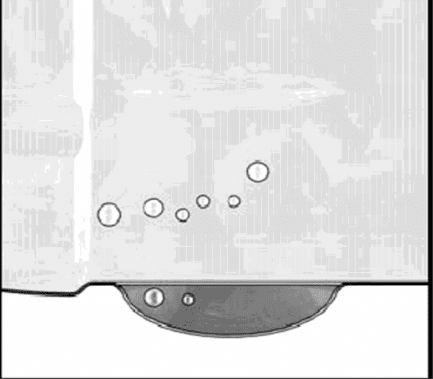
Figure 12.5 Pictured is a cross section of a cherry flavoured additive that when pressed
will release into a cola beverage. Choice enabled packaging (patent pending) which is now
being marketed by IPIFINI, Inc. Patent pending. Reproduced with permission from IPIFINI
(www.ipifini.com).
a ‘wedge’. When the consumer opens the can, the pressure decreases, causing the wedge
end to spring open. Thus, sensitive substances are not dissolved in the beverage until it
is consumed. What’s more, nutritional additives that the consumer could previously only
take in powder or tablet form can now also be sold as a drink, making it a more convenient
form of ingestion for certain types of consumers, in particular in the sport and fitness
sectors (Anon., 2005a). According to Ball, the wedge capsule floats freely in the can, i.e.
it is not fixed to the base, but nevertheless has a reliable opening mechanism. This feature
provides logistical benefits for the container-filling process because the wedge and the can
are delivered separately to the beverage producer.
The first commercial application of the wedge became available with the launch of the
new Defense
(TM)
Vitamin & Mineral Supplement beverage line from New York based
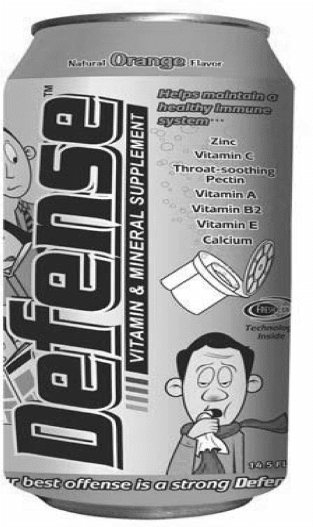
Brain Twist, Inc. Offered in natural orange and lemon-lime flavours, Defense combines
zinc, pectin, calcium, vitamin C and vitamins A, B2 and E in a beverage formulated to
combat the germs that cause the common cold and flu (Figure 12.6).
FreshCan
r
Wedge technology was selected for use with the product to maintain the
effectiveness of the drink’s vitamins and minerals (Mohan, 2006). Defense is packaged in
a traditional, two-piece aluminium can holding 14.5 oz of the beverage. Inside resides the
FreshCan
r
Wedge, a two-compartment, polypropylene device containing 10 mL of dry
ingredient cylindrical in shape and having a total volume of 25 mL.
Atlantic Multipower Germany, Europe’s leading supplier in the sports food sector, is
introducing a ready-to-drink creatine product in Germany, UK and Austria. Cranberry-
flavoured Crea Max contains 4.6 g creatine citrate, a natural dietary supplement, which
enhances the performance of those engaging in sports involving intensive muscle workout,
OTE/SPH OTE/SPH
JWBK126-12 JWBK126-Kerry March 15, 2008 17:55 Char Count= 0
Smart Packaging Technologies for Beverage Products 219
Figure 12.6 Defense
(TM)
citrus flavoured vitamin and mineral supplement beverage line from
New York-based Brain Twist, Inc., which is formulated to promote consumer ‘wellness’. Image
from Brain Twist, Inc.
and which increases the effectiveness of weight training. With wedge support, the creatine
is freshly mixed with the drink when the can is opened. The advantage for the consumer is
the added convenience because creatine was previously only available to sports people in
tablet or powder form and not as a drink (Anon., 2006b; 2007b)
A further example of the employment of this technology is Swiss company, Emmi. They
too turned to packing innovation to overcome stability issues with a nutrient known as
CoQ10. Its ‘LactoTab’ performance drink, based on milk serum, has CoQ10, vitamins and
minerals contained within a tablet sealed in the lid of the bottle (Figure 12.7) (Halliday,
2006). A powerful antioxidant, CoQ10, plays a vital role in the production of chemical
energy in mitochondria – the ‘power plants’ of the cell – by participating in the production
of adenosine triphosphate (ATP). It has been studied for its role in cognitive health, heart
health, and anti-ageing (in oral and topical formulations). This packaging format protects
the nutrients from degradation by light and oxygen, since they are only mixed with the liquid
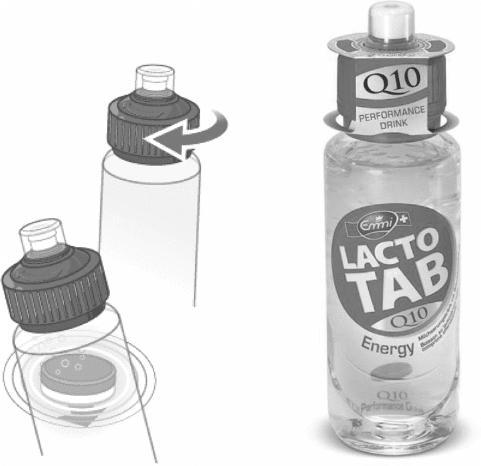
just prior to consumption (Halliday, 2006). The directions for opening are ‘the closure is
twisted quickly in the direction of the arrow, as a result of which the tamper evident seal is
broken, while the protective aluminium cover is slit open at the same time and the tablet in
the blister is pressed in to the bottle’ (Anon., 2006c). Four products are currently available
in the range; Energy, Sport & Body, Mineral Ca and Mg, and Vitamin Plus.
OTE/SPH OTE/SPH
JWBK126-12 JWBK126-Kerry March 15, 2008 17:55 Char Count= 0
220 Smart Packaging Technologies for Fast Moving Consumer Goods
Figure 12.7 ‘LactoTab’ performance drink, based on milk serum, has CoQ10, vitamins and
minerals sealed within a blister compartment in the lid of the bottle. When the cap is twisted,
the tamper proof seal deactivates and the tablet is released from the blister into to the milk
serum. Reproduced with kind permission of the Emmi Group.
Another company, called Portola, has introduced the Fusion cap, which allows beverage
consumers to add a flavour or vitamin to a bottled beverage by simply twisting the cap.
This two-piece, resealable cap is designed to keep a flavour or vitamin powder, tablet, or
liquid separate from the beverage until the consumer is ready to drink it (Anon., 2004a).
Similarly, the New Zealand-based company Alto, who designed the Technology cap and
which was commercialised by Rio beverages for its IKon energy drink, has also developed
the Freshmix cap, which contains the feature of a fizzing tablet dispenser. This feature allows
the active ingredient to remain fresh and inactive within an aluminium foil compartment
in the closure until the point of consumption, when the tablet is released into the beverage
to provide a fresh and fizzy drink on demand.
12.5 Pro-biotic Release Packaging
Orchard Maid is the first drinkable yoghurt to be equipped with the probiotic Life Top
Straw
TM
Straw (Anon., 2002a). The product first appeared in the UK and was developed by
BioGaia and marketed by Tetra Pak, both located in Sk˚ane Sweden (Figure 12.8). Orchard
Maid fruit yoghurt drinks are packaged in regular single-serve cartons with straws (Anon.,
2002b). The probiotic bacteria are only released when liquid passes through the straw at
the point of consumption. These probiotic straws can be attached to ambient packaging
OTE/SPH OTE/SPH
JWBK126-12 JWBK126-Kerry March 15, 2008 17:55 Char Count= 0
Smart Packaging Technologies for Beverage Products 221
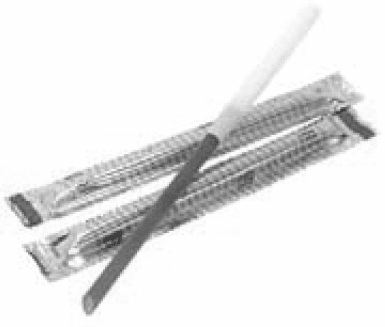
Figure 12.8 This unique and patented technology from BioGaia consists of a tele-
scopic polypropene drinking straw, with a Reuteri
R
oil droplet attached to its inner
part. Drinking 100 ml will release the required dose. The straw is packed in a printed
polyester/aluminium/polyethene laminate to ensure stability and can be attached to a drink
package. It has a shelf life of 12 months at room temperature. Used with kind permission of
BioGaia (www.biogaia.com).
and contain the lactic acid bacterium Lactobacillus reuteri (Reuteri
TM
). Aseptically pro-
cessed and packaged, the drinkable yoghurts have an ambient shelf-life of 12 months.
Scientific research has shown that L. reuteri helps to reduce the risk of gastrointestinal
disorders and contributes to the body’s immune defence system (Anon., 2002a). To en-
sure probiotic viability and effective dosage, the probiotic remains separate from the drink
until consumption by the consumer. The product provides convenience for manufacturers
in that existing packages can be used and also probiotics can be added to virtually any
beverage, without compromising on ingredients or taste. The straw eliminates production
concerns such as accurate blending, controlled dosage and heat damage (Anon., 2002a).
Manufacturers know that consumers are getting an effective amount of the probiotic, the
straw delivers 99 million active L. reuteri bacteria and is said to be safe for all healthy or
immuno-compromised children and adults (Anon., 2002a). L. reuteri produces reuterin, a
substance demonstrated to inhibit harmful bacteria from growing inside the body. It is also
claimed that it supports the immune system, improves nutrient absorption and contributes
to intestinal wellness (Anon., 2002a).
12.6 Enzyme Release Packaging
Several categories of antimicrobial have been tested for antimicrobial packaging appli-
cations: organic acids, fungicides, bacteriocins, proteins, inorganic gases, species, silver
substitute zeolite, and enzymes (Han, 2000; Suppakul et al., 2003; Cutter, 2002). One form
of active packaging utilizes the incorporation of enzymes to facilitate in-package processing
(Brody and Budny, 1995). Enzymes are very useful in food processing; however, in foods
OTE/SPH OTE/SPH
JWBK126-12 JWBK126-Kerry March 15, 2008 17:55 Char Count= 0
222 Smart Packaging Technologies for Fast Moving Consumer Goods
like 100 % natural juice or milk, consumers do not want to read on the ingredient panel
that such things have been added (Berry, 2000). Active packaging technologies that employ
bioactive compounds such as enzymes and peptides typically immobilize the moiety via
entrapment or physical adsorption. However, there are advantages to covalently attaching
the compound to the packaging film. From a regulatory standpoint, if it can be established
that a compound is highly unlikely to migrate from the polymer to the food, it may not need
to be considered a food additive (Anon., 2005b). Cornell researchers have successfully
impregnated polymers in film material with enzymes that are very specific in their function
(Berry, 2000). Soares and Hotchkiss (1998a) showed that the bitterness associated with
certain citrus juices could be significantly reduced using CA (cellulose acetate) films con-
taining immobilized naringinase. These films reduce bitterness by hydrolysis of naringin
and sorption of limonin. Comments from panellists used suggest that this reduction in bit-
terness would be perceived as an increase in sweetness by untrained panellists (Soares and
Hotchkiss, 1998a). In order to be practical, an improvement in enzyme activity per unit area
may be required so that a lower film area to product volume ratio can be used. This work
also demonstrates that an active packaging system based on immobilization of enzymes to
product contact layers of packaging may be feasible. Unlike the current situation where
most foods deteriorate in quality during storage, products exposed to enzymes bound to
packaging might improve during storage (Soares and Hotchkiss, 1998b). Appendini and
Hotchkiss (1997) investigated the efficiency of lysozyme immobilized on different poly-
mers. It is known that cellulose triacetate (CTA) containing lysozyme yields the highest
antimicrobial activity. The viability of Micrococcus lysodeikticus was reduced in the pres-
ence of immobilized lysozyme on CTA film (Appendini and Hotchkiss, 1997). Goddard
et al. (2007) also showed that this concept also works with removing lactose from milk.
Instead of adding lactase to milk or using an immobilized enzyme reactor that can foul
or clog, lactase can be incorporated into the container’s wall. A British patent assigned to
Tetra Pak International AB describes incorporation of lactase into pasteurized or sterilized
milk prior to packaging to split the lactose after packaging (Brody and Budny, 1995). With
sufficient activity, the lactose concentration of the milk during shipment could be reduced
(Berry, 2000; Goddard, 2007). Lactose intolerance, or mal-digestion, is the reduced ability
to hydrolyse lactose and affects individuals with insufficient lactase activity in the small
intestine. It is a dietary problem affecting a minor but nevertheless substantial fraction of the
population (Brody and Budny, 1995). The result is varying degrees of abdominal cramps,
gas, and nausea (Anon., 2005c). Goddard et al. (2007) used a yeast-derived β-galactosidase
that was covalently attached to a surface-modified polyethylene film and sustained enzyme
activity over a range of temperature and pH similar to that of free lactase enzyme (Goddard
et al., 2007). These data suggest that enzymes that may have applications in foods can be
covalently attached to inert polymer surfaces, retain significant activity, and thus have po-
tential as non-migratory active packaging materials. Also, Hotchkiss states that, in theory,
there are enzymes that metabolize cholesterol, and they could be used in a manner similar
to lactase in order to reduce the cholesterol in a product like milk (Berry, 2000). Brody and
Budny (1995) suggest a system whereby active packaging and the technology of a company
called PharmaCal Ltd, allows the incorporation of the enzyme, cholesterol reductase, into
the packaging structure of, for example, a milk product. Untreated milk could be packaged
and in the time taken to transport the package to the consumer, it conceivably could become
free of cholesterol.
OTE/SPH OTE/SPH
JWBK126-12 JWBK126-Kerry March 15, 2008 17:55 Char Count= 0
Smart Packaging Technologies for Beverage Products 223
12.7 Odour Removal Packaging
Flavour scalping, or permeation of aroma components, may result in loss of flavour and taste
intensities and/or change in the organoleptical profile of a beverage product (Nielsen and
J¨agerstad, 1994). The development of unpleasant flavours as a consequence of processing
can be the result of thermal degradation of components, such as proteins, or of reactions
such as the Maillard reaction (Rooney, 2005). Oxidation of fats and oils is also accelerated
at processing temperatures. Besides these reactions there can be a slow generation of
unpleasant flavours when fruit components are disturbed from their structural components
in the fruit. The bitter principle, limonin, builds up in orange juice after pasteurization, and
renders juice from some cultivars undrinkable. Chandler and Johnson (1979) showed that
substantial quantities of limonin could be removed by acetylated paper, following earlier
work involving cellulose acetate gel beads (Chandler et al., 1968). The concept of odour
removal using chemical affinity was further developed by Brodie and Visioli (1994), who
used the reaction of aldehydes with amino polymers. Odours that result from aldehydes such
as hexanal and heptanal, which are formed from the breakdown of peroxides created during
the initial stages of autoxidation of fats and oils can be removed from package headspaces by
active packaging (Robertson, 2006). Synthetic aluminosilicate zeolites, which have a highly
porous structure, have been incorporated into packaging materials to adsorb odourless
aldehydes (Day, 2000). Such compounds formed in dairy-based and beer-based beverage
products could be removed, and thus improve sensory quality.
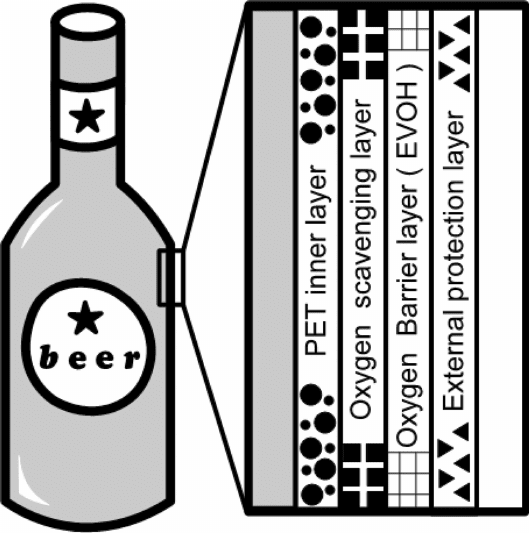
In the case of beer, a number of commercial oxygen scavenging technologies have been
developed to be incorporated into PET bottles. The Oxbar system (Constar International,
USA) consists of an aromatic polyamide (MXD-6) with reducing properties that can be
blended in any proportion. By inclusion of a layer of MXD-6 within two layers of PET
and using a cobalt salt as a catalyst, structures suitable for the manufacturing of bottles for
beer, wine, or sauces can be designed (Miltz et al., 1995).
Sulfites have also been proposed as active substances for use in plastic gasket liners of
bottle closures, as liquid trapped between sheets of flexible packaging material, or directly
incorporated into plastic film structures to pack products such as wine or ketchup. Other
more recent developments of integrated systems include oxygen scavenging labels such
as Freshmax (Multisorb Technologies, Inc., USA) and incorporation of O
2
scavengers
in closure seal liners for beer and soft drink bottles such as Smartcap (a development of
Advanced Oxygen Technologies, Inc., USA) or Oxbar
TM
(Carnaud Metal Box, UK), which
is specifically designed to be incorporated into PET bottles. A typical oxygen scavenging
structure used in beer bottles is presented (Figure 12.9).
12.8 Thermochromic Labelling
The technology to make thermochromic inks (that change colour when exposed to heat) and
photochromic inks (that change colour when exposed to light) has been around since the
mid-1970s (Agosta, 2002). Thermochromic technology for beverages first became popular
with wine labelling (Robertson, 2006) to indicate to the wine drinker when the product was
at the correct temperature to drink (Agosta, 2002), but are also found now on many beer
OTE/SPH OTE/SPH
JWBK126-12 JWBK126-Kerry March 15, 2008 17:55 Char Count= 0
224 Smart Packaging Technologies for Fast Moving Consumer Goods
Figure 12.9 Typical oxygen scavenging multilayer structure used in PET bottles for beer.
Image used with permission of Alberto Bertol
´
ın Terr
´
adez.
products. The whole label or just a small part can change colour at a selected temperature,
using inks developed by B&H Colour Change Ltd, to show when the beverage is the correct
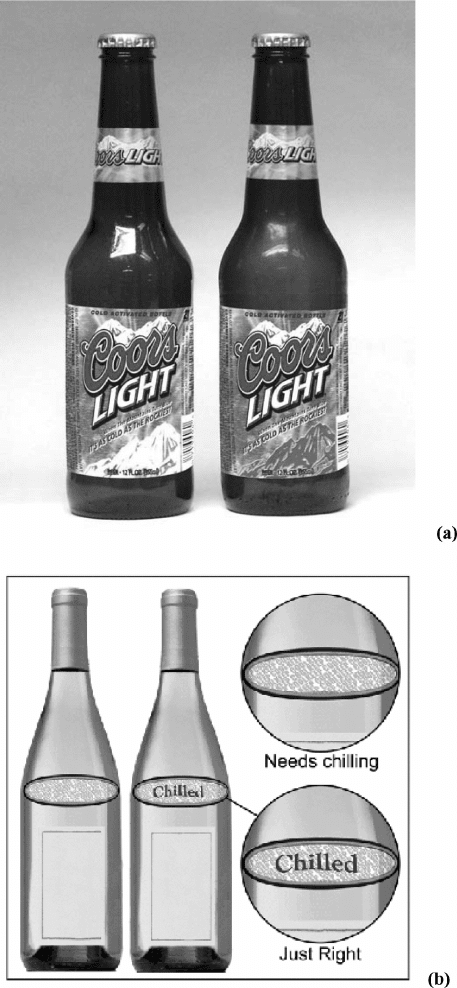
temperature for serving/drinking, for example, Coors Fine Light Beer, now being sold, has
a temperature-sensitive logo that turns from white to blue when the bottle is cold enough
to drink (Anon, 2005d) (Figure 12.10a). Similarly, labels for wines have been developed to
indicate that the correct chilled drinking temperature has been achieved. (Figure 12.10b)
(Anon, 2001). Thermochromic inks can be printed onto labels or containers that are to be
heated or cooled prior to consumption to indicate the ideal drinking temperature of the
product (Robertson, 2006).
Similar beer examples can be found on supermarket shelves with labels that incorporate
thermochromic-based designs to inform the consumer when a refrigerated beer is cold
enough to drink. Hite beer, from Korea, utilizes thermochromic inks for beer bottles and
cans. At low temperatures the green ink on beer bottles indicates the optimum temperature
for consumption and on beer cans it also indicates the level of cold beer inside the can
(Han et al., 2005). An example of the thermochromic technology available from Chromatic
Technologies, Inc., demonstrates its use in determining the proper drinking temperature
of a beverage. A stripe appears on a can indicating that the product is in the proper range
and only that range (Agosta, 2002). Depending on their composition, the inks will change
OTE/SPH OTE/SPH
JWBK126-12 JWBK126-Kerry March 15, 2008 17:55 Char Count= 0
Smart Packaging Technologies for Beverage Products 225
Figure 12.10 The whole label or a small part will change colour at a selected temperature to
show when the beverage is the correct temperature for serving/drinking. Shown are examples
for (a) beer and (b) wine. Bottle shrink sleeves can be preprinted with thermochromic inks prior
to sleeving. Used with kind permission of B&H Colour Change Ltd (www.colourchange.com).
OTE/SPH OTE/SPH
JWBK126-12 JWBK126-Kerry March 15, 2008 17:55 Char Count= 0
226 Smart Packaging Technologies for Fast Moving Consumer Goods
colour at specific temperatures, and if appropriate colours are chosen, then hidden messages
such as ‘drink now’ or ‘too hot’ become visible (Robertson, 2006).
A Colour Changing Disposable Lid from Smart Lid Systems
TM
provides consumers
with a visual indicator of product temperature for beverages in paper or polystyrene coffee
cups. Infused with a colour changing additive, the Smart Lid
TM
coffee-cup lid goes from
‘coffee-bean brown’ to glowing red after being placed on a cup containing a hot beverage
(Mohan, 2006). A further visual indicator ensures that the lid has been placed securely on
the cup. When the lid changes colour, a dark ring forms around its edge if it is attached
to the cup properly. The lid is made from virgin high-impact PS, which is mixed in the
cold-pellet state with a colour-changing additive from Matsui Intl, that has been approved
for food contact by the US Food and Drug Administration. Another aspect being promoted
by Smart Lid Systems
TM
is the lid’s potential as a marketing tool, whereby an advertising
message could be printed on the lid that would only appear once the lid changes colour. For
example, text printed in brown ink on the lid or on a clear sticker applied to the lid would
only be visible when the lid was in a hot, or red, state (Mohan, 2006). Huhtamaki, a Finnish
packaging company, uses what it calls ‘Heat and Reveal’ temperature-responsive labels.
This uses thermochromic technology to reveal a hidden message or strap line incorporated
into the cup’s design. The heat of the drink determines when the ink is made visible. Such
messages could provide instant-win opportunities; for vending operators and branders, the
technology allows the competition and winning message to be kept secret until the moment
a beverage is dispensed. Similarly, the device can also reveal a surprise slogan or message
that will only become visible once a drink is poured (Anon., 2006d).
12.9 Smart Branding
The competition for the consumer’s attention on-shelf has never been more intense and
innovative beverage packaging companies are interested in packaging that captures the
attention of the consumer (Mohan, 2006). Manufacturers are spending more to design
packages that blink, beep, yell and waft scents at shoppers (Webb Pressler, 2006). UK-
based Cognifex Ltd, is shining a fresh light on brand marketing. Using a tiny, electronic
unit with an LED and silicon chip, with a self-contained button-cell power source, they have
found a way to illuminate plastic and glass beverage bottles for marketing and promotional
purposes (Mohan, 2006). In development for three years, the Cognifex unit is designed to fit
on the bottom of a standard-sized beverage bottle and can be triggered in a number of ways.
These activation methods could include manual depression of a switch, pulling of a tab,
removal of the cap or lid with a special opener, an infrared (IR) signal, magnetic switching or
an external radio-frequency (RF) signal. Once triggered, the LED will illuminate the bottle
and its contents for a predetermined period of time. Depending on what the brand owner
is trying to achieve with the illumination effect, the device can be designed to function for
anywhere from a few minutes to several months. Another possible application envisaged
is for sweepstakes or promotional campaigns, where bottles could be illuminated remotely
to indicate a winning package, or winning bottles could emit a different colour than do
regular bottles.
AriZona Beverage Co. is at the forefront of a new wave of high-tech packaging in
consumer products. As people increasingly ignore commercials and spread their attention
OTE/SPH OTE/SPH
JWBK126-12 JWBK126-Kerry March 15, 2008 17:55 Char Count= 0
Smart Packaging Technologies for Beverage Products 227
across many types of media, traditional television, radio and print advertising is losing
effectiveness, and marketers are looking for new ways to get noticed (Webb Pressler,
2006). Some companies have created paper-thin, flexible video displays and tiny speakers,
but aroma seems to be the biggest payoff in packaging, thanks to its powerful link to
memory and emotion (Webb Pressler, 2006). Coming down the road are computer chips
embedded in packaging that can communicate with a shopper’s PDA or cell phone to give
additional product information. Miniature sound systems on boxes and bottles will give
people spoken tips and ideas. The German electronics giant Siemens AG has developed
a flat electronic display that can be applied to boxes like a label, allowing for tiny lights,
miniature games or flashing messages (Webb Pressler, 2006).
Finally, in what might be the first instance of naming a wine for its packaging, Don
Sebastiani & Sons released Plungerhead in March 2006. The Dry Creek Valley zinfandel is
named for a ‘zork’ closure from Australia (www.zork.com.au) composed of a polyethylene
cap and plunger that ‘pop’ when opened (Anon., 2006d). The closure is favoured not only
because it eliminates the possibility of cork taint but also because it retains the sense of
celebration in opening a bottle of wine (Anon., 2006d).
12.10 Anti-counterfeit Beverage Packaging
A concern among packagers and their customers worldwide is the growing incidence of
counterfeit products making it into the market. Experts estimate that in Europe as much as
7 % of the branded consumer products market is lost to counterfeit products (Anon., 2005e).
The amount of fake food and drinks entering the EU grew by 200 % in 2004, with the higher
quality of counterfeits making detection more difficult (ElAmin, 2005a). Counterfeiters
are shifting their attention into the mass market goods categories and packaging is in the
front line in fighting this loss (Anon., 2005e). Lipton, Coca Cola and Nestl´e products
topped the list of faked food and drink items seized at the EU’s borders, according to the
European Commission when announcing new measures to crack down on the problem
(ElAmin, 2005). In many Western nations, such as the UK or US, the quota of counterfeit
products is about 10 %. China accounted for most of the total faked goods seized in 2004.
Russia’s economic collapse in 1998, however, offered food fraud the opportunity to fill
empty shelves with cheap, counterfeit goods (Anon., 2005f). Condensed milk is a big
culprit with producers often making cheaper versions using vegetable fats, yet still putting
condensed milk on the label. Some even falsify factory identification codes on packs to try
and escape safety authorities (Anon., 2005f). Fake mineral water is also a big problem, with
around three quarters of mineral water sold in Russia thought to be fake and counterfeit
bottles controlling half of the more developed Moscow market, despite regular checks by
police (Anon., 2005f). Counterfeiting and tampering can undermine consumers’ trust in
the quality and safety of a branded food product, leading to a loss in market share. In
response, companies have turned to new forms of smart packaging and labelling to ensure
that consumers and customs can check for authenticity (ElAmin, 2005).
Protection against theft and counterfeiting is a highly developed area for high value
goods such as electronics and clothes. However it has not found widespread application
in the beverage industry because of the comparatively low unit value of packaged foods
(Robertson, 2006). Many anti-counterfeiting devices did not work in the past because they