
Heidersbach R. Metallurgy and Corrosion Control in Oil and Gas Production
Подождите немного. Документ загружается.

CORROSION CONTROL 139
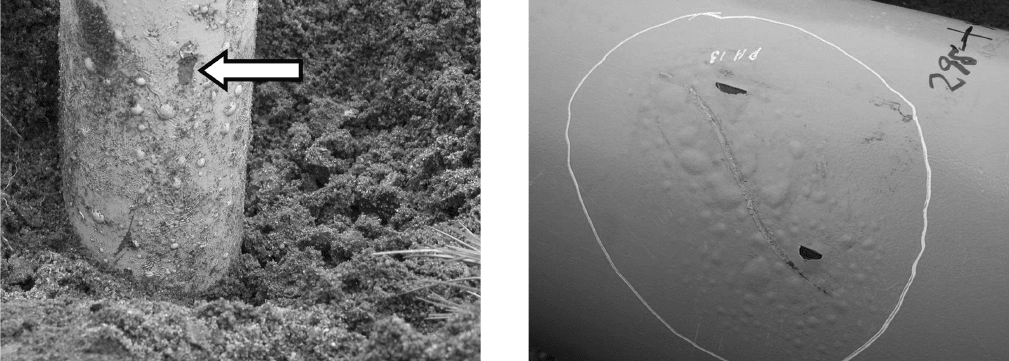
Figure 6.36 Osmotic blisters on a riser near the air – soil inter-
face. The arrow indicates a location where a blister was broken
for this photograph. Note the lack of corrosion beneath the
blister.
Figure 6.37 Coating blisters forming around scratches on a
pipeline coating. Photo courtesy of R. Norsworthy, Polyguard
Products, Inc.
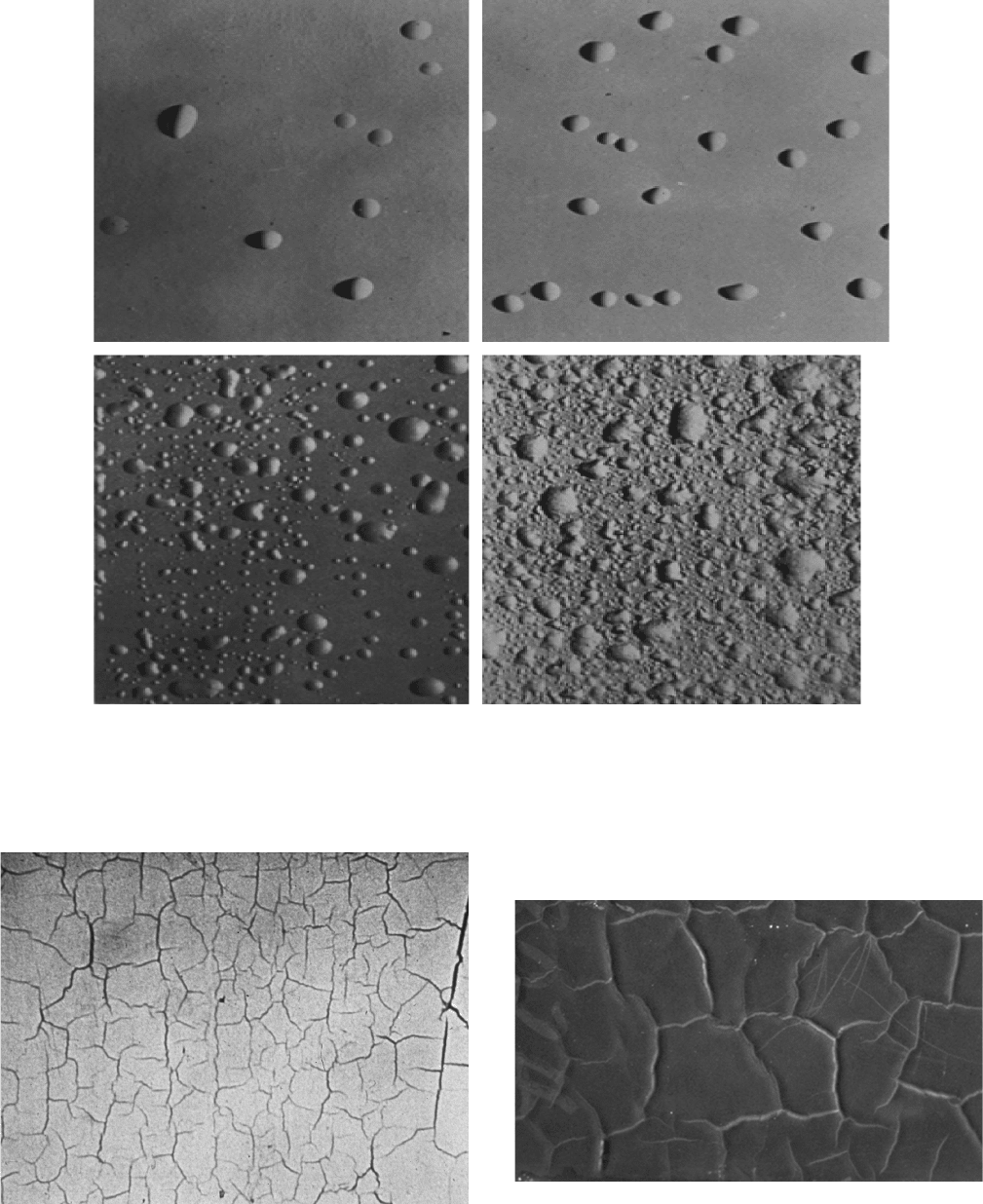
Coatings inspectors evaluate blistered coating sur-
faces by comparing their appearance to published pho-
tographs in international standards. They then rate the
frequency and size of blisters. Figure 6.38 shows one
photograph used for this purpose.
51
Checking, alligatoring, and cracking are terms that
refer to similar phenomena; the only difference is the
depth of penetration of the coating defects. They can be
defi ned as follows:
Checking — slight breaks in the surface fi lm
Alligatoring — wide and extensive breaks in the
surface. This is most common in bituminuous
pavements and other thick fi lms, but it is also seen
on oilfi eld equipment. The name is intended to
indicate that the surface looks like an alligator ’ s
hide.
Cracking — breaks in the fi lm extend to the substrate,
which often leads to corrosion.
Checking, the least extensive of these phenomena, often
occurs as a coating dries or continues to react. It can be
an indication of a coating setting too quickly at elevated
ambient temperatures. It also happens as coatings
degrade, and degradation due to weathering, including
UV degradation, starts to become signifi cant on the
coating surface (Figure 6.39 ).
A coarse checking pattern on the surface of a coating
is sometimes called alligatoring. It is typically caused by
aging, sunlight exposure, and/or the loss of volatile com-
ponents as the coating sets and ages.
The wide and extensive breaks in surface fi lms clas-
sifi ed as alligatoring often occur when a hard, tough
coating is applied over a softer, more pliable intermedi-
ate layer or primer. Some coatings, if applied too thickly,
can alligator when exposed to sunlight. If the ambient
temperature during curing is too high, the surface may
cure rapidly compared with deeper portions of the same
fi lm and produce this effect (Figure 6.40 ).
The differences between checking and alligatoring
are open to interpretation, but cracking, as used in the
protective coatings industry, indicates that the surface
defects extend to the substrate. This often leads to
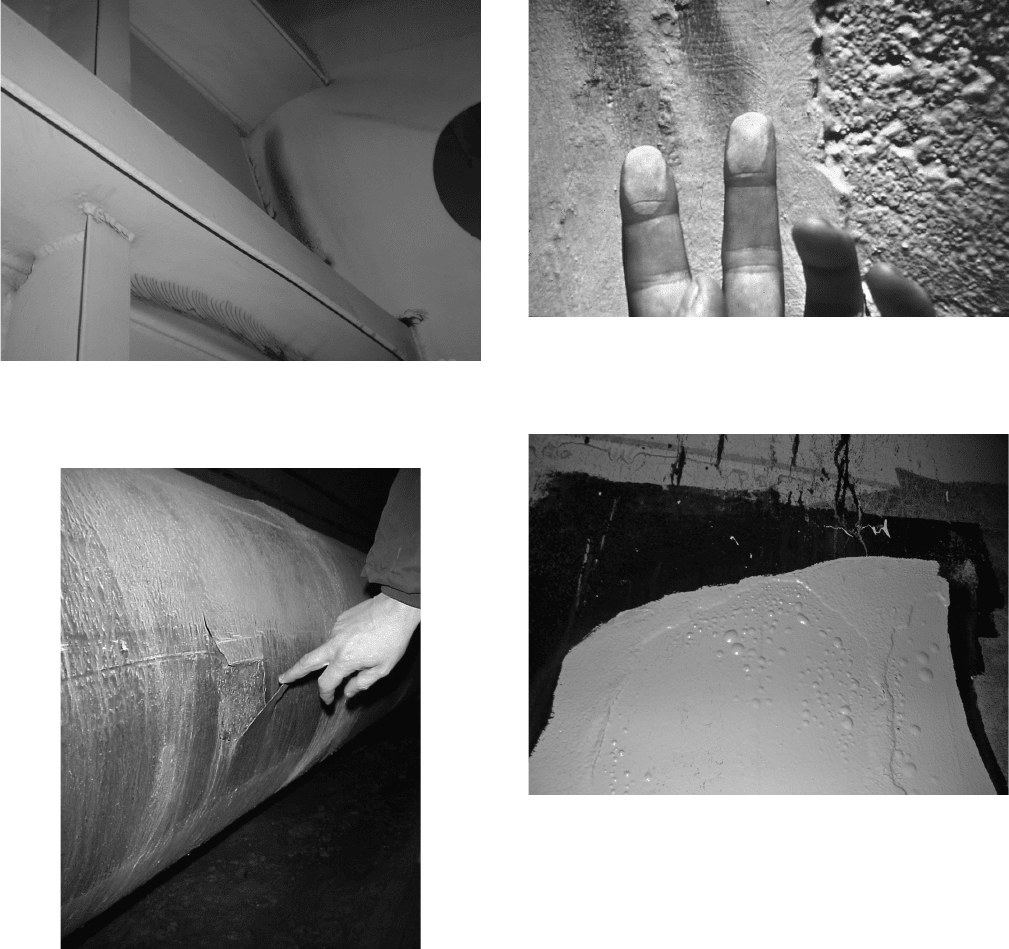
visible corrosion, as shown in Figure 6.41 . The cracking
shown in Figure 6.41 is due to the combination of an
aging coating and the fl exure of the substrate. This is
common on many offshore platforms and similar
structures.
12
Lifting and debonding occur after corrosion starts,
usually at holidays or cracks. As corrosion progresses,
the increased volume of the corrosion products com-
pared to the metal from which they are formed creates
stresses and eventually lifts the protective fi lm. This is
shown at the bottom of Figure 6.34 and in Figure 6.42 .
Chalking is the formation of a loose powder due to
UV degradation of organic coating binders. This is
shown in Figure 6.43 . Epoxies are prone to this problem,
and this is a reason why epoxies used for atmospheric
exposure usually have non - epoxy overcoats. Another
means of control is the use of inorganic pigments which
are immune to UV degradation. Chalking is a sign of
UV degradation, but it is normally only a cosmetic
problem. If UV degradation continues, then checking or
c06.indd 139c06.indd 139 10/29/2010 10:35:48 AM10/29/2010 10:35:48 AM
140 METALLURGY AND CORROSION CONTROL IN OIL AND GAS PRODUCTION
Figure 6.38 Blisters from ASTM D714. From the upper left, these pictures show Size 2
blisters with few, medium, medium dense, and dense ratings.
51
Reproduced with permission
of ASTM International.
Figure 6.39 Checking on the surface of a protective coating.
Reproduced with permission of NACE International.
Figure 6.40 Alligatoring of a protective coating after many
years of seaside exposure in a semitropical environment.
Reproduced with permission of NACE International.
c06.indd 140c06.indd 140 10/29/2010 10:35:49 AM10/29/2010 10:35:49 AM
CORROSION CONTROL 141
Figure 6.41 Cracking due to structural motion on the exte-
rior wall of a vessel. Note the rust staining at locations where
motion has occurred and at welds.
Figure 6.42 Protective coating lifting from the surface of a
pipe due to corrosive undercutting. Photo courtesy of NACE
International, reproduced with permission.
Figure 6.43 Superfi cial chalking on a coating surface.
Photo courtesy of NACE International, reproduced with
permission.
Figure 6.44 Blisters formed on light - colored repair coating
due to improper surface cleaning. Photo courtesy of NACE
International, reproduced with permission.
cracking may eventually occur. While it may be consid-
ered unsightly, it seldom indicates a lack of coating
protectiveness.
Failure Modes for New Coatings It is important to
recognize these forms of coating failure as they are
indications of one or more of the following:
•
Improper surface preparation — Organic solvents,
salt contamination, or improper surface profi le
•
Incorrect application or curing temperature
•
Paint application either too thick or too thin
•
Incompatible coatings for the substrate (to include
primers and undercoats)
•
Improper coating for the service conditions. This
usually takes time for indications to develop, but
identifi cation of this problem can prevent using the
same system elsewhere in similar situations.
The blisters shown in Figures 6.34 , 6.36 , and 6.37 are the
normal result of aging or mechanical damage to the
protective coating system. Blisters can also form on
newly applied coatings when gases or liquids are trapped
underneath the coating at the coating – substrate inter-
face. This is shown in Figure 6.44 , where the light - colored
c06.indd 141c06.indd 141 10/29/2010 10:35:50 AM10/29/2010 10:35:50 AM
142 METALLURGY AND CORROSION CONTROL IN OIL AND GAS PRODUCTION
repair coating has extensive blisters, mostly on the bare
metal surface, as opposed to the locations where this
same repair coating has been applied over the existing
coating.
These blisters form due to soluble material in the
coating leaching out of the paint fi lm and becoming
trapped at the paint – substrate interface. The outer
surface hardens and becomes less permeable and the
solvents become trapped. The presence of blisters on
newly applied coatings is an indication of one or more
of the following conditions:
•
Improper surface cleaning prior to paint applica-
tion. Contamination can be either organic greases
and oils or soluble salts.
•
Paint applied too thick to allow evaporation of the
solvent or suspension vehicle.
•
Solvents evaporating when the temperature
increases
•
This can be either organic contaminants or soluble
salts
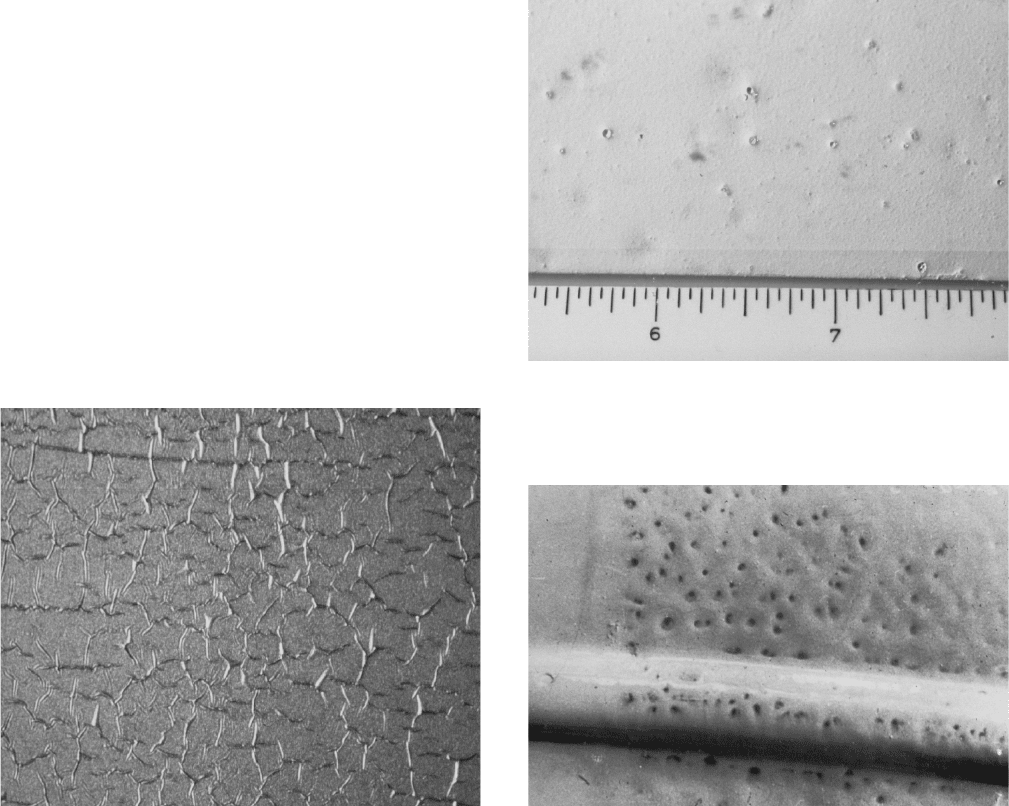
Wrinkling is the result of paint being applied too thick
or too hot. The surface of the coating expands more
rapidly as it dries than the inner portions of the wet
paint fi lm. Figure 6.45 shows a wrinkled surface.
Pinholes are small visible holes in coating caused by:
•
The spray gun being too close to the surface, which
can force bubbles into the coating
•
Incorrect solvent balance in the coating
•
Too volatile solvents
•
Hot weld spatter
They are caused by a collapse of air or solvent vapor
bubbles. Note how many of the pinholes in Figure 6.46
have craters around the edges.
Fisheyes look similar to pinholes; the difference is
that they are caused by a lack of adhesion to the sub-
strate. They are usually caused by improper surface
cleaning or a lack of wetting of the substrate or particles
in the paint (e.g., dust) by the paint fi lm. The paint fi lm
pulls away from the contaminant leaving a tiny hole in
the coating. The fi sheyes shown in Figure 6.47 do not
have the mounded rims shown for the pinholes in
Figure 6.46 .
Figure 6.45 Wrinkled paint surface. Photo courtesy of NACE
International, reproduced with permission.
Figure 6.46 Pinholing on a coating surface. Photo courtesy
of NACE International, reproduced with permission.
Figure 6.47 Fisheyes in a coating. Photo courtesy of NACE
International, reproduced with permission.
c06.indd 142c06.indd 142 10/29/2010 10:35:51 AM10/29/2010 10:35:51 AM
CORROSION CONTROL 143
Conditions that lead to fi sheyes include:
•
Water or oil on the substrate surface
•
Improperly formulated coating
•
Converter not properly dispersed into the paint
•
Incorrect thinning
•
Incorrect spray technique
•
Excess wet fi lm thickness
•
Application at low temperature
The heaviness of liquid coatings can cause sagging or
runs, especially on vertical surfaces. Conditions leading
to sagging and runs include:
•
Excess wet fi lm thickness
•
Too much thinner
•
Low temperatures
•
Improper mixing
Delamination between paint layers and the loss of
substrate adhesion in new coatings, where underfi lm
corrosion has not had a chance to initiate and progress,
is due to incompatibilities between the overcoating and
the substrate, whether the substrate is metal or another
coating. This is a common problem with recoating proj-
ects and is shown in Figure 6.48 .
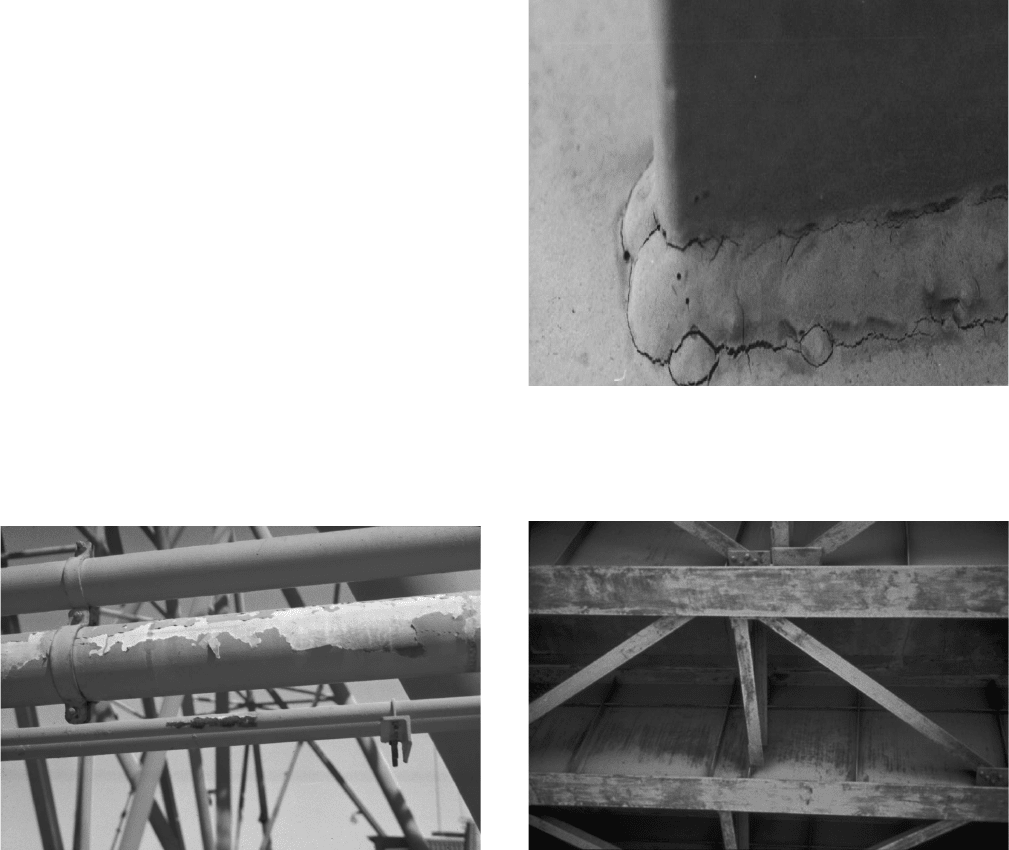
Figure 6.49 shows mud cracking near a weld. These
cracks can form in fairly new coatings as they dry and
set. They occur in thick fi lms and are a result of the wet
fi lm thickness being too great or of excessive thinning
of the paint. As the fi lm dries and shrinks, the cracks
form. Early corrosion is a frequent result.
Overspray can look like abrasive dust on the surface
of a coating and is poorly bonded to the coated surface.
While unsightly, it is not a corrosion problem unless the
oversprayed area is too thick .
Pinpoint rusting, shown in Figure 6.50 , is the result of
too little paint or of a too - rough surface profi le.
12
Metallic Coatings
Metallic coatings fi nd limited but important uses in oil
and gas operations. The most commonly used metallic
coatings are zinc, thermally sprayed aluminum, and
corrosion - resistant metals and alloys such as chromium
and electroless nickel. Zinc and aluminum are anodic to
carbon steel in most environments, and they are more
widely used. Chromium and other corrosion - resistant
Figure 6.48 Coating debonding. Photo courtesy of NACE
International, reproduced with permission.
Figure 6.49 Mud cracking associated with a thick paint fi lm
around a weld. Photo courtesy of NACE International, repro-
duced with permission.
Figure 6.50 Pinpoint rusting. Photo courtesy of NACE
International, reproduced with permission.
c06.indd 143c06.indd 143 10/29/2010 10:35:51 AM10/29/2010 10:35:51 AM
144 METALLURGY AND CORROSION CONTROL IN OIL AND GAS PRODUCTION
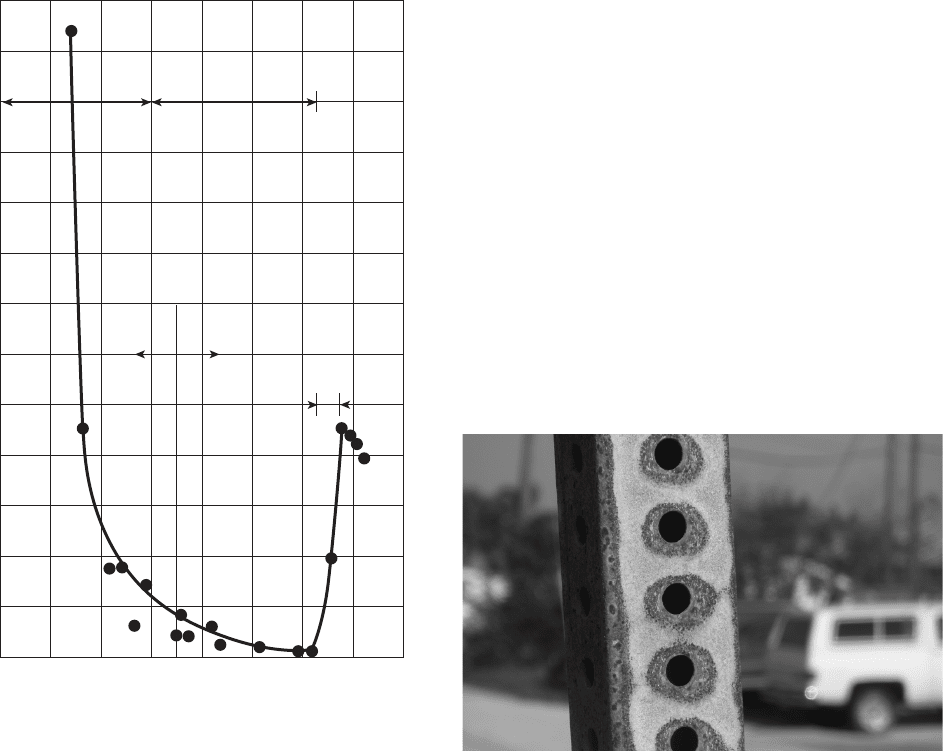
Figure 6.51 Zinc corrosion versus pH of the environment.
42
Figure courtesy of NACE International, reproduced with
permission.
HCl
NaOH
pH
02 46 810121416
Dilute alkaline film dissolving
Stable film
Acid film dissolving
Corrosion Rate (mm/y)
2.6
2.4
2.2
2.0
1.8
1.6
1.4
1.2
1.0
0.8
0.6
0.4
0.2
0
Figure 6.52 Corroded galvanized sign pole.
metals are limited to smaller applications because of
their relatively higher cost and because any coating holi-
days would produce an unfavorable area ratio and lead
to accelerated galvanic corrosion.
Zinc Coatings Galvanizing is a term usually reserved
for zinc coatings applied to steel substrates by dipping
the cleaned steel into molten zinc. The liquid zinc is
sometimes alloyed to increase the fl uidity of the liquid
metal and to reduce the thickness of the zinc coating.
Zinc is also applied by electroplating. The somewhat
thinner zinc coatings produced by this method are pre-
ferred for threaded fasteners and other applications
where close dimensional tolerances must be maintained.
A third method of applying zinc is by Sherardizing , a
method that deposits high - temperature zinc vapors
onto the surface. This process produces zinc - iron inter-
metallic compounds on the surface, and this use is
usually restricted to complicated parts with interior
geometries that are diffi cult to electroplate and cannot
tolerate the somewhat thicker and less precise geome-
tries obtained with hot dipping. Both electroplating and
Sherardizing fi nd their main uses on threaded fasteners
and other close - tolerance applications.
Metallic zinc coatings are generally considered to be
too thin and corrosion susceptible for use on offshore
structures, but they are widely used for onshore struc-
tures and on some process equipment. Possible liquid -
metal embrittlement of offshore structural metals and
piping due to melted zinc in fi res is another reason why
the use of metallic zinc coatings offshore has been
limited.
Zinc is an amphoteric metal, which means that it cor-
rodes at unacceptable rates in both acids and bases. This
is shown in Figure 6.51 . The low corrosion rates in
neutral atmospheres and in some neutral waters means
that zinc coatings, which can be applied in factories
during manufacturing processes, are attractive alterna-
tives to painted coatings for many applications. If the
zinc coating is breached, the nearby zinc corrodes to
protect the nearby exposed steel. Eventually, the zinc is
depleted and corrosion proceeds as shown in Figure
6.52 . Note how the zinc coating is missing near the edges
of the holes and where the metal is bent — two locations
where coating holidays are likely to occur and corrosion
will be accelerated.
While zinc is normally anodic to carbon steel, polar-
ity reversals sometimes happen where zinc becomes
anodic to steel. This only happens at temperatures
greater than 60 ° C (140 ° F) in some freshwaters. The
polarity reversal can lead to accelerated pitting at
coating holidays in aerated fresh waters. This reversal is
unlikely to occur in waters high in chlorides or sulfates.
1
The only other polarity reversal that has been reported
c06.indd 144c06.indd 144 10/29/2010 10:35:52 AM10/29/2010 10:35:52 AM
CORROSION CONTROL 145
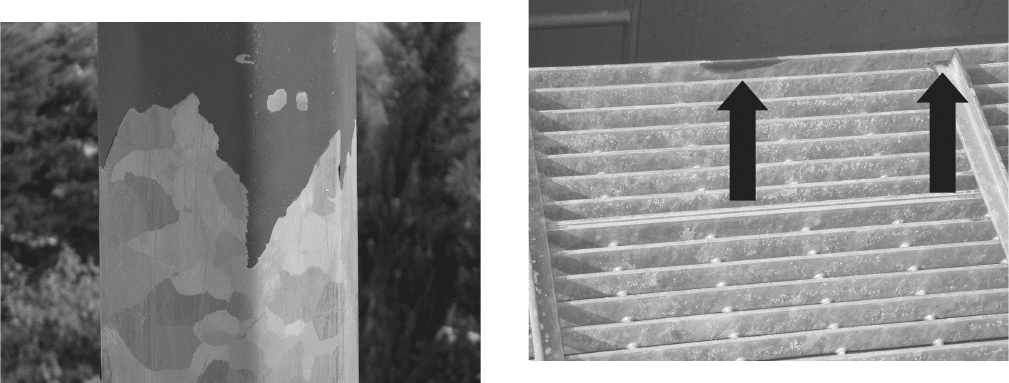
Figure 6.53 Debonded coating on a galvanized pole.
Figure 6.54 Premature rusting at coating defects on galva-
nized walkway.
is tin becoming anodic to carbon steel in deaerated
organic acids, for example, food “ tin cans. ”
Figure 6.51 was used to illustrate the idea that zinc is
inappropriate for use in acidic or caustic (basic, high -
pH) environments . Concerns about possible polarity
reversal also limit use at elevated temperatures. The
NACE standard for offshore coatings limits the use of
hot - dipped galvanizing to temperatures below 60 ° C
(140 ° F), presumably due to concerns about polarity
reversal.
12
Atmospheric corrosion of zinc coatings can also lead
to hydrogen embrittlement of high - strength steels, and
zinc coatings are not used on high - strength fasteners.
ASTM A490 bolts, which have high hardness, should not
have zinc coatings of any type because of this concern.
Lower strength (hardness) bolts manufactured to
ASTM A325 and ASTM A193 Grade B7 are acceptable
for galvanizing according to most authorities.
47,48,50
Galvanized structural steel is usually used with no
top coating. If top coating is necessary, for example, for
color coding or other purposes, special surface prepara-
tion precautions are necessary. If these precautions are
not followed, debonding of the topcoat from the galva-
nized substrate can result. This is shown in Figure 6.53 .
Coating defects can lead to premature corrosion on
some galvanized structures. This is shown on the edges
of a galvanized walkway landing alongside a large
above - ground storage tank under construction. The
spangle is still on the zinc coating, indicating that this
rusting is very premature and due to coating defects
present from the time of manufacture. Most coating
holidays of this size on new construction are due to
improper surface cleaning before placing the steel in the
molten zinc bath (Figure 6.54 ).
Thermal - Sprayed Aluminum (TSA) Coatings TSA
(also called fl ame - sprayed aluminum although there are
non - fl ame processes as well) coatings are becoming
more important for many applications. Tables 6.8 and
6.9 list several applications where TSA coatings are rec-
ommended. As experience with these coatings grows, it
is likely that more applications will become apparent.
They are currently recommended for various offshore
applications and for corrosion under insulation in pet-
rochemical piping.
7,12,14,51
TSA coatings work best when
they are sealed with organic sealers or semiorganic sili-
cone sealers.
52
Conoco (now ConocoPhillips) has used TSA coat-
ings for production risers since the mid - 1980s. Most of
this experience has been favorable, but problems have
been reported, usually due to inappropriate TSA coating
thickness, improper sealer application, or thermal
cycling due to wave splashing and cooling.
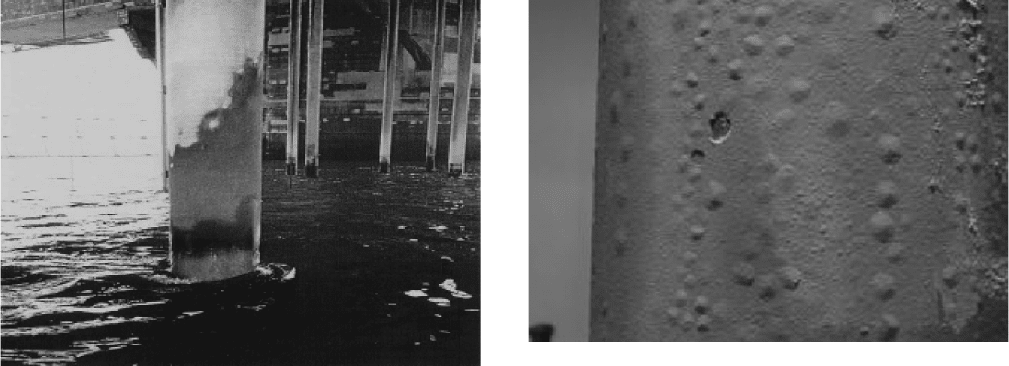
52
Corrosion
of hot risers and blisters due to inadequate sealing of
TSA coatings are shown in Figures 6.55 and 6.56 .
Cadmium Plating Electroplated cadmium was at one
time the preferred metallic coating for bolts and other
fasteners. The coatings are harder than similar electro-
plated zinc coatings and may be more corrosion resis-
tant. Cadmium plating is still commercially available in
North America, but environmental and occupational
health concerns are limiting its use. Most organizations
have stopped, or curtailed, the use of cadmium coatings,
and the use of cadmium coatings is not recommended
in recent NACE standards.
12
Amphoteric Coating Materials Zinc, aluminum, and
cadmium are often termed the amphoteric coating
c06.indd 145c06.indd 145 10/29/2010 10:35:52 AM10/29/2010 10:35:52 AM
146 METALLURGY AND CORROSION CONTROL IN OIL AND GAS PRODUCTION
metals. All of them have unacceptable corrosion rates
in acidic and basic environments.
Chromium and Other Corrosion - Resistant Alloys
(CRAs) Chromium, nickel, and CRA coatings are
used for corrosion resistance and also as hard facing for
erosion resistance in many applications to include well-
head equipment and pumps. In the absence of a reduc-
ible chemical, for example, oxygen or acid ions, little
galvanic corrosion with nearby carbon steel is likely.
WATER TREATMENT AND CORROSION
INHIBITION
The most common classifi cations of water into types
used in oil fi elds are:
52
Connate (Fossil) Water — the original water trapped
in the pores of a rock formation during its
formation.
Formation Water — water present in the hydrocarbon -
producing formation or related rock layers.
Produced Waters — these come from oil or gas wells
and can be combinations of formation waters and
condensates in various concentrations.
Injection Waters — these are surface waters injected
into formations to maintain formation pressures.
They contain dissolved solids and treatment
chemicals.
Condensed Waters — these are waters that condense
from the gas or oil well as temperatures and pres-
sures change. These waters have low mineral con-
tents and are often corrosive.
Meteoric Waters — these are waters that have come
from surface sources and are normally in the
upper layers of groundwater formations.
Connate, formation, produced, and injection waters are
important to oil and gas production processes.
Surface waters are also classifi ed by their salt con-
tents into:
Fresh Water — low in salt content ( < 1000 ppm
chlorides).
Seawater — found in oceans and seas, this water is
usually about 3.5% sodium chloride plus signifi -
cant concentrations of sulfate, magnesium, calcium,
potassium, bicarbonate, and other ions.
Brines — have higher salt contents than typical
seawater. Most oilfi eld waters fi t into this
classifi cation.
Brackish Waters — these are found in bays, estuaries,
and where major rivers empty into the sea. They
are too salty to be considered freshwater, and their
composition is intermediate between freshwater
and seawater.
Injection waters are necessary to maintain formation
pressure and to properly dispose of subsurface waters
that have been separated from produced hydrocarbons.
Many different source waters are used for injection
including seawater, freshwater, and produced water. It is
important to properly treat injection waters, because any
Figure 6.55 Corrosion of hot risers with improperly applied
thermal sprayed aluminum coatings in the splash zone after
only 2.5 years.
52
Photo courtesy of NACE International, repro-
duced with permission.
Figure 6.56 Blisters on heated unsealed TSA aluminum.
52
Photo courtesy of NACE International, reproduced with
permission.
c06.indd 146c06.indd 146 10/29/2010 10:35:53 AM10/29/2010 10:35:53 AM
CORROSION CONTROL 147
oxygen, bacteria, or scale - forming minerals from the
surface can cause souring or plugging of formations.
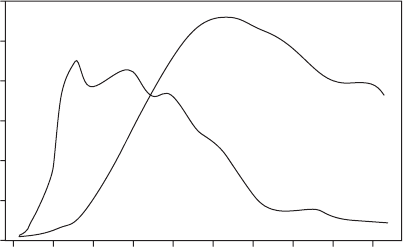
Figure 6.57 shows a typical production profi le for an
oil fi eld. The water production continues to increase for
several years after the peak oil production.
53
Worldwide,
the water - oil - ratio (WOR) averages about three barrels
of water for every barrel of oil, but the fi gures for the
United States, where fi elds are older and production
rates have declined, are approximately seven barrels of
water for each barrel of oil. Higher WORs are still prof-
itable. The annual costs of produced water disposal is
estimated at US$ 5 – 10 billion in the United States and
as much as US$40 billion worldwide.
53
Oilfi eld waste water terminology has changed in
recent years, and the following terms have been used
since 2000:
53
•
Water - based muds (WBM) or fl uids
•
Organic - phase drilling fl uids (OPF), which refer to
liquids based on drilling fl uids used when water -
based fl uids have been replaced by fl uids necessary
for directional drilling, horizontal completions, and
other high - technology drilling techniques.
At one time, oilfi eld waters and brines were cleaned to
100 ppm oil and disposed into the ocean. Since 1960, U.S.
state and federal regulations require all processed
wastewater to be reinjected into the oil reservoir.
53
This
trend has been followed elsewhere and has led to major
increases in operating costs.
Oil Production Techniques
Oilfi eld production can be classifi ed as follows:
53
Primary Production — uses reservoir energy to
produce the oil and gas. The average recovery of
the oil in place is 12 – 15%, but this varies depend-
ing on the viscosity of the oil.
Secondary Production — water or gas injection pro-
duces an additional 15 – 20% of the original oil in
place.
Tertiary Production — an additional 10 – 15% of the
original oil in place is recovered using enhanced
recovery techniques.
Note that these three stages only recover approximately
50% of the original oil in a formation. This means that
as technology advances, more oil can be recovered from
otherwise depleted reservoirs. Of course, the economics
of this additional recovery depends on market condi-
tions and the availability of other oil resources.
Waterfl ooding Waterfl ooding can lead to accelerated
downhole corrosion and formation plugging due to
scale formation. Injection water can mix with formation
water. If this happens deep in the formation (below the
water – oil boundary), this scaling may not have a signifi -
cant effect on production rates.
53
Enhanced Oil Recovery (EOR) There are a number
of methods of EOR. Two of the more common methods
are steam injection and CO
2
injection.
The terminologies for these various techniques are
not universally applied, and it is common to use the
term EOR for any recovery method that utilizes chemi-
cals other than water for recovery. Secondary recovery
is a term often used for repressurization of the reservoir
with water or hydrocarbon - based gas to force oil out
once the reservoir pressure has dropped.
Thermal processes usually involve heating the forma-
tion to reduce the viscosity of the unrecovered oil. The
most common method is steam - assisted gravity drain-
age (SAGD), where hot steam is injected into the higher
levels of the producing formation, and horizontal wells
drilled at lower levels collect the oil and pump it to the
surface. If steam is injected at excessive rates, the under-
ground pressure and temperature can become too high
and cause blowouts. Conversely, low temperatures will
lower recovery rates.
53
Steam injection often involves injecting low - quality
steam (approximately 80% vapor and 20% water) into
the formation to lower the viscosity of heavy oil in the
formation. Provided the downhole formation is main-
tained below about 400 ° F (200 ° C), downhole corrosion
is usually not a problem. Higher temperatures in the
range of 500 – 700 ° F (260 – 370 ° C) create CO
2
and H
2
S
problems, and the use of alloy tubular goods may
become necessary.
53
CO
2
injection, often termed miscible fl ooding, often
involves injecting water after the gas in a process known
Figure 6.57 Typical production profi le for an oil fi eld .
53
Water Production
Oil Production
60
50
40
30
20
10
0
Oilfield Operating Time (Years)
135791113151719
Production Volume (1,000 m
3
)
c06.indd 147c06.indd 147 10/29/2010 10:35:53 AM10/29/2010 10:35:53 AM
148 METALLURGY AND CORROSION CONTROL IN OIL AND GAS PRODUCTION
as water - alternating gas (WAG) recovery. This often
produces aggressive corrosive environments with wet
CO
2
and H
2
S and may require stainless steel or nickel
alloys in selected locations.
53
Water Analysis
Complete water analysis is seldom necessary. Table 6.12
shows commonly performed water analyses for differ-
ent purposes. Many of these determinations are per-
formed by water - treatment companies that also provide
chemicals for scale and corrosion control.
Several of these determinations, for example, all dis-
solved gas determinations and pH — which is infl uenced
by dissolved gases — are pressure and temperature sen-
sitive. This is the reason why most downhole pH deter-
minations are calculated, and why some samples must
be collected in pressure - maintaining devices. It is also
important that analyses be done in a timely manner, as
water chemistry may change signifi cantly after samples
are collected. Storage conditions cannot replicate the
dynamic conditions of fl owing fl uids. Field measure-
ments are especially important for pH, dissolved oxygen,
and alkalinity.
53
Gas Stripping and Vacuum Deaeration
Gas stripping implies that dissolved gases are removed
from liquids using pressure reduction, heat, or an inert
gas (stripping vapor — usually natural gas). Some pro-
cesses use all three of these principles.
Most topside corrosion is due to the presence of
oxygen. Vacuum deaerators and other thermal -
mechanical means are used to remove dissolved gases,
to include oxygen, from liquids. These systems can effec-
tively reduce the dissolved oxygen levels to 20 – 50 ppb.
Further oxygen removal is then possible using oxygen
scavengers, a form of corrosion inhibitors. Issues with
mechanical removal of dissolved gases include the initial
capital costs and maintenance. Fouling with solids and
bacteria can reduce effi ciency, and defoamers may
become necessary.
54
Corrosion Inhibitors
Corrosion inhibitors are substances which, when added
to an environment, decrease the rate of attack by the
environment. Removal of oxygen, if present, with
oxygen scavengers and adjustment of the pH to levels
above 10 usually substantially reduces corrosion rates.
While these approaches work in many aqueous environ-
ments, they are not practical for many production fl uids,
and the use of corrosion inhibitors, chemicals added to
the environment in small concentrations, will often
become necessary. These corrosion inhibitors will often
reduce the corrosion rate to approximately 5 – 10% of
the corrosion rate with no inhibitors.
The use of corrosion inhibitors was the main means
of internal corrosion control in oil and gas production
until the 1980s, when production from deeper, and con-
sequently hotter, formations led to the increasing use of
CRAs for environments where corrosion inhibitors will
not work.
55,56
Corrosion inhibition can be started or changed in situ
without disrupting a production process. This is a major
advantage over other corrosion control techniques, and
it also means that the inhibitor chemistry or dosage rate
can be changed as a fi eld ages and sours or other condi-
tions alter the corrosivity of the environment.
There are many other chemical treatments used for
oilfi eld production fl uids, and corrosion inhibitors must
be compatible with them. The most common compati-
bility problems are associated with hydrate inhibitors.
Other chemicals used for scale and paraffi n control,
antifoaming agents, emulsions breakers, and so on, also
affect corrosion inhibitor performance, but they will be
discussed only as they relate to corrosion control.
Types of Inhibitors Corrosion inhibitors have been
classifi ed many ways, but one of the most common is
into the following groups, based on how they control
corrosion:
57
•
Adsorption or fi lm - forming inhibitors
•
Precipitation inhibitors
•
Oxidizing or anodic passivation inhibitors
•
Cathodic corrosion inhibitors
•
Environmental conditioners or scavengers
•
Volatile or vapor - phase inhibitors
These groupings and others are shown in Figure 6.58 .
58
Another possible classifi cation is into organic and
inorganic inhibitors. Most corrosion inhibitors used for
oilfi eld applications are fi lm - forming organic chemicals,
but commercial multicomponent inhibitor packages
often contain inorganic oxygen and H
2
S scavengers and
oxidizing agents in addition to the fi lm - forming organic
components.
Inhibitors do their work at low relative dosages
(often expressed in parts per million or quarts per 1000
barrels).
Most oilfi eld inhibitors work by forming hydropho-
bic fi lms on metal surfaces. Filming amines, the fi rst of
these inhibitors to be widely used in oil and gas produc-
tion, were developed in the 1940s. Many other organic
corrosion inhibitors have been developed since that
time. There are a wide variety of commercially available
c06.indd 148c06.indd 148 10/29/2010 10:35:53 AM10/29/2010 10:35:53 AM