
Hogg S. Essential microbiology
Подождите немного. Документ загружается.


JWBK011-16 JWBK011-Hogg August 12, 2005 16:35 Char Count= 0
398 MICROORGANISMS IN THE ENVIRONMENT
Ultramicrobacteria are
bacteria that are much
smaller than normal
forms, and can pass
through a 0.22 µm filter.
They may represent a
response to reduced nu-
trient conditions.
differ from those in freshwater. In the last decade or so,
the presence of ultramicrobacteria has been detected in
marine ecosystems at relatively high densities; these are
around one-tenth of the size of ‘normal’ bacteria. Ma-
rine bacteria are of necessity halophilic. Anaerobic de-
composing bacteria inhabit the benthic zone, carrying
out reactions similar to those that occur in freshwater
sediments, whilst the profundal zone is largely free of
microbial life.
Detection and isolation of microorganisms
in the environment
As we emphasised in the last chapter, microorganisms rarely, if ever, exist in nature
as pure cultures but rather form mixed populations. Methods are required, therefore,
for the detection and isolation of specific microbial types from such mixtures. The
traditional method of isolation is the use of an enrichment culture, as described in
Chapter 4. As examples, aerobic incubation with a supply of nitrite would assist in the
isolation of nitrifying bacteria such as Nitrobacter from mud or sewage, whilst a minimal
medium containing FeSO
4
at pH 2 would encourage the isolation of A. ferrooxidans
from a water sample.
We now know however that there are many types of microorganism in the envi-
ronment that have so far resisted all attempts to culture them in the laboratory (often
referred to as viable but non-culturable). The use of modern molecular techniques has
helped us to identify the existence of a much broader range of bacteria and archaea than
had previously been thought to exist. The extreme sensitivity of such methods means that
we are able to demonstrate the presence of even a single copy of a particular bacterium
in a mixed population. One such technique is called fluorescence in situ hybridisa-
tion (FISH). This uses a probe comprising a short sequence of single-stranded DNA or
RNA that is unique to a particular microorganism, attached to a fluorescent dye. The
Antibodies are proteins
produced by the im-
mune systems of higher
animals in response to in-
fection by a foreign or-
ganism; their main char-
acteristic is their extreme
specificity, thus they can
be used to locate a spe-
cific protein.
microorganisms are fixed to a glass slide and incubated
with the probe. The rules of base pairing in nucleic acids
mean that the probe will seek out its complementary
sequence, and cells carrying this sequence can be visu-
alised under a fluorescence microscope. The most com-
monly used ‘target’ is ribosomal RNA, since this shows
sequence variation from one microbial type to another,
and because there are multiple copies within each cell,
providing a stronger response. The polymerase chain re-
action (PCR, Chapter 12) is another valuable tool in the
identification of specific nucleic acid sequences. Other
methods, not dependent on DNA, include the use of
fluorescence-labelled antibodies raised against specific
microorganisms.

JWBK011-16 JWBK011-Hogg August 12, 2005 16:35 Char Count= 0
BENEFICIAL EFFECTS OF MICROORGANISMS IN THE ENVIRONMENT 399
Beneficial effects of microorganisms
in the environment
The central role played by microorganisms in the recycling of essential elements on a
global scale has already been stressed in this chapter. Many of their natural activities are
exploited by humans for their own benefit. Some form the basis of industrial processes
Biodegradation is the
term used to describe
the natural processes of
breakdown of matter by
microorganisms.
such as those used in the food and drink industries and
are considered in Chapter 17, while the application of
others is essentially environmental. Notable among these
is the harnessing of natural processes of biodegradation
to treat the colossal volumes of liquid and solid wastes
generated by our society. These are reviewed briefly in
the following section.
Solid waste treatment: composting and landfill
We in the modern Western world are often described as living in a ‘throwaway society’.
On average, each of us generates around 2 tonnes of solid waste material per year, and all
of this must be disposed of in some way! Most of it ends up in landfill sites, huge holes in
the ground where refuse is deposited to prevent it being a hazard. The non-biodegradable
components (metals, plastics, rubble, etc.) remain there more or less indefinitely; how-
ever, over a period of time biodegradable material (food waste, textiles, paper, etc.)
undergoes a decomposition process. The rate at which this happens is dependent on the
nature of the waste and the conditions of the landfill, but could take several decades.
Aerobic processes give way to anaerobic ones and a significant result of the latter is the
generation of methane. Modern landfill sites incorporate systems that remove this to
prevent it being a fire/explosion hazard, and may put it to good use as a fuel source.
Many householders separate organic waste items such as vegetable peelings and
grass cuttings and use them to make compost. This practice, apart from providing a
useful gardening supplement, also substantially reduces the volume of material that has
to be disposed of by other means (see above). We have already mentioned the role of
microorganisms in the recycling of carbon in the biosphere; these same processes serve to
degrade the organic waste, especially the cellulose, resulting in a considerable reduction
of the bulk. Fungi and bacteria, particularly actinomycetes, break down the organic
matter to produce CO
2
, water and humus, a relatively stable organic end product.
Compost is not really a fertiliser, since its nitrogen content is not high, but it nevertheless
provides nutrients to a soil and generally helps to improve its condition. Composting is
carried out on a large scale by local authorities using the waste generated in municipal
parks and gardens.
Wastewater treatment
The aim of wastewater treatment is the removal of undesirable substances and haz-
ardous microorganisms in order that the water may safely enter a watercourse such as
JWBK011-16 JWBK011-Hogg August 12, 2005 16:35 Char Count= 0
400 MICROORGANISMS IN THE ENVIRONMENT
a river or stream. Further purification procedures are required before it can be used
as drinking water. Wastewater treatment is fundamental to any developed society, and
greatly reduces the incidence of waterborne diseases such as cholera. Wastewater may
come from domestic or commercial sources; highly toxic industrial effluents may re-
quire pre-treatment before entering a water treatment system. Sewage is the term used
to describe liquid wastes that contain faecal matter (human or animal).
The effectiveness of the treatment process is judged chiefly by the reduction of the
wastewater’s biochemical oxygen demand (BOD). This is a measure of the amount of
oxygen needed by microorganisms to oxidise its organic content. A high BOD leads to
the removal of oxygen from water, a certain indicator of pollution.
Wastewater treatment usually occurs in stages, the first of which (primary treatment)
is purely physical, and involves the removal of floating objects followed by sedimen-
tation, a process that removes up to a third of the BOD value. Secondary treatment
involves microbial oxidation, leading to a substantial further reduction in BOD. This
may take one of two forms, both of which are aerobic, the traditional trickling filter and
the more recent activated sludge process (Figure 16.6). In the former, the wastewater is
passed slowly over beds of stones or pieces of moulded plastic. These develop a biofilm
comprising bacteria, protozoans, fungi and algae, and the resulting treated water has its
Bar screen,
grit tank Microbial
oxidation
Trickling Activated
filters sludge
Sludge Water
CO
2
Chlorination/UV treatment
CH
4
Discharge
Disposal of
dewatered sludge
Primary
treatment
Secondary
treatment
Anaerobic
digestion
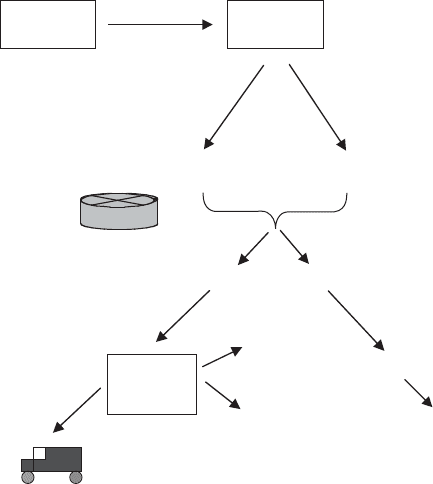
Figure 16.6 Wastewater treatment. Wastewater treatment achieves a reduction of the bio-
chemical oxygen demand of the water by primary (physical) and secondary (biological)
treatment

JWBK011-16 JWBK011-Hogg August 12, 2005 16:35 Char Count= 0
BENEFICIAL EFFECTS OF MICROORGANISMS IN THE ENVIRONMENT 401
BOD reduced by some 80–85 per cent. Activated sludge plants achieve an even higher
degree of BOD reduction. Here the wastewater is aerated in tanks that have been seeded
with a mixed microbial sludge. The main component of this is the bacterium Zoogloea,
which secretes slime, forming aggregates called flocs, around which other microorgan-
isms such as protozoans attach. Some of the water’s organic content is not immediately
oxidised, but becomes incorporated into the flocs. After a few hours’ residence in the
tank, the sludge is allowed to settle out, and the treated water passes out of the system.
Before being discharged to a watercourse, it is treated with chlorine to remove any
pathogenic microorganisms that may remain.
The principal operating problem encountered with activated sludge is that of bulking.
This is caused by filamentous bacteria such as Sphaerotilus natans; it results in the sludge
not settling properly and consequently passing out with the treated water.
Both secondary treatment processes result in some surplus sludge, which undergoes
anaerobic digestion, resulting in the production of methane and CO
2
. The methane can
be used as a fuel to power the plant, and any remaining sludge is dewatered and used
as a soil conditioner. Care must be taken in this context, however, that the sludge does
not have a high heavy metal content.
Bioremediation
Perhaps the biggest problem facing the developed world at the start of the twenty first
century is that of pollution of the environment. Our dependence on the products of the
chemical industries has resulted in the production of vast amounts of toxic waste mate-
rial. One way of dealing with such (mostly organic) waste is to encourage the growth of
Bioremediation is the use
of biological processes
to improve a specific en-
vironment, such as by
the removal of a pollu-
tant.
bacteria and fungi that are able to oxidise the pollu-
tants, a process known as bioremediation. Elsewhere in
this book we have seen how microorganisms are able to
utilise an enormous range of organic compounds as car-
bon sources; the Gram-negative bacterium Burkholde-
ria cepacia can use over 100 such compounds. Many
organisms can metabolise not only naturally occurring
substances, but also synthetic ones, making them valu-
able allies in the process of bioremediation. Often the
most effective microorganisms to use are those found living naturally at the contami-
nated site, since they have demonstrated the ability to survive the toxic effects of the
pollutant, although in other cases specially adapted or genetically modified bacteria may
Bioaugmentation is the
deliberate introduction
of specific microorgan-
isms to an environment
in order to assist in biore-
mediation.
be introduced (bioaugmentation). Examples of the use
of microorganisms include the treatment of toxic waste
sites, chemical spills, pesticides in groundwater and oil
spills. One of the first successful applications of biore-
mediation came in the aftermath of the Exxon Valdez
disaster in 1989 when thousands of tons of crude oil
were released off the coast of Alaska. Depending on the
circumstances, bioremediation procedures may occur

JWBK011-16 JWBK011-Hogg August 12, 2005 16:35 Char Count= 0
402 MICROORGANISMS IN THE ENVIRONMENT
in situ, or the contaminated soil or water may be removed to a specialist facility for
treatment.
Harmful effects of microorganisms in the environment
The natural processes of bioconversion that are so important in the global recycling of
elements may have unwanted consequences for humans. Prominent among these is acid
mine drainage, a frequently encountered problem in mining regions. Bacterial oxidation
of mineral sulphides, particularly the ubiquitous iron pyrite, leads to the release of
a highly acidic leachate into streams and rivers. This also contains dissolved metals,
including ferric iron. When it mixes with stream water, the pH is raised sufficiently for
the iron to precipitate as unsightly orange ferric hydroxides, blanketing the stream bed
and wiping out plant and animal life. The main culprits in the formation of acid mine
drainage are sulphur-oxidising bacteria, notably Acidithiobacillus ferrooxidans;aswe
shall see in the final chapter, under controlled conditions this same organism can also
provide economic benefits to the mining industry by extracting valuable metals from
low grade ores.
Biodeterioration is the
damage caused to ma-
terials of economic im-
portance due to biolog-
ical (mainly microbial)
processes.
Another area in which environmental microorgan-
isms can have detrimental effects is that of biodeterio-
ration, whereby economically important materials such
as wood, paper, textiles, petroleum and even metals and
concrete may be subject to damage by a range of mi-
croorganisms, mainly fungi and bacteria.
The most important microorganisms in the biodete-
rioration of wood are members of the Basidiomycota.
Wood is only susceptible to fungal attack when its moisture level reaches around 30 per
cent. The major component of wood that is subject to microbial attack is cellulose, al-
though some forms can also degrade lignin. There are two main forms of rot; white rot,
which involves the degradation of lignin as well as cellulose, and brown rot, in which
the lignin is unaltered. The dry rot fungus Serpula lacrymans produces thick strands of
hyphae called rhizomorphs, which it uses to conduct water and nutrients from damper
areas. These are very strong, and able to travel over brickwork and masonry barriers.
S. lacrymans is able to generate water as a metabolic end product and thus, once estab-
lished, is able to grow even on dry wood. Dry rot flourishes in areas of static dampness
such as badly ventilated, uninhabited properties.
Because cellulose is also an important component of paper and textiles, its breakdown
is clearly of great economic importance. Degradation by fungi, and, to a lesser extent,
bacteria, results in a loss of strength of the material in question. The paper-making
process provides warm, wet conditions rich in nutrients, ideal for microbial growth,
which can clog up machinery and discolour the finished product. A variety of biocides
are used in an effort to minimise microbial contamination.
The discoloration referred to above raises the point that biodeterioration of a material
need not necessarily affect its physical or chemical make-up; aesthetic damage can lessen
the economic value of a material by altering its appearance. The blackening of shower
curtains by moulds growing on surface detritus, familiar to generations of students, is
another example of this!

JWBK011-16 JWBK011-Hogg August 12, 2005 16:35 Char Count= 0
TEST YOURSELF 403
Test yourself
1 Microorganisms are essential in the of elements in the biosphere.
2
organisms fix carbon dioxide into compounds. These
are
by heterotrophs and carbon dioxide is returned to the
.
3 Nitrogen-fixing bacteria need to keep the interior of their cells oxygen-free
because of the sensitivity of the
towards oxygen.
4 The release of inorganic nutrients from organic compounds as a result of
microbial metabolism is termed
.
5 Powdered
is added to alkaline soils in order to encourage the
activity of
bacteria, which leads to a reduction in pH.
6 Certain photosynthetic bacteria are able to use hydrogen sulphide as a
of in the reduction of carbon dioxide.
7
often acts as the limiting nutrient in an ecosystem, because it is
only available in an insoluble form.
8 The
are the major group of bacteria found in a typical soil.
9
are complex populations of microorganisms held together within
a polysaccharide matrix.
10 The microbial population of a aquatic habitat is influenced by the availability
of
and .
11 The profundal zone is the name given to deep waters characterised by the
absence of
.
12 In the benthic zone, the microbial population comprises mostly
forms.
13 A high organic content in a body of water encourages the growth of
, which may lead to a depletion of available .
14 Unicellular photosynthesisers such as the
and are col-
lectively termed
.
15 Molecular techniques such as FISH (
) enable the detection of microorganisms it is not possible to cul-
ture by conventional means.

JWBK011-16 JWBK011-Hogg August 12, 2005 16:35 Char Count= 0
404 MICROORGANISMS IN THE ENVIRONMENT
16 The effectiveness of a wastewater treatment regime may be judged by the
reduction in the
( ).
17 The two forms of secondary wastewater treatment are
and .
18 In anaerobic digestion, organic matter is converted into
and
.
19 The principal component of wood that is susceptible to biodeterioration is
. However the white rot fungi can also degrade .
20 The dry rot fungus Serpula lacrymans is able to conduct water via thick
strands of hyphae called
.
JWBK011-17 JWBK011-Hogg August 12, 2005 16:36 Char Count= 0
Part VII
Microorganisms in Industry
405
JWBK011-17 JWBK011-Hogg August 12, 2005 16:36 Char Count= 0
406
JWBK011-17 JWBK011-Hogg August 12, 2005 16:36 Char Count= 0
17
Industrial and Food
Microbiology
Many aspects of our everyday lives are influenced in some way by microorganisms. In
previous chapters we have noted their role in our environment, as well as their ability
both to cause and cure infectious diseases. In addition, they are responsible for the
production of much of what we eat and drink, synthesise industrially useful chemicals,
and can even extract precious metals from the Earth (Table 17.1). In this chapter we
shall look at some of the ways in which the activities of microorganisms have been
harnessed for the benefit of humans, and developed on an industrial scale. The first
applications of biotechnology many thousands of years ago were in the production of
food and drink, so it is here that we shall begin our survey.
Microorganisms and food
To the general public, the association of microorganisms and food conjures up negative
images of rotten fruit or food poisoning. On reflection, many people may remember
that yeast is involved in bread and beer production, but how many realise that microor-
ganisms play a part in the manufacture of soy sauce, pepperoni and even chocolate? In
the following pages, we shall look at the contribution of microorganisms to the contents
of our shopping baskets before considering one of the negative associations referred to
above, the microbial spoilage of food.
The production of foodstuffs as a result of microbial fermentation reactions pre-
dates recorded history. The accidental discovery that such foods were less susceptible
to spoilage than fresh foods must have made them an attractive proposition to people
in those far-off days. Of course, until relatively recent times, nothing was known of the
part played by microorganisms, so the production of beer, cheese and vinegar would
not have been the carefully controlled processes that are used today. Indeed, it was only
with the development of isolation techniques towards the end of the nineteenth century
(recall Chapter 1), that it became possible to use pure cultures in food production for
the first time. The fermentation of foodstuffs, hitherto an art, became a science.
407