
Lopes H.S., Cruz L.M. (eds.) Computational Biology and Applied Bioinformatics
Подождите немного. Документ загружается.


The Use of Functional Genomics in Synthetic Promoter Design
377
synthetic promoter. The steroid-inducible Glucocorticoid Receptor Element (GRE) is a
naturally occurring sequence that regulates the expression of a plethora of genes that are
responsive to glucocorticoids. In a relatively early study several of these elements were
linked together in order to construct a promoter with enhanced responsiveness to these
steroids (Mader et al., 1993). This study detailed the construction of a 5 x GRE synthetic
promoter linked to the Adenovirus type 2 major late promoter TATA region that displayed
50-fold more expression levels in response to steroid hormones when compared to the
natural promoter sequence. This synthetic promoter is now a widely used constituent of a
number of reporter constructs adopted in a variety of different research applications.
Finally, synthetic promoters have also been used in prokaryotic systems to reveal that
regulation of gene expression follows boolean logic (Kinkhabwala et al., 2008). In this
prototypical study the authors found that two transcription repressors generate a NOR
logic; i.e. a OR b (on OR off), while one repressor plus one activator determines an ANDN
logic; i.e. a AND NOT b (on AND NOT off). This idea was later expanded on to demonstrate
that various combinations of synthetic promoters could combine to generate 12 out of 16
boolean logic terms (Hunziker et al., 2010). Most interestingly the results from these studies
demonstrated that if a promoter does not follow a specific logic it is more likely to be leaky,
in that it will drive gene expression under conditions where it is not expected to.
In this chapter we describe the evolution of synthetic promoter technology, its application in
the development of improved tissue-specific promoters and its potential use for the
development of effective disease-specific gene regulators; thus enabling the development of
safer and more effective gene therapies.
3. Recent advances in the design of the synthetic promoter
In recent years some efforts have been made to construct synthetic promoters for tissue
specific transcription based on the linking of short oligonucleotide promoter and enhancer
elements in a random (Li et al., 1999; Edelman et al., 2000) or ordered (Chow et al., 1997;
Ramon et al., 2010) fashion.
In what can be described as one of the first attempts to rationally design a tissue-specific
synthetic promoter, Chow et al. describe the rearrangement of the cytokeratin K18 locus to
construct a promoter mediating a highly restrictive pattern of gene expression in the lung
epithelium (Chow et al., 1997). In this study the authors describe the generation of
transgenic mice with this construct and demonstrate expression only in the lung. They also
generated CMV (Cytomegalovirus) and SV40 (Sarcoma Virus 40) promoter based constructs
and found lack of specificity and no expression in the lung epithelia. This study had
important implications for researchers developing lung-based gene therapies, i.e. if CMV,
one of the most widely used promoters, could not regulate gene expression in the lung
epithelia then it is necessary to identify (or develop) new promoters that can efficiently
regulate gene expression in this location. Indeed, it is now becoming increasingly apparent
that traditional virus-derived promoters like CMV and RSV (Rous Sarcoma Virus) will have
limited application in the development of modern gene therapeutics.
The random assembly of cis-regulatory elements has shown particular success as a means to
develop synthetic promoters. In one such approach, which aimed to identify synthetic
promoters for muscle-specific expression, duplex oligonucleotides from the binding sites of
muscle-specific and non-specific transcription factors were randomly ligated and cloned
upstream of a minimal muscle promoter driving luciferase (Li et al. 1999). Approximately
Computational Biology and Applied Bioinformatics
378
1000 plasmid clones were individually tested by transient transfection into muscle cells and
luciferase activity was determined in 96-well format by luminometry. By this approach
several highly active and muscle specific promoters were identified that displayed
comparable strength to the most commonly used viral promoters such as CMV.
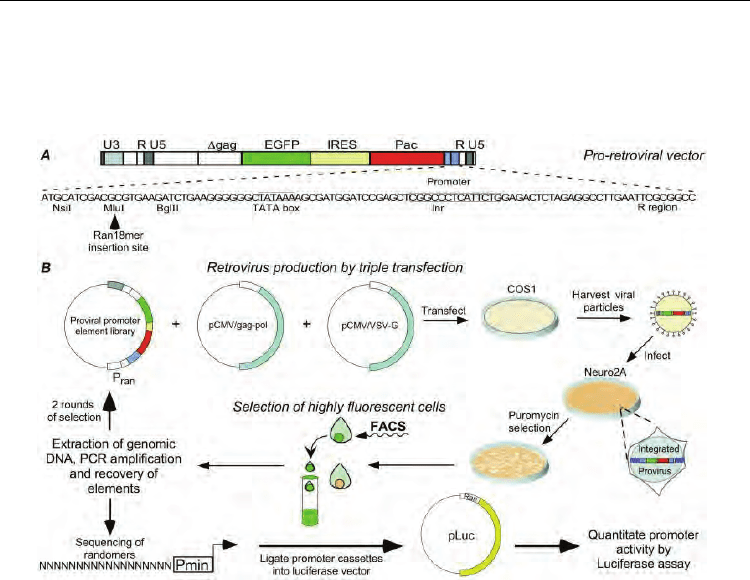
Fig. 2. Typical procedure for generation of synthetic mammalian promoters (reproduced
from PNAS, Vol. 97, No. 7, pp. 3038-3043 copyright (c) 2000 by the National Academy of
Sciences, USA)
Retroviral vectors have also been used to screen for synthetic promoters in eukaryotic cells
(Edelman et al., 2000). This study was the first description of a retroviral library approach
using antibiotic resistance and FACS selection to isolate promoter sequences (illustrated in
figure 2). The libraries generated using random oligonucleotides in an effort to identify new
sequences as well as examining the effects of combinations of known elements and for
uncovering new transcriptional regulatory elements. After preparing a Ran18 promoter
library comprises random 18mer oligonucleotides, the authors analysed the sequences of the
generated synthetic promoters by searching for known transcription factor binding motifs.
They found that the highest promoter activities were associated with an increased number
of known motifs. They examined eight of the best known motifs; AP2, CEBp, gre, ebox, ets,
creb, ap1 AND sP1/maz. Interestingly, several of the promoter sequences contained none of
these motifs and the author's looked for new transcription factors.
In a similar effort employed to examine one million clones, Sutton and co-workers adopted
the FACS screening approach based on the establishment of a lentiviral vector-based library
(Dai et al., 2004). In this study duplex oligonucleotides from binding sites of endothelial cell-
specific and non-specific transcription factors were cloned in a random manner upstream of
a minimal promoter driving expression of eGFP in a HIV self-inactivating expression vector.
A pool of one million clones was then transfected into endothelial cells and the highest

The Use of Functional Genomics in Synthetic Promoter Design
379
expressers were selected by FACS sorting. Synthetic promoters were then rescued from
stable transfectants by PCR from the genomic DNA where the HIV vectors had integrated.
The results from this study also demonstrated the possibility of isolating several highly
active endothelial cell-specific synthetic promoter elements from a random screen.
Synthetic promoters active only in the liver have also been developed (Lemken et al., 2005).
In this study transcriptional units from ApoB and OTC genes were used in a controlled,
non-random construction procedure to generate a series of multimeric synthetic promoters.
Specifically, 2x, 4x, 8x and 16x repeats of the ApoB and OTC promoter elements were
ligated together and promoter activity analysed. The results indicated that the promoter
based on 4xApoB elements gave the optimal levels of gene expression and that 8x and 16x
elements gave reduced levels of expression, thus demonstrating the limitations of simply
ligating known promoter elements together in a repeat fashion to achieve enhanced
expression.
When adopting this type of methodology in the design of synthetic tissue-specific promoters
it is important to use well-designed duplex oligonucleotides. For example, each element has
to be spaced in such a way that the regulatory elements appear on the same side of the DNA
helix when reassembled, relevant minimal promoter elements have to be employed so that
the screen produces promoters capable of expressing efficiently only in the tissue of interest
and there must be some sort of mechanism, such as the addition of Sp1 sites, for the
protection against promoter silencing through methylation.
In addition to tissue-specific promoters, cell-type synthetic promoters have also been
developed. In one study, researchers designed a synthetic promoter to be active in
nonadrenergic (NA) neurones (Hwang et al., 2001). They authors randomly ligated cis-
regulatory elements that were identified from the human dopamine beta-hydroxylase
(hDBH) gene and constructed promoters with up to 50-fold higher activity than the original
promoter. Specifically, two elements from the promoter were used to generate a multimeric
synthetic promoter; PRS1 and PRS2 which are bound to by the Phox2a transcription factor.
The results demonstrated that the PRS2 was responsible for higher levels of gene expression
as it had higher affinity to Phox-2a. It was also found that eight copies of PRS2 in the same
orientation yielded maximum activity.
In a similar type of study a synthetic promoter was constructed that was specifically active
in myeloid cells (He et al., 2006). The promoter comprised myeloid-specific elements for
PU.1, C/EBPalpha, AML-1 and myeloid-associated elements for Sp1 and AP-1, which were
randomly inserted upstream of the p47-phox minimal promoter. Synthetic promoters
constructed showed very high activity. Haematopoietic Stem Cells (HSC) were initially
transduced then the expression in differentiated cells was examined; only myeloid cells
were found to express the reporter construct. To test therapeutic applicability of these
promoters apoE-/- mice were transplanted with HSC transduced with a lentiviral vector
expressing apoE from CMV and synthetic promoters. Even though transduced cells
containing CMV and synthetic promoters both corrected the artherosclerotic phenotype, the
cells derived from lentiviral vectors harbouring the synthetic promoter did so with less
variability. Thus highlighting the improved safety features when using synthetic promoters
for gene therapy applications.
In addition to tissue- and cell type-specific constitutive promoters, inducible synthetic
promoters can also be constructed. One group describe a synthetic promoter constructed by
placing the EPO enhancer region upstream of the SV40 promoter. The result is a strong

Computational Biology and Applied Bioinformatics
380
promoter that is active only under ischaemic conditions. The authors tested this promoter by
developing Neural Stem Cells (NSC) responsive to hypoxia and proposed that this system
could be used to deliver therapeutic stem cells to treat ischaemic events. The authors were
able to demonstrate that transplantation of NSC modified with a hypoxia-sensitive synthetic
promoter resulted in specific expression of the luciferase reporter gene in response to
ischaemic events in vivo (Liu et al., 2010).
4. Applications of synthetic promoter technology
Synthetic promoters have direct applications in large-scale industrial processes where
enzymatic pathways are used in the production of biological and chemical-based products
(reviewed in Hammer et al., 2006). One of the most important limitations in industrial-scale
processes that synthetic promoter technology addresses is the inherent genetic instability in
synthetically engineered biological systems. For instance, in prokaryotic organisms designed
to express two or more enzymes, mutations will invariably arise in very few generations
resulting in the termination of gene expression. This is because there is the lack of
evolutionary pressure keeping all the components intact. The result is that mutations accrue
over generations resulting in the deactivation of the circuit. Homologous recombination in
natural promoters driving high levels of gene expression is the main reason why this
circuitry fails (Sleight et al., 2010). Therefore, the use of synthetic promoters in these systems
should serve to lower gene expression to result in more genetic stability, allow the
avoidance of repeat sequences to prevent recombination and allow the use inducible
promoters (a feature that also reduces genetic instability). In summary, the use of synthetic
promoter technology in complex genetically engineered synthetic organisms expressing a
variety of components should serve to increase genetic stability and improve the efficiency
of the processes that the components control.
One interesting therapeutic application for synthetic promoter technology that has been
described is the generation of a class of replication-competent viruses that enable tumour
cell-specific killing by specifically replicating in cancer cells. In this study a replication
competent retrovirus was developed to selectively kill tumour cells (Logg et al., 2002). The
authors added a level of transcriptional targeting by incorporating the prostate-specific
probasin (PB) promoter into the retroviral LTR and designed more efficient synthetic
promoters based on the PB promoter to increase the efficiency of retroviral replication in
prostate cancer cells. The result was a retrovirus that could efficiency transduce and
replicate only in cancer cells. This is an attractive therapeutic strategy for the treatment of
cancer, as tumour virotherapy has actually been examined as a potential therapeutic
strategy for several decades.
Synthetic promoters that are active only in cycling endothelial cells would be another
attractive tool for the development of cancer gene therapies. The rationale being that by
targeting new blood vessels growing into tumours we would be able to develop a cancer
gene therapy that could cut off supply of nutrients to the growing cancer. In a study that
adopted this approach the cdc6 gene promoter was identified as a candidate promoter
active only in cycling cells and was coupled to the endothelin enhancer element to construct
a promoter active in dividing endothelial cells (Szymanski et al., 2006). Four endothelin
elements conjugated to the cdc6 promoter gave the optimal results in vitro. When introduced
into tumour models in vivo, the synthetic promoter was more efficient at driving gene
expression in cancerous tissues, when compared to a CMV promoter.

The Use of Functional Genomics in Synthetic Promoter Design
381
Perhaps one of the most impressive applications of synthetic promoter technology thus far
was the development of a liver-specific promoter that could be used to essentially cure
diabetes in a transgenic mouse model (Han et al., 2010). In this study a synthetic promoter
active in liver cells in response to insulin was constructed. The authors designed 3-, 6- & 9-
element promoters based on random combinations of HNF-1, E/EBP and GIRE cis-elements.
In the 3-element promoters all 27 combinations of the three were tested and the highest
activity promoters were used to generate the 6-element promoter and so on. Using this
technique promoters with activity up to 25% of CMV were identified. Finally, the optimal
promoter was chosen depending on its responsiveness to glucose. This promoter showed
highest specificity to liver cells and in response to Glucose and yielded expression levels
21% that of CMV. Adenoviral vectors containing this promoter driving expression of insulin
were injected into a mouse diabetic model. Injection with the highest dose of virus resulted
in protection against hyperglycaemia for 50 days. Importantly, injection with adenovirus
expressing insulin from a CMV promoter resulted in death of the animals due to
hypoglycaemia, thus illustrating the importance of regulated expression in gene therapy.
Importantly, the results from this study excellently illustrated why the clever design of
synthetic promoters controlling restricted gene expression will be essential in the
development of safe gene therapy.
Synthetic promoters are increasingly being used in gene therapy type of studies. In one
recent study their potential application to the gene therapy of Chronic Granulomatous
Disease (X-CGD; an X-linked disorder resulting from mutations in gp91-phox, whose
activity in myeloid cells is important in mounting an effective immune response) was
examined (Santilli et al., 2011). The authors cite a clinical trial using a retroviral vector,
which was successful at correcting the phenotype, but expression was short-lived due to
promoter inactivation. In order to address this issue a chimeric promoter was constructed
that was a fusion of Cathepsin G and c-Fes minimal promoter sequences, which are
specifically active in cells of the myeloid lineage. This promoter was used to drive the
expression of gp91-phox in myeloid cells in mice using a SIN lentiviral vector and the
results show effective restricted expression to monocytes and subsequent introduction of
gp91 results in high levels of expression in target cells and restoration of wild type
phenotype in vitro. X-CGD cells were then transduced with the lentiviral vector and grafted
into a mouse model of CGD. The vector was able to sustain long-term expression of gp91-
phox, resulting in levels of expression that could correct the phenotype. Expression was
specifically seen in granulocytes and monocytes, and not B- and T-cells.
These studies serve to highlight the potential application of synthetic promoter technology
in gene therapy. They particularly highlight the importance of achieving cell-type specific
gene expression and address the common issue of promoter shutdown that is seen when
using stronger viral promoters like those derived from the CMV and RSV. If gene therapy is
to be a success in the clinic it will be imperative to develop promoters that are highly
specific and which display a restrictive and predictable expression profile. Thus, synthetic
promoter technology represents the ideal solution to achieve this goal and its use is likely to
become an increasingly popular approach adopted by researchers developing gene
therapeutics.
5. Bioinformatic tools and synthetic promoter development
We first described how functional genomics experimentation and bioinformatics tools could
be applied in the design of synthetic promoters for therapeutic and diagnostic applications

Computational Biology and Applied Bioinformatics
382
several years ago (Roberts, 2007). Since then a number of scientists have also realised that
this approach can be broadly applied across the biotech industry (Venter et al., 2007). In this
section we discuss some of the tools that we use to analyse data obtained from large-scale
gene expression analyses, which is subsequently used in the smart design of synthetic
promoters conveying highly-specific regulation of gene expression.
To design a synthetic promoter it is essential to identify an appropriate number of cis-
regulatory elements that can specifically bind to the trans factors that enhance gene
transcription. This is where the importance of a number of bioinformatic algorithms
becomes apparent. Over the past several years a number of databases and programs have
been developed in order to identify transcription factor biding sites (TFBSs) on a variety of
genomes. Below we introduce the most extensively used resources and discuss their
application to the design of synthetic promoters, we pay particular attention to the
identification of transcription networks active in cancer and how this information can be
used to design cancer-specific promoters that can be used in the design of safer and more
effective tumour-targeted gene therapies.
There is now a growing trend for researchers to analyse microarray data in terms of ‘gene
modules’ instead of the presentation of differentially regulated gene lists. By grouping genes
into functionally related modules it is possible to identify subtle changes in gene expression
that may be biologically (if not statistically significantly) important, to more easily interpret
molecular pathways that mediate a particular response and to compare many different
microarray experiments from different disease states in an effort to uncover the
commonalities and differences in multiple clinical conditions. Therefore, we are moving into
a new era of functional genomics, where the large datasets generated by the evaluation of
global gene expression studies can be more fully interpreted by improvements in
computational methods. The advances in functional genomics made in recent years have
resulted in the identification of many more cis-regulatory elements that can be directly
related to the increased transcription of specific genes. Indeed, the ability to use
bioinformatics to unravel complex transcriptional pathways active in diseased cells can
actually serve to facilitate the process of choosing suitable cis-elements that can be used to
design synthetic promoters specifically active in complex pathologies such as cancer.
In cancer the changes in the gene expression profile are often the result of alterations in the
cell’s transcription machinery induced by aberrant activation of signalling pathways that
control growth, proliferation and migration. Such changes result in the activation of
transcription regulatory networks that are not found in normal cells and provide us with an
opportunity to design synthetic promoters that should only be active in cancerous cells. If
microarray technology is to truly result in the design of tailored therapies to individual
cancers or even patients, as has been heralded, it is important that the functional genomics
methodology that was designed for the identification of signalling and transcription
networks be applied to the design of cancer-specific promoters so that effective gene
therapeutic strategies can be formulated (Roberts & Kottaridis, 2007). The development of
bioinformatics algorithms for the analysis of microarray datasets has largely been applied in
order to unravel the transcription networks operative under different disease and
environmental conditions. To this date there has been no effort to use this type of approach
to design synthetic promoters that are operative only under these certain disease or
environmental conditions.

The Use of Functional Genomics in Synthetic Promoter Design
383
The regulation of gene expression in eukaryotes is highly complex and often occurs through
the coordinated action of multiple transcription factors. The use of trans-factor combinations
in the control of gene expression allows a cell to employ a relatively small number of
transcription factors in the regulation of disparate biological processes. As discussed herein,
a number of tools have been developed that allow us to utilise microarray data to identify
novel cis-regulatory elements. It is also possible to use this information to decipher the
transcriptional networks that are active in cells under different environmental conditions. In
yeast, the importance of the combinatorial nature of transcriptional regulation was
established by specifically examining clusters of upregulated genes for the presence of
combinations of cis-elements. By examining microarray data from yeast exposed to a variety
of conditions the authors were able to construct a network of transcription revealing the
functional associations between different regulatory elements. This approach resulted in the
identification of key motifs with many interactions, suggesting that some factors serve as
facilitator proteins assisting their gene-specific partners in their function. The idea that a
core number of transcription factors mediate such a vast array of biological responses by
adopting multiple configurations implies that it may be possible to hijack the transcriptional
programs that have gone awry in multifactorial diseases in an effort to develop disease-
specific regulatory elements. For instance, the meta-analyses of cancer datasets has
permitted the identification of gene modules, allowing for the reduction of complex cancer
signatures to small numbers of activated transcription programs and even to the
identification of common programs that are active in most types of cancer. This type of
analysis can also help to identify specific transcription factors whose deregulation plays a
key role in tumour development. In one such study, the importance of aberrant E2F activity
in cancer was reaffirmed during a search for the regulatory programs linking transcription
factors to the target genes found upregulated in specific cancer types (Rhodes et al., 2005). It
was shown that E2F target genes were disproportionately upregulated in more than half of
the gene expression profiles examined, which were obtained from a multitude of different
cancer types. It was thus proposed that integrative bioinformatics analyses have the
potential to generate new hypotheses about cancer progression.
Different bioinformatics tools, examples of which are given in table 1, may be used to screen
for cis-regulatory elements. In general, such tools function by comparing gene expression
profiles between differentially regulated genes and examining upstream sequences,
available through genome sequence resources. For the phylogenetic footprinting tools, the
untranslated regions of specific genes are compared between species and the most highly
conserved sequences are returned and proposed to be potential cis-elements. A combination
of all available approaches may be employed in order to identify regulatory sequences that
predominate in the profile of specific cell or tissue types. The most common sequences
identified are then used as the building blocks employed in the design of synthetic
promoters.
The ability to use gene expression data to identify gene modules, which mediate specific
responses to environmental stimuli (or to a diseased state) and to correlate their regulation
to the cis-regulatory elements present upstream of the genes in each module, has
transformed the way in which we interpret microarray data. For instance, by using the
modular approach it is possible to examine whether particular gene modules are active in a
variety of different cancers, or whether individual cancers require the function of unique
gene modules. This has allowed us to look for transcriptional commonalities between

Computational Biology and Applied Bioinformatics
384
different cancers, which should aid in the design of widely applicable anti-cancer
therapeutic strategies. In one early study, gene expression data from 1975 microarrays,
spanning 22 different cancers was used to identify gene modules that were activated or
deactivated in specific types of cancer (Segal et al., 2004). Using this approach the authors
found that a bone osteoblastic module was active in a number of cancers whose primary
metastatic site is known to be the bone. Thus, a common mechanism of bone metastasis
between varieties of different cancers was identified, which could be targeted in the
development of novel anticancer therapies.
It is also possible to identify the higher-level regulator that controls the expression of the
genes in each module (Segal et al., 2003). Examination of the upstream regulatory sequences
of each gene in a module may reveal the presence of common cis-regulatory elements that
are known to be the target of the module’s regulator. Therefore, by identifying specific
regulatory proteins that control the activation of gene modules in different cancers, it should
be possible to extrapolate the important cis-elements that mediate transcription in the
transformed cell. Thereby, allowing us to design and construct novel tumour-specific
promoters based on the most active cis-regulatory elements in a number of tumour-specific
gene modules. The ability to identify specific transcriptional elements in the human genome
that control the expression of functionally related genes is transforming the application of
functional genomics. Until recently the interpretation of data from microarray analysis has
been limited to the identification of genes whose function may be important in a single
pathway or response. How this related to global changes in the cellular phenotype had been
largely ignored, as the necessary tools to examine this simply did not exist. With the
advancement of bioinformatics we are now in a position to utilise all the data that is
obtained from large-scale gene expression analysis and combine it with knowledge of the
completed sequence of the human genome and with transcription factor, gene ontology and
molecular function databases, thereby more fully utilising the large datasets that are
generated by global gene expression studies.
For nearly two decades scientists have been compiling databases that catalogue the trans-
factors and cis-elements that are responsible for gene regulation (Wingender et al., 1988).
This has primarily been done in an effort to elucidate the various transcription programs
that are activated in response to different biological stimuli in a range of organisms. The
result is the emergence of useful tools that can be used to identify transcription factors and
their corresponding cis-regulatory sequences that are useful in the design of synthetic
promoters. In the remaining part of this chapter we briefly discuss each resource, indicating
the unique aspect of its functionality.
TRANSFAC is perhaps the most comprehensive TFBS database available and indexes
transcription factors and their target sequences based solely on experimental data (Matys et
al., 2003). It is maintained as a relational database, from which public releases are made
available via the web. The release consists of six flat files. At the core of the database is the
interaction of transcription factors (FACTOR) with their DNA-binding sites (SITE) through
which they regulate their target genes (GENE). Apart from genomic sites, ‘artificial’ sites
which are synthesized in the laboratory without any known connection to a gene, e.g.,
random oligonucleotides, and IUPAC consensus sequences are also stored in the SITE table.
Sites must be experimentally proven for their inclusion in the database. Experimental
evidence for the interaction with a factor is given in the SITE entry in form of the method
that was used (gel shift, footprinting analysis, etc.) and the cell from which the factor was

The Use of Functional Genomics in Synthetic Promoter Design
385
derived (factor source). The latter contains a link to the respective entry in the CELL table.
On the basis of those, method and cell, a quality value is given to describe the ‘confidence’
with which an observed DNA- binding activity could be assigned to a specific factor. From a
collection of binding sites for a factor nucleotide weight matrices are derived (MATRIX).
These matrices are used by the tool Match
TM
to find potential binding sites in
uncharacterized sequences, while the program Patch
TM
uses the single site sequences, which
are stored in the SITE table. According to their DNA-binding domain transcription factors
are assigned to a certain class (CLASS). In addition to the more ‘planar’ CLASS table a
hierarchical factor classification system is also used.
TRANSCompel® originates from COMPEL, and functions to emphasize the key role of
specific interactions between transcription factors binding to their target cis-regulatory
elements; whilst providing specific features of gene regulation in a particular cellular
content (Kel-Margoulis et al., 2002). Information about the structure of known trans factor
and cis sequence interactions, and specific gene regulation achieved through these
interactions, is extremely useful for promoter prediction. In the TRANSCompel database,
each entry corresponds to an individual trans/cis interaction within the context of a
particular gene and thus contains information about two binding sites, two corresponding
transcription factors and experiments confirming cooperative action between transcription
factors.
ABS is a public database of known cis-regulatory binding sites identified in promoters of
orthologous vertebrate genes that have been manually collated from the scientific literature
(Blanco et al., 2006). In this database some 650 experimental binding sites from 68
transcription factors and 100 orthologous target genes in human, mouse, rat or chicken
genome sequences have been documented. This tool allows computational predictions and
promoter alignment information for each entry and is accessed through a simple and easy-
to-use web interface; facilitating data retrieval and allowing different views of the
information. One of the key features of this software is the inclusion of a customizable
generator of artificial datasets based on the known sites contained in the whole collection
and an evaluation tool to aid during the training and the assessment of various motif-
finding programs.
JASPAR is an open-access database of annotated, high-quality, matrix-based TFBS profiles
for multi-cellular eukaryotic organisms (Sandelin et al., 2004). The profiles were derived
exclusively from sets of nucleotide sequences that were experimentally demonstrated to
bind transcription factors. The database is accessible via a web-interface for browsing,
searching and subset selection. The interface also includes an online sequence analysis
utility and a suite of tools for genome-wide and comparative genome analysis of regulatory
regions.
HTPSELEX is a public database providing access to primary and derived data from high-
throughput SELEX experiments that were specifically designed in order to characterize the
binding specificity of transcription factors (Jagannathan et al., 2006). The resource is
primarily intended to serve computational biologists interested in building models of TFBSs
from large sets of cis-regulatory sequences. For each experiment detailed in the database
accurate information is provided about the protein material used, details of the wet lab
protocol, an archive of sequencing trace files, assembled clone sequences and complete sets
of in vitro selected protein-binding tags.

Computational Biology and Applied Bioinformatics
386
TRED is a database that stores both cis- and trans-regulatory elements and was designed to
facilitate easy data access and to allow for the analysis of single-gene-based and genome-
scale studies (Zhao et al., 2005). Distinguishing features of TRED include: relatively
complete genome-wide promoter annotation for human, mouse and rat; availability of gene
transcriptional regulation information including TFBSs and experimental evidence; data
accuracy is ensured by hand curation; efficient user interface for easy and flexible data
retrieval; and implementation of on-the-fly sequence analysis tools. TRED can provide good
training datasets for further genome-wide cis-regulatory element prediction and annotation;
assist detailed functional studies and facilitate the deciphering of gene regulatory networks.
Databases of known TFBSs can be used to detect the presence of protein-recognition
elements in a given promoter, but only when the binding site of the relevant DNA-binding
protein and its tolerance to mismatches in vivo is already known. Because this knowledge is
currently limited to a small subset of transcription factors, much effort has been devoted to
the discovery of regulatory motifs by comparative analysis of the DNA sequences of
promoters. By finding conserved regions between multiple promoters, motifs can be
identified with no prior knowledge of TFBSs. A number of models have emerged that
achieve this by statistical overrepresentation. These algorithms function by aligning
multiple untranslated regions from the entire genome and identifying sequences that are
statistically significantly overrepresented in comparison to what it expected by random.
YMF is a program developed to identify novel TFBSs (not necessarily associated with a
specific factor) in yeast by searching for statistically overrepresented motifs (Sinha et al.,
2003; Sinha & Tompa, 2002). More specifically, YMF enumerates all motifs in the search
space and is guaranteed to produce those motifs with the greatest z-scores.
SCORE is a computational method for identifying transcriptional cis-regulatory modules
based on the observation that they often contain, in statistically improbable concentrations,
multiple binding sites for the same transcription factor (Rebeiz et al., 2002). Using this
method the authors conducted a genome-wide inventory of predicted binding sites for the
Notch-regulated transcription factor Suppressor of Hairless, Su(H), in drosophila and found
that the fly genome contains highly non-random clusters of Su(H) sites over a broad range
of sequence intervals. They found that the most statistically significant clusters were very
heavily enriched in both known and logical targets of Su(H) binding and regulation. The
utility of the SCORE approach was validated by in vivo experiments showing that proper
expression of the novel gene Him in adult muscle precursor cells depends both on Su(H)
gene activity and sequences that include a previously unstudied cluster of four Su(H) sites,
indicating that Him is a likely direct target of Su(H).
At present these tools are mainly applied in the study of lower eukaryotes where the
genome is less complex and regulatory elements are easier to identify, extending these
algorithms to the human genome has proven somewhat more difficult. In order to redress
this issue a number of groups have shown that it is possible to mine the genome of higher
eukaryotes by searching for conserved regulatory elements adjacent to transcription start
site motifs such as TATA and CAAT boxes, e.g. as catalogued in the DBTSS resource
(Suzuki et al. 2004; Suzuki et al., 2002), or one can search for putative cis-elements in CpG
rich regions that are present in higher proportions in promoter sequences (Davuluri et al.,
2001). Alternatively, with the co-emergence of microarra
y technology and the complete
sequence of the human genome, it is now possible to search for potential TFBSs by
comparing the upstream non-coding regions of multiple genes that show similar expression