
Lowe D. Networking For Dummies
Подождите немного. Документ загружается.


Book V
Chapter 5
Wireless
Networking
with Bluetooth
447
Installing a Bluetooth Mouse or Keyboard
4. Select the Allow Bluetooth Devices to Connect to This Computer
check box.
5. Select the Alert Me When a New Bluetooth Device Wants to Connect
check box.
6. Click OK.
Installing a Bluetooth Mouse or Keyboard
Installing a Bluetooth-enabled mouse or keyboard is easy. The only trick,
ironically, is that you have to have a normal mouse or keyboard installed
before you can install a Bluetooth mouse or keyboard. However, after you
install the Bluetooth mouse or keyboard, you can unplug the normal mouse
or keyboard.
The main trick to installing a Bluetooth mouse or keyboard is that you must
first enable discovery on the mouse or keyboard. Most Bluetooth mice
and keyboards have a button on the bottom to do this. After Bluetooth
is enabled, you can install the mouse or keyboard by right-clicking the
Bluetooth icon in the system and choosing the Add a Bluetooth Device com-
mand. Then, follow the wizard’s steps to install the mouse or keyboard.
41_625873-bk05ch05.indd 44741_625873-bk05ch05.indd 447 9/21/10 10:34 PM9/21/10 10:34 PM

448
Book V: Wireless Networking
41_625873-bk05ch05.indd 44841_625873-bk05ch05.indd 448 9/21/10 10:34 PM9/21/10 10:34 PM
Book VI
Mobile Networking
42_625873-pp06.indd 44942_625873-pp06.indd 449 9/21/10 10:34 PM9/21/10 10:34 PM
Contents at a Glance
Chapter 1: Managing Mobile Devices . . . . . . . . . . . . . . . . . . . . . . . . . .451
Chapter 2: Managing BlackBerry Devices . . . . . . . . . . . . . . . . . . . . . .455
Chapter 3: Managing iPhone Devices . . . . . . . . . . . . . . . . . . . . . . . . . .461
Chapter 4: Managing Android Devices . . . . . . . . . . . . . . . . . . . . . . . . .469
Chapter 5: Managing Netbooks. . . . . . . . . . . . . . . . . . . . . . . . . . . . . . . .473
42_625873-pp06.indd 45042_625873-pp06.indd 450 9/21/10 10:34 PM9/21/10 10:34 PM

Chapter 1: Managing
Mobile Devices
In This Chapter
✓ Looking at mobile devices
✓ Configuring Windows Mobile devices for Exchange access
✓ Examining BlackBerry and BlackBerry Enterprise Server (BES)
✓ Considering security implications
A
computer consultant once purchased a used BlackBerry device on
eBay for $15.50. When he put in a new battery and turned on the
device, he discovered that it contained confidential e-mails and personal
contact information for executives of a well-known financial institution.
Oops!
It turns out that a former executive with the company sold his old BlackBerry
on eBay a few months after he left the firm. He had assumed that because he
had removed the battery, everything on the BlackBerry had been erased.
The point of this true story is that mobile devices such as BlackBerry pose a
new set of challenges for network administrators. These challenges are now
being faced even by administrators of small networks. For example, just a
few years ago, only large companies had BlackBerry or other mobile devices
that integrated with Exchange e-mail. But now it isn’t uncommon for compa-
nies with just a few employees to have mobile devices.
This chapter is a brief introduction to mobile devices and the operating
systems they run. In the remaining chapters of this minibook, you’ll learn
some specifics for working with three of the most common types of mobile
devices: BlackBerry, iPhone, and Android devices.
The Many Types of Mobile Devices
Once upon a time, there were mobile phones and PDAs. A mobile phone was
just that — a handheld telephone you could take with you. The good ones
43_625873-bk06ch01.indd 45143_625873-bk06ch01.indd 451 9/21/10 10:34 PM9/21/10 10:34 PM

452
The Many Types of Mobile Devices
had nice features such as a call log, an address book, and perhaps a crude
game, but not much else. PDAs — Personal Digital Assistants — were little
handheld computers that were designed to replace the old-fashioned Day
Timer books people used to carry around with them to keep track of their
appointment calendars and address books.
All that changed when cellular providers began adding data capabilities to their
networks. Now, cell phones can have complete mobile Internet access. This
has resulted in sophisticated PDA features being added to mobile phones and
phone features being added to PDAs so that the distinctions are now blurred.
The term mobile device is used to describe a wide assortment of devices that
you can hold in one hand and that are connected through a wireless net-
work. The term handheld is a similar generic name for such devices. The fol-
lowing list describes some of the more common specifics of mobile devices:
✦ Mobile phone: A mobile phone (or cell phone) is a mobile device whose
primary purpose is to enable phone service. Most mobile phones
include features such as text messaging, address books, appointment
calendars, and games, and they may provide Internet access.
✦ Smartphone: A smartphone is a mobile phone with advanced features
that aren’t typically found on mobile phones. There’s no clearly drawn
line between mobile phones and smartphones. One distinction is
whether the phone can provide integrated access to corporate e-mail.
The screen on a smartphone is typically bigger than the screen on a
traditional cell phone, but the device still resembles a cell phone with a
keyboard located beneath the screen.
✦ Personal Digital Assistant (PDA): A PDA is a handheld device whose
main function is to provide Personal Information Management (PIM)
applications such as contact lists, appointment calendars, and e-mail. A
typical PDA has a full (albeit small) QWERTY keyboard and a relatively
large display. PDAs can also have phone capabilities.
✦ BlackBerry: BlackBerry devices are sophisticated PDAs made by
Research In Motion (RIM) with cell phone capabilities. The most distinc-
tive feature of BlackBerry is their ability to synchronize with Exchange
e-mail servers to provide instant access to your corporate e-mail.
Typically, this synchronization requires a special server called BlackBerry
Enterprise Server (BES) running on the corporate network. BlackBerry
devices use a proprietary operating system developed by RIM.
For more information about working with BlackBerry devices, see
Chapter 2 of this minibook.
43_625873-bk06ch01.indd 45243_625873-bk06ch01.indd 452 9/21/10 10:34 PM9/21/10 10:34 PM

Book VI
Chapter 1
Managing Mobile
Devices
453
Considering Security for Mobile Devices
✦ iPhone: Apple’s iPhone has taken the smartphone market by storm.
Although there are still more BlackBerry devices in use than iPhones,
iPhone is gaining market share and may soon overtake Blackberry.
Unlike BlackBerry, iPhone doesn’t require a separate server to enable
full Exchange mailbox synchronization.
One of the biggest limitations of the iPhone is that it is available from
only one provider: AT&T.
For more information, see Chapter 3 of this minibook.
✦ Android: Android is an open-source operating system for smartphones
developed by Google. Android is designed in many ways to mimic the
features of the iPhone, so experienced iPhone users will find Android
phones to be very similar. Unlike iPhone, however, Android is vendor-
neutral. Thus, most major cell phone providers, including AT&T,
Verizon, and Sprint, offer Android-based smartphones.
For more information, see Chapter 4 of this minibook.
Considering Security for Mobile Devices
As a network administrator, one of your main responsibilities regarding
mobile devices is to keep them secure. Unfortunately, that’s a significant
challenge. Here are some of the reasons why:
✦ Mobile devices connect to your network via other networks that are
out of your control. You can go to great lengths to set up firewalls,
encryption, and a host of other security features. But mobile devices
connect via public networks whose administrators may not be as consci-
entious as you.
✦ Mobile devices are easy to lose. A user might leave his or her smartphone
at a restaurant or hotel, or it might fall out of his pocket on the subway.
✦ Mobile devices run operating systems that aren’t as security-conscious
as Windows.
✦ Users who wouldn’t dare install renegade software on their desktop
computers will think nothing of downloading free games or other
applications to their handhelds. Who knows what kinds of viruses or
Trojans these downloads carry?
✦ Inevitably, someone will buy his own handheld device and connect it
to your network without your knowledge or permission.
43_625873-bk06ch01.indd 45343_625873-bk06ch01.indd 453 9/21/10 10:34 PM9/21/10 10:34 PM

454
Considering Security for Mobile Devices
Here are some recommendations for beefing up security for your mobile
devices:
✦ Establish clear and consistent policies for mobile devices and enforce them.
✦ Make sure employees understand that they are not allowed to bring
their own devices into your network. Allow only company-owned
devices to connect.
✦ Train your users in the security risks associated with using mobile
devices.
✦ Implement antivirus protection for your mobile devices.
43_625873-bk06ch01.indd 45443_625873-bk06ch01.indd 454 9/21/10 10:34 PM9/21/10 10:34 PM

Chapter 2: Managing
BlackBerry Devices
In This Chapter
✓ Looking at how the BlackBerry infrastructure works
✓ Setting up new BlackBerry users
✓ Locking or disabling a BlackBerry device
B
lackBerry devices are the most popular type of smartphone in use
today. The great strength of a BlackBerry is (and always has been) its
seamless integration with corporate e-mail accounts — specifically its abil-
ity to synchronize with Microsoft Exchange. Other smartphones are begin-
ning to offer this capability, but for the time being, BlackBerry is still the
King of the Smartphones.
The BlackBerry devices themselves are made by a company called RIM,
which stands for Research In Motion. RIM has arrangements with a variety
of cell phone providers, so you can get BlackBerry devices from AT&T,
Verizon, and Sprint, as well as other major providers.
This chapter begins with an overview of how the BlackBerry works — not
just how the BlackBerry phone itself works, but how the entire BlackBerry
architecture works to provide its legendary e-mail integration over cel-
lular networks. Then, it presents a few basic procedures for working with
the server-side BlackBerry software, known as BES (BlackBerry Enterprise
Server).
Understanding BlackBerry
BlackBerry is more than just a phone — it’s a complete integrated system
of hardware and software devices that are designed to provide smooth and
nearly instantaneous integration with Microsoft Exchange Server. You may
be surprised to discover just how complex this infrastructure actually is.
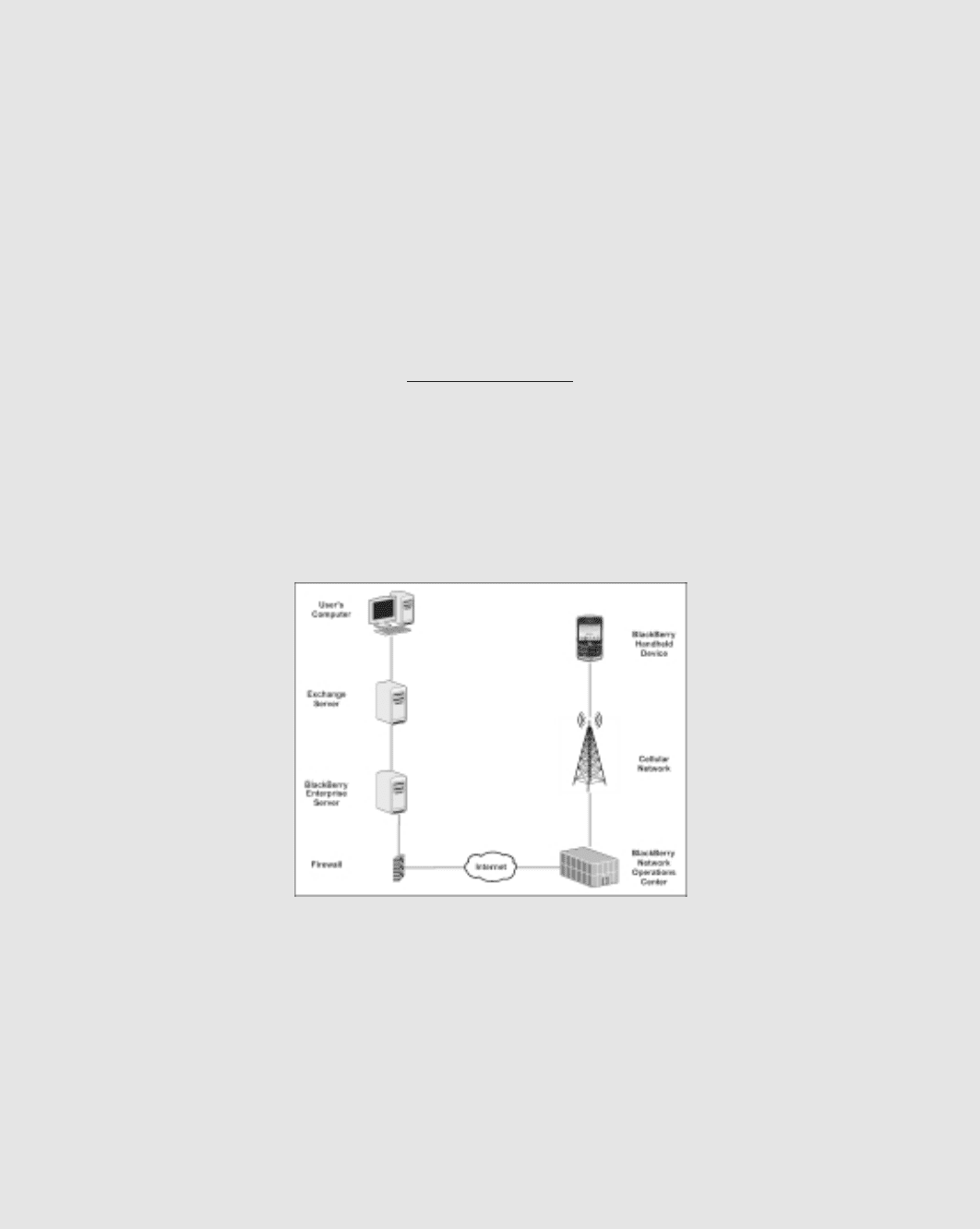
Figure 2-1 shows a simplified diagram of its major components.
44_625873-bk06ch02.indd 45544_625873-bk06ch02.indd 455 9/21/10 10:35 PM9/21/10 10:35 PM

456
Understanding BlackBerry
Figure 2-1:
The
BlackBerry
infrastruc-
ture.
User’s
Computer
Exchange
Server
BlackBerry
Enterprise
Server
Firewall
Internet
BlackBerry
Network
Operations
Center
Cellular
Network
BlackBerry
Handheld
Device
Q
W
E
R
T
Y
space
U
I
O
P
A
S
D
F
G
H
J
K
L
alt
Z
X
C
V
#
1
2
3
(
*
4
5
6
Q
7
8
0
9
?
B
N
M
s
)
—
–
+
@
:
;
’
”
Del
!
,
.
sym
aA aA
The following paragraphs describe several of the components pictured in
Figure 2-1:
✦ BlackBerry Handheld Device: The BlackBerry handheld device itself is
a combination of a cell phone and a handheld computer. The cell phone
has the ability to handle not only voice communications, but also data
communications over the provider’s cellular network. Most BlackBerry
handhelds include a small LCD screen and a keyboard, though the
BlackBerry Storm model doesn’t have a separate keyboard; instead, it
uses a touch-sensitive screen.
✦ Cellular Network: The cellular network is how the BlackBerry device
communicates with the rest of the world. This part of the BlackBerry
infrastructure is provided and managed by the cell phone provider you
purchase the BlackBerry from. Because different providers have differ-
ent coverage areas, you should choose the provider that has the best
coverage for the areas you most often visit.
✦ BlackBerry Network Operations Center: The BlackBerry Network Opera-
tions Center (NOC) handles the routing of data between the Internet and
the cell network. RIM maintains several NOC locations throughout the coun-
try (actually, throughout the world) to ensure that data can be efficiently
routed between the Internet and its handheld devices via the cell network.
✦ BlackBerry Enterprise Server: Also known as BES, this is the key piece
of software that makes BlackBerries do their magic. BES is a software
server that runs one of the server computers within your network. The
44_625873-bk06ch02.indd 45644_625873-bk06ch02.indd 456 9/21/10 10:35 PM9/21/10 10:35 PM