
Raven P.H., Johnson G.B., Mason K.A. Biology (Ninth Edition)
Подождите немного. Документ загружается.

Apago PDF Enhancer
Cow Horse Human BaboonRat Langur
g
Esophagus
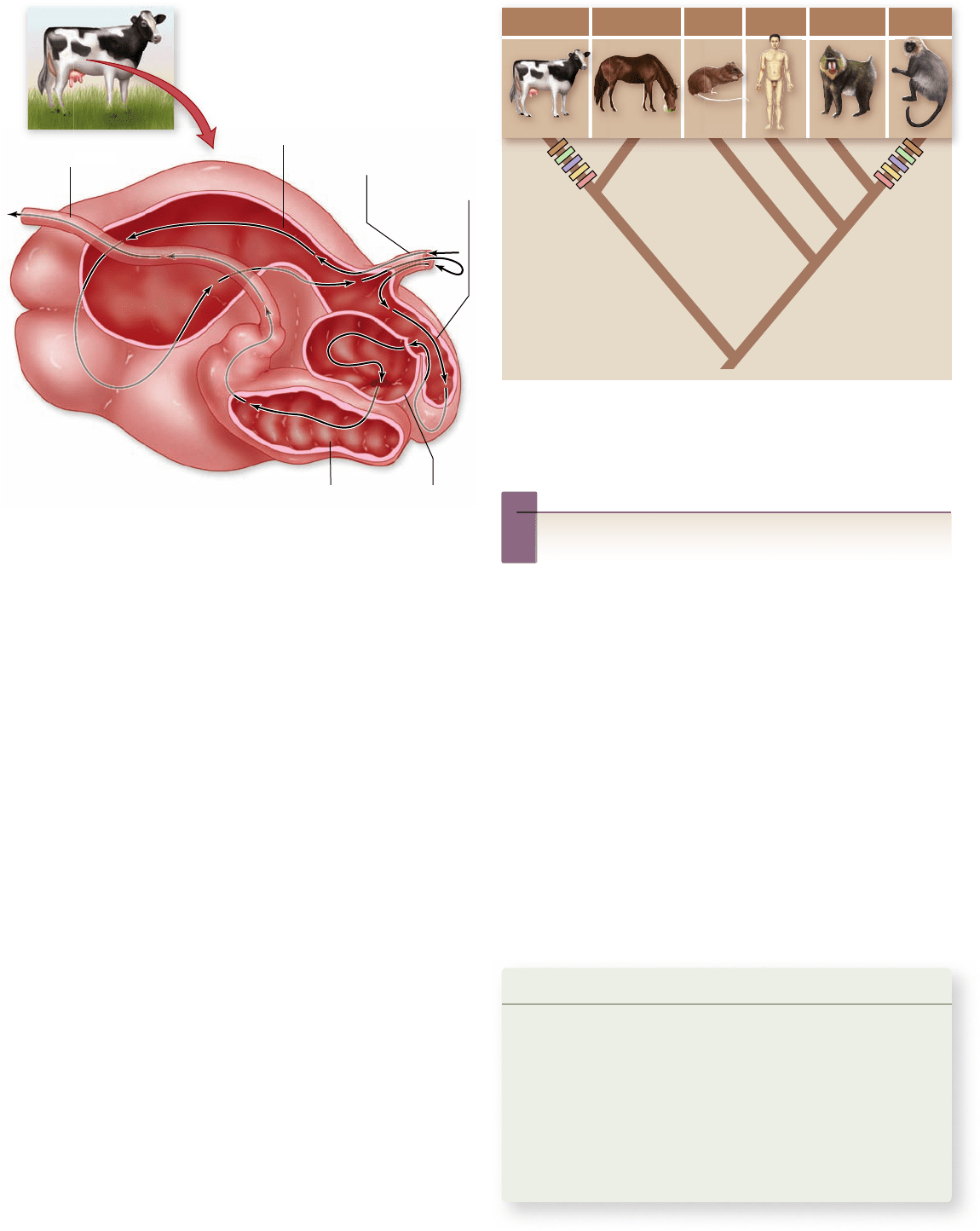
Rumen
Reticulum
Omasum Abomasum
Small intestine
n
testine
Figure 48.16
Convergent evolution of lysozyme
structure in ruminants (represented by the cow) and leaf-
eating hanuman langur (Presbytis entellus). The same ve
amino acid changes evolved independently in both groups.
Inquiry question
?
If you constructed a phylogeny using molecular data from
lysozyme, what would it look like?
evolved (figure 48.16) ; the result is that the lysozyme mole-
cules of ruminants and langurs are more similar to each other
than they are to lysozymes in more closely related species. In
contrast to many cases of convergent evolution, this example
illustrates that convergent evolution has occurred in distantly
related species by the exact same evolutionary changes.
Other herbivores have alternative
strategies for digestion
In some animals, such as rodents, horses, deer, and lagomorphs
(rabbits and hares), the digestion of cellulose by microorgan-
isms takes place in the cecum, which is greatly enlarged (see
figure 48.14). Because the cecum is located beyond the stom-
ach, regurgitation of its contents is impossible.
Rodents and lagomorphs have evolved another way to
capture nutrients from cellulose that achieves a degree of ef-
ficiency similar to ruminant digestion. They do this by eating
their feces, a practice known as coprophagy—thus passing the
food through their digestive tract a second time. The second
passage allows the animal to absorb the nutrients produced by
the microorganisms in its cecum. Coprophagic animals cannot
remain healthy if they are prevented from eating their feces.
Animals with diets that don’t include cellulose, such as
insectivores or carnivores, don’t have a cecum, or if they do, it
is greatly reduced.
Vitamin K
Another example of the way intestinal microorganisms func-
tion in the metabolism of their animal hosts is provided by the
synthesis of vitamin K. All mammals rely on intestinal bacteria
to synthesize this vitamin, which is necessary for the clotting
of blood. Birds, which lack these bacteria, must consume the
required quantities of vitamin K in their food.
In humans, prolonged treatment with antibiotics greatly
reduces the populations of bacteria in the intestine; under such
circumstances, it may be necessary to provide supplementary
vitamin K. Restoring the normal flora of the digestive tract
with beneficial bacteria may also help replace vitamin K.
Learning Outcomes Review 48.5
The digestive tracts of many herbivores harbor colonies of cellulose-
digesting microorganisms. Complex fermentation chambers have also
evolved in the digestive tract. In rumination, partially digested food is
regurgitated from the rumen for additional processing by the mouth.
In distantly related herbivorous species, similar digestive enzymes have
evolved by identical but independent changes.
■ Would you expect identical mutations to be successful in
different species? Why or why not?
Figure 48.15
Four-chambered stomach of a ruminant.
Grass and other plants eaten by ruminants enter the rumen, where
they are partially digested. The rumen contains bacteria that break
down cellulose from the plant cell walls. Before moving into a
second chamber, the reticulum, the food may be regurgitated and
rechewed. The food is then transferred to the rear two chambers:
the omasum and abomasum. Only the abomasum secretes gastric
juice as in the human stomach.
992
part
VII
Animal Form and Function
rav32223_ch48_981-1000.indd 992rav32223_ch48_981-1000.indd 992 11/18/09 1:14:24 PM11/18/09 1:14:24 PM
Apago PDF Enhancer
( + ) ( + )
( + )
(
+
( + )
( + )
Gallbladder
Duodenum
Pancreas
Stomach
Proteins
pH
Enzymes
Bicarbonate
Pepsin HCl
Parietal cells
Gastrin
Bile
Acinar
cells
Liver
Chief cells
Secretin
CCK
(
+
)
Pr
Pr
Pro
ro
P
tei
tei
tei
ei
i
i
n
ns
ns
ns
ns
s
s
s
ns
ns
ns
ns
p
p
pH
H
H
P
e
p
sin
Chi
ef
ce
( – )
GIP
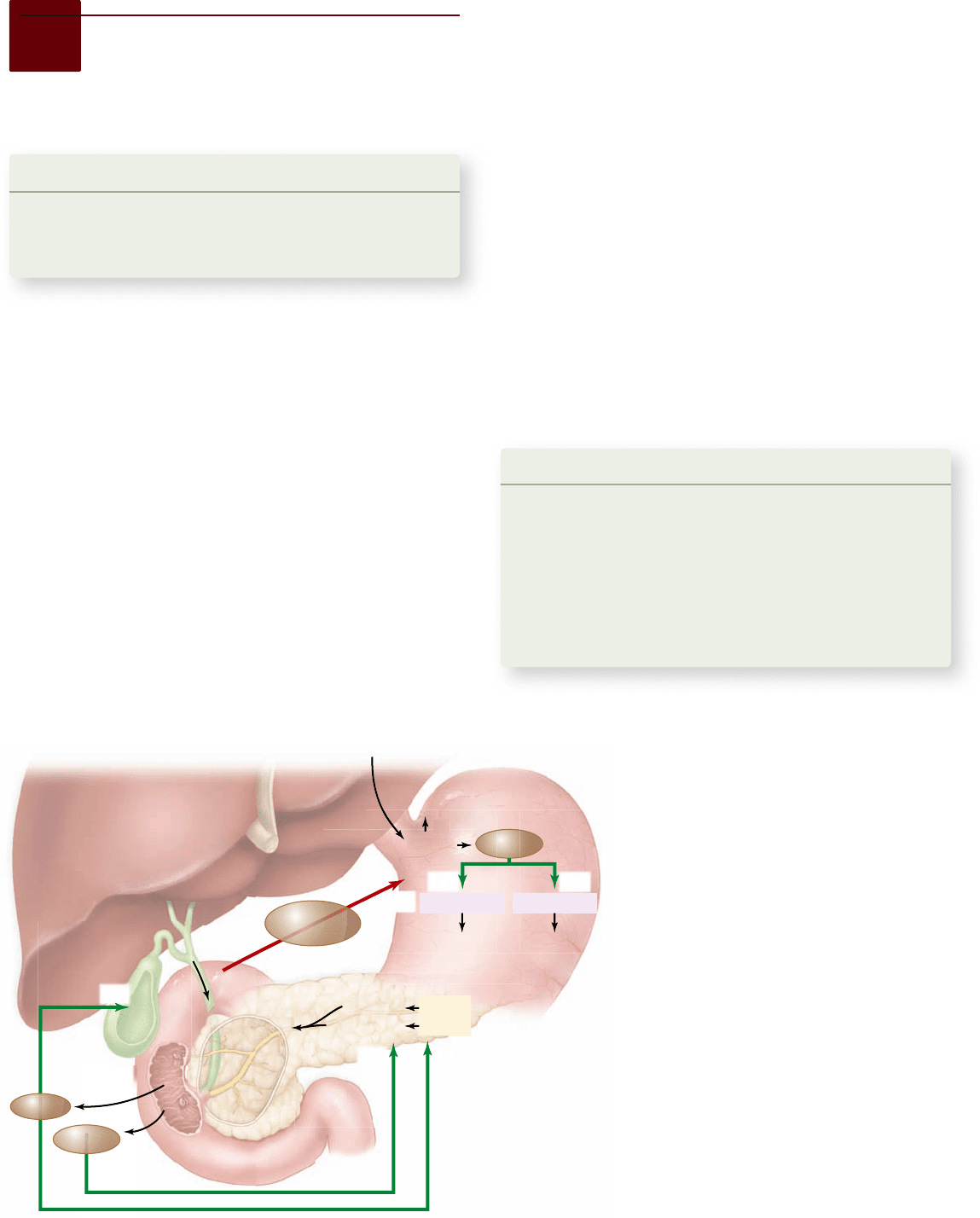
Figure 48.17
Hormonal control
of the gastrointestinal tract. Gastrin,
secreted by the mucosa of the stomach,
stimulates the secretion of HCl and
pepsinogen (which is converted into pepsin).
The duodenum secretes three hormones:
cholecystokinin (CCK), which stimulates
contraction of the gallbladder and
secretion of pancreatic enzymes; secretin,
which stimulates secretion of pancreatic
bicarbonate; and gastric inhibitory peptide
(GIP), which inhibits stomach emptying.
48.6
Neural and Hormonal
Regulation of the
Digestive Tract
Learning Outcomes
Explain how the nervous system stimulates the 1.
digestive process.
Identify the major enterogastrones.2.
The activities of the gastrointestinal tract are coordinated by
the nervous system and the endocrine system. The nervous sys-
tem, for example, stimulates salivary and gastric secretions in
response to the sight, smell, and consumption of food. When
food arrives in the stomach, proteins in the food stimulate the
secretion of a stomach hormone called gastrin, which in turn
stimulates the secretion of pepsinogen and HCl from the gas-
tric glands (figure 48.17). The secreted HCl then lowers the
pH of the gastric juice, which acts to inhibit further secretion
of gastrin in a negative feedback loop. In this way, the secretion
of gastric acid is kept under tight control.
The passage of chyme from the stomach into the duo-
denum of the small intestine inhibits the contractions of the
stomach, so that no additional chyme can enter the duodenum
until the previous amount can be processed. This stomach or
gastric inhibition is mediated by a neural reflex and by duo-
denal hormones secreted into the blood. These hormones are
collectively known as the enterogastrones.
The major enterogastrones include cholecystokinin
(CCK), secretin, and gastric inhibitory peptide (GIP).
Chyme with high fat content is the strongest stimulus for CCK
and GIP secretions, whereas increasing chyme acidity primar-
ily influences the release of secretin. All three of these entero-
gastrones inhibit gastric motility (churning action) and gastric
juice secretions; the result is that fatty meals remain in the
stomach longer than nonfatty meals, allowing more time for
digestion of complex fat molecules.
In addition to gastric inhibition, CCK and secretin
have other important regulatory functions in digestion. CCK
also stimulates increased pancreatic secretions of digestive
enzymes and gallbladder contractions. Gallbladder contrac-
tions inject more bile into the duodenum, which enhances the
emulsification and efficient digestion of fats. The other ma-
jor function of secretin is to stimulate the pancreas to release
more bicarbonate, which neutralizes the acidity of the chyme.
Secretin has the distinction of being the first hormone ever
discovered. Table 48.1 summarizes the actions of the digestive
hormones and enzymes.
Learning Outcomes Review 48.6
Sensory input such as sight, smell, and taste stimulate salivary and
gastric activity, as does the arrival of food in the stomach. The major
enterogastrones are cholecystokinin (CCK), secretin, and gastric
inhibitory peptide (GIP); these regulate passage of chyme into the
duodenum and also release of pancreatic enzymes and bile.
■ Would you expect anosmia, an inability to perceive
scents, to affect digestion?
www.ravenbiology.com
chapter
48
The Digestive System
993
rav32223_ch48_981-1000.indd 993rav32223_ch48_981-1000.indd 993 11/18/09 1:14:27 PM11/18/09 1:14:27 PM

Apago PDF Enhancer
48.7
Accessory Organ Function
Learning Outcomes
Describe the liver’s role in maintaining homeostasis.1.
Explain how the pancreas acts to control blood 2.
glucose concentration.
The liver and pancreas both have critical roles beyond the pro-
duction of digestive enzymes. The liver is a key organ in the
breakdown of toxins, and the pancreas secretes hormones that
regulate the blood glucose level, in part through actions on
liver cells.
The liver modi es chemicals
to maintain homeostasis
Because the hepatic portal vein carries blood from the stomach
and intestine directly to the liver, the liver is in a position to
chemically modify the substances absorbed in the gastrointes-
tinal tract before they reach the rest of the body. For example,
ingested alcohol and other drugs are taken into liver cells and
metabolized; this is one reason that the liver is often damaged
as a result of alcohol and drug abuse.
The liver also removes toxins, pesticides, carcinogens,
and other poisons, converting them into less toxic forms. For
example, the liver’s converts the toxic ammonia produced by
intestinal bacteria into urea, a compound that can be contained
safely and carried by the blood at higher concentrations.
Similarly, the liver regulates the levels of many com-
pounds produced within the body. Steroid hormones, for in-
stance, are converted into less active and more water-soluble
forms by the liver. These molecules are then included in the
bile and eliminated from the body in the feces or are carried by
the blood to the kidneys and excreted in the urine.
The liver also produces most of the proteins found in
blood plasma. The total concentration of plasma proteins
is significant because it must be kept within certain limits to
maintain osmotic balance between blood and interstitial (tis-
sue) fluid. If the concentration of plasma proteins drops too
low, as can happen as a result of liver disease such as cirrhosis,
fluid accumulates in the tissues, a condition called edema.
Blood glucose concentration is maintained
by the actions of insulin and glucagon
The neurons in the brain obtain energy primarily from the
aerobic respiration of glucose obtained from the blood plasma.
It is therefore vitally important that the blood glucose con-
centration not fall too low, as might happen during fasting or
prolonged exercise. It is also important that the blood glucose
concentration not stay at too high a level, as it does in people
with untreated diabetes mellitus, because too high a level can
lead to tissue damage.
After a carbohydrate-rich meal, the liver and skeletal
muscles remove excess glucose from the blood and store it as
the polysaccharide glycogen . This process is stimulated by the
TABLE 48.1
Hormones and Enzymes of Digestion
HORMONES
Hormone Class Source Stimulus Action Note
Gastrin Polypeptide Pyloric portion of
stomach
Entry of food into stomach Stimulates secretion of HCl and pepsinogen
by stomach
Acts on same organ that secretes it
Cholecystokinin
(CCK)
Polypeptide Duodenum Fatty chyme in duodenum Stimulates gallbladder contraction and
secretion of digestive enzymes by pancreas
Structurally similar to gastrin
Gastric inhibitory
peptide (GIP)
Polypeptide Duodenum Fatty chyme in duodenum Inhibits stomach emptying Also stimulates insulin secretion
Secretin Polypeptide Duodenum Acidic chyme in duodenum Stimulates secretion of bicarbonate by pancreas The rst hormone to be discovered (1902)
ENZYMES
Location Enzymes Substrates Digestion Products
Salivary glands Amylase Starch, glycogen Disaccharides
Stomach Pepsin Proteins Short peptides
Pancreas Lipase Triglycerides Fatty acids, monoglycerides
Trypsin, chymotrypsin Proteins Peptides
DNase DNA Nucleotides
RNase RNA Nucleotides
Small intestine (brush border) Peptidases Short peptides Amino acids
Nucleases DNA, RNA Sugars, nucleic acid bases
Lactase, maltase, sucrase Disaccharides Monosaccharides
994
part
VII
Animal Form and Function
rav32223_ch48_981-1000.indd 994rav32223_ch48_981-1000.indd 994 11/18/09 1:14:29 PM11/18/09 1:14:29 PM
Apago PDF Enhancer
Eating carbohydrate-
rich meal
Insulin secretion
Formation of
glycogen (in liver)
and fat (in adipose
tissue)
Fasting or
exercise
Metabolism
Increasing blood glucose
Breakdown of
glycogen (in liver)
and fat (in adipose
tissue)
Decreasing blood glucose
Insulin secretion
Glucagon secretion Glucagon secretion
Pancreatic Islets Pancreatic Islets
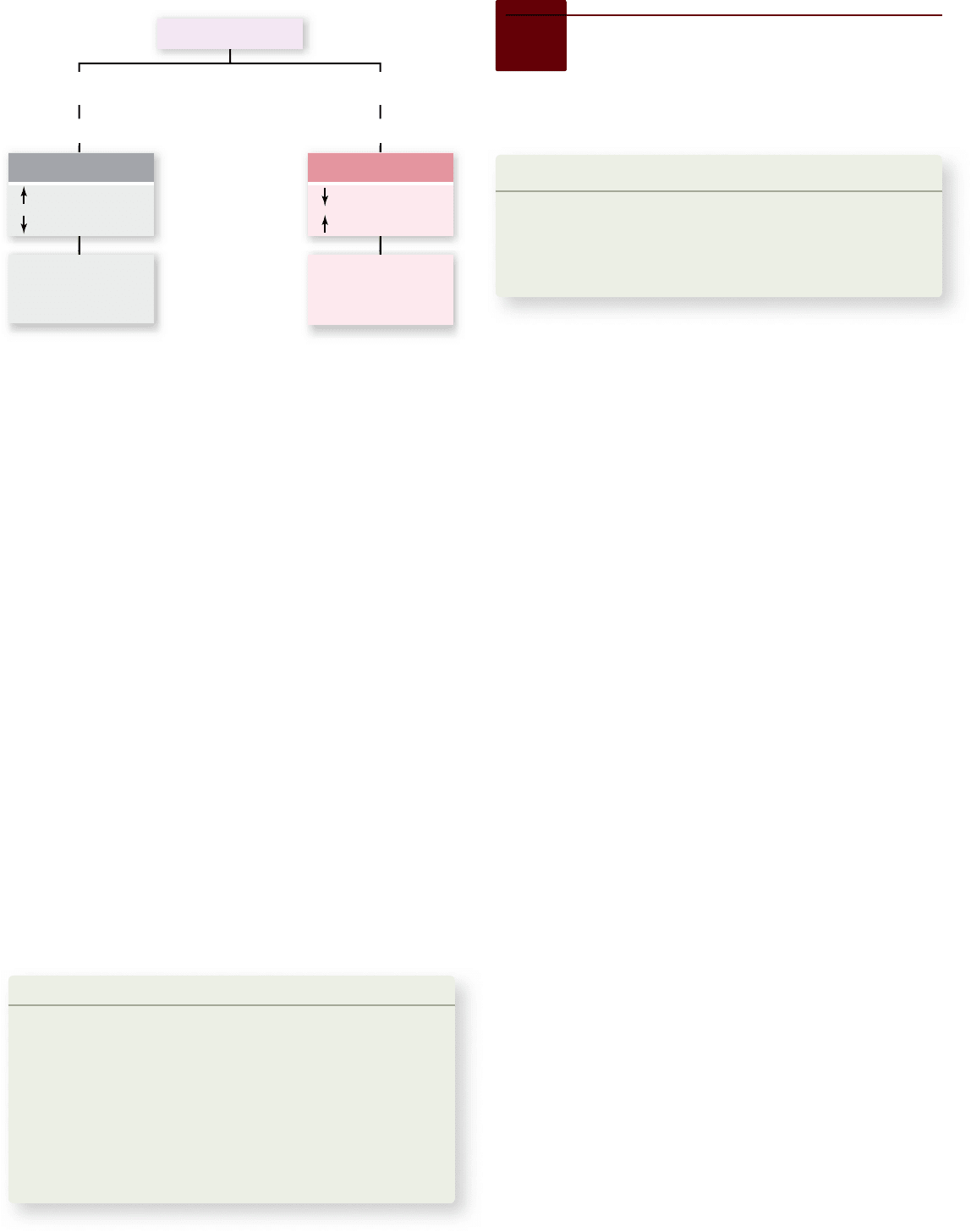
Figure 48.18
The actions of insulin and glucagon.
After a meal, an increased secretion of insulin by the β cells of the
pancreatic islets promotes the deposition of glycogen and fat. During
fasting or exercising, increased glucagon secretion by the α cells of
the pancreatic islets and decreased insulin secretion promote the
breakdown (through hydrolysis reactions) of glycogen and fat.
48.8
Food Energy, Energy
Expenditure, and Essential
Nutrients
Learning Outcomes
Explain the basal metabolic rate and the effect of exercise.1.
List hormones involved in regulating appetite and 2.
body weight.
Name the essential nutrients.3.
The ingestion of food serves two primary functions: It provides
a source of energy and it provides raw materials the animal is
unable to manufacture for itself.
Even an animal completely at rest requires energy to
support its metabolism; the minimum rate of energy con-
sumption under defined resting conditions is called the basal
metabolic rate (BMR). The BMR is relatively constant for a
given individual, depending primarily on the person’s age, sex,
and body size.
Exertion increases metabolic rate
Physical exertion raises the metabolic rate above the basal
levels, so the amount of energy the body consumes per day is
determined not only by the BMR but also by the level of physi-
cal activity. If food energy taken in is greater than the energy
consumed per day, the excess energy will be stored in glycogen
and fat (figure 48.18). Because glycogen reserves are limited,
however, continued ingestion of excess food energy results pri-
marily in the accumulation of fat.
The intake of food energy is measured in kilocalories
(1 kilocalorie = 1000 calories; nutritionists use Calorie with
a capital C instead of kilocalorie). The measurement of kilo-
calories in food is determined by the amount of heat generated
when the food is “burned,” either literally, in a testing device
called a calorimeter, or in the body, when the food is digested
and later oxidized during cellular respiration. Caloric intake
can be altered by the choice of foods, and the amount of energy
expended can be changed by the choice of lifestyle.
The daily energy expenditures (metabolic rates) of hu-
mans vary between 1300 and 5000 kilocalories per day, depend-
ing on the person’s BMR and level of physical activity. When
the total kilocalories ingested exceeds the metabolic rate for a
sustained period, a person accumulates an amount of fat that is
deleterious to health, a condition called obesity. In the United
States, about 34% of all adults between 40 and 59 are classified
as obese. If 20- to 40-year-olds are added to this group, the per-
centage of obese individuals drops some but is still fully 30%.
Food intake is under neuroendocrine control
For many years the neuronal and hormonal basis of appetite
was a mystery. Experiments with fasting and overfeeding in
rats showed an increase in food intake when fasting ends. This
hormone insulin, secreted by the β (beta) cells in the pancreatic
islets of Langerhans (figure 48.18) .
When blood glucose levels decrease, as they do between
meals, during periods of fasting, and during exercise, the liver
secretes glucose into the blood. This glucose is obtained in part
from the breakdown of liver glycogen to glucose-6-phosphate, a
process called glycogenolysis. The phosphate group is then re-
moved, and free glucose is secreted into the blood. Skeletal
muscles lack the enzyme needed to remove the phosphate group,
and so, even though they have glycogen stores, they cannot se-
crete glucose into the blood. However, muscle cells can use this
glucose directly for energy metabolism because glucose-6-
phosphate is actually the product of the first reaction in glycoly-
sis. The breakdown of liver glycogen is stimulated by another
hormone, glucagon, which is secreted by the α (alpha) cells of
the islets of Langerhans in the pancreas (see figure 48.18).
If fasting or exercise continues, the liver begins to convert
other molecules, such as amino acids and lactic acid, into glu-
cose. This process is called gluconeogenesis (“new formation
of glucose”). The amino acids used for gluconeogenesis are ob-
tained from muscle protein, which explains the severe muscle
wasting that occurs during prolonged fasting.
Learning Outcomes Review 48.7
The liver is responsible for neutralizing potentially harmful toxins and
also for modifi cation of steroid hormones. The liver also produces vital
plasma proteins. Pancreatic hormones and the liver regulate blood
glucose concentrations. Insulin stimulates the formation of glycogen and
fat in the liver. Glucagon stimulates the breakdown of glycogen in the
liver, which releases glucose into the blood.
■ What is one important advantage of the hepatic
portal system?
www.ravenbiology.com
chapter
48
The Digestive System
995
rav32223_ch48_981-1000.indd 995rav32223_ch48_981-1000.indd 995 11/18/09 1:14:29 PM11/18/09 1:14:29 PM
Apago PDF Enhancer
Question: Why are ob/ob mice obese?
Hypothesis: Lack of leptin production stimulates appetite and leads
to overeating.
Experiment: Inject mutant mice with leptin.
Results: In just two weeks, injected mice lost 30% of their body weight
with no apparent side effects.
Interpretation: What is the molecular mechanism by which leptin has
its effect? Could mutations in other genes have the same effect?
SCIENTIFIC THINKING
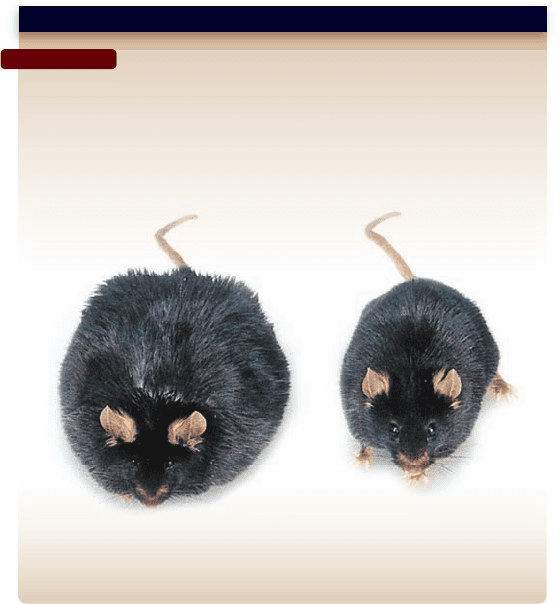
Figure 48.19
E ects of the hormone leptin.
volved. Insulin has been implicated in signaling satiety as well, and
insulin levels also fall with fasting and rise with obesity. As insulin’s
primary role is homeostasis of blood glucose, as described earlier,
its role in the control circuit of energy balance is complex.
Gut hormones (enterogastrones)
The gut produces a number of hormones that control the physiol-
ogy of digestion described earlier. Several of these have also been
implicated in the regulation of food intake. They are produced di-
rectly in response to feeding, necessary for their role in digestion.
The hormones GIP and CCK have receptors in the hy-
pothalamus and seem to send the same kind of inhibitory sig-
nals to the brain as leptin and insulin. The levels of these gut
hormones also vary with feeding behavior in a pattern similar
to leptin and insulin.
The gut hormone ghrelin has the opposite effect of these
appetite-suppressing hormones. Ghrelin also has receptors in
the hypothalamus, but ghrelin appears to stimulate food intake.
This role is supported by studies in rats showing that chronic
administration of ghrelin leads to obesity. Ghrelin levels appear
to rise before feeding and may be involved in initiating feed-
ing behavior. One of the treatments for severe obesity, gastric
bypass surgery, leads to reduced levels of ghrelin. It has been
suggested that this is one of the reasons for the suppression of
appetite seen after this surgery.
Neuropeptides
The efferent control over feeding and energy balance is less
clear than the afferent control detailed earlier. The central
increase restores lost body weight to baseline values and food
intake then drops. These experiments indicated the existence of
control mechanisms to link food intake to energy balance. The
presence of a hormonal satiety factor produced by adipose tissue
was hypothesized to explain these observations. It has also been
shown that regions of the hypothalamus are involved in feed-
ing behavior. Other studies in rodent models had identified a
number of genes that can lead to obesity. As modern molecular
genetics has allowed the cloning of many of these genes, the
outlines of a model to link dietary intake to energy balance have
emerged. This model involves afferent signaling from adipose
tissue and feeding behavior into the central nervous system
(CNS), and efferent signaling outward from the CNS tied to
energy expenditure, storage, reproduction and feeding behav-
ior. We will discuss the relevant hormones first, then show how
they fit into an overall control circuit.
Leptin
One of the rodent models for obesity, the obese mouse, is caused
by a mutation in a single gene named ob (for obese). Animals ho-
mozygous for the recessive mutant allele become obese compared
with wild-type mice (figure 48.19) . When the gene responsible
for this dramatic phenotype was isolated, it proved to encode a
peptide hormone named leptin, leading to the hypothesis that
the lack of leptin production in mutant individuals is responsible
for obesity. Sure enough, when ob/ob animals are injected with
leptin, they stop overeating and lose weight (see figure 48.19).
These experiments identified leptin as the main satiety factor,
and the key to the control of appetite. The gene for the leptin
receptor (db) has also been isolated and it is expressed in brain
neurons in the hypothalamus involved in energy intake.
Leptin is now thought to be the main signaling molecule in
the afferent portion of the control circuit for energy sensing, food
intake, and energy expenditure. Leptin is produced by adipose tis-
sue in response to feeding, and leptin levels correlate with feeding
behavior and amount of body fat. Dietary restriction reduces leptin
levels, signaling the brain that food intake is necessary, whereas re-
feeding after fasting leads to rapid increase in leptin levels and a loss
of appetite. The efferent part of this control circuit is complex and
includes control of energy expenditure, energy storage, and feeding
behavior by the CNS. Reproduction is even affected by this system
as reproduction is inhibited under starvation conditions.
The leptin gene has also been isolated in humans and leptin
appears to function in humans much as it does in mice. However,
recent studies in humans show that the activity of the ob gene and
the blood concentrations of leptin are actually higher in obese than
in lean people, and that the leptin produced by obese people ap-
pears to be normal. It has been suggested that, in contrast with the
mutant mice, most cases of human obesity may result from a re-
duced sensitivity to the actions of leptin in the brain, rather than
from reduced leptin production by adipose cells. Research on lep-
tin in humans is ongoing and is of great interest to both academic
scientists and to the pharmaceutical industry.
Insulin
Although the extreme obesity associated with the loss-of-function
mutations in the ob gene indicate that other hormonal signals can-
not substitute for leptin signaling, other hormones are also in-
996 part
VII
Animal Form and Function
rav32223_ch48_981-1000.indd 996rav32223_ch48_981-1000.indd 996 11/18/09 1:14:30 PM11/18/09 1:14:30 PM
Apago PDF Enhancer
( + )
( – )
( – )
( – )
Efferent
Reproduction and Growth
Afferent
Low levels of leptin can
inhibit reproduction and
growth
Energy and Expenditure
High levels of leptin and
insulin increase energy
expenditure.
CCK and GIP are
produced in response to
feeding and act to limit
food intake. Ghrelin
stimulates feeding.
Short Term
Ghrelin
CCK
GIP
Insulin
Leptin
Circulating levels of leptin
and insulin are proportional
to body fat. High body fat
leads to high levels of
these hormones.
Long Term
High levels of leptin and
insulin reduce appetite. Low
levels increase appetite.
Appetite and Feeding
Hypothalamus
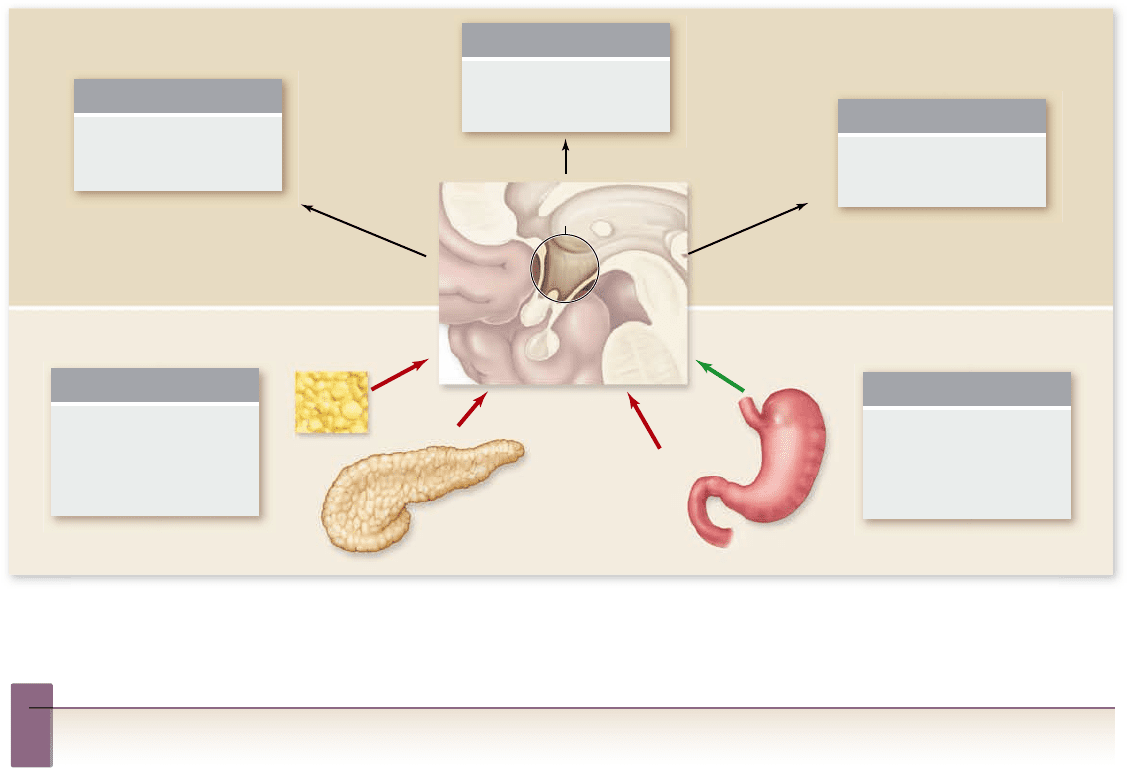
Figure 48.20
Hormonal control of feeding behavior. The control of feeding behavior is under both long-term control related
to the amount of adipose tissue, and short-term control related to the act of feeding. This control is mediated by the CNS. The major brain
region involved is the hypothalamus.
Inquiry question
?
Suppose the GIP and CCK sensors in the hypothalamus didn’t work. How would this affect levels of leptin production?
lows reproduction and growth. Low levels of these hormones
act on the hypothalamus to reduce α-MSH levels and increase
NPY levels. This leads to increased appetite and decreased en-
ergy expenditure. If very low levels of leptin persist, this can
inhibit reproduction and growth.
The gut hormones CCK and GIP are produced in re-
sponse to feeding and represent short-term regulators of the
afferent portion of the energy balance control circuit. Their ac-
tion is the same as that of leptin and insulin. The gut hormone
ghrelin is also a short-term regulator that stimulates feeding.
Essential nutrients are those that
the body cannot manufacture
Over the course of evolution, many animals have lost the abil-
ity to synthesize certain substances that nevertheless continue
to play critical roles in their metabolism. Substances that an
animal cannot manufacture for itself but that are necessary for
its health and must be obtained in the diet are referred to as
essential nutrients.
Included among the essential nutrients are vitamins,
certain organic substances required in trace amounts. For ex-
ample, humans, apes, monkeys, and guinea pigs have lost the
ability to synthesize ascorbic acid (vitamin C). If vitamin C is
regulator is the hypothalamus and two brain neuropeptides
have been implicated: neuropeptide Y (NPY) and alpha-
melanocyte-stimulating hormone (α-MSH). These peptides
are antagonistic, with NPY inducing feeding activity and
α-MSH suppressing it.
Evidence for this comes from experiments that show
that production and release of α-MSH is stimulated by leptin
and that administration of α-MSH suppresses feeding. Loss of
function for the α-MSH receptor also leads to obesity. In con-
trast, the expression of NPY is negatively regulated by leptin
and administration of NPY stimulates feeding behavior.
Model for energy balance
The current model for energy balance and feeding behavior
is summarized in figure 48.20 . The role of both leptin and
insulin is long-term regulation of the afferent portion of this
signaling network. Leptin and insulin are produced by adipose
tissue and the pancreas, respectively, in response to the effects
of feeding behavior, not as a direct response to feeding itself.
This leads to circulating levels of leptin that correlate with the
amount of adipose tissue. The extreme example of this is the
very high level of leptin seen in obese individuals . High levels
of leptin and insulin then act on the hypothalamus to increase
levels of α-MSH and reduce levels of NPY. This causes a re-
duction in appetite and increased energy expenditure and al-
www.ravenbiology.com
chapter
48
The Digestive System
997
rav32223_ch48_981-1000.indd 997rav32223_ch48_981-1000.indd 997 11/18/09 1:14:31 PM11/18/09 1:14:31 PM

Apago PDF Enhancer
TABLE 48.2
Major Vitamins Required by Humans
Vitamin Function Source Defi ciency Symptoms
Vitamin A (retinol) Used in making visual pigments, maintaining
epithelial tissues
Green vegetables, milk products, liver Night blindness, aky skin
B-complex vitamins
B
1
Coenzyme in CO
2
removal during cellular
respiration
Meat, grains, legumes Beriberi, weakening of heart, edema
B
2
(ribo avin) Part of coenzymes FAD and FMN, which play
metabolic roles
Many di erent kinds of foods In ammation and breakdown of skin, eye
irritation
B
3
(niacin)
Part of coenzymes NAD
+
and NADP
+
Liver, lean meats, grains Pellagra, in ammation of nerves, mental
disorders
B
5
(pantothenic acid) Part of coenzyme-A, a key connection between
carbohydrate and fat metabolism
Many di erent kinds of foods Rare: fatigue, loss of coordination
B
6
(pyridoxine) Coenzyme in many phases of amino acid
metabolism
Cereals, vegetables, meats Anemia, convulsions, irritability
B
12
(cyanocobalamin) Coenzyme in the production of nucleic acids Red meats, dairy products Pernicious anemia
Biotin Coenzyme in fat synthesis and amino acid
metabolism
Meat, vegetables Rare: depression, nausea
Folic acid Coenzyme in amino acid and nucleic acid
metabolism
Green vegetables Anemia, diarrhea
Vitamin C Important in forming collagen, cementum of
bone, teeth, connective tissue of blood vessels;
may help maintain resistance to infection
Fruit, green leafy vegetables Scurvy, breakdown of skin, blood vessels
Vitamin D (calciferol) Increases absorption of calcium and promotes
bone formation
Dairy products, cod liver oil Rickets, bone deformities
Vitamin E (tocopherol) Protects fatty acids and cell membranes from
oxidation
Margarine, seeds, green leafy vegetables Rare
Vitamin K Essential to blood clotting Green leafy vegetables Severe bleeding
cluding a wide variety of trace elements such as zinc and molyb-
denum, which are required in very small amounts. Animals ob-
tain trace elements either directly from plants or from animals
that have eaten plants.
Learning Outcomes Review 48.8
Basal metabolic rate is the minimum amount of energy consumption
under defi ned resting conditions. Exercise does not increase the basal
metabolic rate, but it does add to the body’s total energy expenditure.
Obesity results if the amount of ingested food energy exceeds energy
expenditure over a prolonged period. Hormones involved in regulating
appetite are leptin; insulin; the enterogastrones including CCK, GIP,
and ghrelin; and neuropeptides associated with the hypothalamus.
The essential nutrients for humans are 13 vitamins, essential
minerals, and essential amino acids and fatty acids that the body
cannot synthesize.
■ What might explain obesity in a person with normal
leptin levels?
not supplied in sufficient quantities in their diets, these mam-
mals develop scurvy, a potentially fatal disease that results in
degeneration of connective tissues. Humans require at least
13 different vitamins (table 48.2) .
Some essential nutrients are required in more than trace
amounts. Many vertebrates, for example, are unable to synthe-
size one or more of the 20 amino acids. These essential amino ac-
ids must be obtained from food they eat. Humans require nine
amino acids. People who are strict vegetarians must choose
their foods so that the essential amino acids in one food com-
plement those in another. Vegetarians may also need supple-
ments to provide certain vitamins not found in large amounts
in plants, such as some B vitamins.
In addition, all vertebrates have lost the ability to syn-
thesize certain long-chain unsaturated fatty acids and therefore
must obtain them in food. In contrast, some essential nutrients
that vertebrates can synthesize cannot be manufactured by the
members of other animal groups. For example, vertebrates can
synthesize cholesterol, a key component of steroid hormones,
but some carnivorous insects cannot.
Food also supplies essential minerals such as calcium,
magnesium, phosphorus, and other inorganic substances, in-
998 part
VII
Animal Form and Function
rav32223_ch48_981-1000.indd 998rav32223_ch48_981-1000.indd 998 11/18/09 1:14:32 PM11/18/09 1:14:32 PM

Apago PDF Enhancer
48.1 Types of Digestive Systems
Invertebrate digestive systems are bags or tubes.
In cnidarians and atworms, the incomplete digestive system is a
gastrovascular cavity with only one opening (see gure 48.1). In
contrast, a complete digestive system, with a one-way tube from
mouth to anus, allows specialization of digestive organs.
Vertebrate digestive systems include highly specialized structures
molded by diet.
The gastrointestinal tract includes the mouth and pharynx,
esophagus, stomach, small and large intestines, cloaca or rectum,
and anus (see gure 48.3). The four tissue layers of the tract are the
mucosa, submucosa, muscularis, and serosa (see gure 48.4).
48.2 The Mouth and Teeth: Food Capture
and Bulk Processing
Vertebrate teeth are adapted to di erent types of food items.
Birds lack teeth but have a gizzard where small pebbles grind food.
The teeth of mammals are adapted to re ect their feeding habits (see
gure 48.6).
The mouth is a chamber for ingestion and initial processing.
Salivary glands secrete saliva containing amylase that moistens food
and begins digestion as the food is chewed. Swallowing, once begun,
is involuntary (see gure 48.7).
48.3 The Esophagus and the Stomach:
The Early Stages of Digestion
Muscular contractions of the esophagus move food to the stomach.
Rhythmic muscular contractions and relaxation, called peristalsis,
propel a bolus of food to the stomach.
The stomach is a “holding station” involved in acidic breakdown
of food.
In the stomach, hydrochloric acid breaks down food and converts
pepsinogen into pepsin, an active protease. The mixture of food and
gastric juice, termed chyme, moves through the pyloric sphincter to
the small intestine.
48.4 The Intestines: Breakdown, Absorption,
and Elimination
The structure of the small intestine is specialized for digestion and
nutrient uptake.
The surface area of the small intestine is increased by ngerlike
projections called villi (see gure 48.10). The duodenum receives
digestive secretions from the pancreas and liver.
Accessory organs secrete enzymes into the small intestine.
Accessory organs include the salivary glands, pancreas, liver, and
gallbladder (see gure 48.11). The pancreas secretes digestive
enzymes and bicarbonate. The liver secretes bile, which is stored in
the gallbladder. Bile disperses fats into small droplets.
Absorbed nutrients move into blood or lymph capillaries.
Amino acids and monosaccharides move into epithelial cells by active
transport and facilitated diffusion (see gure 48.12) and then pass
into the bloodstream. Fatty acids and monoglycerides simply diffuse
into epithelial cells. They are reassembled into chylomicrons that
enter the lymphatic system.
Absorbed molecules that pass into the bloodstream are transported to
the liver through the hepatic portal vein.
The large intestine eliminates waste material.
The large intestine absorbs water and concentrates waste material,
which is stored in the rectum until it can be eliminated.
48.5 Variations in Vertebrate Digestive Systems
Ruminants rechew regurgitated food.
The four-chambered stomach of ruminants consists of the rumen,
reticulum, omasum, and abomasum. Food initially processed in the
rumen is regurgitated for further chewing.
Foregut fermentation has evolved convergently many times.
Enlarged foreguts have evolved in many species to provide a chamber
for microbial fermentation. In some unrelated herbivores, identical
changes in lysozyme have evolved.
Other herbivores have alternative strategies for digestion.
In some herbivores, digestion of cellulose by microorganisms takes
place in the cecum, located beyond the stomach.
48.6 Neural and Hormonal Regulation
of the Digestive Tract
The activities of the gastrointestinal tract are coordinated by the
nervous and endocrine systems.
Duodenal hormones regulate passage of chyme into the duodenum.
High fat content in the chyme stimulates the release of CCK and
GIP; low chyme pH stimulates the release of secretin. In turn, CCK
stimulates release of pancreatic enzymes and bile. Secretin stimulates
release of bicarbonate.
48.7 Accessory Organ Function
The liver modi es chemicals to maintain homeostasis.
The liver is involved in detoxi cation, regulation of steroid hormone
levels, and production of proteins found in the blood plasma.
Blood glucose concentration is maintained by the actions of insulin
and glucagon.
Insulin lowers blood glucose and increases glycogen storage;
glucagon increases blood glucose and utilization of glycogen.
48.8 Food Energy, Energy Expenditure,
and Essential Nutrients
Exertion increases metabolic rate.
The basal metabolic rate is the minimum rate of energy consumption
under resting conditions. Activity leads to an increase in the
metabolic rate.
Food intake is under neuroendocrine control.
Food intake is regulated by the hormones leptin and insulin, by
enterogastrones, and by neuropeptides (see gure 48.20).
Essential nutrients are those that the body cannot manufacture.
Essential nutrients are those that cannot be synthesized by animals.
For humans, they are 13 vitamins (see table 48.2), the essential amino
acids, essential minerals, and certain fatty acids.
Chapter Review
www.ravenbiology.com
chapter
48
The Digestive System
999
rav32223_ch48_981-1000.indd 999rav32223_ch48_981-1000.indd 999 11/18/09 1:14:32 PM11/18/09 1:14:32 PM
Apago PDF Enhancer
UNDERSTAND
1. How is the digestion of fats different from that of proteins
and carbohydrates?
a. Fat digestion occurs in the small intestine, and the digestion
of proteins and carbohydrates occurs in the stomach.
b. Fats are absorbed into cells as fatty acids and
monoglycerides but are then modi ed for absorption;
amino acids and glucose are not modi ed further.
c. Fats enter the hepatic portal circulation, but digested
proteins and carbohydrates enter the lymphatic system.
d. Digested fats are absorbed in the large intestine, and digested
proteins and carbohydrates are absorbed in the small intestine.
2. Although the stomach is normally thought of as the major
player in the digestive process, the bulk of chemical digestion
actually occurs in the
a. mouth. c. duodenum.
b. appendix. d. large intestine.
3. After being absorbed through the intestinal mucosa, glucose
and amino acids are
a. absorbed directly into the systemic circulation.
b. used to build glycogen and peptides before being released
to the body cells.
c. transported directly to the liver by the hepatic portal vein.
d. further digested by bile before release into the circulation.
4. Which of these pairings is incorrect?
a. Fat transport/lymphatic system
b. Glucose transport/lymphatic system
c. Amino acid transport/circulatory system
d. All of these pairings are correct.
5. Intestinal microorganisms aid digestion and absorption by
a. digesting cellulose. c. synthesizing vitamin K.
b. producing glucose. d. both a and c.
6. The _______ and _______ play important roles in the digestive
process by producing chemicals that are required
to digest proteins, lipids, and carbohydrates.
a. liver; pancreas c. kidneys; appendix
b. liver; gallbladder d. pancreas; gallbladder
7. Which of the following represents the action of insulin?
a. Increases blood glucose levels by the hydrolysis of glycogen
b. Increases blood glucose levels by stimulating
glucagon production
c. Decreases blood glucose levels by forming glycogen
d. Increases blood glucose levels by promoting cellular uptake
of glucose
APPLY
1. The small intestine is specialized for absorption because it
a. is the last section of the digestive tract and retains food
the longest.
b. has saclike extensions along its length that collect food.
c. has no outlet so food remains within it for longer periods
of time.
d. has an extremely large surface area that allows extended
exposure to food.
2. The primary function of the large intestine is to concentrate
wastes into solid form (feces) for release from the body. How
does it accomplish this?
a. By adding additional cells from the mucosal layer
b. By absorbing water
c. By releasing salt
d. All of these are methods used by the large intestine.
3. Inactive forms of some molecules are secreted
a. because they take less material and energy.
b. because they must combine with water to be activated.
c. so their activity can be regulated.
d. to prevent them from clogging the gland from which they
are secreted.
4. Obese humans probably have high levels of leptin because
a. leptin stimulates eating.
b. something is wrong with the leptin receptors in their brain,
leading to increased leptin production to make up for the
apparent shortage.
c. weight gain leads to the production of leptin.
d. leptin responds to mechanical stimulation in the
adrenal cortex.
SYNTHESIZE
1. Many birds possess crops, although few mammals do. Suggest a
reason for this difference between birds and mammals.
2. Suppose that you wanted to develop a new treatment for obesity
based on the hormone leptin. What structures in the body
produce leptin? What does it do? Should your treatment cause
an increase in blood levels of leptin or a decrease? Could this
treatment affect any other systems in the body?
3. How could a drop in plasma proteins and a decrease in bile
production be related to alcohol and drug abuse?
4. Unlike many cases of convergence (see section 47.5) , ruminants
and langur monkeys have modi ed the enzyme lysozyme in the
same way to achieve the same end result. Why might this case
be different?
5. Birds do not have teeth. Do you think they have adaptations
to processing different types of food, comparable to the
diversity seen in mammals? If so, what might these adaptive
differences be?
Review Questions
ONLINE RESOURCE
www.ravenbiology.com
Understand, Apply, and Synthesize—enhance your study with
animations that bring concepts to life and practice tests to assess
your understanding. Your instructor may also recommend the
interactive eBook, individualized learning tools, and more.
1000
part
VII
Animal Form and Function
rav32223_ch48_981-1000.indd 1000rav32223_ch48_981-1000.indd 1000 11/18/09 1:14:33 PM11/18/09 1:14:33 PM
Apago PDF Enhancer
E
Chapter
49
The Respiratory
S yst em
Chapter Outline
49.1 Gas Exchange Across Respiratory Surfaces
49.2 Gills, Cutaneous Respiration, and Tracheal Systems
49.3 Lungs
49.4 Structures and Mechanisms of Ventilation
in Mammals
49.5 Transport of Gases in Body Fluids
Introduction
Every cell in the animal body
must exchange materials with its surrounding environment. In single-celled organisms, this
exchange occurs directly across the cell membrane to and from the external environment. In multicellular organisms, however,
most cells are not in contact with the external environment and must rely on specialized systems for transport and exchange.
Although these systems aid in bulk transport, the properties of transport across the plasma membrane do not change. Many
structural adaptations throughout the animal kingdom increase surface areas where transport occurs, so that the needs of every
cell are met. The interface between air from the environment and blood in the mammalian lungs provides an excellent example of
the e ciency associated with increased surface area. In the time it takes you to breathe in, trillions of oxygen molecules have been
transported across 80 m
2
of alveolar membrane into blood capillaries. In this and the next chapter, we describe respiration and
circulation, the two systems that directly support the other organ systems and tissues of the body.
CHAPTER
rav32223_ch49_1001-1017.indd 1001rav32223_ch49_1001-1017.indd 1001 11/19/09 2:30:08 PM11/19/09 2:30:08 PM