
Raven P.H., Johnson G.B., Mason K.A. Biology (Ninth Edition)
Подождите немного. Документ загружается.

Apago PDF Enhancer
(-)
Low blood
pressure
Low blood
flow
Renin
Angiotensinogen
Angiotensin II
Aldosterone
Increased
Na
+
and
Cl
:
, and H
2
O
reabsorption
Increased
blood
volume
Negative
feedback
Juxtaglomerular
apparatus
Response
Response
8
Constrict blood
vessels
Response
Effector
Effector
Effector
Effector
6
Adrenal
cortex
5
4
7
Kidney
Effector
3
Sensor
2
Stimulus Stimulus
1
Question: What is the relationship between atherosclerosis and elevated blood pressure?
Hypothesis: Atherosclerotic plaques in the renal artery will reduce blood flow to the kidney and consequently
filtration pressure. The system will respond by raising blood pressure.
Prediction: If blood flow to the renal artery is reduced, this will mimic the effect of plaque deposition and should
result in increased blood pressure.
Test: Clamp a renal artery to restrict blood flow, and measure blood pressure before, while clamped, and with
clamp removed.
Result: Clamping the renal artery results in increased blood pressure. This increase is relieved by removing the clamp.
Conclusion: Restricting blood flow to the kidney causes a homeostatic response to increase blood pressure.
Further Experiments: If this increase in blood pressure involved the renin–angiotensis system, what changes
would you expect in the level and function of these proteins?
SCIENTIFIC THINKING
Renal
artery
Clamp
Renal
vein
Figure 51.15
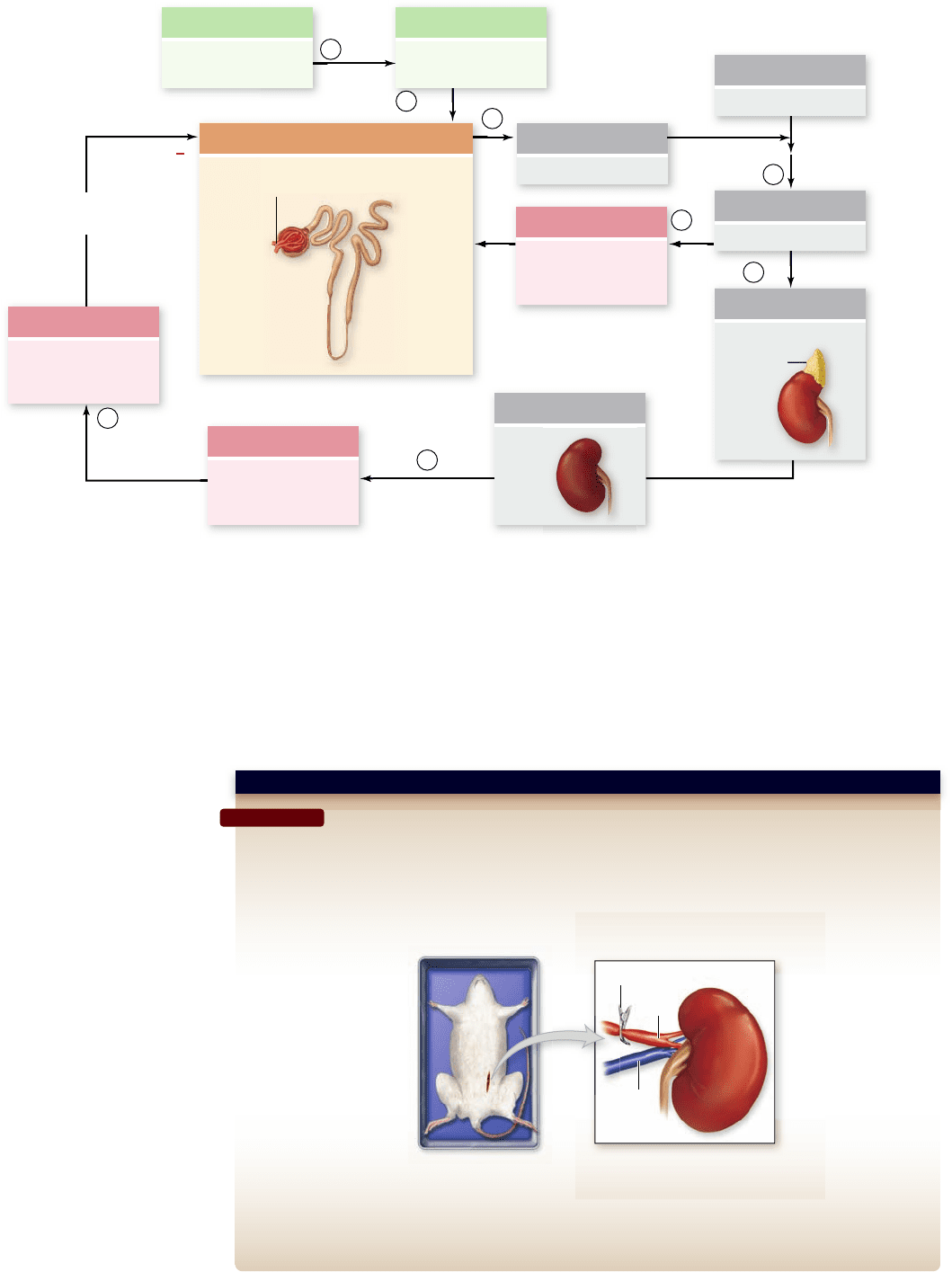
A lowering of blood volume activates the renin–angiotensin–aldosterone system. (1) Low blood volume
and a decrease in blood Na
+
levels reduce blood pressure. (2) Reduced blood ow past the juxtaglomerular apparatus triggers (3) the release
of renin into the blood, which catalyzes the production of angiotensin I from angiotensinogen. (4) Angiotensin I converts into a more active
form, angiotensin II. (5) Angiotensin II stimulates blood vessel constriction and (6) the release of aldosterone from the adrenal cortex.
(7) Aldosterone stimulates the reabsorption of Na
+
in the distal convoluted tubules. Increased Na
+
reabsorption is followed by the
reabsorption of Cl
–
and water. (8) This increases blood volume. An increase in blood volume may also trigger the release of an atrial
natriuretic hormone, which inhibits the release of aldosterone. These two systems work together to maintain homeostasis.
Figure 51.16
Reduced
blood ow to the kidney can
cause hypertension.
1052
part
VII
Animal Form and Function
rav32223_ch51_1038-1054.indd 1052rav32223_ch51_1038-1054.indd 1052 11/19/09 1:23:03 PM11/19/09 1:23:03 PM

Apago PDF Enhancer
51.1 Osmolarity and Osmotic Balance
Osmotic pressure is a measure of concentration di erence.
Osmotic pressure is a solution’s propensity to take in water by
osmosis. Osmolarity is de ned as moles of solute per liter of solution.
Cells in a hypertonic solution lose water, and cells in a hypotonic
solution gain water. In an isotonic solution, cells are at equilibrium.
Osmoconformers live in marine environments.
Osmoconformers are in osmotic equilibrium with their environment.
Most marine invertebrates are osmoconformers.
Osmoregulators control their osmolarity internally.
Tissues of freshwater vertebrates are hypertonic to their
environment, and those of marine vertebrates are hypotonic; both
must maintain their osmolarity. Terrestrial vertebrates are all
osmoregulators and have adaptations to retain water.
51.2 Osmoregulatory Organs
Invertebrates make use of specialized cells and tubules.
Flatworms use tubular protonephridia connected to ame cells
that draw uid from the body (see gure 51.2). Other invertebrates
have nephridia open to both the inside and outside of the body for
ltering and reabsorption (see gure 51.3).
Insects have a unique osmoregulatory system.
Insects have Malpighian tubules through which uric acid and
wastes are secreted into the excretory organ, and water and salts are
reabsorbed before excretion (see gure 51.4).
The vertebrate kidney lters then reabsorbs.
Kidneys of vertebrates produce urine by ltration, secretion, and
selective reabsorption of water and important solutes.
51.3 Evolution of the Vertebrate Kidney
The kidney is made up of a cortex, a medulla, and thousands of units
called nephrons that regulate body uids (see gure 51.5).
Freshwater shes must retain electrolytes and keep water out.
Freshwater shes maintain hypertonicity by excreting large quantities
dilute, hypotonic urine and reabsorbing ions (see gure 51.6).
Marine bony shes must excrete electrolytes and keep water in.
Saltwater sh maintain hypotonicity by drinking large amounts of
seawater and excreting or actively transporting ions out through the
gills. Their urine is isotonic to the blood.
Cartilaginous shes pump out electrolytes and retain urea.
Cartilaginous shes are isotonic to their environment because they
retain urea, and actively pump out electrolytes. They also produce
isotonic urine.
Amphibians and reptiles have osmotic adaptations to
their environments.
Freshwater amphibians and reptiles act like freshwater shes, and the
kidneys of marine reptiles function like marine bony shes. Terrestrial
reptiles can’t produce hypertonic urine.
Mammals and birds are able to excrete concentrated urine and
retain water.
Mammals and birds can excrete hypertonic urine and retain water.
The degree of concentration of urine depends on the length of the
loop of Henle.
51.4 Nitrogenous Wastes: Ammonia,
Urea, and Uric Acid
Ammonia is toxic and must be quickly removed.
When animals catabolize amino acids and nucleic acids they produce
toxic nitrogenous wastes (see gure 51.8).
In shes and gilled amphibians, abundant water is used to ush
ammonia quickly from the body, or it is eliminated through gills.
Urea and uric acid are less toxic but have di erent solubilities.
Mammals convert ammonia to urea, which is less toxic. Urea
requires less water, but requires energy to manufacture. Birds and
terrestrial reptiles convert ammonia to uric acid. Uric acid is the
least toxic and requires the least water to eliminate, but is the most
energetically expensive.
51.5 The Mammalian Kidney (see figure 51.10)
The nephron is the filtering unit of the kidney.
Blood is
ltered through the capillaries of the glomerulus driven by
blood pressure. The ltrate passes through the Bowman’s capsule,
proximal convoluted tubule, loop of Henle, distal convoluted tubule,
and collecting duct (see gure 51.11). Blood passes from the afferent
arteriole to the glomerulus, the efferent arteriole, the peritubular
capillaries, and the vasa recta.
Water, some nutrients, and some ions are reabsorbed; other molecules
are secreted.
Glucose, amino acids, and many other molecules are reabsorbed by
active transport. Water is reabsorbed osmotically in the proximal
convoluted tubule and the collecting duct. Foreign molecules and
some wastes are secreted from the blood capillaries and into the
tubules by active transport.
Excretion of toxins and excess ions maintains homeostasis.
The kidney eliminates many potentially harmful substances including
nitrogenous wastes, excess ions, and toxins. The kidneys therefore are
critical to homeostasis.
Each part of the mammalian nephron performs a speci c
transport function.
Reabsorption of nutrients and NaCl occurs in the proximal tubule.
The loop of Henle creates a gradient of increasing osmolarity from
the cortex to the medulla. The gradient allows selective reabsorption
of water from the collecting duct. A longer loop of Henle produces
more concentrated urine (see gure 51.12).
51.6 Hormonal Control
of Osmoregulatory Functions
Antidiuretic hormone causes water to be conserved.
ADH, produced by the hypothalamus, increases the permeability of
the collecting duct (see gure 51.14), allowing greater reabsorption
of water.
Aldosterone and atrial natriuretic hormone control sodium
ion concentration.
Low Na
+
levels inhibit ADH secretion, and aldosterone stimulates
Na
+
uptake by the distal convoluted tubule. ANH antagonizes the
action of aldosterone.
Chapter Review
chapter
51
Osmotic Regulation and the Urinary System
1053www.ravenbiology.com
rav32223_ch51_1038-1054.indd 1053rav32223_ch51_1038-1054.indd 1053 11/19/09 1:23:05 PM11/19/09 1:23:05 PM

Apago PDF Enhancer
UNDERSTAND
1. Which of the following is not an ion homeostatically maintained
in vertebrates?
a. Cl
–
c. Ca
++
b. Na
+
d. Fl
–
2. Suppose that your research mentor has decided to do a project
on the ltering capabilities of Malpighian tubules. Which of the
following creatures will you be spending your summer studying?
a. Ants c. Mammals
b. Birds d. Earthworms
3. A shark’s blood is isotonic to the surrounding seawater because
of the reabsorption of ____ in its blood.
a. ammonia c. urea
b. uric acid d. NaCl
4. An important function of the excretory system is to eliminate excess
nitrogen produced by metabolic processes. Which of the following
organisms is most ef cient at packaging nitrogen for excretion?
a. Frog c. Iguana
b. Freshwater sh d. Camel
5. Which of the following is a function of the kidneys?
a. The kidneys remove harmful substances from the body.
b. The kidneys recapture water for use by the body.
c. The kidneys regulate the levels of salt in the blood.
d. All of these are functions of the kidneys.
6. Humans excrete their excess nitrogenous wastes as
a. uric acid crystals. c. ammonia.
b. compounds d. urea.
containing protein.
7. An osmoregulator would maintain its internal uids at a
concentration that is ____ relative to its surroundings.
a. isotonic c. hypotonic
b. hypertonic d. hypertonic, hypotonic,
or isotonic
APPLY
1. In comparing invertebrate and vertebrate excretory systems,
you conclude that
a. both lter body uids and then reabsorb water and solutes.
b. both use a tubule system to process the ltrate.
c. both reabsorb ions and water to control osmotic balance.
d. only vertebrates lter uids and reabsorb water and ions.
2. A viral infection that speci cally interferes with the
reabsorption of ions from the glomerular ltrate would attack
cells located in the
a. Bowman’s capsule. c. renal tubules.
b. glomerulus. d. collecting duct.
3. Diuretics are drugs that can be used to treat high blood
pressure by increasing urinary output. Possible mechanisms of
action in the kidney include
a. increasing ADH secretion.
b. inhibition of NaCl reabsorption from the loop of Henle or
the proximal tubule.
c. increasing permeability of the collecting duct.
d. increasing NaCl reabsorption in the proximal tubule.
4. Caffeine inhibits the secretion of ADH. Prior to an exam, you
have a large coffee. During the exam, you can expect
a. greater water reabsorption from the collecting duct.
b. less water reabsorption from the collecting duct.
c. an increase in reabsorption of glucose from the proximal
convoluted tubule.
d. a decrease in reabsorption of glucose from the proximal
convoluted tubule.
5. You and your study partner want to draw the pathway that
controls the reabsorption of sodium ion when blood pressure
falls. Which of the following is the correct sequence of events?
1. Aldosterone is released.
2. Kidney tubules reabsorb Na
+
.
3. Renin is released.
4. Juxtaglomerular apparatus recognizes a drop in
blood pressure.
5. Angiotensin II is produced.
a. 1, 3, 5, 2, 4 c. 4, 3, 5, 1, 2
b. 4, 2, 3, 1, 5 d. 2, 4, 3, 1, 5
6. You are studying renal function in different species of mammals
that are found in very different environments. You look at
species from a desert environment and compare them with
ones from a tropical environment. The desert species would be
expected to have
a. shorter loops of Henle than the tropical species.
b. longer loops of Henle than the tropical species.
c. shorter proximal convoluted tubule than the
tropical species.
d. longer distal convoluted tubules than the tropical species.
SYNTHESIZE
1. Indicate the areas of the nephron that the following hormones
target, and describe when and how the hormones elicit their actions.
a. Antidiuretic hormone
b. Aldosterone
c. Atrial natriuretic hormone
2. John’s doctor is concerned that John’s kidneys may not be
functioning properly due to a circulatory condition. The doctor
wants to determine if the blood volume owing through the
kidneys (called renal blood ow rate) is within normal range.
Calculate what would be a “normal” renal blood ow rate based
on the following information:
John weighs 90 kg. Assume a normal total blood volume
is 80 mL/kg of body weight, and a normal heart pumps the
total blood volume through the heart once per minute (cardiac
output). Also assume that the normal renal blood ow rate is
21% of cardiac output.
Review Questions
1054
part
VII
Animal Form and Function
ONLINE RESOURCE
www.ravenbiology.com
Understand, Apply, and Synthesize—enhance your study with
animations that bring concepts to life and practice tests to assess
your understanding. Your instructor may also recommend the
interactive eBook, individualized learning tools, and more.
rav32223_ch51_1038-1054.indd 1054rav32223_ch51_1038-1054.indd 1054 11/19/09 1:23:05 PM11/19/09 1:23:05 PM
Apago PDF Enhancer
W
Chapter
52
The Immune System
Chapter Outline
52.1 Innate Immunity
52.2 Adaptive Immunity
52.3 Cell-Mediated Immunity
52.4 Humoral Immunity and Antibody Production
52.5 Autoimmunity and Hypersensitivity
52.6 Antibodies in Medical Treatment and Diagnosis
52.7 Pathogens That Evade the Immune System
Introduction
When you consider how animals defend themselves, it is natural to think of turtles and armadillos with their obvious external
armor. However, armor offers little protection against the greatest dangers vertebrates face—microorganisms and viruses.
We live in a world awash with organisms too tiny to see with the naked eye, and no vertebrate could long withstand their
onslaught unprotected. We survive because we have evolved a variety of very effective defenses. However, our defenses are
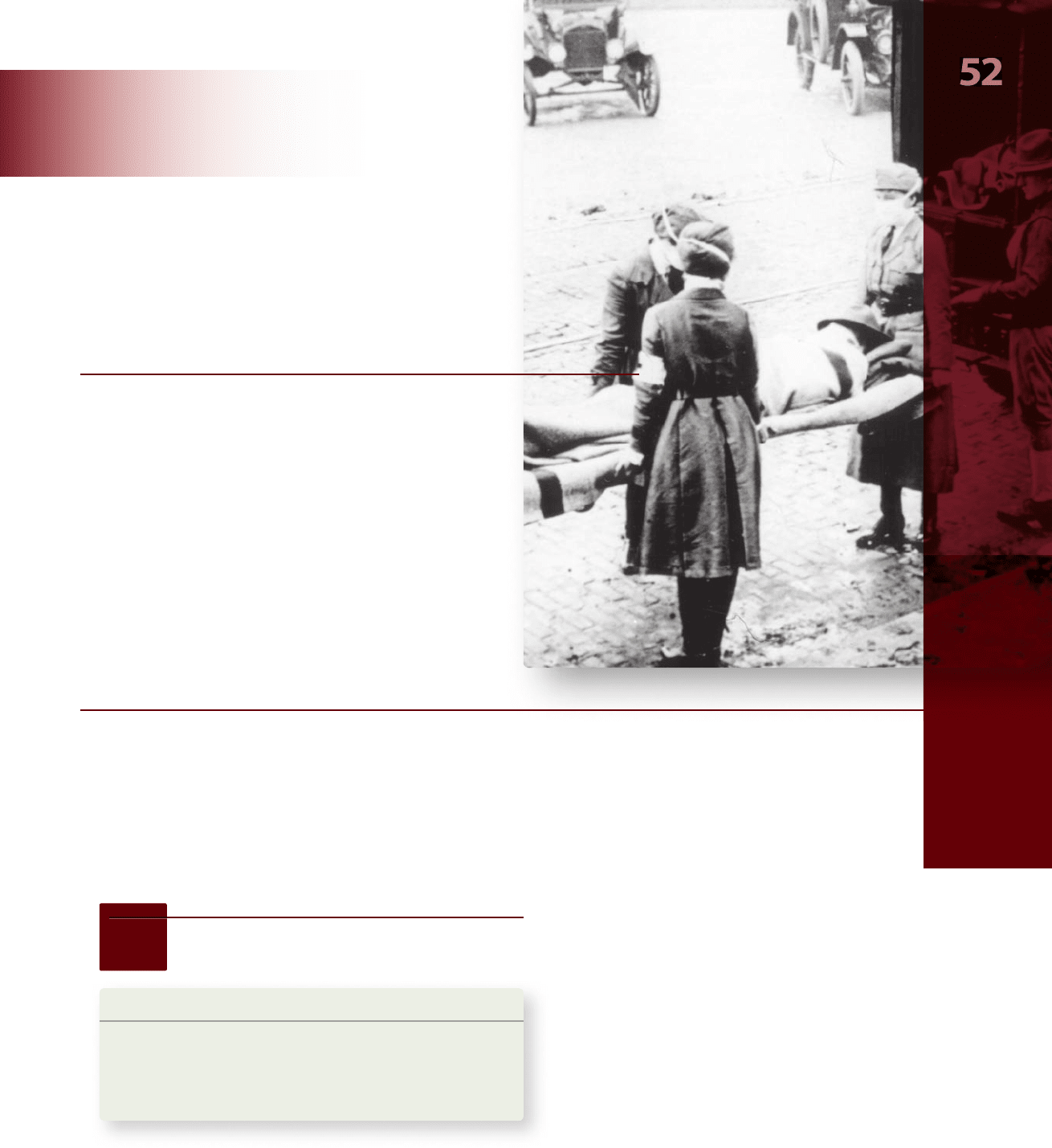
far from perfect. Some 40 million people died from influenza in 1918–1919, and more than a million people will die of malaria
this year. Attempts to improve our defenses against infectious diseases are being actively researched.
tion, it is not a productive way to view the body’s defenses. We
now view the response as much more integrated and consisting
of two parts: innate and adaptive immunity.
The innate system involves the recognition of molecules
that are conserved in particular pathogens, such as lipopolysac-
charide in gram-negative bacteria. The molecules that bind to
these conserved proteins do not result from genomic rearrange-
ments and are limited in number, but do involve recognition of
invading pathogens. The characteristic of this system is a rapid
response that brings cells to the site of infection and uses soluble
antimicrobial proteins to fight the pathogen.
Innate immunity is evolutionarily ancient, with some of
the proteins involved recently being identified in cnidarians.
Parts of the complement system (described later) have also
been identified in horseshoe crabs, indicating that this system
52.1
Innate Immunity
Learning Outcomes
Distinguish between innate and adaptive immunity.1.
Give examples of pathogen-associated molecular 2.
patterns.
Describe the inflammatory response.3.
For many years, the response of vertebrates to microbial inva-
sion was divided into specific and nonspecific forms of defense.
It has now become clear that this is not only an oversimplifica-
CHAPTER
rav32223_ch52_1055-1083.indd 1055rav32223_ch52_1055-1083.indd 1055 11/19/09 1:44:59 PM11/19/09 1:44:59 PM
Apago PDF Enhancer
1056
part
VII
Animal Form and Function
can reach the warm, moist lungs, which would provide ideal
breeding grounds for them. The epithelial cells lining these
passages have cilia that continually sweep the mucus toward
the glottis. There the mucus can be swallowed, carrying poten-
tial invaders out of the lungs and into the digestive tract. One
of the pitfalls of smoking is that nicotine paralyzes the cilia of
the respiratory system so that this natural cleaning of the air
passages does not take place.
Vaginal secretions are sticky and acidic, and they also pro-
mote the growth of normal flora; all of these characteristics help
prevent foreign invasion. In both males and females, acidic urine
continually washes potential pathogens from the urinary tract. In
addition to these physical and chemical barriers to pathogen in-
vasion, the body also uses defense mechanisms such as vomiting,
diarrhea, coughing, and sneezing to expel potential pathogens.
Innate immunity recognizes molecular patterns
Innate immunity is a response to invading pathogens that in-
volves both soluble factors and a variety of different types of
blood cells. The innate response to invading pathogens is based
on the recognition of molecules that are characteristic of the
pathogen. Collectively we call these pathogen-associated mo-
lecular patterns (PAMPs), or microbe-associated molecular
patterns (MAMPs). Examples include the lipopolysaccharide
(LPS) found in gram-negative bacterial cell walls; peptidogly-
can, which is found in all bacterial cell walls; and viral DNA and
RNA. These PAMPs are recognized by pattern recognition
receptors (PRRs) that can be either soluble or on the surface
of blood cells.
Toll-like Receptors
The best studied PRR is the Toll receptor in Drosophila and the
Toll-like receptors (TLR) found in many species. In Drosophila,
Toll was originally discovered as a part of the dorsal–ventral
patterning pathway. Later, the same membrane receptor was
found to mediate a response to fungal infection.
In vertebrates 11 TLRs have been found in humans and 13
in mouse . These bind to a variety of specific targets important
to pathogen survival, which therefore do not vary greatly. These
include gram-negative LPS, bacterial lipoproteins, bacterial pep-
tidoglycan fragments, yeast cell wall components, unmethylated
CpG motifs in bacterial DNA, and viral RNA. This represents a
wide range of possible invading pathogens that vertebrates have
been host to over a long period of evolutionary time.
The structure of TLRs that allows recognition of these
PAMPs are repeated leucine-rich regions that fold to form
binding pockets. These pockets can bind to a variety of shapes.
As these recognize structures that are critical to the pathogen,
a single TLR can recognize a range of pathogens that share a
feature such as LPS or peptidoglycan.
Activation of TLRs leads to signal transduction pathways
that result in the expression of genes encoding products that
enhance the response of both innate and adaptive immune
responses. Activation of TLRs can lead to induction of the
transcription factor NF- κβ , which turns on the inflammatory
response described later on; to the production of antimicrobial
peptides; and to the production of cytokines that attract phago-
cytic cells as well as B and T cells.
is also more ancient than previously thought. This also implies
that the lack of complement in other protostomes is probably
due to loss. Together, this implies that the ancestor to all bilat-
erians had some form of innate immunity.
Adaptive immunity is characterized by the genetic rear-
rangements that generate a diverse set of molecules that can
recognize virtually any invading pathogen. This is the basis for
a slower, but highly specific response to invading pathogens,
and for the more rapid response to a second attack that is the
basis for vaccines. In this chapter, we will discuss innate and
adaptive immunity and how they are interrelated. We will be-
gin with a brief description of the barrier that a pathogen must
cross to gain access to the interior of the body.
The skin is a barrier to infection
The skin is the largest organ of the body, accounting for 15%
of an adult human’s total weight. The integument not only
defends the body by providing a nearly impenetrable barrier,
but also reinforces this defense with chemical weapons on the
surface. Oil and sweat glands give the skin’s surface a pH of
3 to 5, which is acidic enough to inhibit the growth of many
pathogenic microorganisms. Sweat also contains the enzyme
lysozyme, which digests bacterial cell walls. Epithelial cells also
produce a variety of small antimicrobial peptides.
The skin is also home to many normal flora, nonpatho-
genic bacteria or fungi that are well adapted to the skin con-
ditions in different regions of the body. Pathogenic bacteria
that might attempt to colonize the skin generally are unable
to compete with the normal flora. The epidermis of skin is ap-
proximately 10 to 30 cells thick, about as thick as this page.
The outer layer contains cells that are continuously abraded,
injured, and worn by friction and stress during the body’s many
activities. Cells are shed continuously and are replaced by new
cells produced in the innermost layer of the epidermis.
Mucosal epithelial surfaces also
prevent entry of pathogens
In addition to the skin, three other potential routes of entry
by microorganisms and viruses must be guarded: the digestive
tract, the respiratory tract, and the urogenital tract. Recall that
each of these tracts opens to the external environment. Each of
these tracts is lined by epithelial cells, which are continuously
replaced, as are those of the skin.
A layer of mucus, secreted by specialized cells scattered
between the epithelial cells, covers all these epithelial surfaces.
Pathogens are frequently trapped within this mucus layer and
are eliminated by mechanisms specific to the particular tract.
Microbes are present in food, but many are killed by sa-
liva (which contains lysozyme), by the very acidic environment
of the stomach, and by digestive enzymes in the intestine. Addi-
tionally, the gastrointestinal tract is home to a vast array of non-
pathogenic normal flora, whose presence inhibits the growth
of pathogenic competitors. These nonpathogenic organisms
not only outcompete pathogens, but they also may secrete sub-
stances that kill harmful agents.
Microorganisms present in inhaled air are trapped by the
mucus within the smaller bronchi and bronchioles before they
rav32223_ch52_1055-1083.indd 1056rav32223_ch52_1055-1083.indd 1056 11/19/09 1:45:03 PM11/19/09 1:45:03 PM
Apago PDF Enhancer
Virus
Virus-infected
cells
Cytokines
NK cells
Virus-infected
cells
Bacteria, fungi
Bacteria, fungi,
enveloped virus
Gram− bacteria,
enveloped virus
Circulating
phagocytes
Antimicrobial
peptides
MAC
Chemokines
C3b
Macrophage
Epithelial cell
TLR
MBL
Complement
Viral RNA,
DNA, protein
Microbes Initial contact Activation signals Effectors Targets
TLR
Bacterial, fungal
components
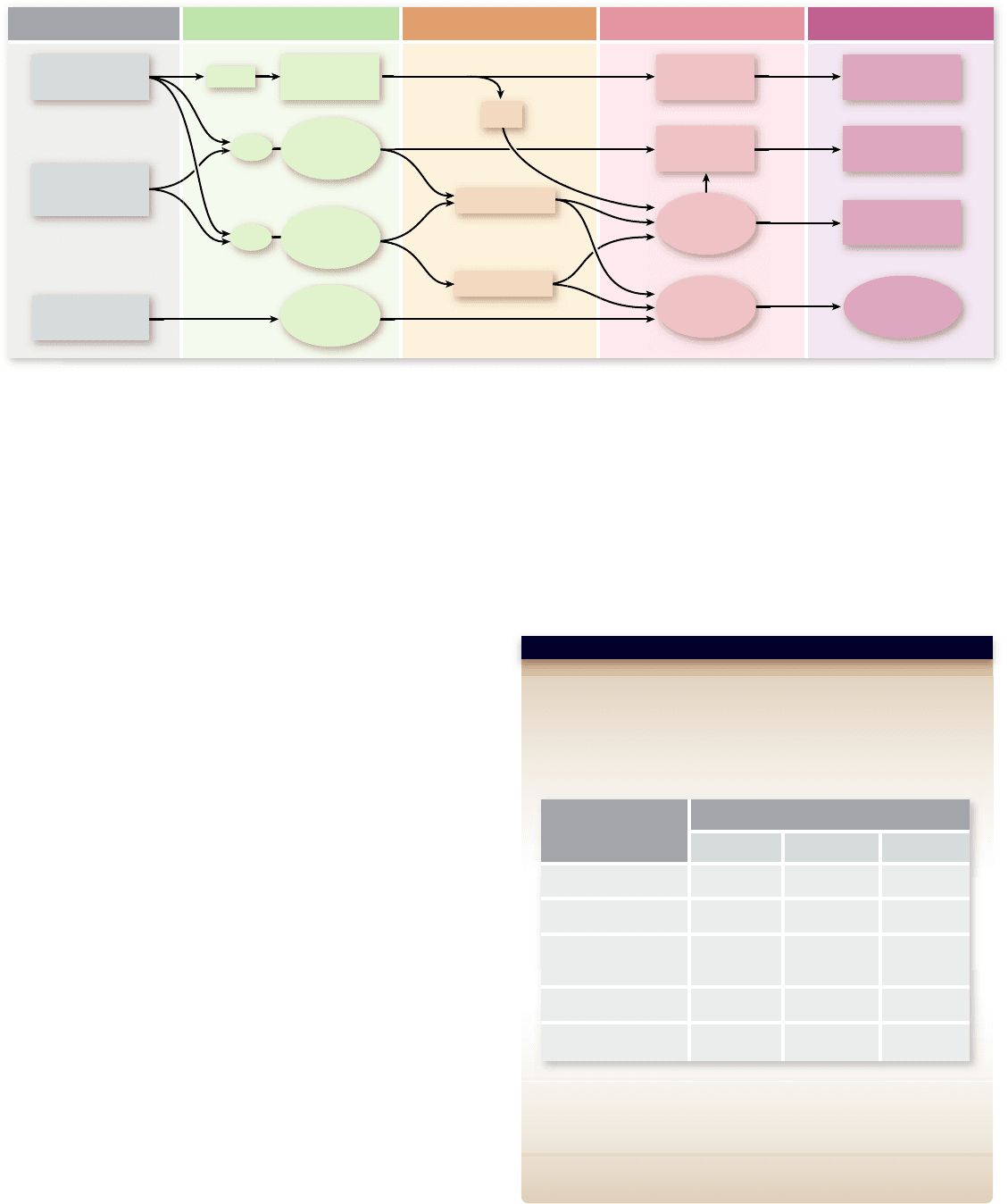
Hypothesis: Defensin peptides have activity against viruses.
Prediction: Viruses incubated with the human neutraphil defensin one
(HNP-1) in vitro will have reduced infectivity.
Test: Direct test by incubating different viruses with HNP-1, then using
standard infectivity assay expressed as plaque-forming units (PFU)/mL.
Result: HNP-1 has activity against a variety of viruses as shown in the table.
Conclusion: HNP-1 has activity against different enveloped viruses,
although this activity is not equally effective against the different viruses.
Further Experiments: How could you determine the mechanisms
of action?
SCIENTIFIC THINKING
Mean log
10
Reduction in PFU/mL
Virus 25 μg/mL 50 μg/mL 100 μg/mL
HSV-1 2 2.9 3
0.8 1.2 2HSV-2
0.4 0.7 0.9
Vesicular
stomatitus virus
0.4 0.5 0.7Influenza virus
-0.02 0.09 0.3Cytomegalovirus
chapter
52
The Immune System
1057www.ravenbiology.com
Figure 52.1
Overview of innate immunity. Pathogens have critical molecules that adhere to either membrane-bound (TLR), or
soluble receptors (MBL). This results in the production of cytokines and chemokines that attract phagocytes, of antimicrobial peptides, the
membrane attack complex (MAC) of the complement cascade, and the activation of natural killer cells (NK cells).
Cytoplasmic receptors
Two newly characterized kinds of receptors are not membrane
proteins, rather they are found in the cytoplasm. These are the
nucleotide oligerization domain (NOD)-like receptors (NLRs)
and Rig helicase-like receptors (RLRs). These internal re-
ceptors can recognize PAMPs in the cytoplasm of cells after
phagocytosis. The RLRs also help in responding to viral RNA.
Soluble receptors
In addition to the surface receptors described earlier, some
circulating molecules can respond to molecules derived from
pathogens. These include some of the lectin family, such as the
mannose-binding lectin (MBL) protein. This protein is found
in serum and can bind to mannose-containing carbohydrates
on microbial surfaces. MBL is important in activating the com-
plement system described later.
Innate immunity leads to diverse
responses to a pathogen
Binding of a pathogen-associated molecule to any of the innate
immune-type receptors activates signal transduction pathways
that lead to a rapid response. This includes the production of
secreted signaling molecules, release of antimicrobial peptides,
and activation of complement. An overview of all of these ac-
tivities is shown in figure 52.1 .
The secretion of antimicrobial peptides normally found in
the integument can be increased when TLRs on the surface of
epithelial cells and phagocytic cells bind components of invad-
ing pathogens. In humans, the major categories of antimicro-
bial peptides are called defensins and cathelicidin. Defensins are
small peptides with 6 disulfide-linked cyteines that expose posi-
tively charged amino acids on the surface. The defensins bind
to the outer membranes of bacterial species, which tend to be
negatively charged. This can both disrupt the outer membrane
and enhance phagocytosis. Defensins have also been shown to
work against enveloped viruses (figure 52.2) . The antimicrobial
enzyme lysozyme can also be induced by TLR activation.
Another class of proteins induced by innate defenses that
play a key role in body defense are interferons. Interferons are
important secreted signaling molecules with diverse functions.
Figure 52.2
Activity of defensin against
di e r e n t v i r u s e s .
rav32223_ch52_1055-1083.indd 1057rav32223_ch52_1055-1083.indd 1057 11/19/09 3:18:37 PM11/19/09 3:18:37 PM
Apago PDF Enhancer
5.55 μm
1058
part
VII
Animal Form and Function
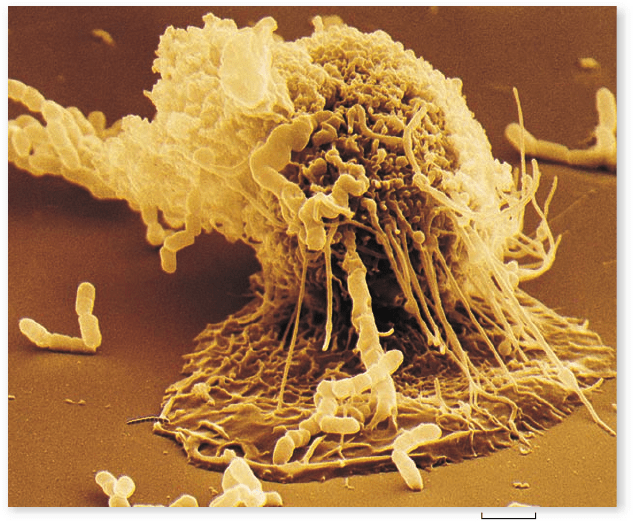
Figure 52.3
A macrophage in action. In this scanning
electron micrograph, a macrophage is “ shing” with long, sticky
cytoplasmic extensions. Bacterial cells that come in contact with
the extensions are drawn toward the macrophage and engulfed.
The three major categories of interferons are alpha, beta, and
gamma (IFN-α, IFN-β, IFN- γ).
Almost all cells in the body make IFN-α and IFN-β.
These polypeptides are synthesized when a virus infects a cell
and act as messengers that protect normal uninfected cells in
the vicinity. Although viruses are still able to penetrate the
neighboring cells, IFN-α and IFN-β induce the degradation of
RNA and block protein production in these cells. Although this
leads to the death of the cells, it also prevents virus production
and spread.
IFN- γ is produced only by particular leukocytes called
T lymphocytes (described later) and natural killer cells. The
secretion of IFN- γ by these cells is part of the immunological
defense against infection and cancer.
In addition to these nonspecific defensive molecules, acti-
vation of innate immunity leads to two other responses that are
important enough to be discussed separately later: activation of
the inflammatory response, and activation of the complement
pathway. Signaling from both TLR and internal receptors can
lead to the secretion of a variety of cytokines, or regulatory sig-
naling molecules. These attract other nonspecific phagocytic
cells, cause inflammation, and even signal to the adaptive im-
mune system.
Phagocytic cells are associated
with innate immunity
Among the most important innate defenses are some types
of leukocytes, or white blood cells, that circulate through the
body and nonspecifically attack pathogens within tissues (see
chapter 50 for an overview of blood and blood cells) . Three
basic kinds of defending leukocytes have been identified, and
each kills invading microorganisms differently.
Macrophages
Macrophages (“big eaters”) are large, irregularly shaped cells
that kill microorganisms by ingesting them through phagocyto-
sis (figure 52.3) . Once within the macrophage, the membrane-
bound phagosome fuses with a lysosome. Fusion activates
lysosomal enzymes that kill and digest the microorganism. Ad-
ditionally, large quantities of oxygen-containing free radicals
are frequently produced within the phagosome; these free radi-
cals are very reactive and degrade the pathogen.
In addition to bacteria, macrophages also engulf viruses,
cellular debris, and dust particles in the lungs. Macrophages
roam continuously in the extracellular fluid that bathes tissues.
In response to an infection, monocytes, which are undifferen-
tiated macrophages found in the blood, squeeze through the
endothelial cells of capillaries to enter the connective tissues.
There, at the site of the infection, the monocytes mature into
active, phagocytic macrophages.
Neutrophils
Neutrophils are the most abundant circulating leukocytes,
accounting for 50 to 70% of the peripheral blood leukocytes.
They are the first type of cell to appear at the site of tissue
damage or infection. Like macrophages, they squeeze between
capillary endothelial cells to enter infected tissues, where they
ingest a variety of pathogens by phagocytosis. Their mecha-
nism of pathogen destruction is similar to that of macrophages
except that they produce an even greater range of reactive oxy-
gen radicals. Neutrophils also produce defensin peptides.
Natural killer cells
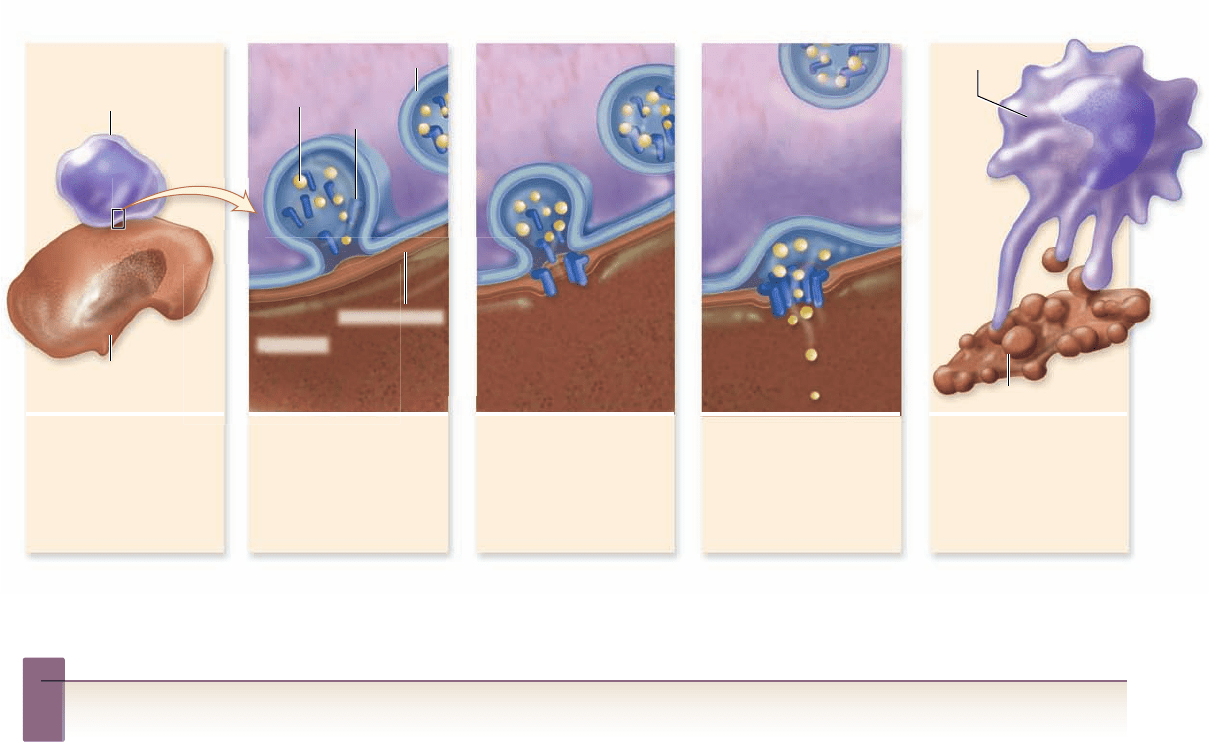
Natural killer (NK) cells do not attack invading microbes
directly. Instead, they kill cells of the body that have been in-
fected with viruses. They kill not by phagocytosis, but rather by
inducing apoptosis (programmed cell death) of the target cell
(see chapter 19). Proteins called perforins, released from the NK
cells, insert into the membrane of the target cell, polymeriz-
ing into a pore. Other NK-produced proteins, granzymes, then
enter the pores created by the perforin molecules and activate
proteins known as caspases, found within the target cells, which
in turn induce apoptosis (figure 52.4) . Macrophages ingest the
resulting membrane-bounded vesicular cell debris.
NK cells also attack tumor cells, often before the tumor
cells have had a chance to divide sufficiently to be detectable
as a tumor. The vigilant surveillance by NK cells is one of the
body’s most potent defenses against cancer. Thus, these cells
are often said to play a role in immune surveillance.
The in ammatory response is a nonspeci c
response to infection or tissue injury
The inflammatory response involves several systems of the
body, and it may be either localized or systemic. An acute re-
sponse is one that generally starts rapidly but lasts for only a
relatively short while.
rav32223_ch52_1055-1083.indd 1058rav32223_ch52_1055-1083.indd 1058 11/19/09 1:45:04 PM11/19/09 1:45:04 PM
Apago PDF Enhancer
2. In the NK cell,
vesicles containing
perforin molecules
and granzymes
release their contents
by exocytosis.
3. Perforin molecules
polymerize in the
plasma membrane of
the target cell,
forming pores.
4. Granzymes pass
through the pores
and activate caspase
enzymes that induce
apoptosis in the
target cell.
5. The apoptotic cell is
broken down into
vesicles. Macrophages
then phagocytose
these vesicles.
1. Natural killer cell
(NK cell) binds
tightly to target cell.
Natural killer (NK) cell
Target cell
NK cell
Target cell
Cell membrane
Vesicle
Perforin
Granzyme
Macrophage
Apoptotic cell
chapter
52
The Immune System
1059www.ravenbiology.com
Figure 52.4
How natural killer cells eliminate target cells. Natural killer cells kill virally infected cells by programmed cell
death, or apoptosis. This is accomplished by secreting proteins that form pores in the cell to be killed, along with proteins that diffuse
through these pores and induce apoptosis.
Inquiry question
?
What would happen if an NK cell killed a virally infected target cell by simply causing the cell to burst, releasing all the cell contents into
the tissues?
hypothalamus to raise the body’s temperature several degrees
above the normal value of 37°C (98.6°F). This increase in
body temperature promotes the activity of phagocytic cells
and impedes the growth of some microorganisms.
Fever contributes to the body’s defense by stimulating
phagocytosis and causing the liver and spleen to store iron.
This storage reduces blood levels of iron, which bacteria need
in large amounts to grow. Very high fevers are hazardous, how-
ever, because excessive heat may denature critical enzymes. In
general, temperatures greater than 39.4°C (103°F) are con-
sidered dangerous for humans, and those greater than 40.6°C
(105°F) are often fatal.
A group of proteins collectively referred to as acute-phase
proteins are also released from cells of the liver during an in-
flammatory response, sometimes at levels 1000-fold above the
normal serum concentration. These proteins bind to a variety
of microorganisms and promote their ingestion by phagocytic
cells—the neutrophils and macrophages.
Complement can form a
membrane attack complex
The cellular defenses of vertebrates are enhanced by a very
effective chemical defense called the complement system—
a group of approximately 30 different proteins that circulate
freely in the blood plasma. Usually they occur in an inactive
form, which can enter the tissues during an inflammatory
Certain infected or injured cells release chemical alarm
signals—most notably histamine, along with prostaglandins
and bradykinin (see chapter 46). These chemicals promote the
dilation of local blood vessels, which increases the flow of blood
to the site and causes the area to become red and warm, two of
the hallmark signs of inflammation. These chemicals also in-
crease the permeability of capillaries in the area, producing the
third hallmark sign of inflammation, the edema (tissue swell-
ing) often associated with infection. Swelling puts pressure on
nerve endings in the region, and this, in combination with the
release of other mediators, leads to pain and potential loss of
function, the final two hallmark signs of inflammation.
Increased capillary permeability initially promotes the
migration of phagocytic neutrophils from the blood to the ex-
tracellular fluid bathing the tissues, where the neutrophils can
ingest and degrade pathogens; the pus associated with some
infections is a mixture of dead or dying pathogens, tissue cells,
and neutrophils. The neutrophils also secrete signaling mol-
ecules that attract monocytes several hours later; as the mono-
cytes differentiate into macrophages, they too engulf pathogens
and the remains of the dead cells (figure 52.5) .
The inflammatory response is accompanied by an acute-
phase response. One manifestation of this response is an eleva-
tion of body temperature, or fever (see chapter 43). When a
macrophage with a TLR on its surface binds to a PAMP, the
cytokine called interleukin-1 (IL-1) is released and is car-
ried by the blood to the brain . IL-1 causes neurons in the
rav32223_ch52_1055-1083.indd 1059rav32223_ch52_1055-1083.indd 1059 11/19/09 1:45:06 PM11/19/09 1:45:06 PM
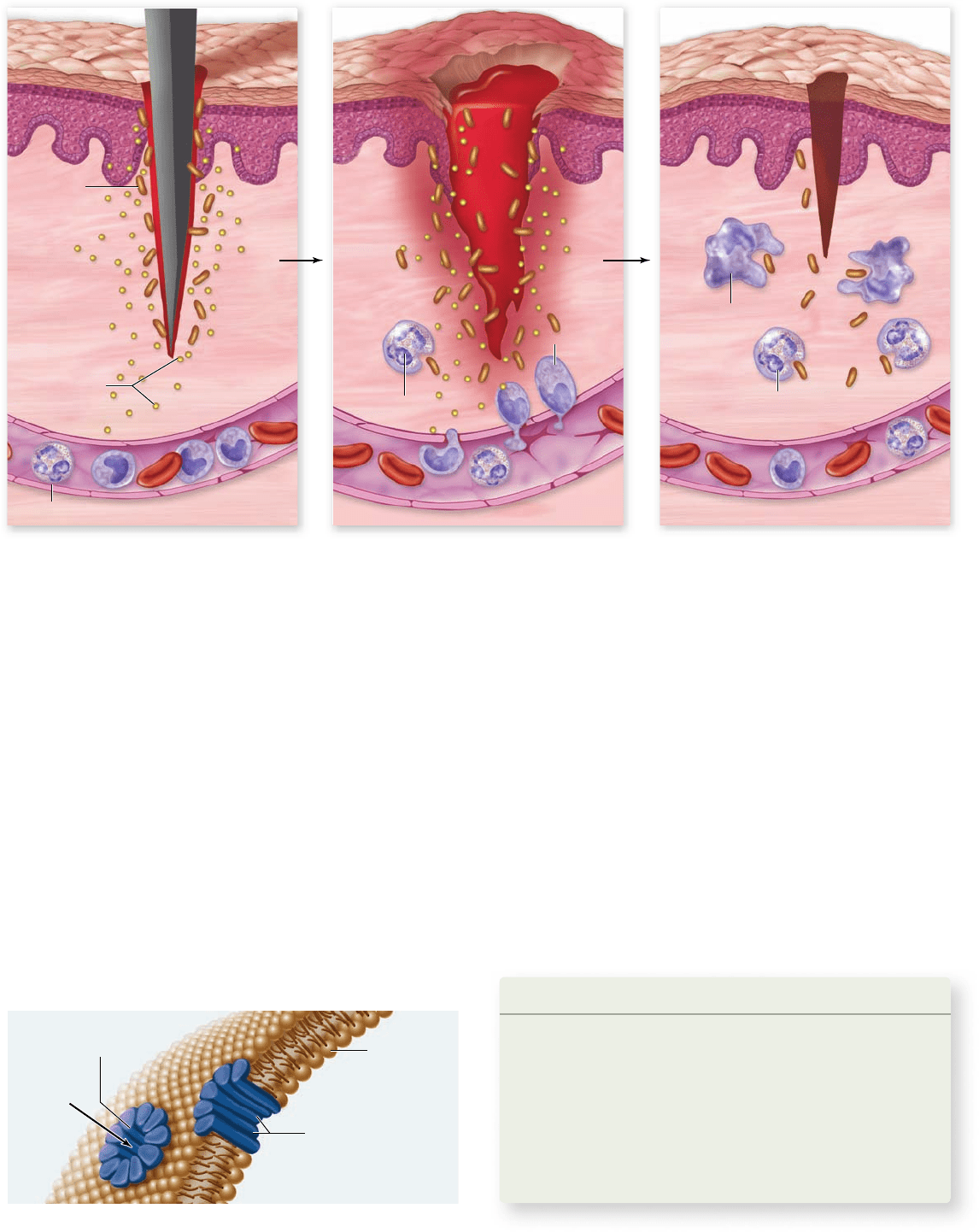
Apago PDF Enhancer
Bacteria
Chemical
alarm signals
Blood vessel
Neutrophil
Monocyte
Neutrophil
Macrophage
Pore
Fluid
Membrane
of invading
microbe
Complement
proteins
1060
part
VII
Animal Form and Function
Figure 52.5
The events in local in ammation. When invading pathogens have penetrated an epithelial surface, chemical alarm
signals, such as histamine and prostaglandins, released from damaged cells, cause nearby blood vessels to dilate and increase in permeability.
Increased blood ow causes swelling and promotes the accumulation of phagocytic cells, speci cally neutrophils followed by macrophages,
which attack and engulf invading the pathogens.
response . Complement can be activated by mannose-binding
lectin protein (MBL), one of the soluble sensors of innate im-
munity, or can be activated by a complex series of reactions
involving charged species on the surface of pathogens.
When the complement system is activated, complement
proteins aggregate to form a membrane attack complex
(MAC) that inserts itself into the pathogen’s plasma membrane
(or the lipid membrane around an enveloped virus), forming a
pore. Ex tracellular fluid enters the pathogen through this pore,
causing the pathogen to swell and burst. Activation of the com-
plement proteins is also triggered in a specific fashion when
antibodies (which are secreted by B lymphocytes) are bound to
invading pathogens, as we describe in a later section.
Other complement proteins, particularly one known as C3b,
may coat the surface of invading pathogens. Phagocytic neutrophils
and macrophages, which have receptors for C3b, may thus be “di-
rected” to bind to the pathogens, promoting their phagocytosis
and destruction. This is a particularly efficient way of eliminat-
ing those pathogens that do not have an outer lipid membrane
into which a MAC may insert itself. Some complement proteins
stimulate the release of histamine and other mediators by cells
known as mast cells and basophils, promoting the dilation and
increased permeability of capillaries; other complement proteins
attract more phagocytes, especially neutrophils, to the area of
infection through the more-permeable blood vessels.
Learning Outcomes Review 52.1
Innate immunity is ancient and recognizes molecular patterns; adaptive
immunity involves genetic rearrangements to attack specifi c pathogens.
The molecular patterns that innate immunity recognizes include bacterial
lipopolysaccharide and peptidoglycan, as well as viral RNA and DNA. The
infl ammatory response begins with histamine release and involves a variety
of molecules and signals that attract neutrophils, increase permeability,
activate the complement system, and trigger fever.
■ Is innate immunity nonspecific?
rav32223_ch52_1055-1083.indd 1060rav32223_ch52_1055-1083.indd 1060 11/19/09 1:45:09 PM11/19/09 1:45:09 PM

Apago PDF Enhancer
chapter
52
The Immune System
1061www.ravenbiology.com
Figure 52.6
The birth of
immunology.
This painting shows
Edward Jenner
inoculating patients
with cowpox in
the 1790s and thus
protecting them
from smallpox.
Jenner’s procedure of injecting a harmless agent to con-
fer resistance to a dangerous one is called vaccination. Modern
attempts to develop resistance to malaria, herpes, and other dis-
eases often involve delivering antigens via a harmless vaccinia
virus related to the cowpox virus (see chapter 17).
Pasteur and avian cholera
Many years passed before anyone learned how exposure to an
infectious agent could confer resistance to a disease. A key step
toward answering this question was taken more than a half-
century later by the famous French scientist Louis Pasteur. Pas-
teur was studying avian cholera, a form that infects birds. He
isolated a culture of bacteria from diseased chickens that would
produce the disease if injected into healthy birds.
It is reported that before departing on a two-week vaca-
tion, he accidentally left his bacterial culture out on a shelf.
When he returned, he injected this old culture into healthy
birds and found that it had apparently been weakened; the
injected birds became only slightly ill and then recovered.
Surprisingly, however, those birds did not get sick when sub-
sequently infected with fresh cholera bacteria that did produce
the disease in control chickens. Clearly, something about the
bacteria could elicit immunity, as long as the bacteria did not
kill the animals first. We now know that molecules protruding
from the surfaces of the bacteria evoked active immunity in
the chickens.
Antigens stimulate speci c immune responses
An antigen is a molecule that provokes a specific immune re-
sponse. The most effective antigens are large, complex mol-
ecules such as proteins. The greater their “foreignness,” or put
another way, their phylogenetic distance from the host, the
greater will be the immune response they elicit.
Antigens may be components of a microorganism or a
virus, but they may also be proteins or glycoproteins on the
surface of transfused red blood cells or on transplanted tissue.
52.2
Adaptive Immunity
Learning Outcomes
Define the characteristics of adaptive immunity.1.
Describe how lymphocytes acquire receptors.2.
Distinguish between humoral and cellular forms 3.
of immunity.
Few of us pass through childhood without contracting a va-
riety of infectious illnesses. Prior to the advent of an effective
vaccine in about 1991, most children contracted chicken pox
before reaching their teens. Chicken pox and some other such
diseases were considered diseases of childhood because most
people, once recovered, never experienced them again. They
developed immunity to the chicken pox-causing varicella-zoster
virus and maintained this immunity as long as their immune
systems remained intact. Similarly, immunization today with a
nonpathogenic form of varicella virus can also confer protec-
tion. This immunity is produced by adaptive immune defense
mechanisms, also called acquired immunity.
Immunity had long been observed,
but the mechanisms have only
recently been understood
Societies have known for over 2000 years that an individual
who experiences an infectious disease is often protected against
a subsequent occurrence of the same disease. The scientific
study of immunity, however, did not begin until 1796, when an
English country doctor, Edward Jenner, carried out an experi-
ment to protect people again smallpox.
Jenner and the smallpox virus
Smallpox, caused by the variola virus, was a common and deadly
disease in the 1700s and earlier centuries. As with chicken pox,
those who survived smallpox rarely caught the disease again,
and people had been known to deliberately infect themselves
through inoculation hoping to survive a mild case and become
immune. Jenner observed, however, that milkmaids who had
caught a much milder form of “the pox” called cowpox (pre-
sumably from cows) rarely experienced smallpox.
Jenner set out to test the idea that cowpox could confer
protection against smallpox. He inoculated a healthy child with
fluid from a cowpox vesicle and later deliberately infected him
with fluid from a smallpox vesicle; as he had predicted, the child
did not become ill. (Jenner’s experiment would be considered
unethical today.) Subsequently, many people were protected
from smallpox by immunization with fluid from cowpox ves-
icles, a much less risky proposition (figure 52.6) .
We now know that smallpox and cowpox are caused by
two different viruses that have similar surfaces. Jenner’s pa-
tients who were injected with the cowpox virus mounted a
defense that was also effective against a later infection of the
smallpox virus.
rav32223_ch52_1055-1083.indd 1061rav32223_ch52_1055-1083.indd 1061 11/19/09 1:45:12 PM11/19/09 1:45:12 PM