
Raven P.H., Johnson G.B., Mason K.A. Biology (Ninth Edition)
Подождите немного. Документ загружается.

Apago PDF Enhancer
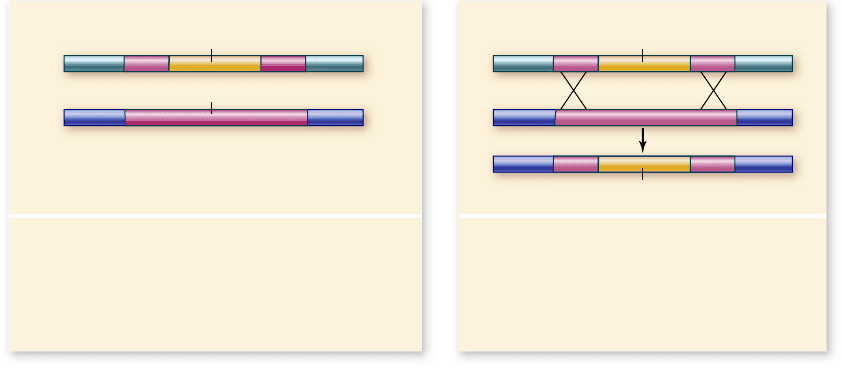
Gene to be knocked out
1. Using recombinant DNA techniques, the gene
encoding resistance to neomycin (neo) is inserted
into the gene of interest, disrupting it. The neo gene
also confers resistance to the drug G418, which kills
mouse cells. This construct is then introduced into
ES cells.
neo
2. In some ES cells, the construct will recombine
with the chromosomal copy of the gene to be
knocked out. This replaces the chromosomal
copy with the neo disrupted construct. This is
the equivalent to a double crossover event in
a genetic cross.
neo
neo
insect is not so different from the formation of the complex
vertebrate eye. This example is discussed in more detail in
chapter 25 .
Cloned genes can be used to construct
“knockout” mice
One of the most important technologies for research purposes
is in vitro mutagenesis —the ability to create mutations at
any site in a cloned gene to examine their effect on function.
Rather than depending on mutations induced by chemical
agents or radiation in intact organisms, which is time- and
labor-intensive, the DNA itself is directly manipulated. The
ultimate use of this approach is to be able to replace the wild-
type gene with a mutant copy to test the function of the mu-
tated gene. Developed first in yeast, this technique has now
been extended to the mouse.
In mice, this technique has produced knockout mice in
which a known gene is inactivated (“knocked out”). The effect
of loss of this function is then assessed in the adult mouse, or
if it is lethal, the stage of development at which function fails
can be determined. The idea is simple, but the technology is
quite complex. A streamlined description of the steps in this
type of experiment are outlined as follows and illustrated in
figure 17.15 :
The cloned gene is disrupted by replacing it with a 1.
marker gene using recombinant DNA techniques. The
marker gene codes for resistance to the antibiotic
neomycin in bacteria, which allows mouse cells to survive
when grown in a medium containing the related drug
G418. The construction is done such that the marker
gene is anked by the DNA normally anking the gene of
interest in the chromosome.
The interrupted gene is introduced into 2. embryonic stem
cells (ES cells). These cells are derived from early
embryos and can develop into different adult tissues. In
these cells, the gene can recombine with the chromosomal
copy of the gene based on the anking DNA. This is the
same kind of recombination used to map genes
(chapter 13 ) . The knockout gene with the drug resistance
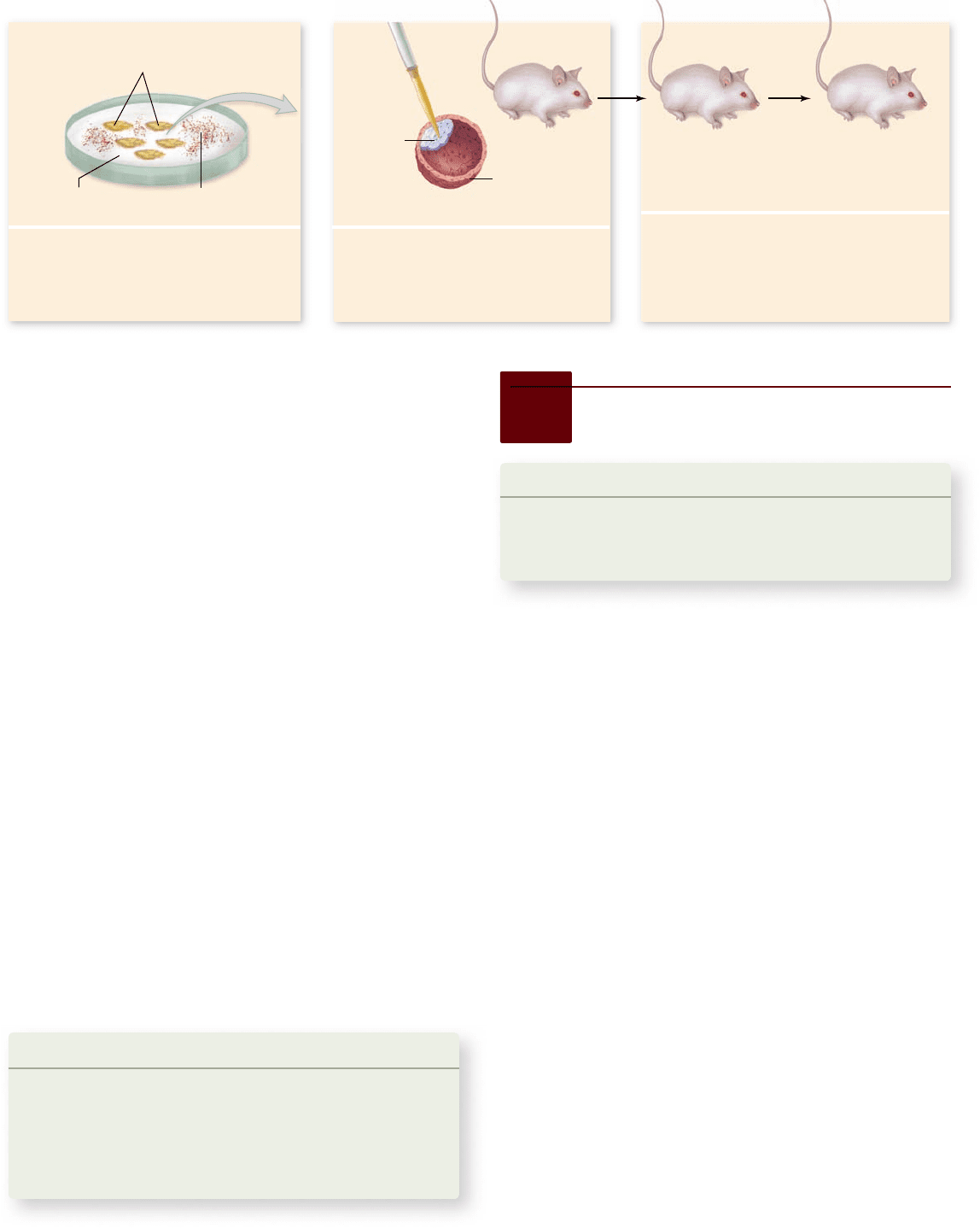
Figure 17.15
Construction of a knockout
mouse.
Steps in the
construction of a knockout
mouse. Some technical details
have been omitted, but the basic
concept is shown.
or organism was a long way off. But we are now approaching
this ability, and it has generated much excitement as well
as controversy.
Expression vectors allow production
of speci c gene products
A variety of specialized vectors have been constructed since the
development of cloning technology. One very important type
of vector are the expression vectors. These vectors contain
the sequences necessary to drive expression of inserted DNA in
a specific cell type, namely the correct sequences to permit
transcription and translation of the sequences. The production
of recombinant proteins in bacteria, for example, uses expres-
sion vectors with bacterial promoters and other control regions.
The bacteria transformed by such vectors synthesize large
amounts of the protein encoded by the inserted DNA. A num-
ber of pharmaceuticals have been produced in this way, the first
of which was insulin, used to treat diabetes. (This type of ap-
plication is discussed in more detail in the next section.)
Genes can be introduced across
species barriers
The ability to reintroduce genes into an original host cell, or to
introduce genes into another host, is true genetic engineering.
An animal containing a gene that has been introduced without
the use of conventional breeding is called a transgenic animal.
We will explore a number of uses of transgenic animals in med-
icine and agriculture, but it is important to realize that their
original use was for basic research.
The ability to engineer genes in context or out of context
allows an experimenter to ask questions that could never be
asked otherwise. A dramatic example was the use of the eyeless
gene from mice in Drosophila. When this mouse gene was intro-
duced into Drosophila, it was shown to be able to substitute for
a Drosophila gene in organizing the formation of eyes. It could
even cause the formation of eyes in incorrect locations when
expressed in tissue that did not normally form eyes. This amaz-
ing result shows that the formation of the compound eye in an
342
part
III
Genetic and Molecular Biology
rav32223_ch17_327-351.indd 342rav32223_ch17_327-351.indd 342 11/11/09 3:02:07 PM11/11/09 3:02:07 PM
Apago PDF Enhancer
G418-containing
medium
Dead cells without
knocked out gene
Embryonic stem (ES) cells with
knocked out gene
4. The ES cells containing the knocked out
gene are injected into a blastocyst stage
embryo and then implanted into a female
to complete development.
5. Offspring will contain one chromosome with
the gene of interest knocked out. Genetic
crosses can then produce mice homozygous
for the knocked out gene to assess the
phenotype. This can range from lethality to
no visible effect depending on the gene.
Homozygous
mouse for the
knockout gene
Heterozygous
mouse carrying
the knockout gene
Surrogate mouse
Blastocyst
ES cells
containing
neo
3. The ES cells are placed on G418-
containing medium. The G418 selects
cells that have had a replacement event,
and now contain a copy of the knocked
out gene.
gene does not have an origin of replication, and thus it
will be lost if no recombination occurs. Cells are grown in
medium containing G418 to select for recombination
events. (Only those containing the marker gene can grow
in the presence of G418.)
The ES cells containing the knocked-out gene are 3.
injected into a blastocyst stage embryo, which is then
implanted into a pseudopregnant female (one that has
been mated with a vasectomized male and as a result has a
receptive uterus). The pups from this female have one
copy of the gene of interest knocked out. Transgenic
animals can then be crossed to generate homozygous
lines. These homozygous lines can be analyzed
for phenotypes.
In conventional genetics, genes are identified based on
mutants that show a particular phenotype. Molecular genetic
techniques are then used to find the gene and isolate a molecu-
lar clone for analysis. The use of knockout mice is an example
of reverse genetics: A cloned gene of unknown function is
used to make a mutant that is deficient in that gene. A geneticist
can then assess the effect on the entire organism of eliminating
a single gene.
Sometimes this approach leads to surprises, such as hap-
pened when the gene for the p53 tumor suppressor was knocked
out. Because this protein is found mutated in many human can-
cers and plays a key role in the regulation of the cell cycle
(chapter 10 ) , it was thought to be essential—the knockout was
expected to be lethal. Instead, the mice were born normal; that
is, development had proceeded normally. These mice do have a
phenotype, however; they exhibit an increased incidence of tu-
mors in a variety of tissues as they age.
Learning Outcome Review 17.4
Expression vectors that contain cloned genes allow the production of known
proteins in diff erent cells. This can be done for research purposes or to
produce pharmaceuticals.
■ Why is recombination an essential factor in creating a
“knockout” mouse?
Learning Outcomes
Explain how eukaryote proteins can be produced in 1.
bacterial cells.
Evaluate potential problems of gene therapy. 2.
The early days of genetic engineering led to a rash of startup
companies, many of which are no longer in business. At the
same time, all of the major pharmaceutical companies either
began research in this area or actively sought to acquire smaller
companies with promising technology. The number of applica-
tions of this technology are far too numerous to mention here,
but we highlight a few; the section following discusses agricul-
tural applications.
Human proteins can be produced in bacteria
The first and perhaps most obvious commercial application of
genetic engineering was the introduction of genes that encode
clinically important proteins into bacteria. Because bacterial
cells can be grown cheaply in bulk, bacteria that incorporate
recombinant genes can synthesize large amounts of the pro-
teins those genes specify, assuming the inserted gene has been
designed to be expressed in a bacterial cell. This method has
been used to produce several forms of human insulin and the
immune system protein interferon, as well as other commer-
cially valuable proteins, such as human growth hormone
( figure 17.16) and erythropoietin, which stimulates red blood
cell production.
Among the medically important proteins now manufac-
tured by these approaches are atrial peptides, small proteins
that may provide a new way to treat high blood pressure and
kidney failure. Another is tissue plasminogen activator
(TPA), a human protein synthesized in minute amounts that
causes blood clots to dissolve and that if used within the first
17.5
Medical Applications
chapter
17
Biotechnology
343www.ravenbiology.com
rav32223_ch17_327-351.indd 343rav32223_ch17_327-351.indd 343 11/10/09 2:43:49 PM11/10/09 2:43:49 PM
Apago PDF Enhancer
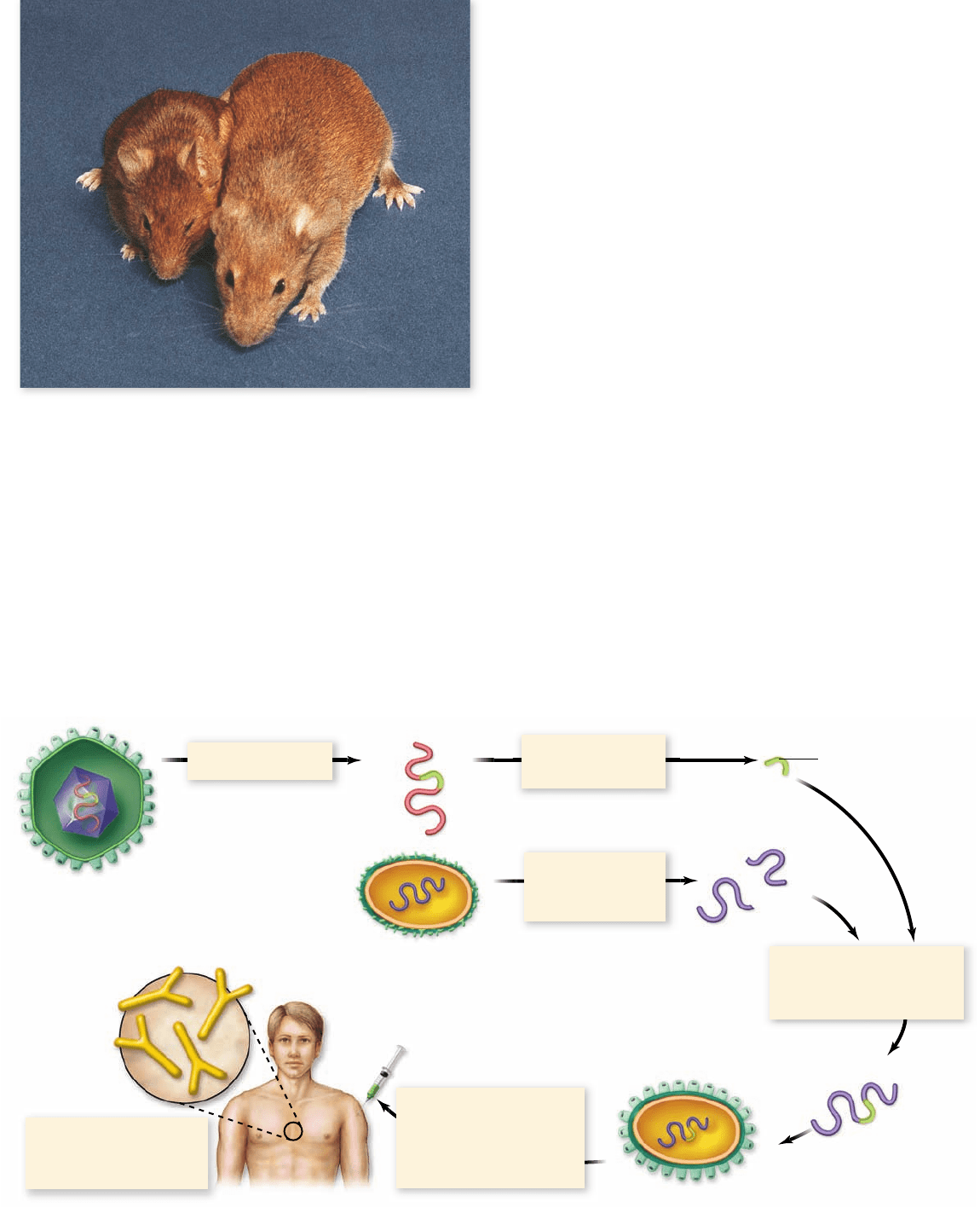
Human immune
response
Gene specifying herpes
simplex surface protein
Harmless vaccinia
(cowpox) virus
Herpes simplex virus
1. DNA is extracted.
2. Herpes simplex
gene is isolated.
3. Vaccinia DNA
is extracted and
cleaved.
4. Fragment containing
surface gene combines
with cleaved vaccinia DNA.
5. Harmless engineered
virus (the vaccine) with
surface like herpes
simplex is injected into
the human body.
6. Antibodies directed
against herpes simplex
viral coat are made.
3 hr after an ischemic stroke (i.e., one that blocks blood to the
brain) can prevent catastrophic disability.
A problem with this approach has been the difficulty of
separating the desired protein from the others the bacteria
make. The purification of proteins from such complex mixtures
is both time-consuming and expensive, but it is still easier than
Figure 17.16
Genetically engineered mouse with
human growth hormone.
These two mice are from an inbred
line and differ only in that the large one has one extra gene: the
gene encoding human growth hormone. The gene was added to
the mouse’s genome and is now a stable part of the mouse’s
genetic endowment.
Figure 17.17
Strategy for constructing a subunit vaccine against herpes simplex.
Recombinant DNA techniques can be
used to construct vaccines for a single protein from a virus or bacterium. In this example, the protein is a surface protein from the herpes
simplex virus.
isolating the proteins from bulk processing of the tissues of ani-
mals, which is how such proteins used to be obtained. For ex-
ample, insulin was previously extracted from hog pancreases
because hog insulin was similar to human insulin.
Recombinant DNA may simplify
vaccine production
Another area of potential significance involves the use of ge-
netic engineering to produce vaccines against communicable
diseases. Two types of vaccines are under investigation: subunit
vaccines and DNA vaccines.
Subunit vaccines
Subunit vaccines may be developed against viruses such as
those that cause herpes and hepatitis. Genes encoding a part, or
subunit, of the protein polysaccharide coat of the herpes sim-
plex virus or hepatitis B virus are spliced into a fragment of the
vaccinia (cowpox) virus genome (figure 17.17).
The vaccinia virus, which British physician Edward
Jenner used more than 200 years ago in his pioneering vaccina-
tions against smallpox, is now used as a vector to carry the her-
pes or hepatitis viral coat gene into cultured mammalian cells.
These cells produce many copies of the recombinant vaccinia
virus, which has the outside coat of a herpes or hepatitis virus.
When this recombinant virus is injected into a mouse or rabbit,
the immune system of the infected animal produces antibodies
directed against the coat of the recombinant virus. The animal
then develops an immunity to herpes or hepatitis virus.
344
part
III
Genetic and Molecular Biology
rav32223_ch17_327-351.indd 344rav32223_ch17_327-351.indd 344 11/10/09 2:43:50 PM11/10/09 2:43:50 PM

Apago PDF Enhancer
Clinical trials for treating macular degeneration, a ge-
netic eye disease, using an RNAi vector (see chapter 16 ) are
promising. Individuals with a certain type of macular degen-
eration lose their sight because of the uncontrolled prolifera-
tion of blood vessels under the retina. For the patient, it is a lot
like looking through a car windshield with broken wipers in
the middle of a thunderstorm. RNAi gene therapy involves in-
jection of double-stranded RNA coding for a gene necessary
for blood vessel proliferation. The RNAi mechanism has the
counterintuitive effect of supressing production of the protein
needed for blood vessel development, preventing progression
of the disease.
One disease that illustrates both the potential and the
problems with gene therapy is severe combined immuno-
deficiency disease (SCID). This disease has multiple forms,
including an X-linked form (X-SCID) and a form that lacks the
enzyme adenosine deaminase (ADA-SCID).
Recent trials for both of these forms showed great initial
promise, with patients exhibiting restoration of immune func-
tion. But then problems arose in the case of the X-SCID trial
when a patient developed a rare form of leukemia. Since that
time, two other patients have developed the same leukemia, and
it appears to be due to the gene therapy itself. The vector used
to introduce the X-SCID gene integrated into the genome next
to a proto-oncogene called LMO2 in all three cases. Activation
of this gene can cause childhood leukemias.
The insertion of a gene during gene therapy has always
been a random event, and it has been a concern that the in-
sertion could inactivate an essential gene, or turn on a gene
inappropriately. That effect had not been observed prior to
the X-SCID trial, despite a large number of genes intro-
duced into blood cells in particular. For leukemia to occur in
15% of the patients treated implies that some influence of
the genetic background associated with X-SCID potentiates
this development. This possibility is supported by the obser-
vation that the ADA-SCID patients treated have not been
affected thus far.
On the positive side, 15 children treated successfully are
still alive, 14 of them after more than four years, with function-
ing immune systems. On the negative side, three other children
treated have developed leukemia.
When we understand the basis of the preferential inte-
gration in the case of X-SCID, it should be possible to over-
come this unfortunate result. In the meantime, the investigators
have halted the trial and are working on new vectors to reduce
the possibility of this preferential integration.
Learning Outcomes Review 17.5
Recombinant DNA technology has allowed genes from eukaryotes, such
as humans, to be isolated, inserted into vectors, and recombined into
bacterial genomes, where the genes’ products can be mass-produced. Gene
therapy is the process of using genetic engineering to replace defective
genes; however, in some cases unwanted eff ects result from random
gene insertion.
■ What might be some undesirable effects of treating
patients with human proteins manufactured in and
isolated from other organisms?
Vaccines produced in this way are harmless because the
vaccinia virus is benign, and only a small fragment of the DNA
from the disease-causing virus is introduced via the recombi-
nant virus.
The great attraction of this approach is that it does not
depend on the nature of the viral disease. In the future, similar
recombinant viruses may be used in humans to confer resis-
tance to a wide variety of viral diseases.
DNA vaccines
In 1995, the first clinical trials began to test a novel new kind of
DNA vaccine, one that depends not on antibodies but rather
on the second arm of the body’s immune defense, the so-called
cellular immune response, in which blood cells known as killer
T cells attack infected cells (chapter 52 ). The first DNA vac-
cines spliced an influenza virus gene encoding an internal
nucleoprotein into a plasmid, which was then injected into
mice. The mice developed a strong cellular immune response
to influenza. Although new and controversial, the approach of-
fers great promise.
Gene therapy can treat genetic
diseases directly
In 1990, researchers first attempted to combat genetic defects
by the transfer of human genes. When a hereditary disorder is
the result of a single defective gene, an obvious way to cure the
disorder would be to add a working copy of the gene. This ap-
proach is being used in an attempt to combat cystic fibrosis, and
it offers the potential of treating muscular dystrophy and a va-
riety of other disorders (table 17.1).
TABLE 17.1
Diseases Being Treated in
Clinical Trials of Gene Therapy
Disease
Cancer (melanoma, renal cell, ovarian, neuroblastoma, brain, head and neck, lung, liver,
breast, colon, prostate, mesothelioma, leukemia, lymphoma, multiple myeloma)
SCID (severe combined immunode ciency)
Cystic brosis
Gaucher disease
Familial hypercholesterolemia
Hemophilia
Purine nucleoside phosphorylase de ciency
α
1
-Antitrypsin de ciency
Fanconi anemia
Hunter syndrome
Chronic granulomatous disease
Rheumatoid arthritis
Peripheral vascular disease
Acquired immunode ciency syndrome (AIDS)
Duchenne muscular dystrophy
Macular degeneration (wet variety)
Batten disease (neurological disorder)
chapter
17
Biotechnology
345www.ravenbiology.com
rav32223_ch17_327-351.indd 345rav32223_ch17_327-351.indd 345 11/10/09 2:43:52 PM11/10/09 2:43:52 PM
Apago PDF Enhancer
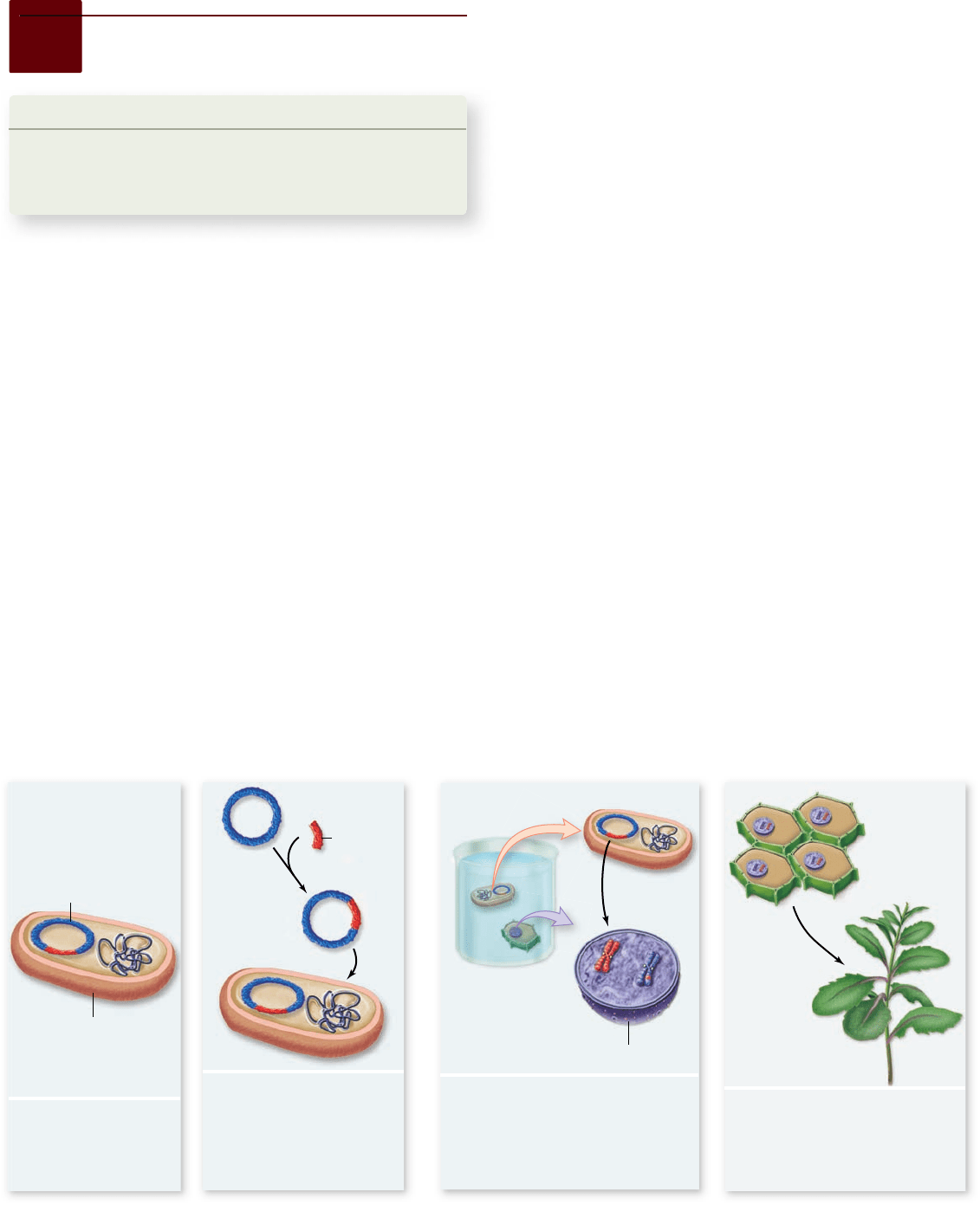
Gene of
interest
Agrobacterium
Plasmid
Plant nucleus
1. Plasmid is
removed and cut open
with restriction
endonuclease.
2. A gene of interest is
isolated from the DNA of
another organism and
inserted into the plasmid.
The plasmid is put back
into the Agrobacterium.
3. When used to infect plant cells,
Agrobacterium duplicates part of
the plasmid and transfers the
new gene into a chromosome of
the plant cell.
4. The plant cell divides, and each
daughter cell receives the new
gene. These cultured cells can
be used to grow a new plant with
the introduced gene.
Learning Outcomes
Compare recombinant technology techniques in plants 1.
with those in bacteria.
Describe the controversial issues in the use of GM plants.2.
Perhaps no area of genetic engineering touches all of us so di-
rectly as the applications that are being used in agriculture today.
Crops are being modified to resist disease, to be tolerant of herbi-
cides, and for changes in nutritional and other content in a variety
of ways. Plant systems are also being used to produce pharmaceu-
ticals by “biopharming,” and domesticated animals are being ge-
netically modified to produce biologically active compounds.
The Ti plasmid can transform
broadleaf plants
In plants, the primary experimental difficulty has been identify-
ing a suitable vector for introducing recombinant DNA. Plant
cells do not possess the many plasmids that bacteria have, so the
choice of potential vectors is limited.
The Ti plasmid
The most successful results thus far have been obtained with
the Ti (tumor-inducing) plasmid of the plant bacterium
Agrobacterium tumefaciens, which normally infects broadleaf
plants such as tomato, tobacco, and soybean. Part of the Ti
plasmid integrates into the plant DNA, and researchers have
succeeded in attaching other genes to this portion of the plas-
mid (figure 17.18). The characteristics of a number of plants
17.6
Agricultural Applications
Figure 17.18
The Ti plasmid.
This Agrobacterium tumefaciens plasmid is used in plant genetic engineering.
have been altered using this technique, which should be valu-
able in improving crops and forests.
Among the features scientists would like to affect are re-
sistance to disease, frost, and other forms of stress; nutritional
balance and protein content; and herbicide resistance. All of
these traits have either been modified or are being modified.
Unfortunately, Agrobacterium normally does not infect cereal
plants such as corn, rice, and wheat, but alternative methods
can be used to introduce new genes into them.
Other methods of gene insertion
For cereal plants that are not normally infected by Agrobac-
terium, other methods have been used. One popular method,
“the gene gun,” uses bombardment with tiny gold or tungsten
particles coated with DNA. This technique has the advantage
of being usable for any species, but it does not allow as precise
an engineering because the copy number of introduced genes is
much harder to control.
Recently, modifications of the Agrobacterium system have
allowed it to be used with cereal plants, so the gene gun technol-
ogy may not be used much in the future. A new bacterium has also
been manipulated to function like Agrobacterium, offering another
potential alternative method of engineering cereal crops.
It is clear that genetic modification of crop plants of all
sorts has become a mature technology, which should accelerate
the production of a variety of transgenic crops.
Herbicide-resistant crops allow
no-till planting
Recently, broadleaf plants have been genetically engineered to
be resistant to glyphosate, a powerful, biodegradable herbicide
that kills most actively growing plants (figure 17.19). Gly-
phosate works by inhibiting an enzyme called 5-enolpyruvyl-
shikimate-3-phosphate ( EPSP) synthetase, which plants require
to produce aromatic amino acids.
346
part
III
Genetic and Molecular Biology
rav32223_ch17_327-351.indd 346rav32223_ch17_327-351.indd 346 11/10/09 2:43:52 PM11/10/09 2:43:52 PM
Apago PDF Enhancer
Glyphosate
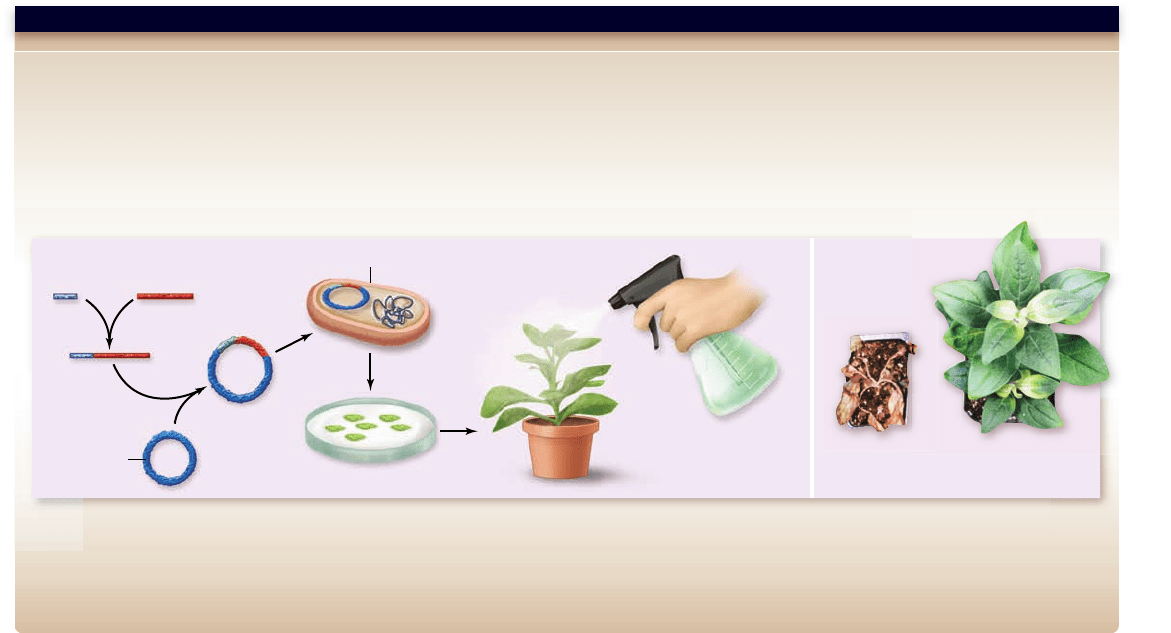
Hypothesis: Petunias can acquire tolerance to the herbicide glyphosate by overexpressing EPSP synthase.
Prediction: Transgenic petunia plants with a chimeric EPSP synthase gene with strong promoter will be glyphosate tolerant.
Test:
1. Use restriction enzymes and ligase to “paste” the cauliflower mosaic virus promoter (35S) to the EPSP synthase gene and insert the construct in Ti plasmids.
2. Transform Agrobacterium with the recombinant plasmid.
3. Infect petunia cells and regenerate plants. Regenerate uninfected plants as controls.
4. Challenge plants with glyphosate.
Result: Glyphosate kills control plants, but not transgenic plants.
Conclusion: Additional EPSP synthase provides glyphosate tolerance.
Further Experiments: The transgenic plants are tolerant, but not resistant (note bleaching at shoot tip). How could you determine if additional copies of the
gene would increase tolerance? Can you think of any downsides to expressing too much EPSP synthase in petunia?
SCIENTIFIC THINKING
Non-tolerant
petunia
35S
EPSP
synthase
Ti plasmid
Agrobacterium
Cultured petunia cells
Transformed,
regenerated
petunia plant
Tolerant
petunia
Humans do not make aromatic amino acids; we get them
from our diet, so we are unaffected by glyphosate. To make
glyphosate-resistant plants, scientists used a Ti plasmid to insert ex-
tra copies of the EPSP synthetase gene into plants. These engi-
neered plants produce 20 times the normal level of EPSP synthetase,
enabling them to synthesize proteins and grow despite glyphosate’s
suppression of the enzyme. In later experiments, a bacterial form of
the EPSP synthetase gene that differs from the plant form by a
single nucleotide was introduced into plants via Ti plasmids; the
bacterial enzyme is not inhibited by glyphosate (see figure 17.19).
These advances are of great interest to farmers because a
crop resistant to glyphosate would not have to be weeded—the
field could simply be treated with the herbicide. Because gly-
phosate is a broad-spectrum herbicide, farmers would no lon-
ger need to employ a variety of different herbicides, most of
which kill only a few kinds of weeds. Furthermore, glyphosate
breaks down readily in the environment, unlike many other
herbicides commonly used in agriculture. A plasmid is actively
being sought for the introduction of the EPSP synthetase gene
into cereal plants, making them also glyphosate-resistant.
At this point four important crop plants have been modi-
fied to be glyphosate-resistant: maize (corn), cotton, soybeans,
and canola. The use of glyphosate-resistant soy has been espe-
cially popular, accounting for 60% of the global area of GM
(genetically modified) crops grown in nine countries worldwide.
In the United States, 90% of soy currently grown is GM soy.
Global variation in the use of GM crops has occurred, with the
Americas, led by the United States, the largest adopter. The area
Figure 17.19
Genetically engineered herbicide resistance.
currently with the largest growth in the use of GM crops is Asia,
while Europe has been the slowest to move to their use.
Bt crops are resistant to some insect pests
Many commercially important plants are attacked by insects,
and the usual defense against such attacks has been to apply
insecticides. Over 40% of the chemical insecticides used today
are targeted against boll weevils, bollworms, and other insects
that eat cotton plants. Scientists have produced plants that are
resistant to insect pests, removing the need to use many exter-
nally applied insecticides.
The approach is to insert into crop plants genes encoding
proteins that are harmful to the insects that feed on the plants,
but harmless to other organisms. The most commonly used
protein is a toxin produced by the soil bacterium Bacillus thur-
ingiensis (Bt toxin). When insects ingest Bt toxin, endogenous
enzymes convert it into an insect-specific toxin, causing paraly-
sis and death. Because these enzymes are not found in other
animals, the protein is harmless to them.
The same four crops that have been modified for herbi-
cide resistance have also been modified for insect resistance
using the Bt toxin. The use of Bt maize is the second most com-
mon GM crop globally, representing 14% of global area of GM
crops in nine countries. The global distribution of these crops
is also similar to the herbicide-resistant relatives.
Given the popularity of both of these types of crop modi-
fications, it is not surprising that they have also been combined,
chapter
17
Biotechnology
347www.ravenbiology.com
rav32223_ch17_327-351.indd 347rav32223_ch17_327-351.indd 347 11/10/09 2:43:54 PM11/10/09 2:43:54 PM
Apago PDF Enhancer
Daffodil
phytoene
synthase
gene (psy)
psy crtI lcy
Phytoene
synthase
Carotene
desaturase
b-Cyclase
Genes introduced
into rice genome
Expression
in endosperm
GGPP Phytoene Lycopene b-Carotene
(Provitamin A)
Bacterial
carotene
desaturase
gene (crtI )
Daffodil
lycopene
b-cyclase
gene (lcy)
Rice
chromosome
so-called stacked GM crops, in both maize and cotton. Stacked
crops now represent 9% of global area of GM crops.
Golden Rice shows potential of GM crops
One of the successes of GM crops is the development of Golden
Rice. This rice has been genetically modified to produce
β-carotene (provitamin A). The World Health Organization
(WHO) estimates that vitamin A deficiency affects between 140
and 250 million preschool children worldwide. The deficiency
is especially severe in developing countries where the major
staple food is rice. Provitamin A in the diet can be converted by
enzymes in the body to vitamin A, alleviating the deficiency.
Golden Rice is named for its distinctive color imparted
by the presence of β-carotene in the endosperm (the outer
layer of rice that has been milled). Rice does not normally make
β-carotene in endosperm tissue, but does produce a precursor,
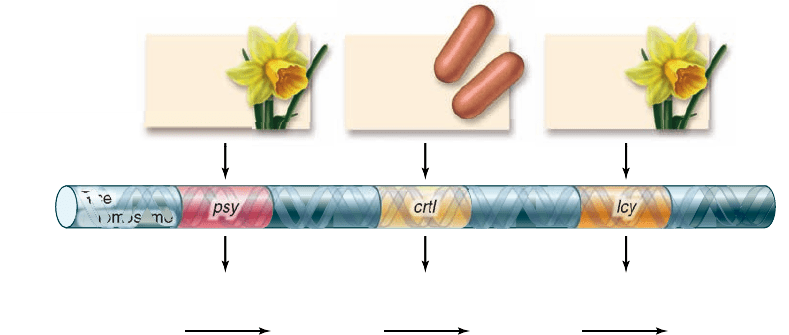
geranyl geranyl diphosphate, that can be converted by three
enzymes, phytoene synthase, phytoene desaturase, and lyco-
pene β-cyclase, to β-carotene. These three genes were engi-
neered to be expressed in endosperm and introduced into rice
to complete the biosynthetic pathway producing β-carotene in
endosperm (figure 17.20).
This is an interesting case of genetic engineering for two
reasons. First, it introduces a new biochemical pathway in tissue
of the transgenic plants. Second, it could not have been done by
conventional breeding as no rice cultivar known produces these
enzymes in endosperm. The original constructs used two genes
from daffodil and one from a bacterium (see figure 17.20). There
are many reasons to expect failure in the introduction of a bio-
chemical pathway without disrupting normal metabolism. That
the original form of Golden Rice makes significant amounts of
β-carotene in an otherwise healthy plant is impressive. A second-
generation version that makes much higher levels of β-carotene
has also been produced by using the gene for phytoene synthase
from maize in place of the original daffodil gene.
Golden Rice was originally constructed in a public
facility in Switzerland and made available for
free with no commercial entanglements. Since its inception,
Golden Rice has been improved both by public groups and by
industry scientists, and these improved versions are also being
made available without commercial strings attached.
GM crops raise a number of social issues
The adoption of GM crops has been resisted in some places for
a variety of reasons. Some people have wondered about the
safety of these crops for human consumption, the likelihood of
introduced genes moving into wild relatives, and the possible
loss of biodiversity associated with these crops.
Powerful forces have aligned on opposing sides in this de-
bate. On the side in favor of the use of GM crops are the multi-
national companies that are utilizing this technology to produce
seeds for the various GM crops. On the other side are a variety of
political organizations that are opposed to genetically modified
foods. Scientists can be found on both sides of the controversy.
The controversy originally centered on the safety of in-
troduced genes for human consumption. In the United States,
this issue has been “settled” for the crops already mentioned,
and a large amount of GM soy and maize is consumed in this
country. Although some opponents still raise the issue of long-
term use and allergic reactions, no negative effects have been
documented so far . Existing crops will be monitored for ad-
verse effects, and each new modification will require regulatory
approval for human consumption.
Another contention has been the fear that genes might
spread outside of the GM crops into wild relatives, a process called
introgression. But at this point there is no indication of that hap-
pening. One study showed no evidence for the movement of genes
from GM crops into native species in Mexico, despite earlier stud-
ies indicating significant movement of introduced genes.
This finding does not mean that such movement is im-
possible, but it does indicate that it seems not to have occurred
at present. It is clear that this area requires more study. This
issue will likely have to be considered on a case-by-case basis
because the number of wild relatives and the ease of
hybridization varies greatly among crop plants.
Pharmaceuticals can be produced
by “biopharming”
The medicinal use of plants goes back as far as
recorded history. In modern times, the
pharmaceutical industry began by isolat-
ing biologically active compounds from
plants. This approach began to change
when in 1897, the Bayer company introduced
acetyl salicylic acid, otherwise known as as-
pirin. This compound was a synthetic
version of the compound salicylic acid,
which was isolated from the bark of the
white willow. The production of pharmaceu-
ticals has since been dominated more by organic synthesis and
less by the isolation of plant products.
One exception to this trend is cancer chemotherapeutic
agents such as taxol, vinblastine, and vincristine, all of which
were isolated from plant sources. In an interesting closing of
Figure 17.20
Construction of Golden Rice.
Rice does not
normally express the enzymes needed to synthesize β-carotene in
endosperm. Three genes were added to the rice genome to allow
expression of the pathway for β-carotene in endosperm. The source
of the genes and the pathway for synthesis of β-carotene is shown.
The result is Golden Rice, which contains enriched levels of
β-carotene in endosperm.
348
part
III
Genetic and Molecular Biology
rav32223_ch17_327-351.indd 348rav32223_ch17_327-351.indd 348 11/10/09 2:43:55 PM11/10/09 2:43:55 PM
Apago PDF Enhancer
the historical loop, the industry is now looking at using trans-
genic plants for the production of useful compounds.
The first human protein to be produced in plants was hu-
man serum albumin, which was produced in 1990 by both ge-
netically engineered tobacco and potato plants. Since that time
more than 20 proteins have been produced in transgenic plants.
This first crop of transgenic pharmaceuticals are now in the
regulatory pipeline.
Recombinant subunit vaccines
One promising aspect of plant genetic engineering is the pro-
duction of recombinant subunit vaccines, which were discussed
earlier. One of these, being produced in genetically modified
potatoes, is a vaccine against Norwalk virus. Norwalk virus is
not a common source of illness, but it reached the public con-
sciousness when cruise ships were forced to cancel cruises due
to outbreaks of the virus among passengers. The vaccine is now
in clinical trials. A vaccine against rabies produced in transgenic
spinach is also in clinical trials.
One obvious advantage of using plants for vaccine pro-
duction is scalability. It has been estimated that 250 acres of
greenhouse space could produce enough transgenic potato
plants to supply Southeast Asia’s need for hepatitis B vaccine.
Recombinant antibodies
Molecular cloning and immunology can be combined to pro-
duce antibodies in transgenic plants that are normally made by
blood cells in vertebrates. The synthesis of monoclonal anti-
bodies in plant systems is a promising use of transgenic plants.
A number of potentially therapeutic antibodies are being
produced in plants, and some of these have reached clinical trial
stage. One interesting example is an antibody against the bacte-
rium responsible for dental caries, commonly known as tooth
decay. It would make a visit to the dentist more pleasant to have
a topical antibody applied instead of a drill.
Domesticated animals can also be
genetically modi ed
Humans have been breeding and selecting domestic animals
for thousands of years. With the advent of genetic engineering,
this process can be accelerated, and genes can be introduced
from other species.
The production of transgenic livestock is in an early stage,
and it is hard to predict where it will go. At this point, one of
the uses of biotechnology is not to construct transgenic ani-
mals, but to use DNA markers to identify animals and to map
genes that are involved in such traits as palatability in food ani-
mals, texture of hair or fur, and other features of animal prod-
ucts. Molecular techniques combined with the ability to clone
domestic animals (chapter 19 ) could produce improved animals
for economically desirable traits.
Transgenic animal technology has not been as successful as
initially predicted. Early on, pigs were engineered to overproduce
growth hormone in the hope that this would lead to increased and
faster growth. These animals proved to have only slightly in-
creased growth, and they had lower fat levels, which reduces fla-
vor, as well as showing other deleterious effects. The main use
thus far has been engineering animals to produce pharmaceuticals
in milk—another example of the biopharming concept.
One interesting idea for transgenics is the EnviroPig.
This animal has been engineered with the gene for phytase un-
der the control of a salivary gland-specific promoter. The en-
zyme phytase breaks down phosphorus in the feed and can
reduce phosphate excretion by up to 70%. Because phosphate
is a major problem in pig waste, reducing its excretion could be
a large environmental benefit.
As with GM crops, fears exist about the consumption of
meat from transgenic animals. At this point, these fears do not
seem to be based on sound science; nevertheless, every trans-
genic animal produced that is intended for consumption will
need to be considered on a case-by-case basis.
Learning Outcomes Review 17.6
Genes can be introduced into plants using the bacterial Ti plasmid and
techniques similar to those for bacteria. To date, herbicide resistance,
pathogen protection, nutritional enhancement, and vaccine and drug
production have been targets of agricultural genetic engineering.
Controversy regarding the use of GM plants has centered on the potential of
unforeseen eff ects on human health and on the environment.
■ How might a recombinant gene for Bt toxin production
“escape” from a crop plant and move into wild plants?
CALVIN AND HOBBES © 1995 Watterson. Dist. by Universal Press Syndicate. Reprinted with permission. All rights reserved.
chapter
17
Biotechnology
349www.ravenbiology.com
rav32223_ch17_327-351.indd 349rav32223_ch17_327-351.indd 349 11/11/09 4:17:40 PM11/11/09 4:17:40 PM

Apago PDF Enhancer
The polymerase chain reaction accelerates the process of analysis.
The polymerase chain reaction (PCR) ampli es a single small
DNA fragment using two short primers that ank the region to be
ampli ed. Cyclic replication is accomplished via heating and
cooling; a key factor is Taq polymerase, which is not denatured at
high temperature.
Protein interactions can be detected with the two-hybrid system.
The yeast two-hybrid system relies on fusion proteins and a reporter
gene to study protein–protein interactions ( gure 17.13).
17.4 Genetic Engineering
Expression vectors allow production of speci c gene products.
Expression vectors contain the promoters and enhancers necessary to
drive expression of the inserted DNA.
Genes can be introduced across species barriers.
Transgenic organisms can be constructed to express genes in a
different species or to create mutations in genes to assess phenotype.
Cloned genes can be used to construct “knockout” mice.
In knockout mice, a gene is inactivated by replacing the wild-type
version with a mutant copy ( gure 17.15). In this way, the function of
the gene can be analyzed and clari ed.
17.5 Medical Applications
Human proteins can be produced in bacteria.
Bacterial production of human proteins such as insulin has allowed
better results and has increased production to treat disease.
Recombinant DNA may simplify vaccine production.
Subunit vaccines produced in cultured cells have been shown to be
effective in animals.
DNA vaccines, which alter the cellular immune response, are also
promising. Both these approaches require further testing.
Gene therapy can treat genetic diseases directly.
Gene therapy involves inserting a normal gene to replace a defective
one. Unfortunately, trials of two promising therapies had unintended
and fatal consequences in 15% of patients.
17.6 Agricultural Applications
The Ti plasmid can transform broadleaf plants.
The tumor-inducing (Ti) plasmid from a plant bacterium is used
to transfer genes into broad-leaf plants. A number of applications are
currently in use.
Herbicide-resistant crops allow no-till planting.
Bt crops are resistant to some insect pests.
Golden Rice shows potential of GM crops.
GM crops raise a number of social issues.
Concerns about GM plants include unintended allergic reactions to
proteins inserted from a different organism and spread of foreign
genes into noncultivated plants in the environment.
Pharmaceuticals can be produced by “biopharming.”
Domesticated animals can also be genetically modi ed.
To date, results with transgenic animals have been mixed.
17.1 DNA Manipulation
Restriction enzymes cleave DNA at speci c sites.
DNA molecules fragmented by known type II restriction
endonucleases can be ordered into a physical map of DNA.
DNA ligase allows construction of recombinant molecules.
Just as in DNA replication, DNA ligase catalyzes formation of
a phosphodiester bond between nucleotides, forming a
recombinant molecule.
Gel electrophoresis separates DNA fragments.
An electric eld applied to a gel matrix causes DNA to migrate
through the matrix. Smaller fragments migrate farther than large
fragments ( gure 17.2).
Transformation allows introduction of foreign DNA into E. coli.
Arti cial transformation techniques introduce foreign DNA into
E. coli cells, which are then termed transgenic.
17.2 Molecular Cloning
Host–vector systems allow propagation of foreign DNA in bacteria.
Plasmids, and artificial chromosomes can be used as vectors. Foreign
DNA is inserted using restriction enzymes and DNA ligase; once the
vector is inside the host cell, it is replicated during the cell cycle.
DNA libraries contain the entire genome of an organism.
A DNA library is a complex mixture of DNAs collected into vectors.
These libraries may be probed for a sequence of interest.
Reverse transcriptase can make a DNA copy of RNA.
A library can also be created for the expressed parts of the genome by
isolating RNA and converting it to cDNA using the enzyme reverse
transcriptase ( gure 17.5).
Hybridization allows identi cation of speci c DNAs in
complex mixtures.
DNA can be reversibly denatured and renatured, resulting in single- and
then double-stranded DNA. Renaturation of complementary strands
from different sources is called hybridization. Known DNA can be
labeled to identify complementary strands.
Speci c clones can be isolated from a library.
Hybridization is the most common way to identify a gene of interest
in a library.
17.3 DNA Analysis
Restriction maps provide molecular “landmarks.”
The rst physical maps of DNA molecules were based on the sites
of restriction enzyme cleavage.
Southern blotting reveals DNA di erences.
In Southern blotting, a complex mixture is separated by
electrophoresis and transferred to lter paper. Speci c sequences of
DNA can then be identi ed by hybridization. Similar techniques can
identify mRNA (Northern blot) and proteins (Western blot).
Restriction fragment length polymorphisms (RFLPs) identi ed
by Southern blotting reveal individual differences in DNA. DNA
ngerprinting uses probes to locate polymorphic DNA fragments.
DNA sequencing provides information about genes and genomes.
DNA sequencing uses chain-terminating reagents to identify the
order of fragments and from this to infer the sequence of bases
( gures 17.11, 17.12).
Chapter Review
350
part
III
Genetic and Molecular Biology
rav32223_ch17_327-351.indd 350rav32223_ch17_327-351.indd 350 11/10/09 2:43:56 PM11/10/09 2:43:56 PM

Apago PDF Enhancer
G C A T
b. A vector that can be used to produce recombinant proteins
in yeast
c. A vector that is speci c to cereal plants like rice and corn
d. A vector that is speci c to embryonic stem cells
APPLY
1. How is the gene for β-galactosidase used in the construction
of a plasmid?
a. The gene is a promoter that is sensitive to the presence
of the sugar, galactose.
b. It is an origin of replication.
c. It is a cloning site.
d. It is a marker for insertion of DNA.
2. Which of the following statements is accurate for DNA
replication in your cells, but not PCR?
a. DNA primers are required.
b. DNA polymerase is stable at high temperatures.
c. Ligase is essential.
d. dNTPs are necessary.
3. What potential problems must be considered in creating a
transgenic bacterium with the human insulin gene to
produce insulin?
a. Introns in the human gene will not be processed after
transcription.
b. The bacterial cell will be unable to post-translationally
process the insulin peptide sequence.
c. There is no way to get the bacterium to transcribe high
levels of a human gene.
d. Both a and b present problems.
SYNTHESIZE
1. Many human proteins, such as hemoglobin, are only functional as
an assembly of multiple subunits. Assembly of these functional
units occurs within the endoplasmic reticulum and Golgi apparatus
of a eukaryotic cell. Discuss what limitations, if any exist to the
large-scale production of genetically engineered hemoglobin.
2. Enzymatic sequencing of a short strand of DNA was completed
using dideoxynucleotides. Use the gel shown to determine the
sequence of that DNA.
UNDERSTAND
1. A recombinant DNA molecule is one that is
a. produced through the process of crossing over that occurs
in meiosis.
b. constructed from DNA from different sources.
c. constructed from novel combinations of DNA
from the same source.
d. produced through mitotic cell division.
2. What is the basis of separation of different DNA fragments
by gel electrophoresis?
a. The negative charge on DNA
b. The size of the DNA fragments
c. The sequence of the fragments
d. The presence of a dye
3. The basic logic of enzymatic DNA sequencing is to produce
a. a nested set of DNA fragments produced
by restriction enzymes.
b. a nested set of DNA fragments that each begin
with different bases.
c. primers to allow PCR ampli cation of the region between
the primers.
d. a nested set of DNA fragments that end with known bases.
4. A DNA library is
a. an orderly array of all the genes within an organism.
b. a collection of vectors.
c. the collection of plasmids found within a single E. coli.
d. a collection of DNA fragments representing the entire
genome of an organism.
5. Molecular hybridization is used to
a. generate cDNA from mRNA.
b. introduce a vector into a bacterial cell.
c. screen a DNA library.
d. introduce mutations into genes.
6. How does the yeast two-hybrid system detect
protein–protein interactions?
a. Binding of fusion partners triggers a signal cascade that
alters gene expression.
b. Fusion partners are detected using radioactive probes
of Western blots.
c. Protein–protein binding of fusion partners triggers
expression of a reporter gene.
d. Protein–protein binding of fusion partners triggers
expression of the Gal4 gene.
7. In vitro mutagenesis is used to
a. produce large quantities of mutant proteins.
b. create mutations at speci c sites within a gene.
c. create random mutations within multiple genes.
d. create organisms that carry foreign genes.
8. Insertion of a gene for a surface protein from a medically
important virus such as herpes into a harmless virus
is an example of
a. a DNA vaccine. c. gene therapy.
b. reverse genetics. d. a subunit vaccine.
9. What is a Ti plasmid?
a. A vector that can transfer recombinant genes into
plant genomes
Review Questions
chapter
17
Biotechnology
351www.ravenbiology.com
rav32223_ch17_327-351.indd 351rav32223_ch17_327-351.indd 351 11/10/09 2:43:57 PM11/10/09 2:43:57 PM