
Raven P.H., Johnson G.B., Mason K.A. Biology (Ninth Edition)
Подождите немного. Документ загружается.

Apago PDF Enhancer
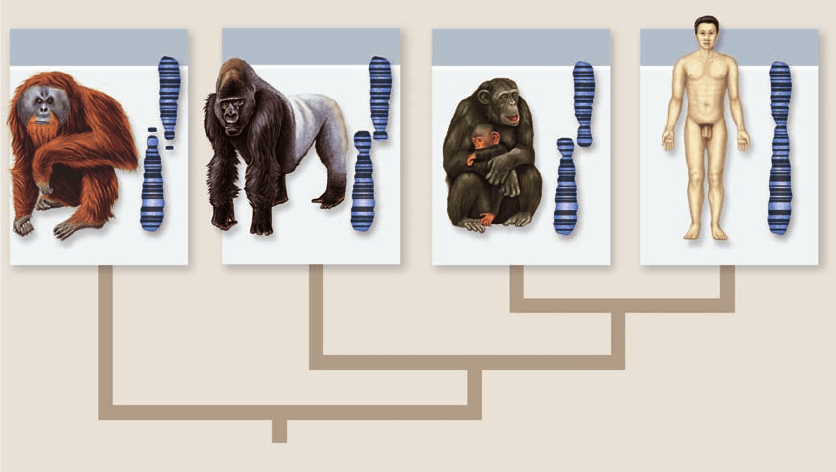
Orangutan Gorilla Chimpanzee Hominid
Apes
24 chromosomes 24 chromosomes 24 chromosomes 23 chromosomes
Genomes may become rearranged
Humans have one fewer chromosome than chimpanzees, go-
rillas, and orangutans (figure 24.9). It’s not that we have lost a
chromosome. Rather, at some point in time, two midsized ape
chromosomes fused to make what is now human chromosome
2, the second largest chromosome in our genome.
The fusion leading to human chromosome 2 is an exam-
ple of the sort of genome reorganization that has occurred in
many species. Rearrangements like this can provide evolution-
ary clues, but they are not always definitive proof of how closely
related two species are.
Consider the organization of known orthologues shared
by humans, chickens, and mice. One study estimated that 72
chromosome rearrangements had occurred since the chicken
and human last shared a common ancestor. This number is sub-
stantially less than the estimated 128 rearrangements between
chicken and mouse, or 171 between mouse and human.
This does not mean that chickens and humans are more
closely related than mice and humans or mice and chickens.
What these data actually show is that chromosome rearrange-
ments have occurred at a much lower frequency in the lineages
that led to humans and to chickens than in the lineages lead-
ing to mice. Chromosomal rearrangements in mouse ancestors
seem to have occurred at twice the rate seen in the human line.
These different rates of change help counter the notion that
humans existed hundreds of millions of years ago.
Genomes that have undergone relatively slow chromosome
change are the most helpful in reconstructing the hypothetical
genomes of ancestral vertebrates. If regions of chromosomes
have changed little in distantly related vertebrates over the last
300 million years, then we can reasonably infer that the common
ancestor of these vertebrates had genomic similarities.
Variation in the organization of genomes is as intriguing as
gene sequence differences. Chromosome rearrangements are com-
mon, yet over long segments of chromosomes, the linear order of
mouse and human genes is the same—the common ancestral se-
quence has been preserved in both species. This conservation of
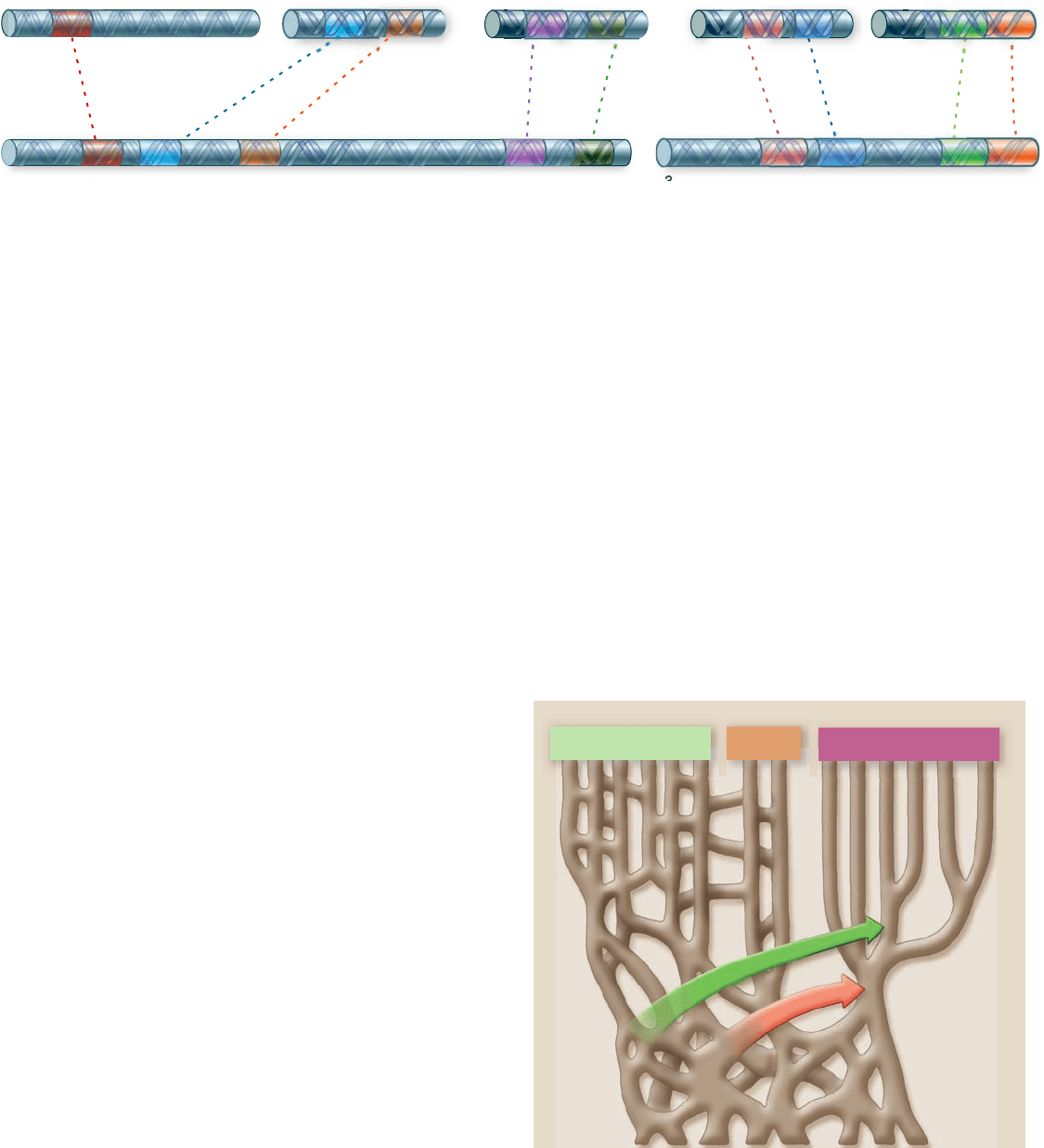
synteny (see chapter 18) was anticipated from earlier gene-mapping
studies, and it provides strong evidence that evolution actively shapes
the organization of the eukaryotic genome. As seen in figure 24.10 ,
the conservation of synteny allows researchers to more readily lo-
cate a gene in a different species using information about synteny,
thus underscoring the power of a comparative genomic approach.
Gene inactivation results in pseudogenes
The loss of gene function is another important way genomes
evolve. Consider the olfactory receptor (OR) genes that are re-
sponsible for our sense of smell. These genes code for receptors
that bind odorants, initiating a cascade of signaling events that
eventually lead to our perception of scents.
Gene inactivation seems to be the best explanation for
our reduced sense of smell relative to that of the great apes and
other mammals. Mice have about 1500 OR genes, the largest
mammalian gene family. Mice have about 50% more OR genes
than humans. Only 20% of the mouse OR genes are pseudo-
genes, in contrast to about 60% in humans, which are inac-
tive pseudogenes (sequences of DNA that are very similar to
functional genes but that do not produce a functional product
because they have premature stop codons, missense mutations,
or deletions that prevent the production of an active protein).
In contrast, half the chimpanzee and gorilla OR genes function
effectively, and over 95% of New World monkey OR genes and
probably all mouse OR genes are working quite well. The most
likely explanation for these differences is that humans came to
rely on other senses, reducing the selection pressure against
loss of OR gene function by random mutation.
An older question about the possibility of positive selec-
tion for OR genes in chimps was resolved with the completion
of the chimp genome. A careful analysis indicated that both
humans and chimps are gradually losing OR genes to pseudo-
genes and that there is no evidence to support positive selection
for any of the OR genes in the chimp.
Figure 24.9
Living
great apes. All living great
apes, with the exception
of humans, have a haploid
chromosome number of 24.
Humans have not lost a
chromosome; rather, two
smaller chromosomes fused to
make a single chromosome.
482
part
IV
Evolution
rav32223_ch24_474-491.indd 482rav32223_ch24_474-491.indd 482 11/12/09 2:49:47 PM11/12/09 2:49:47 PM
Apago PDF Enhancer
Soybean
M. truncatula
d2
K
c2 b2
c1
2
3
C
h
l
o
r
o
p
l
a
s
t
s
M
i
t
o
c
h
o
n
d
r
i
a
Bacteria Archaea Eukarya
chapter
24
Genome Evolution
483
Rearranged DNA can acquire new functions
Errors in meiosis that rearrange parts of genes most often create
pseudogenes, but occasionally a broken piece of a gene can end up in
a new spot in the genome where it acquires a new function. One of
the most intriguing examples occurred within a family of fish in the
suborder Notothenioidae found in the Antarctic ocean. These fish
are called icefish because they survive the frigid temperatures in the
Antarctic, in part because of a protein in their blood that works like
antifreeze. Reconstructing evolutionary history using comparative
genomics reveals that 9 bp of a gene coding for a digestive enzyme
evolved to encode part of an antifreeze protein. The series of errors
that gave rise to the new protein persisted only because the change
coincided with a massive cooling of the Antarctic waters. Natural
selection acted on this mutation over millions of years.
Horizontal gene transfer complicates matters
Evolutionary biologists build phylogenies on the assumption
that genes are passed from generation to generation, a pro-
cess called vertical gene transfer (VGT). Hitchhiking genes
from other species, a process referred to as horizontal gene
transfer (HGT) and sometimes called lateral gene transfer, can
lead to phylogenetic complexity. HGT was likely most prev-
00000000000000000000000012147alent very early in the his-
tory of life, when the boundaries between individual cells and
species seem to have been less firm than they are now and DNA
more readily moved among different organisms. Although ear-
lier in the history of life, gene swapping between species was
rampant, HGT continues today in prokaryotes and eukaryotes.
An intriguing example of more recent HGT between moss and
a flowering plant is described in chapter 26.
Gene swapping in early lineages
The extensive gene swapping among early organisms has caused
many researchers to reexamine the base of the tree of life. Early
phylogenies based on ribosomal RNA (rRNA) sequences indi-
cate that an early prokaryote gave rise to two major domains:
the Bacteria and the Archaea. From one of these lineages, the
domain Eukarya emerged; its organelles originated as unicel-
lular organisms engulfed specialized prokaryotes .
This rRNA phylogeny is being revised as more microbial
genomes are sequenced. By 2009, the Microbial Genome Pro-
gram of the U.S. Department of Energy had sequenced 485
microbial genomes and 30 microbial communities. With new
sequencing technology, microbial genomes can be sequenced
in less than a day. Phylogenies built with rRNA sequences sug-
gest that the domain Archaea is more closely related to the
Eukarya than to the Bacteria. But as more microbial genomes
are sequenced, investigators find bacterial and archaeal genes
showing up in the same organism! The most likely conclu-
sion is that organisms swapped genes, even absorbing DNA
obtained from a food source. Perhaps the base of the tree of
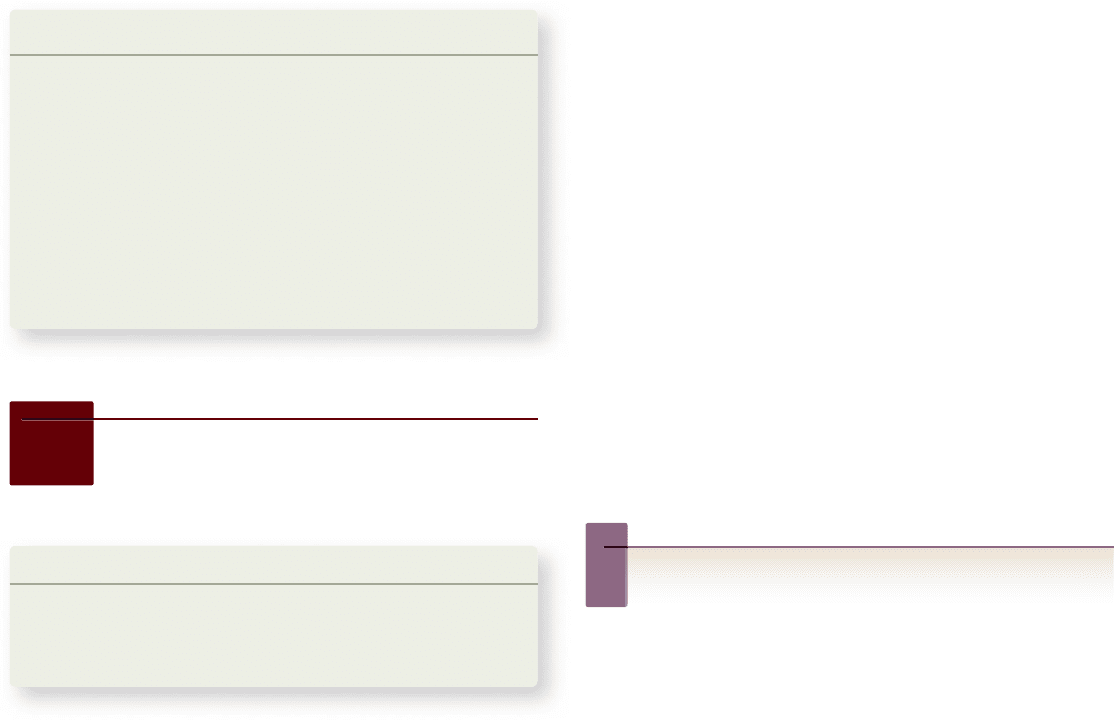
life is better viewed as a web than a branch (figure 24.11).
Figure 24.10
Synteny and gene identi cation. Genes sequenced in the model legume, Medicago truncatula, can be used to identify
homologous genes in soybean, Glycine max, because large regions of the genomes are syntenic as illustrated for some of the linkage groups
(chromosomes) of the two species. Regions of the same color represent homologous genes.
Figure 24.11
Horizontal gene transfer. Early in the
history of life, organisms may have freely exchanged genes beyond
multiple endosymbiotic events. To a lesser extent, this transfer
continues today. The tree of life may be more like a web or a net.
www.ravenbiology.com
rav32223_ch24_474-491.indd 483rav32223_ch24_474-491.indd 483 11/12/09 2:49:48 PM11/12/09 2:49:48 PM
Apago PDF Enhancer
Gene swapping evidence in the human genome
Let’s move closer to home and look at the human genome,
which is riddled with foreign DNA, often in the form of trans-
posons. The many transposons of the human genome provide a
paleontological record over several hundred million years.
Comparisons of versions of a transposon that has duplicated
many times allow researchers to construct a “family tree” to iden-
tify the ancestral form of the transposon. The percent of sequence
divergence found in duplicates allows an estimate of the time at
which that particular transposon originally invaded the human ge-
nome. In humans, most of the DNA hitchhiking seems to have
occurred millions of years ago in very distant ancestor genomes.
Our genome carries many more ancient transposons than
genomes of Drosophila, C. elegans, and Arabidopsis. One explana-
tion for the observed low level of transposons in Drosophila is
that fruit flies somehow eliminate unnecessary DNA from their
genome 75 times faster than humans do. Our genome has sim-
ply hung on to hitchhiking DNA more often.
The human genome has had minimal transposon activity
in the past 50 million years; mice, by contrast, are continuing
to acquire new transposable elements. This difference may ex-
plain in part the more rapid change in chromosome organiza-
tion in mice than in humans.
Learning Outcomes Review 24.3
In segmental duplication, part of a chromosome and the genes it
contains are duplicated. In genome rearrangement, segments of
chromosomes may change places or chromosomes may fuse with
one another. Pseudogenes have become inactivated in the course
of evolution but still persist in the genome. All these changes have
evolutionary consequences. Horizontal gene transfer has led to
an unexpected mixing of genes among organisms, creating many
phylogenetic questions.
How would you determine whether a gene was a ■
pseudogene or an example of horizontal gene transfer?
The best explanation for why a mouse develops into a mouse
and not a human is that the same or similar genes are expressed
at different times, in different tissues, and in different amounts
and combinations. For example, the cystic fibrosis gene (cystic
fibrosis transmembrane conductance regulator, CFTR ), which has
been identified in both species and affects a chloride ion channel,
illustrates this point. Defects in the human CFTR gene cause es-
pecially devastating effects in the lungs, but mice with the mutant
CFTR gene do not have lung symptoms. Possibly variations in
expression of CFTR between mouse and human explain the dif-
ference in lung symptoms when CFTR is defective.
Chimp and human gene
transcription patterns di er
Humans and chimps diverged from a common ancestor only
about 4.1 mya—too little time for much genetic differentiation to
evolve, but enough for significant morphological and behavioral
differences to have developed. Sequence comparisons indicate
that chimp DNA is 98.7% identical to human DNA. If just the
gene sequences encoding proteins are considered, the similarity
increases to 99.2%. How could two species differ so much in body
and behavior, and yet have almost equivalent sets of genes?
One potential answer to this question is based on the
observation that chimp and human genomes show very dif-
ferent patterns of gene transcription activity, at least in brain
cells. Investigators used microarrays containing up to 18,000
human genes to analyze RNA isolated from cells in the fluid
extracted from several regions of living brains of chimps and
humans. (See figure 18.10 for a summary of this technique.)
The RNA was linked with a fluorescent tag and then incubated
with the microarray under conditions that allow the formation
of DNA–RNA hybrids if the sequences are complementary. If
the transcript of a particular gene is present in the cells, then
the microarray spot corresponding to that gene lights up un-
der UV light. The more copies of the RNA, the more intense
the signal.
Because the chimp genome is so similar to that of hu-
mans, the microarray detects the activity of chimp genes
reasonably well. Although the same genes were transcribed
in chimp and human brain cells, the patterns and levels of
transcription varied. Much of the difference between hu-
man and chimp brains lies in which genes are transcribed,
and when and where that transcription occurs.
Inquiry question
?
You are given a microarray of ape genes and RNA from both
human and ape brain cells. Using the experimental technique
described for comparison of humans and chimps, what would
you expect to find in terms of genes being transcribed? What
about levels of transcription?
Posttranscriptional differences may also play a role in
building distinct organisms from similar genomes. As re-
search continues to push the frontiers of proteomics and
functional genomics, a more detailed picture of the subtle
differences in the developmental and physiological processes
of closely related species will be revealed. The integration of
24.4
Gene Function
and Expression Patterns
Learning Outcomes
Explain how species with nearly identical genes can look 1.
very different.
Describe the action of the 2. FOXP2 gene across species.
Gene function can be inferred by comparing genes in differ-
ent species. You saw earlier that the function of 1000 human
genes was understood once the mouse genome was sequenced.
One of the major puzzles arising from comparative genomics
is that organisms with very different forms can share so many
conserved genes in their genomic toolkit.
484
part
IV
Evolution
rav32223_ch24_474-491.indd 484rav32223_ch24_474-491.indd 484 11/12/09 2:49:49 PM11/12/09 2:49:49 PM
Apago PDF Enhancer
Human
Nonsynonymous changes
Synonymous changes
2/0
0/5
0/2 0/2
0/7
1/2
0/5
1/131
0/2
Chimp
Gorilla
Orangutan
Mouse
Rhesus
monkey
Mouse
Chimp
Human
2/0
2/0
0/2
0/2
Gorilla
1/2
Orangutan
chapter
24
Genome Evolution
485
development and genome evolution is explored in depth in
the following chapter.
Speech is uniquely human: An example
of complex expression
Development of human culture is closely tied to the capacity
to control the larynx and mouth to produce speech. Humans
with a single point mutation in the transcription factor gene
FOXP2 have impaired speech and grammar but not impaired
language comprehension.
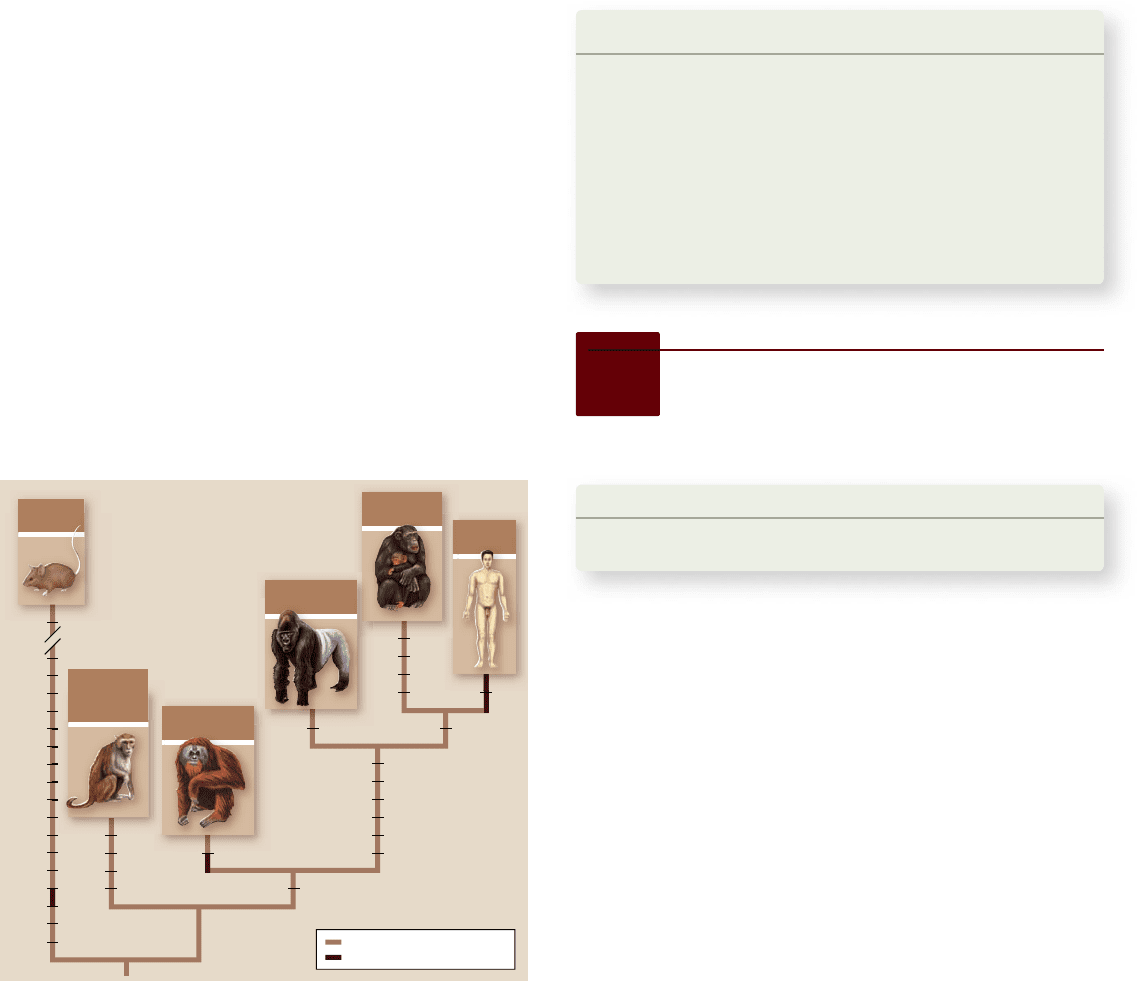
The FOXP2 gene is also found in chimpanzees, gorillas,
orangutans, rhesus macaques, and even the mouse, yet none
of these mammals speak (figure 24.12). The gene is expressed
in areas of the brain that affect motor function, including the
complex coordination needed to create words.
FOXP2 protein in mice and humans differs by only three
amino acids. There is only a single amino acid difference between
mouse and chimp, gorilla, and rhesus macaque, which all have
identical amino acid sequences for FOXP2. Two more amino acid
differences exist between humans and the sequence shared by
chimp, gorilla, and macaques. The difference of only two amino
acids between human and other primate FOXP2 appears to have
made it possible for language to arise. Evidence points to strong
selective pressure for the two FOXP2 mutations that allow brain,
larynx, and mouth to coordinate to produce speech.
Is it possible that two amino acid changes lead to speech,
language, and ultimately human culture? This box of myster-
ies will take a long time to unpack, but hints indicate that the
changes are linked to signaling and gene expression. The two
Figure 24.12
Evolution of FOXP2. Comparisons of
synonymous and nonsynomous changes in mouse and primate
FOXP2 genes indicate that changing two amino acids in the
gene corresponds to the emergence of human language. Black
bars represent synonymous changes and gray bars represent
nonsynonymous changes.
altered amino acids may change the ability of FOXP2 tran-
scription factor to be phosphorylated. One way signaling path-
ways operate is through activation or inactivation of an existing
transcription factor by phosphorylation.
Comparative genomics efforts are now extending beyond
primates. A role for FOXP2 in songbird singing and vocal learn-
ing has been proposed. Mice communicate via squeaks, with
lost young mice emitting high-pitched squeaks. FOXP2 muta-
tions leave mice squeakless. For both mice and songbirds, it is a
stretch to claim that FOXP2 is a language gene—but it likely is
needed in the neuromuscular pathway to make sounds.
Learning Outcomes Review 24.4
To understand functional diff erences between genes shared by species,
one must look beyond sequence similarity. Alterations in the time and
place of gene expression can lead to marked diff erences in phenotype. As
an example, the FOXP2 factor appears to be involved in sound production
in mice, chimps, gorillas, macaques, and humans, and only very small
diff erences may have led to human speech.
How can a single-nucleotide difference in a gene lead to a ■
noticeably different phenotype? Give examples.
24.5
Nonprotein-Coding DNA
and Regulatory Function
Learning Outcome
Describe the role of nonprotein-coding DNA.1.
So far, we have primarily compared genes that code for pro-
teins. As more genomes are sequenced, we learn that much
of the genome is composed of nonprotein-coding DNA
(ncDNA). The repetitive DNA is often retrotransposon DNA,
contributing to as much as 30% of animal genomes and 40 to
80% of plant genomes. (Refer to chapter 18 for more informa-
tion on repetitive DNA in genomes.)
Perhaps the most unexpected finding in comparing the
mouse and human genomes lies in the similarities between
the repetitive DNA, mostly retrotransposons, in the two
species. This DNA does not code for proteins. Retrotrans-
poson DNA in both species shows that it has independently
ended up in comparable regions of the genome.
At first glance it appeared that all this extra DNA was
“junk” DNA, DNA just along for the ride. But it is begin-
ning to look like this ncDNA may have more of a function
than was previously assumed. If the DNA had no function,
differences should begin to accumulate in mouse and hu-
man as mutations occur and occasionally become fixed due
to genetic drift. The fact that the “junk” regions are so con-
served in mouse and human indicates that, in fact, muta-
tions are being selected out to maintain some function, thus
keeping them similar. Hence, these regions of DNA must
www.ravenbiology.com
rav32223_ch24_474-491.indd 485rav32223_ch24_474-491.indd 485 11/12/09 2:49:49 PM11/12/09 2:49:49 PM

Apago PDF Enhancer
2 4 . 6
Genome Size
and Gene Number
Learning Outcome
Explain why genome size and gene number do not 1.
correlate.
Genome size was a major factor in selecting which genomes
would be sequenced first. Practical considerations led to the
choice of organisms with relatively small genomes. Consider-
ing genome size, the original gene count for the human ge-
nome was estimated at 100,000 genes.
As sequence data were analyzed, the predicted number
of genes started to decrease. A very different picture emerged.
Our genome has only 25% of the 100,000 anticipated genes,
approximately the same number of genes as the tiny Arabidopsis
plant. Humans have nine times the amount of DNA found in
the 3.65 × 10
8
bp -pufferfish genome, but about the same num-
ber of genes. Keep in mind that the number of genes may not
correspond to the number of proteins. For example, alternative
splicing (see chapter 16) can produce multiple, distinct tran-
scripts from a single gene.
Noncoding DNA in ates genome size
Why do humans have so much extra DNA? Much of it appears
to be in the form of introns, noncoding segments within a gene’s
sequence, that are substantially bigger than those in pufferfish.
The Fugu genome has only a handful of “giant” genes contain-
ing long introns; studying them should provide insight into the
evolutionary forces that have driven the change in genome size
during vertebrate evolution.
As described earlier, large expanses of retrotransposon
DNA contribute to the differences in genome size from one spe-
cies to another. Although part of the genome, ncDNA does not
contain genes in the usual sense. As another example, Drosophila
exhibits less ncDNA than Anopheles, although the evolutionary
force driving this reduction in noncoding regions is unclear. The
number of genes are not correlated with genome size.
Plants have widely varying genome size
Plants have an even greater range of genome sizes. As much as
a 200-fold difference has been found, yet all these plants weigh
in with about 30,000 to 59,000 genes. Tulips for example, have
170 times more DNA than Arabidopsis.
Both rice and Arabidopsis have higher copy numbers for
gene families (multiple slightly divergent copies of a gene) than
are seen in animals or fungi, suggesting that these plants have
undergone numerous episodes of polyploidy, segmental dupli-
cation, or both during the 150 to 200 million years since rice
and Arabidopsis diverged from a common ancestor.
Whole-genome duplication is insufficient to explain the
size of some genomes. Wheat and rice are very closely related
and have similar gene content, and yet the wheat genome is
40 times larger than the rice genome. This difference cannot be
explained solely by the fact that bread wheat is a hexaploid (6n)
and rice is a diploid (2n).
Now that the rice genome is fully sequenced, attention has
shifted to sequencing the other cereal grains, especially maize
and wheat, both of which apparently contain lots of repetitive
DNA, which has increased their DNA content, but not neces-
sarily their gene content. Comparisons between the rice, maize,
and wheat genomes should provide clues about the genome of
their common ancestor and the dynamic evolutionary balance
between opposing forces that increase genome size (polyploidy,
transposable element proliferation, and gene duplication) and
those that decrease genome size (mutational loss).
Learning Outcome Review 24.6
Increases or decreases in genome size do not correlate with the number
of genes. Evidently DNA content is not the same as gene content.
Polyploidy in plants does not by itself explain diff erences in genome size.
Often a greater amount of DNA is explained by the presence of introns
and nonprotein-coding sequences than by gene duplicates.
How might a genome with a small number of genes and ■
a small number of total base pairs evolve into a genome
with the same small number of genes and a thousand-fold
larger genome?
have some function. The point is that the differences in the
“junk” DNA between mouse and human are too small to
have resulted from genetic drift.
The possibility that this DNA is rich in regulatory RNA
sequences is being actively investigated. RNAs that are not
translated can play several roles, including silencing other genes.
Small RNAs can form double-stranded RNA with complemen-
tary mRNA sequences, blocking translation. They can also par-
ticipate in the targeted degradation of RNAs. For details on
other possible functions of ncDNA, refer to chapter 16 .
In one study, researchers collected almost all of the RNA
transcripts made by mouse cells taken from every tissue. Al-
though most of the transcripts coded for mouse proteins, as
many as 4280 could not be matched to any known mouse pro-
tein. This finding suggests that a large part of the transcribed
genome consists of genes that do not code for proteins—that
is, transcripts that function as RNA. Perhaps this function can
explain why a single retrotransposon can cause heritable differ-
ences in coat color in mice.
Learning Outcome Review 24.5
DNA that does not code for protein may regulate gene expression, often
through its RNA transcript. Nonprotein-coding sequences can be found in
retrotransposon-rich regions of the genome.
How would you determine whether RNA produced by a ■
nonprotein-coding gene has a regulatory function?
486
part
IV
Evolution
rav32223_ch24_474-491.indd 486rav32223_ch24_474-491.indd 486 11/12/09 2:49:51 PM11/12/09 2:49:51 PM

Apago PDF Enhancer
chapter
24
Genome Evolution
487
genomes is the potential to capitalize on the extensive re-
search on rat physiology, especially heart disease, and the
long history of genetics in mice. Linking genes to disease
has become much easier.
Humans have been found to contain segmental dupli-
cations that are absent in the chimp. Some of these duplica-
tions correspond to human disease. These differences can
aid medical researchers in developing treatments for genetic
disease. For example, some of the regions duplicated only in
humans correspond with regions of the human genome that
have been implicated in Prader-Willi syndrome and spinal
muscular atrophy. Children with Prader-Willi lack muscle
tone and struggle with life-threatening obesity because of
an insatiable appetite. Spinal muscular atrophy affects all
muscles in the body, but especially those nearest the trunk.
Affected individuals can have difficulty swallowing and
breathing, as well as experiencing weakness in the legs, but
ethical issues surrounding chimpanzee research and protec-
tion should be of paramount importance.
Pathogen–host genome di erences
reveal drug targets
With genome sequences in hand, pharmaceutical researchers
are more likely to find suitable drug targets to eliminate patho-
gens without harming the host. Diseases in many developing
countries—including malaria and Chagas disease—have both
human and insect hosts. Both these infections are caused by
protists (see chapter 29). The value of comparative genomics in
drug discovery is illustrated for both malaria and Chagas dis-
ease in the following sections.
Malaria
Anopheles gambiae, the malaria-carrying mosquito, along
with Plasmodium falciparum, the protistan parasite it trans-
mits, together have an enormous effect on human health,
resulting in 1.7 to 2.5 million deaths each year from ma-
laria. The genomes of both Anopheles and Plasmodium were
sequenced in 2002.
Plasmodium falciparum, which causes malaria, has a
relatively small genome of 2.46 × 10
7
bp that proved very
difficult to sequence. It has an unusually high proportion
of adenine and thymine, making it hard to distinguish one
portion of the genome from the next. The project took
five years to complete. P. falciparum appears to have about
5300 genes, with those of related function clustered to-
gether, suggesting that they might share the same regula-
tory DNA.
P. falciparum is a particularly crafty organism that hides
from our immune system inside red blood cells, regularly
changing the proteins it presents on the surface of the red
blood cell. This “cloaking” has made developing a vaccine or
other treatment for malaria particularly difficult.
Recently, a link to chloroplast-like structures in P. fal-
ciparum has raised other possibilities for treatment. An odd
subcellular component called the apicoplast, found only in
Plasmodium and its relatives, appears to be derived from a
24.7
Genome Analysis
and Disease Prevention
and Treatment
Learning Outcomes
Describe how comparative genomics can reveal the genetic 1.
basis for disease.
Explain how genome comparisons between a pathogen 2.
and its host can aid drug development.
Comparisons among individual human genomes continue to
provide information on genetic disease detection and the best
course of treatment. An even broader array of possibilities arises
when comparisons are made among species. There are advan-
tages to comparing both closely and distantly related pairs of
species, as well as comparing the genomes of a pathogen and its
host. Examples of the benefits of each type of genome compari-
son follow.
Distantly related genomes o er clues
for causes of disease
Sequences that are conserved between humans and puffer-
fish provide valuable clues for understanding the genetic
basis of many human diseases. Amino acids critical to pro-
tein function tend to be preserved over the course of evolu-
tion, and changes at such sites within genes are more likely
to cause disease.
It is difficult to distinguish functionally conserved sites
when comparing human proteins with those of other mammals
because not enough time has elapsed for sufficient changes to
accumulate at nonconserved sites. A promising exception is the
duck-billed platypus (Ornithorhynchus anatinus ), which diverged
from other mammals about 166 mya and whose genome pro-
vides clues to the evolution of the immune system. Because the
pufferfish genome is only distantly related to humans, con-
served sequences are far more easily distinguished than even in
the platypus.
Closely related organisms enhance
medical research
It is much easier to design experiments to identify gene func-
tion in an experimental system like the mouse than it is in hu-
mans. Comparing mouse and human genomes quickly revealed
the function of 1000 previously unidentified human genes. The
effects of these genes can be studied in mice, and the results can
be used in potential treatments for human diseases.
A draft of the rat genome has been completed, and
even more exciting news about the evolution of mammalian
genomes may emerge from comparisons of these species.
One of the most exciting aspects of comparing rat and mice
www.ravenbiology.com
rav32223_ch24_474-491.indd 487rav32223_ch24_474-491.indd 487 11/12/09 2:49:52 PM11/12/09 2:49:52 PM
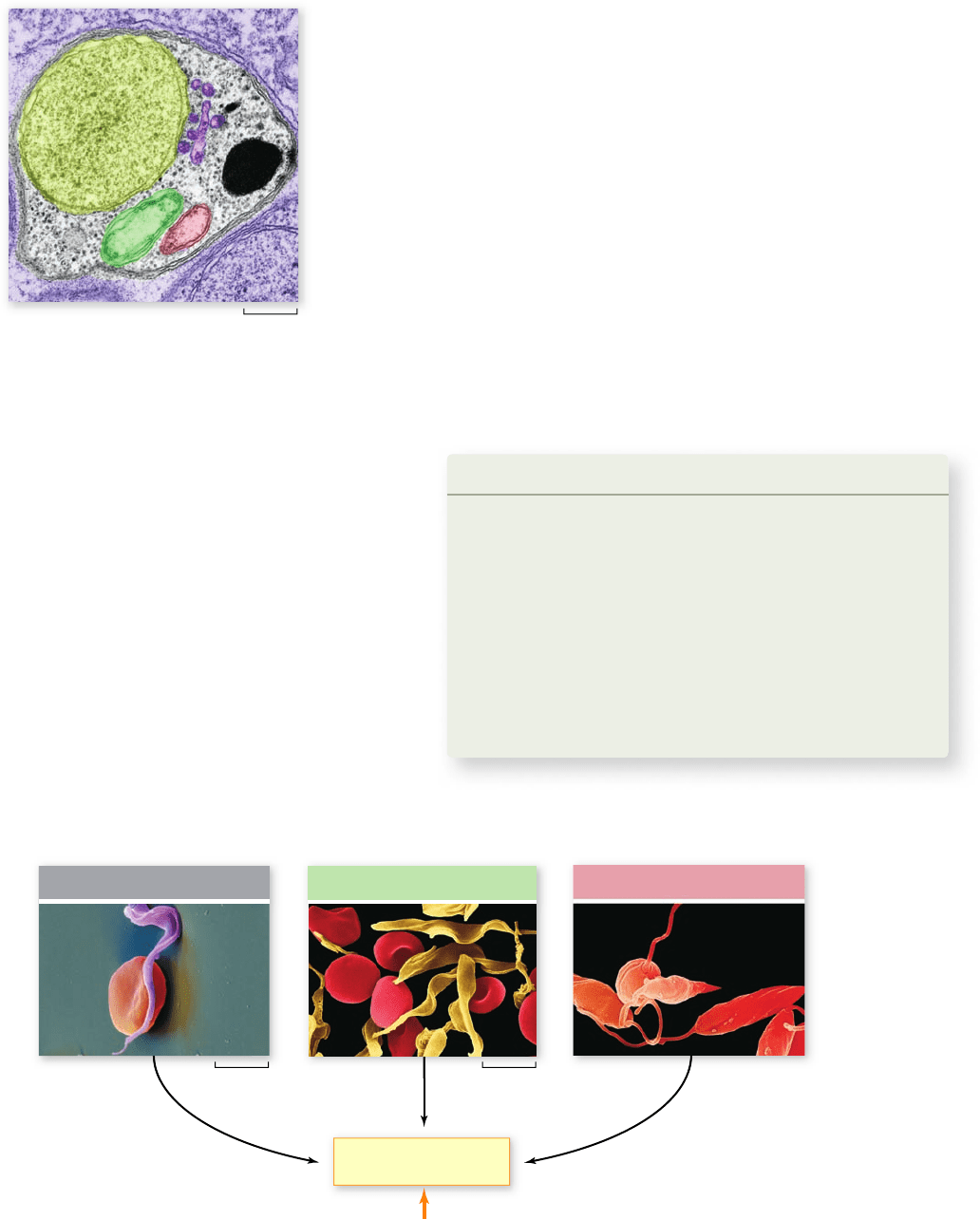
Apago PDF Enhancer
Chagas disease
African sleeping sickness
6200 shared core genes
Leishmania infection
Target for drug development
2.2 µm 2.7 µm
2 µm
chloroplast appropriated from algae engulfed by the parasite’s
ancestor (figure 24.13) .
Analysis of the Plasmodium genome reveals that about
12% of all the parasite’s proteins, encoded by the nuclear
genome, head for the apicoplast. These proteins act there
to produce fatty acids. The apicoplast is the only location in
which the parasite makes the fatty acids, suggesting that drugs
targeted at this biochemical pathway might be very effective
against malaria.
Another disease-prevention possibility is to look at
chloroplast-specific herbicides, which might kill Plasmodium by
targeting the chloroplast-derived apicoplast.
Chagas disease
Trypanosoma cruzi, an insect-borne protozoan, kills about 21,000
people in Central and South America each year. As many as
18 million suffer from this infection, called Chagas disease, the
symptoms of which include damage to the heart and other in-
ternal organs. Genome sequencing of T. cruzi was completed
in 2005.
A surprising and hopeful finding is that a common core of
6200 genes is shared among T. cruzi and two other insect-borne
pathogens: T. brucei and Leishmania major. T. brucei causes Af-
rican sleeping sickness, and L. major infections result in lesions
of the skin of the limbs and face. These core genes are being
considered as possible targets for drug treatments.
Currently, no effective vaccines and only a few drugs
with limited effectiveness are available to treat any of these
diseases. The genomic similarities may aid not only in tar-
geting drug development, but perhaps also result in a treat-
ment or vaccine that is effective against all three devastating
illnesses (figure 24.14) .
Learning Outcomes Review 24.7
DNA sequences conserved over evolutionary time tend to be those
critical for protein function and survival. Variations in these conserved
sequences may provide clues to diseases with a hereditary component.
Knowledge of a pathogenic organism’s genome and its diff erences from
a host’s genome may allow targeting of drugs and vaccines that aff ect
the invader but leave the host unharmed.
A pathogen makes a critical protein that differs from ■
the human version by only seven amino acids. What
approaches might lead to an effective drug against the
pathogen? What drawbacks might be encountered?
Figure 24.14
Comparative genomics may aid in drug development. The organisms that cause Chagas disease, African
sleeping sickness, and leishmaniasis, which claim millions of lives in developing nations each year, share 6200 core genes. Drug development
targeted at proteins encoded by the shared core genes could yield a single treatment for all three diseases.
Figure 24.13 P
lasmodium apicoplast. Drugs targeting
enzymes used for fatty acid biosynthesis within Plasmodium
apicoplasts (colored dark green) offer hope for treating malaria.
488
part
IV
Evolution
rav32223_ch24_474-491.indd 488rav32223_ch24_474-491.indd 488 11/12/09 2:49:52 PM11/12/09 2:49:52 PM

Apago PDF Enhancer
chapter
24
Genome Evolution
489
24.8
Crop Improvement Through
Genome Analysis
Learning Outcome
Describe how the genome sequence of one plant can be 1.
used to improve a number of crop species.
Farmers and researchers have long relied on genetics for
crop improvement. Whole-genome sequences offer even
more information for research on artificial selection for crop
improvement. Highly conserved genes can be characterized
in a model system and then used to identify orthologues in
crop species.
Model plant genomes provide links
to genetics of crop plants
Arabidopsis is a flowering plant mainly used for experimental
purposes, but with no commercial significance. The second
plant genome for which a draft sequence has been prepared—
rice—is, however, of enormous economic significance. Rice, as
mentioned earlier, belongs to the grass family, which includes a
number of other important cereal crop plants. Together, these
crops provide most of the world’s food and animal feed.
Unlike most grasses, rice has a relatively small genome
of 4.3 × 10
8
bp , in contrast to the maize (corn) genome (2.5 ×
10
9
bp ) and that of barley (an enormous 4.9 × 10
9
bp ). Two dif-
ferent subspecies of rice have been sequenced, yielding similar
results. The proportion of the rice nuclear genome devoted to
repetitive DNA, for example, was 42% in one variety, and 45%
in the other.
Genome sequencing is underway for maize and for an-
other model plant, Medicago truncatula. M. truncatula has a
much smaller genome than its close relative, soybean, mak-
ing it much easier to sequence. Large regions of M. truncatula
DNA are syntenous with soybean DNA, increasing the odds
of finding agriculturally important soybean genes using the
M. truncatula genome (see figure 24.10).
Bene cial bacterial genes can be
located and utilized
Genome sequences of beneficial microbes may also improve crop
yield. Pseudomonas fluorescens naturally protects plant roots from
disease by excreting protective compounds. In 2005, P. fluorescens
became the first biological control agent to have its genome se-
quenced. Work on identifying chemical pathways that produce
protective compounds should proceed rapidly, given the bacteri-
um’s small genome size. Understanding these pathways can lead
to more effective methods of protecting crops from disease—for
example, isolation of a protective gene (or genes) could lead to
being able to insert this beneficial gene into a crop plant’s ge-
nome, so that the plant could protect itself directly. Bt (Bacillus
thuringiensis) crops, as described in chapter 17 , are one example.
Learning Outcome Review 24.8
Comparative genomics extends the benefi ts of sequenced genomes
in model plant species to other species important as crops, allowing
potential improvement. A growing understanding of microbial
genomes may also be used to improve crop yield by allowing targeted
protection.
One ounce of soybeans contains half as much protein ■
as one ounce of beefsteak. How would you go about
increasing the protein content in soybeans?
Chapter Review
24.1 Comparative Genomics
Evolutionary di erences accumulate over long periods.
Even distantly related species may often have many genes in common.
Changes in DNA codons that do not alter the amino acid speci ed are
termed synonymous changes.
Genomes evolve at di erent rates.
Mouse DNA has apparently mutated twice as fast as human DNA,
and insect evolution is even more rapid. Short generation time may be
responsible for these rate differences.
Plant, fungal, and animal genomes have unique and shared genes.
Plants, animals, and fungi have approximately 70% of their genes
in common.
24.2 Whole-Genome Duplications
Ancient and newly created polyploids guide studies of
genome evolution.
Autopolyploidy results from an error in meiosis that leads to a
duplicated genome; allopolyploidy is the result of hybridization
between species (see gure 24.2).
Evidence of ancient polyploidy is found in plant genomes.
Polyploidy has occurred numerous times in the evolution of
owering plants, and downsizing of genomes is common.
Polyploidy induces elimination of duplicated genes.
Downsizing of a polyploid genome can be caused by unequal loss of
duplicated genes (see gure 24.7 ).
www.ravenbiology.com
rav32223_ch24_474-491.indd 489rav32223_ch24_474-491.indd 489 11/12/09 2:49:57 PM11/12/09 2:49:57 PM
Apago PDF Enhancer
Polyploidy can alter gene expression.
Polyploidization can lead to short-term silencing of genes via
methylation of cytosines in the DNA.
Transposons jump around following polyploidization.
Transposons become highly active after polyploidization; their
insertions into new positions may lead to new phenotypes.
24.3 Evolution Within Genomes
Individual chromosomes may be duplicated.
Aneuploidy creates problems in gamete formation. It is tolerated
better in plants than in animals.
DNA segments may be duplicated (see gure 24.8).
Duplicated DNA is common for genes associated with growth and
development, immunity, and cell-surface receptors. Paralogues are
duplicated ancestral genes; orthologues are conserved ancestral genes.
Genomes may become rearranged.
Genomes may be rearranged by moving gene locations within a
chromosome or by the fusion of two chromosomes.
Conservation of synteny refers to preservation of long segments of
ancestral chromosome sequences identi able in related species (see
gure 24.10).
Gene inactivation results in pseudogenes.
Some ancestral genes become inactivated as they acquire mutations
and are termed pseudogenes .
Rearranged DNA can acquire new functions.
Occasionally part of a gene can end up in a new spot in the genome
where its function changes.
Horizontal gene transfer complicates matters.
Horizontal gene transfer creates many phylogenetic questions, such
as the origins of the three major domains (see gure 24.11 ).
24.4 Gene Function and Expression Patterns
Chimp and human gene transcription patterns di er.
Even when species have highly similar genes, expression of these
genes may vary greatly. Posttranscriptional differences may also
contribute to species differences.
Speech is uniquely human: An example of complex expression.
Small evolutionary changes in the FOXP2 protein and its expression
may have led to human speech (see gure 24.12 ) .
24.5 Nonprotein-Coding DNA and Regulatory
Function
Nonprotein-coding sequences are found in retrotransposon-rich
regions of the genome. Noncoding DNA may contain regulatory
RNA sequences for silencing other genes.
24.6 Genome Size and Gene Number
Noncoding DNA in ates genome size.
Genome size is most often in ated due to the presence of introns and
nonprotein-coding sequences. Genome size does not correlate with
the number of genes.
Plants have widely varying genome size.
As much as a 200-fold difference in genome size has been found in
plants; the number of genes has a narrower range.
24.7 Genome Analysis and Disease Prevention
and Treatment
Distantly related genomes o er clues for causes of disease.
Changes in amino acid sequences of critical proteins are a likely
cause of diseases, and these differences can be identi ed by
genome comparison.
Closely related organisms enhance medical research.
By comparing related organisms, researchers can focus on genes that
cause diseases and devise possible treatments.
Pathogen–host genome di erences reveal drug targets.
Analysis of the genomes of pathogenic organisms may provide new
avenues of treatment and prevention.
24.8 Crop Improvement Through Genome
Analysis
Model plant genomes provide links to genetics of crop plants.
Research on Arabidopsis and Medicago species may provide insight into
improvements in crop production and value.
Bene cial bacterial genes can be located and utilized.
Bacterial genes that produce protective compounds may be identi ed
and used to engineer crop plants.
490
part
IV
Evolution
rav32223_ch24_474-491.indd 490rav32223_ch24_474-491.indd 490 11/12/09 2:49:58 PM11/12/09 2:49:58 PM

Apago PDF Enhancer
chapter
24
Genome Evolution
491
UNDERSTAND
1. Humans and puffer sh diverged from a common ancestor about
450 mya, and these two genomes have
a. very few of the same genes in common.
b. all the same genes.
c. a large proporation of the genes in in common.
d. no nucleotide divergence.
2. Genome comparisons have suggested that mouse DNA has
mutated about twice as fast as human DNA. What is a possible
explanation for this discrepancy?
a. Mice are much smaller than humans.
b. Mice live in much less sanitary conditions than humans
and are therefore exposed to a wider range of mutation-
causing substances.
c. Mice have a smaller genome size.
d. Mice have a much shorter generation time.
3. Polyploidy in plants
a. has only arisen once and therefore is very rare.
b. only occurs naturally when there is a hybridization event
between two species.
c. is common, but never occurs in animals.
d. is common, and does occur in some animals.
4. Homologous genes in distantly related organisms can often
be easily located on chromosomes due to
a. horizontal gene transfer.
b. conservation of synteny.
c. gene inactivation.
d. pseudogenes.
5. All of the following are believed to contribute to genomic
diversity among various species, except
a. gene duplication.
b. gene transcription.
c. lateral gene transfer.
d. chromosomal rearrangements.
6. What is the fate of most duplicated genes?
a. Gene inactivation
b. Gain of a novel function through subsequent mutation
c. They are transferred to a new organism using lateral
gene transfer.
d. They become orthologues.
APPLY
1. Chimp and human DNA whole genome sequences differ by
about 2.7%. Determine which of the following explanations is
most consistent with the substantial differences in morphology
and behavior between the two species.
a. It must be due largely to gene expression.
b. It must be due exclusively to environmental differences.
c. It cannot be explained with current genetic theory.
d. The differences are caused by random effects
during development.
2. You are offered a summer research opportunity to investigate
a region of ncDNA in maize. A friend politely smiles and says
that only graduate students get to work on the coding regions
of DNA. How would you critique your friend’s statement?
a. The friend has a point; ncDNA is “junk” DNA and
therefore not very important.
b. The ncDNA produces protein through mechanisms other
than transcription.
c. Most ncDNA is usually translated.
d. Often ncDNA produces RNA transcripts that themselves
have regulatory function.
3. Analyze the conclusion that the Medicago truncatula genome has
been downsized relative to its ancestral legume, and circle the
evidence that is consistent with this conclusion.
a. Medicago has a proportional decrease in the number
of genes.
b. Medicago has a proportional increase in the number
of genes.
c. Medicago has an increase in the amount of DNA.
d. Medicago has a decrease in the amount of DNA.
4. Analyze why a herbicide that targets the chloroplast is effective
against malaria.
a. Because Plasmodium needs a functional apicoplast
b. Because the main vector for malaria is a plant
c. Because mosquitoes require plant leaves for food
d. Because Plasmodium mitochondria are very similar
to chloroplasts
SYNTHESIZE
1. The FOXP2 gene is associated with speech in humans. It is also
found in chimpanzees, gorillas, orangutans, rhesus macaques,
and even the mouse, yet none of these mammals speak. Develop
a hypothesis that explains why FOXP2 supports speech in
humans but not other mammals.
2. One of the common misconceptions about sequencing projects
(especially the high-pro le Human Genome Project) is that
creating a complete road map of the DNA will lead directly
to cures for genetically based diseases. Given the percentage
similarity in DNA between humans and chimps, is this
simplistic view justi ed? Explain.
3. How does horizontal gene transfer (HGT) complicate
phylogenetic analysis?
Review Questions
ONLINE RESOURCE
www.ravenbiology.com
Understand, Apply, and Synthesize—enhance your study with
animations that bring concepts to life and practice tests to assess
your understanding. Your instructor may also recommend the
interactive eBook, individualized learning tools, and more.
www.ravenbiology.com
rav32223_ch24_474-491.indd 491rav32223_ch24_474-491.indd 491 11/12/09 2:49:58 PM11/12/09 2:49:58 PM