
Raven P.H., Johnson G.B., Mason K.A. Biology (Ninth Edition)
Подождите немного. Документ загружается.

Apago PDF Enhancer
P
Chapter Outline
40.1 Physical Defenses
40.2 Chemical Defenses
40.3 Animals That Protect Plants
40.4 Systemic Responses to Invaders
Chapter
40
Plant Defense
Resp onses
Introduction
Plants are constantly under attack by viruses, bacteria, fungi, animals, and even other plants. An amazing array of defense
mechanisms has evolved to block or temper an invasion. Many plant–pest relationships undergo coevolution, with the plant
winning sometimes and the pest winning with a new offensive adaptation at other times. The first line of plant defense is thick
cell walls covered with a strong cuticle. Bark, thorns, and even trichomes can deter a hungry insect. When that first line of
defense fails, a chemical arsenal of toxins is waiting. Many of these molecules have no effect on the plant. Some are modified
by microbes in the intestine of an herbivore into a poisonous compound. Maintaining a toxin arsenal is energy-intensive; so, an
alternative means of defense uses induced responses to protect and prevent future attacks.
40.1
Physical Defenses
Learning Outcomes
Identify the compounds produced by the epidermis to 1.
protect against invasion.
Outline the steps taken by a fungus to invade a plant leaf.2.
Describe two beneficial associations between plants and 3.
microorganisms.
There are no tornado shelters for trees. Storms and changing
environmental conditions can be life-threatening to plants.
Structurally, trees can often withstand high winds and the
weight of ice and snow, but there are limits. Winds can uproot
a tree, or snap the main shoot off a small plant. Axillary buds
give many plants a second chance as they grow out and replace
the lost shoot (figure 40.1) .
Although abiotic factors such as weather constitute genu-
ine threats to a plant, even greater daily threats exist in the
form of viruses, bacteria, fungi, animals, and other plants. These
enemies can tap into the nutrient resources of plants or use
CHAPTER
rav32223_ch40_802-813.indd 802rav32223_ch40_802-813.indd 802 11/16/09 1:33:45 PM11/16/09 1:33:45 PM
Apago PDF Enhancer
a. b.
Knots
Figure 40.1
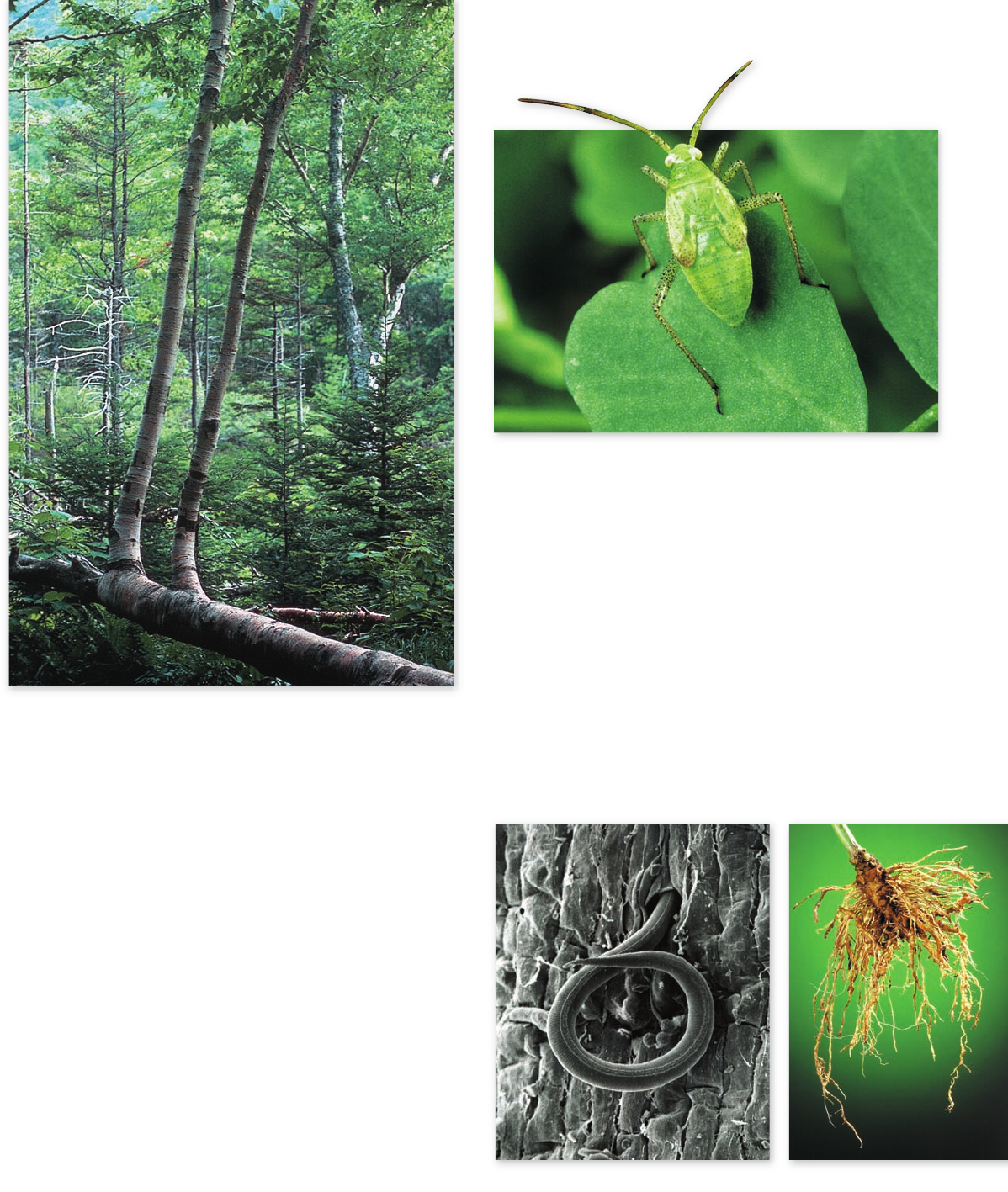
Shoots in reserve. Axillary shoots give plants a
second chance when the terminal shoot breaks off, as is the case
with this storm-felled tree.
Figure 40.2
Alfalfa plant bug. This invasive species is an
agricultural problem because it arrived in the United States without
any natural predators and feeds on alfalfa.
Figure 40.3
Nematodes attack the roots of crop plants.
a. A nematode breaks through the epidermis of the root. b. Root-
knot nematodes form tumors on roots.
Invaders can penetrate dermal defenses
Unfortunately, these exterior defenses can be penetrated in
many ways. Mechanical wounds leave an open passageway
through which microbial organisms can enter. Parasitic
nematodes use their sharp mouthparts to get through the
plant cell walls. Their actions either trigger the plant cells
to divide, forming a tumorous growth, or, in species that at-
tach to a single plant cell, cause the cell to enlarge and
transfer carbohydrates from the plant to the hungry nema-
tode (figure 40.3) . In some cases, the wounding makes it
their DNA-replicating mechanisms to self-replicate. Some in-
vaders kill the plant cells immediately, leading to necrosis
(brown, dead tissue). Certain insects may tap into the phloem
of a plant seeking carbohydrates, but leave behind a hitchhiking
virus or bacterium.
The threat of these attackers is reduced when they have
natural predators themselves. One of the greatest problems
with nonnative invasive species, such as the alfalfa plant
bug (figure 40.2) , is the lack of natural predators in the
new environment.
Dermal tissue provides rst-line defense
The first defense all plants have is the dermal tissue system (see
chapter 36). Epidermal cells throughout the plant secrete wax,
which is a mixture of hydrophobic lipids. Layers of lipid material
protect exposed plant surfaces from water loss and attack. Above-
ground plant parts are also covered with cutin , a macromolecule
consisting of long-chain fatty acids linked together. Suberin, an-
other version of linked fatty acid chains, is found in cell walls of
subterranean plant organs; suberin forms the water-impermeable
Casparian strips of roots. Silica inclusions, trichomes, bark, and
even thorns can also protect the nutrient-rich plant interior.
chapter
40
Plant Defense Responses
803www.ravenbiology.com
rav32223_ch40_802-813.indd 803rav32223_ch40_802-813.indd 803 11/16/09 1:33:53 PM11/16/09 1:33:53 PM
Apago PDF Enhancer
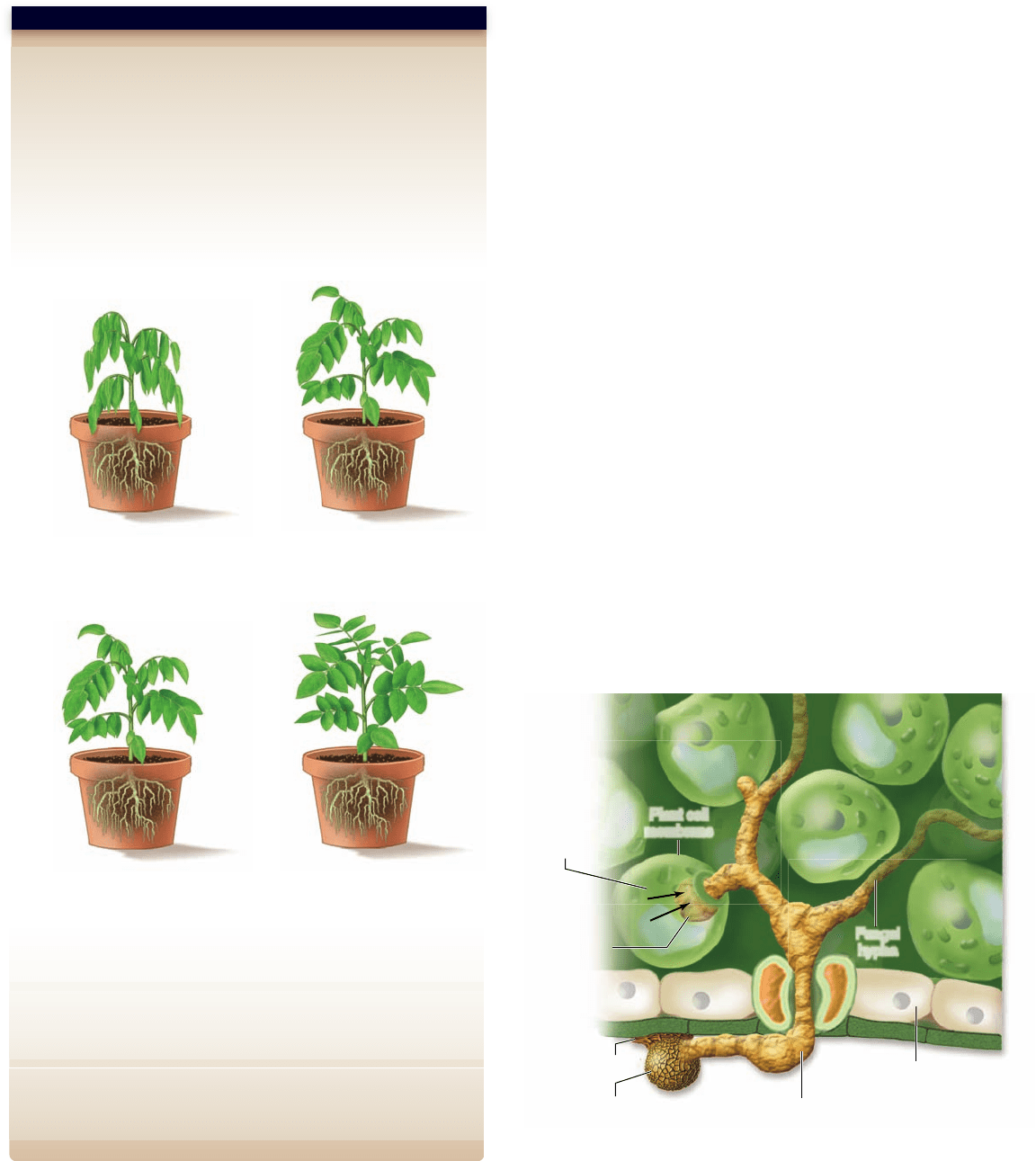
Hypothesis: Nematodes increase the severity of a potato wilt fungal
disease by wounding roots and allowing the fungus to penetrate root tissue.
Prediction: Leaf wilt will be more severe when the root system is
exposed to both the nematode and the fungus than when the root
system is exposed to neither or either separately.
Test: Establish four treatments with four plants in each treatment
group. Add the nematodes and the fungal pathogen to the soil of plants
in group 1. Group 2 will only have fungus. Group 3 will have only
nematodes, and group 4 will be untreated. Allow plants to grow for 42
days and record the extent of leaf wilt on each plant.
Result: Plants that are coinfected with the nematodes and fungus have
more severe wilting than plants treated with nematodes or fungus alone.
Control plants do not wilt.
Conclusion: Nematodes increase the severity of the wilting infection.
Further Experiments: Design an experiment to test the hypothesis that
increased fungal wilt symptoms are the result of damage to the roots by
the nematode, making it easier for the fungus to enter the plant. Could
you mechanically wound the roots instead of exposing them to
nematodes?
SCI ENT I FI C THINKING
Nematodes and fungus
(severe effect)
Fungus
(moderate effect)
Nematodes
(moderate effect)
Untreated (control)
(no effect)
Nutrient
transfer
Plant cell
membrane
Plant cell
Fungal
hypha
Fungus entering stoma
Plant epidermal cell
Germinating fungal spore
Adhesion
pad
Haustorium
easier for other pathogens, including fungi, to infect the
plant (figure 40.4) . In some cases simply having bacteria on
the leaf surface can increase the risk of frost damage. The
bacteria function as sites for ice nucleation; the resulting ice
crystals severely damage the leaves.
Fungi strategically seek out the weak spot in the dermal
system, the stomatal openings, to enter the plant. Some fungi
have coevolved with a monocot that has evenly spaced stomata.
These fungi appear to be able to measure distance to locate
these evenly spaced stomatal openings and invade the plant.
Figure 40.5 shows the phases of fungal invasion, which can in-
clude the following:
Windblown spores land on leaves. A germ tube emerges 1.
from the spore. Host recognition is necessary for spore
germination.
The spore germinates and forms an adhesion pad, 2.
allowing it to stick to the leaf.
Hyphae grow through cell walls and press against the 3.
cell membrane.
Hyphae differentiate into specialized structures called 4.
haustoria. They expand, surrounded by cell membrane,
and nutrient transfer begins.
Bacteria and fungi can also
be bene cial to plants
Mutualistic and parasitic relationships are often just opposite
sides of the evolutionary coin. A parasitic relationship can
evolve to become mutalistic, and a mutualistic relationship
F i g u r e 4 0 . 4
Nematodes increase susceptibility of plant
to fungal infection.
Figure 40.5
Fungi sneak in through stomata. Fungal
hyphae penetrate cell walls, but not plasma membranes. The close
contact between the fungal hyphae and the plant plasma membrane
allows for ready transfer of plant nutrients to the fungus.
804
part
VI
Plant Form and Function
rav32223_ch40_802-813.indd 804rav32223_ch40_802-813.indd 804 11/16/09 1:33:58 PM11/16/09 1:33:58 PM
Apago PDF Enhancer
can transform into a parasitic one. In chapters 31 and 39, you
saw how mycorrhizal fungi use a mechanism similar to the one
just described to the mutual benefit of both the plant and the
fungus. In the case of the relationship between legumes and
nitrogen-fixing bacteria, the Rhizobium bacteria seeks out a
root hair, infects it along with other tissues, and forms a root
nodule. Other soil bacteria can also enhance plant growth, and
are called plant growth-promoting rhizobacteria (PGPR). The
term rhizobacteria refers to bacteria that live around the root
system and often benefit from root exudates. In return they
provide substances that support plant growth. Azospirillum
spp., for example, provide gibberellins, which are growth hor-
mones, for rice plants when the bacteria are living in close
proximity to the root system. PGPR can also limit the growth
of pathogenic soil bacteria.
Learning Outcomes Review 40.1
Epidermal cells secrete protective compounds, including
wax and suberin. Fungal spores may germinate and stick to plant leaves;
hyphae enter the leaf through stomata, and produce haustoria to take up
plant nutrients. Mutualistic partners with plants include mycorrhizal fungi
that assist with nutrient absorption and nitrogen-fi xing bacteria
that provide nutrients.
■ Why would protective substances on leaves include
lipid-based compounds?
40.2
Chemical Defenses
Learning Outcomes
Describe the role of secondary metabolites in 1.
plant defense.
Define alleleopathy.2.
List three examples of the medicinal value of 3.
secondary metabolites.
Many plants are filled with toxins that kill herbivores or, at the
very least, make them quite ill. One example is the production
of cyanide, (HCN). Over 3000 species of plants produce
cyanide-containing compounds called cyanogenic glycosides that
break down into cyanide when cells are damaged. Cyanide
stops electron transport, blocking cellular respiration.
Cassava (genus Manihot), a major food staple for many
Africans, is filled with cyanogenic glycosides (specifically, mani-
hotoxins) in the outer layers of the edible root. Unless these
outer layers are scrubbed off, the cumulative effect of eating
primarily cassava can be deadly.
Some toxins are unique to plants, but others are found in
plants, vertebrates, and invertebrates and are called defensins .
Defensins are small, cysteine-rich peptides with antimicrobial
activity. The conservation of defensins in animals and plants
reveals the ancient origins of innate immunity. Between 15
and 50 defensin genes have been identified in plant genomes,
and over 317 defensin-like genes exist in the Arabidopsis ge-
nome. The exact mechanisms are being worked out, but in
some cases plant defensins inhibit protein synthesis. When
expression of defensin genes is suppressed in plants, they are
more susceptible to bacterial and fungal infections. In addi-
tion to toxins that kill, plants can produce chemical com-
pounds that make potential herbivores ill or that repel them
with strong flavors or odors.
Plants maintain chemical arsenals
How did the biosynthetic pathways that produce these toxins
evolve? Growing evidence indicates that the metabolic path-
ways needed to sustain life in plants have taken some evolu-
tionary side trips, leading to the production of a stockpile of
chemicals known as secondary metabolites. Many of these
secondary metabolites affect herbivores as well as humans
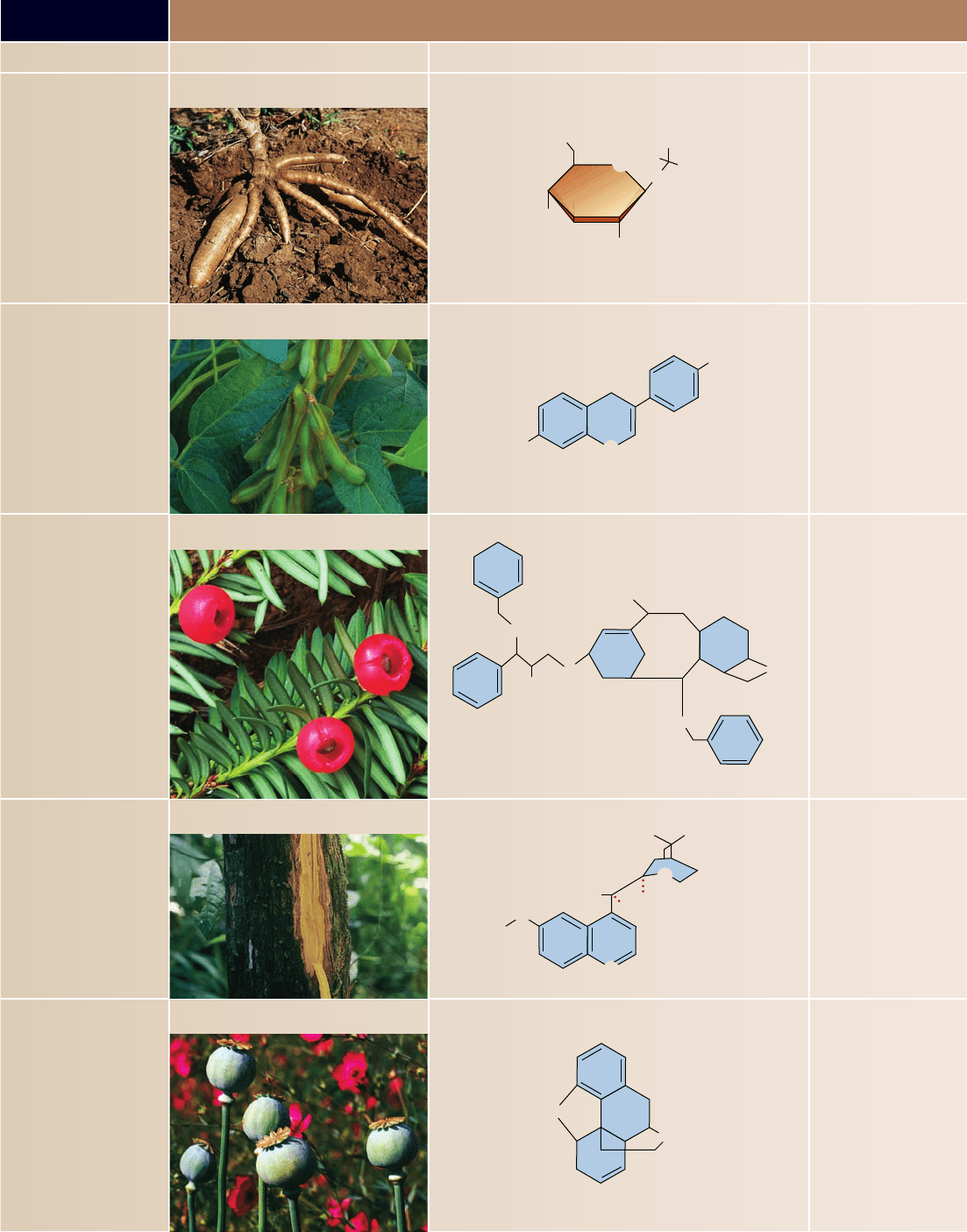
(table 40.1) .
Alkaloids, including caffeine, nicotine, cocaine, and mor-
phine, can affect multiple cellular processes; if a plant cannot
kill its attackers, it can overstimulate them with caffeine or se-
date them with morphine. For example, the tobacco hornworm
(Manduca sexta) can level a field of tobacco (figure 40.6) ; how-
ever, wild species of tobacco appear to have elevated levels of
nicotine that are lethal to tobacco hornworms.
Tannins bind to proteins and inactivate them. For exam-
ple, some act by blocking enzymes that digest proteins, which
reduces the nutritional value of the plant tissue. An insect that
gets sick from a strong dose of tannins is likely to associate the
flavor with illness and to avoid having that type of plant for
lunch another time. Small doses of tannins and most other sec-
ondary metabolites are unlikely to cause any major digestive
difficulties in larger animals, including humans. Animals, in-
cluding humans, can avoid many of the cumulative toxic effects
of secondary metabolites by eating a varied diet.
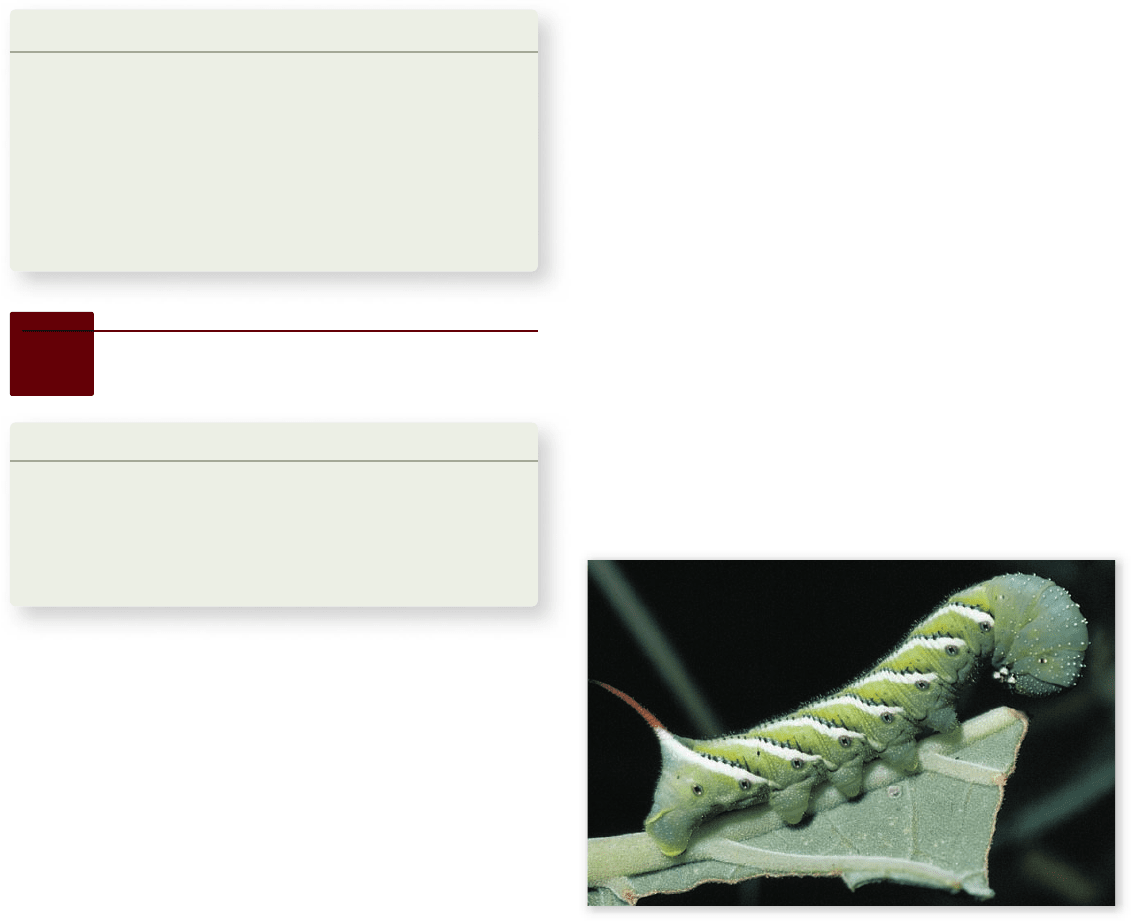
Figure 40.6
Herbivores can kill plants. Tobacco
hornworms, Manduca sexta, consume huge amounts of tobacco leaf
tissue, as well as tomato leaves.
chapter
40
Plant Defense Responses
805www.ravenbiology.com
rav32223_ch40_802-813.indd 805rav32223_ch40_802-813.indd 805 11/16/09 1:34:00 PM11/16/09 1:34:00 PM
Apago PDF Enhancer
TABLE 40.1
Secondary Metabolites
Compound Source Structure Eff ect on Humans
Manihotoxin
(cyanogenic glycoside)
Cassava, Manihot esculenta Metabolized
to release
lethal cyanide
Genistein (phytoestrogen) Soybean, Glycine max Estrogen mimic
Taxol
(terpenoid)
Paci c yew, Taxus brevifolia Anticancer drug
Quinine
(alkaloid)
Quinine bark, Cinchona o cinalis Antimalarial drug
Morphine
(alkaloid)
Opium poppy, Papaver somniferum Narcotic pain killer
OH
HO
HO
OH
O
O
CKN
HO
OH
O
O
OH
O
O
O
O
O
O
O
NH
OH
OOCCH
3
OOCCH
3
O
H
3
C
H
2
CKCH
HO
H
H
H
N
N
O
HO
HO
N
JCH
2
K
K
K
K
K
JJ
J
J
806
part
VI
Plant Form and Function
rav32223_ch40_802-813.indd 806rav32223_ch40_802-813.indd 806 11/17/09 12:40:08 PM11/17/09 12:40:08 PM
Apago PDF Enhancer
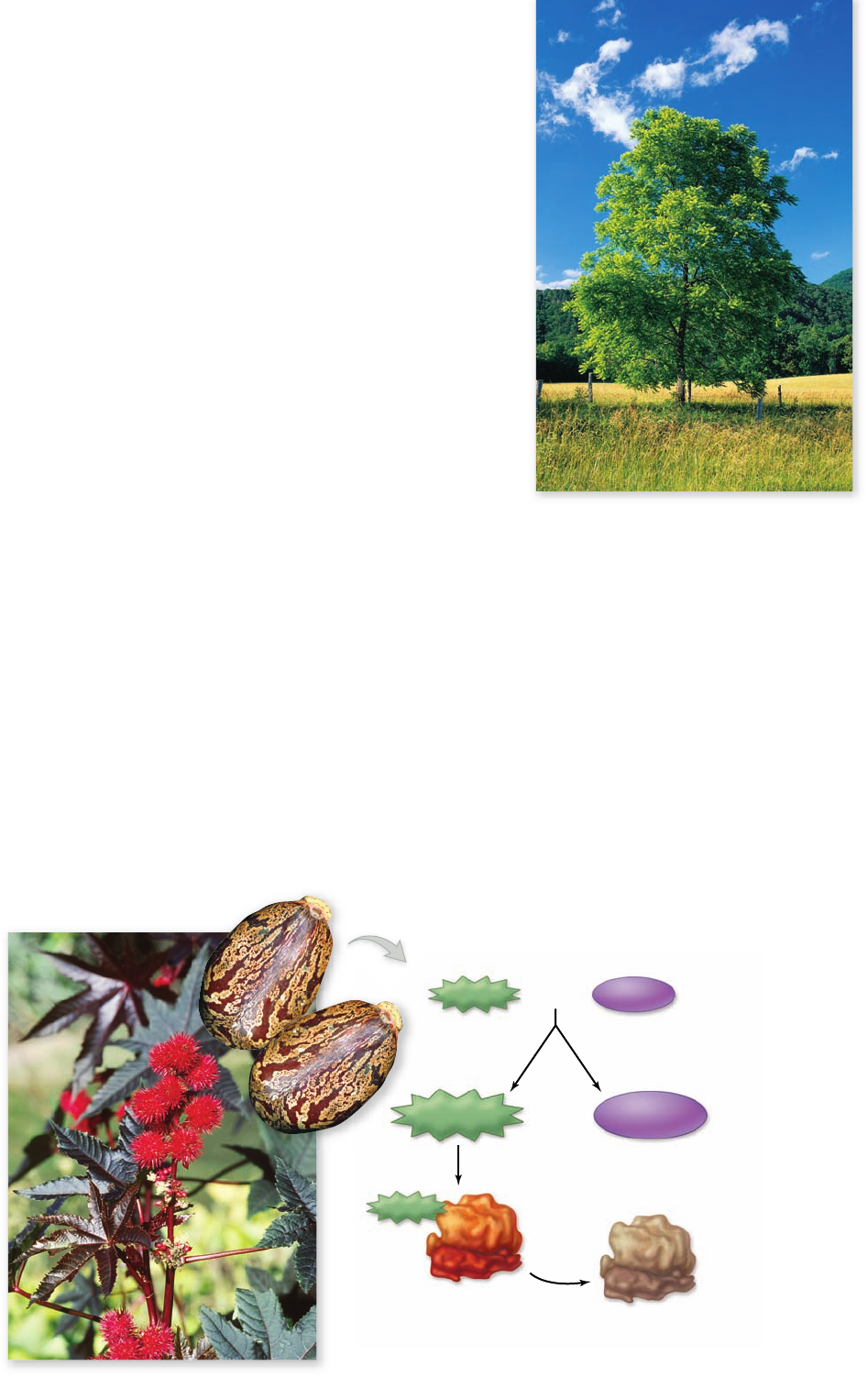
Animal digestive
enzymes
Ricin A
Ricin A
Ribosome
Inactivated ribosome
Ricin B
Proricin
S
J J
S
J
S
J J
S
Figure 40.8
Ricin from castor
beans blocks translation. When
the ricin A subunit is released from
proricin, it binds to rRNA in
ribosomes and prevents mRNA from
being translated into protein.
Plant oils, particularly those found in plants of the mint
family, which includes peppermint, sage, pennyroyal, and many
others, repel insects with their strong odors. At high concentra-
tions, some of these oils can also be toxic if ingested.
Why don’t the toxins kill the plant? One strategy is for a
plant to sequester a toxin in a membrane-bound structure, so
that it does not come into contact with the cell’s metabolic pro-
cesses. The second solution is for the plant to produce a com-
pound that is not toxic unless it is metabolized, often by
microorganisms, in the intestine of an animal. Cyanogenic gly-
cosides are a good example of the latter solution. The plant
produces a sugar-bound cyanide compound that does not affect
electron transport chains. Once an animal ingests cyanogenic
glycoside, the compound is enzymatically broken down, releas-
ing the toxic hydrogen cyanide.
Coevolution has led to defenses against some plant
toxins. A tropical butterfly, Helioconius sara, can sequester the
cyanogenic glycosides it ingests from its sole food source,
the passion vine. Even more intriguing is a biochemical
pathway that allows the butterfly to safely break down cya-
nogenic glycosides and use the released nitrogen in its own
protein metabolism.
Plants can poison other plants
Some chemical toxins protect plants from other plants.
Allelopathy occurs when a chemical compound secreted by
the roots of one plant blocks the germination of nearby seeds
or inhibits the growth of a neighboring plant. This strategy
minimizes shading and competition for nutrients, while it
maximizes the ability of a plant to use radiant sunlight for pho-
tosynthesis. Allelopathy works with both a plant’s own species
and different species. Black walnut trees ( Juglans nigra) are a
good example. Very little vegetation will grow under a black
walnut tree because of allelopathy (figure 40.7).
Humans are susceptible to plant toxins
Not only have humans been inadvertently poisoned by plants,
but throughout much of human history, they have also been
intentionally poisoned by other humans using plant products.
Socrates, an important Greek philosopher who lived 2400 years
ago, was sentenced to death in Athens, and he died after he
drank a hemlock extract containing an alkaloid that paralyzes
motor nerve endings.
Ricin, an alkaloid found in castor beans (Ricinus communis),
is six times more lethal than cyanide and twice as lethal as cobra
venom. A single seed from the plant, which is still grown in flow-
er gardens, can kill a young child if ingested. Death occurs be-
cause ricin functions as a ribosome-binding protein that changes
the structure of rRNA, thus inhibiting translation (figure 40.8) .
Figure 40.7
Black walnuts
are allelopaths.
Seedlings die when
their roots come in
contact with the root
secretions of a black
walnut tree.
chapter
40
Plant Defense Responses
807www.ravenbiology.com
rav32223_ch40_802-813.indd 807rav32223_ch40_802-813.indd 807 11/16/09 1:34:11 PM11/16/09 1:34:11 PM

Apago PDF Enhancer
Ricin is found in the endosperm of the seed as a hetero-
dimer composed of ricin A and ricin B, joined by a single di-
sulfide bond. This heterodimer (proricin) is nontoxic, but
when the disulfide bond is broken in humans or other ani-
mals, ricin A targets the GAGA sequence of the 28s rRNA of
the ribosome . A single ricin molecule can inactivate 1500 ri-
bosomes per minute, blocking translation of proteins.
In 1978, Bulgarian expatriate and dissident Georgi Mar kov
was about to board a bus in London on his way to work at the
BBC when he felt a sharp stabbing pain in his thigh. A man near
him picked up an umbrella from the ground and hurriedly left.
Markov had been injected via a mechanism in the umbrella tip
with a pinhead-sized metal sphere containing 0.2 mg of ricin. He
died four days later. After the collapse of the Soviet Union, for-
mer KGB officers revealed that the KGB had set up the assassina-
tion at the behest of the Bulgarian Communist Party leadership.
Inquiry question
?
Explain how ricin led to Markov’s death.
Secondary metabolites may have
medicinal value
Major research efforts on plant secondary metabolites are in
progress because of their potential benefits, as well as dangers,
to human health (see table 40.1).
Soy and phytoestrogens
One example of the benefits and dangers is the presence of
phytoestrogens, compounds very similar to the human hor-
mone estrogen, in soybean products. In soybean plants,
genistein is one of the major phytoestrogens.
Comparative studies between Asian populations that con-
sume large amounts of soy foods and populations with lower
dietary intake of soy products are raising intriguing questions
and some conflicting results. For example, the lower rate of
prostate cancer in Asian males might be accounted for by the
down- regulation of androgen and estrogen receptors by a
phytoestrogen. Soy is being marketed as a means for minimiz-
ing menopausal symptoms caused by declining estrogen levels
in older women.
In humans, dietary phytoestrogens cross the placenta and
can be found in the amniotic fluid during the second trimester
of pregnancy. Questions have been raised about the effect of
phytoestrogens on developing fetuses and even on babies who
consume soy-based formula because of allergies to cow’s milk
formula. Because hormonal signaling is so complex, much more
research is needed to fully understand how or even if phyto-
estrogens affect human physiology and development.
Taxol and breast cancer
Taxol, a secondary metabolite found in the Pacific yew ( Taxus
brevifolia), is effective in fighting cancer, especially breast can-
cer. The discovery of taxol’s pharmaceutical value raised an en-
vironmental challenge. The very existence of the Pacific yew
was being threatened as the shrubs were destroyed so that taxol
could be extracted. Fortunately, it became possible to synthe-
size taxol in the laboratory.
Taxol is not an isolated case of drug discovery in plants.
The hidden pharmaceutical value of many plants may lead to
increased conservation efforts to protect plants that have the
potential to make contributions toward human health. Al-
though the plant pharmaceutical industry is growing, it is cer-
tainly not a new field. Until recent times, almost all medicines
used by humans came from plants.
Quinine and malaria
In the 1600s, the Incas of Peru were treating malaria with a
drink made from the bark of Cinchona trees. Malaria is caused
by four types of human malaria parasites in the genus Plasmo-
dium, which are carried by female Anopheles mosquitoes. Plas-
modium falciparum is the most lethal of the four types. Symptoms
include severe fevers and vomiting. The parasite feeds on red
blood cells, and death can result from anemia or blocking of
blood flow to the brain.
By 1820, the active ingredient in the bark of Cinchona
trees, quinine, had been identified (see table 40.1). In the 19th
century, British soldiers in India used quinine-containing “tonic
water” to fight malaria. They masked the bitter taste of quinine
with gin, creating the first gin and tonic drinks. In 1944, Robert
Woodward and William Doering synthesized quinine. Now
several other synthetic drugs are available to treat malaria.
Exactly how quinine and synthetic versions of this drug
family work has puzzled researchers for a long time. Quinine
can affect DNA replication, and also, when P. falciparum
breaks down hemoglobin from red blood cells in its digestive
vacuole, an intermediary toxic form of heme is released. Qui-
nine may interfere with the subsequent polymerization of
these hemes, leading to a build up of toxic hemes that poison
the parasite.
Unfortunately, even today malaria is a major threat to hu-
man health, causing over a million deaths per year. Ninety per-
cent of these deaths occur in sub-Saharan Africa. An estimated
300,000,000 individuals are infected. P. falciparum strains have
acquired resistance to synthetic drugs, and quinine is once again
the drug of choice in some cases.
Herbal remedies have been used for centuries in most
cultures. A resurgence of interest in plant-based remedies is re-
sulting in a growing and unregulated industry. Although herbal
remedies have great promise, we need to be aware that each
plant contains many secondary metabolites, many of which
have evolved to cause harm to herbivores including humans.
Learning Outcomes Review 40.2
Plants accumulate secondary metabolites that can poison or otherwise
harm herbivores. Plants also secrete chemicals that inhibit the growth of
neighboring plants, a process termed allelopathy. Secondary metabolites
may also have benefi cial uses, such as phytoestrogens from soy, which may
reduce menopausal symptoms in women; taxol from the Pacifi c yew, which
acts as an anticancer agent; and quinine from Cinchona trees, which helps
treat malaria.
■ In what ways would a drug prepared from a whole
plant differ from a drug prepared from an isolated
chemical compound?
808
part
VI
Plant Form and Function
rav32223_ch40_802-813.indd 808rav32223_ch40_802-813.indd 808 11/16/09 1:34:17 PM11/16/09 1:34:17 PM
Apago PDF Enhancer
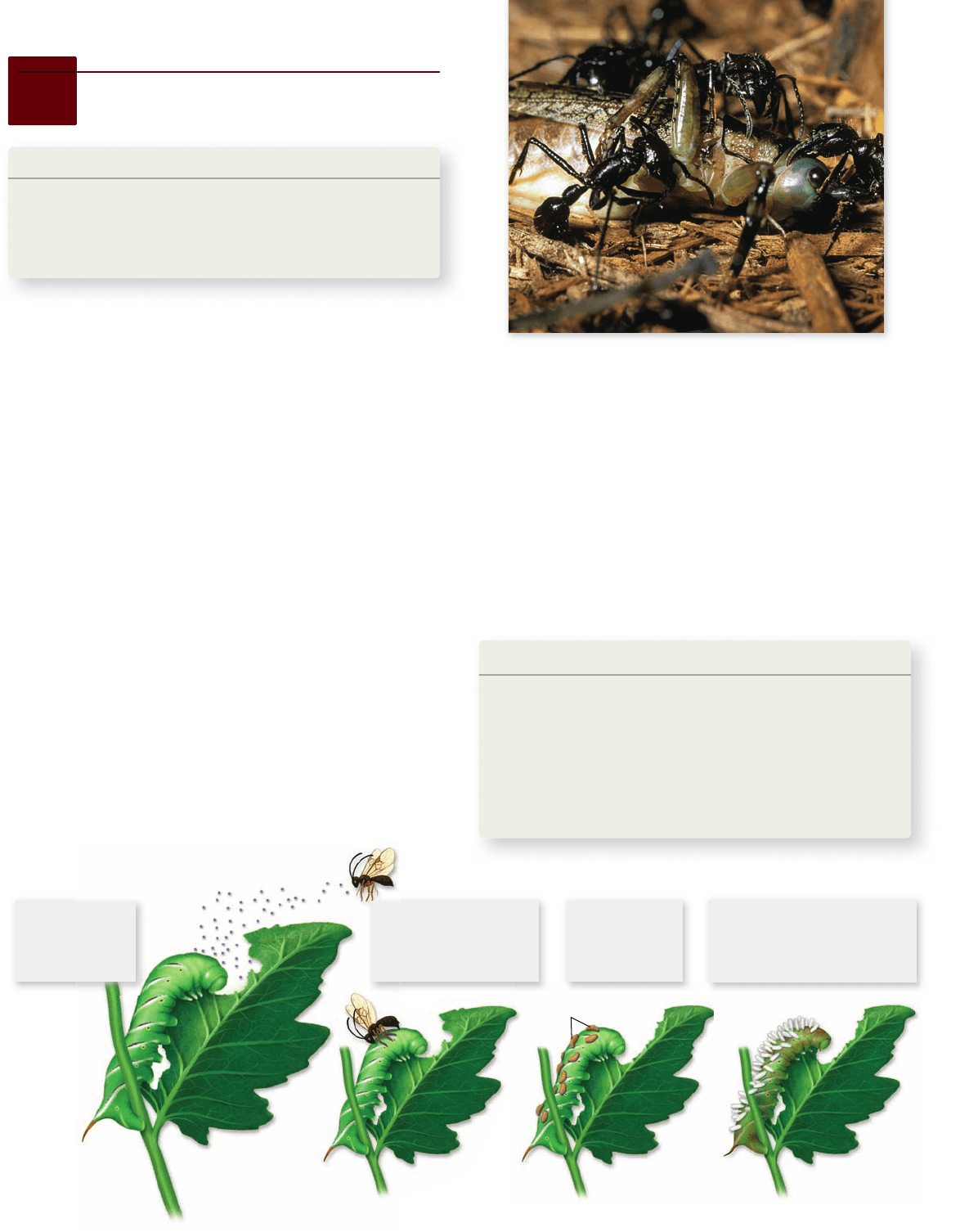
1. A volatile signal
is released as
the caterpillar
eats a leaf.
2. Female wasp is attracted
by the volatile signal,
finds caterpillar, and lays
eggs.
3. Wasp larvae
feed on the
caterpillar and
then emerge.
4. Larvae continue to feed on
the caterpillar after it dies,
but not the plant. The larvae
then spin cocoons to pupate.
Volatile signal
Larvae
Figure 40.9
Ants attacking a katydid to protect “their”
Acacia. Through coevolution, ants are sheltered by acacia trees
and attack otherwise harmful herbivores.
40.3
Animals That Protect Plants
Learning Outcomes
Describe the benefit Acacia trees receive from ants that 1.
live in them.
Explain how some plants use parasitoid wasps to 2.
destroy caterpillars.
Not only do individual species and their traits evolve over time,
but so do relationships between species. For example, evolution
of chemicals to deter herbivores may often be accompanied
over time by adaptation on the part of herbivores to withstand
these chemicals. This evolutionary pattern is called coevolu-
tion. Here we consider two cases of mutualism that coevolved
between animal and plant species.
Acacia trees and ants. Several species of ants provide small
armies to protect some species of Acacia trees from other
herbivores. These stinging ants may inhabit an enlarged
thorn of the tree; they attack other insects ( gure 40.9)
and sometimes small mammals and epiphytic plants.
Some of the Acacia species provide their ants with sugar in
nectaries located away from the owers, and even with
lipid food bodies at the tips of leaves.
The only problem with ants chasing away other
insects is that acacia trees depend on bees to pollinate their
owers. What keeps the ants from swarming and stinging a
bee that stops by to pollinate? Evidence indicates that when
a ower opens on an acacia tree, it produces some type of
chemical ant deterrent that does not deter the bees. This
chemical has not yet been identi ed.
Parasitoid wasps, caterpillars, and leaves. Caterpillars ll up
on leaf tissue before they metamorphose into a moth or a
butter y. In some cases, proteinase inhibitors in leaves are
suf cient to deter very hungry caterpillars. But some
plants have developed another strategy: As the caterpillar
chews away, a wound response in the plant leads to the
release of a volatile compound. This compound wafts
through the air, and if a female parasitoid wasp happens to
be in the neighborhood, it is immediately attracted to the
source. Parasitoid wasps are so named because they are
parasitic on caterpillars. The wasp lays her fertilized eggs
in the body of the caterpillar that is feeding on the leaf of
the plant. These eggs hatch, and the emerging larvae kill
and eat the caterpillar ( gure 40.10).
Learning Outcomes Review 40.3
Mutualism is an interaction between species that is benefi cial to both.
Ants protect Acacia by attacking feeding herbivores. Parasitoid wasps are
attracted by compounds released from plant tissues damaged by feeding
caterpillars; they lay eggs in the caterpillars, which later are killed by the
emerging larvae.
■ Would you expect that wasps kill all the caterpillars?
Explain.
Figure 40.10
Parasitoid wasps provide protection from herbivory.
chapter
40
Plant Defense Responses
809www.ravenbiology.com
rav32223_ch40_802-813.indd 809rav32223_ch40_802-813.indd 809 11/16/09 1:34:17 PM11/16/09 1:34:17 PM
Apago PDF Enhancer
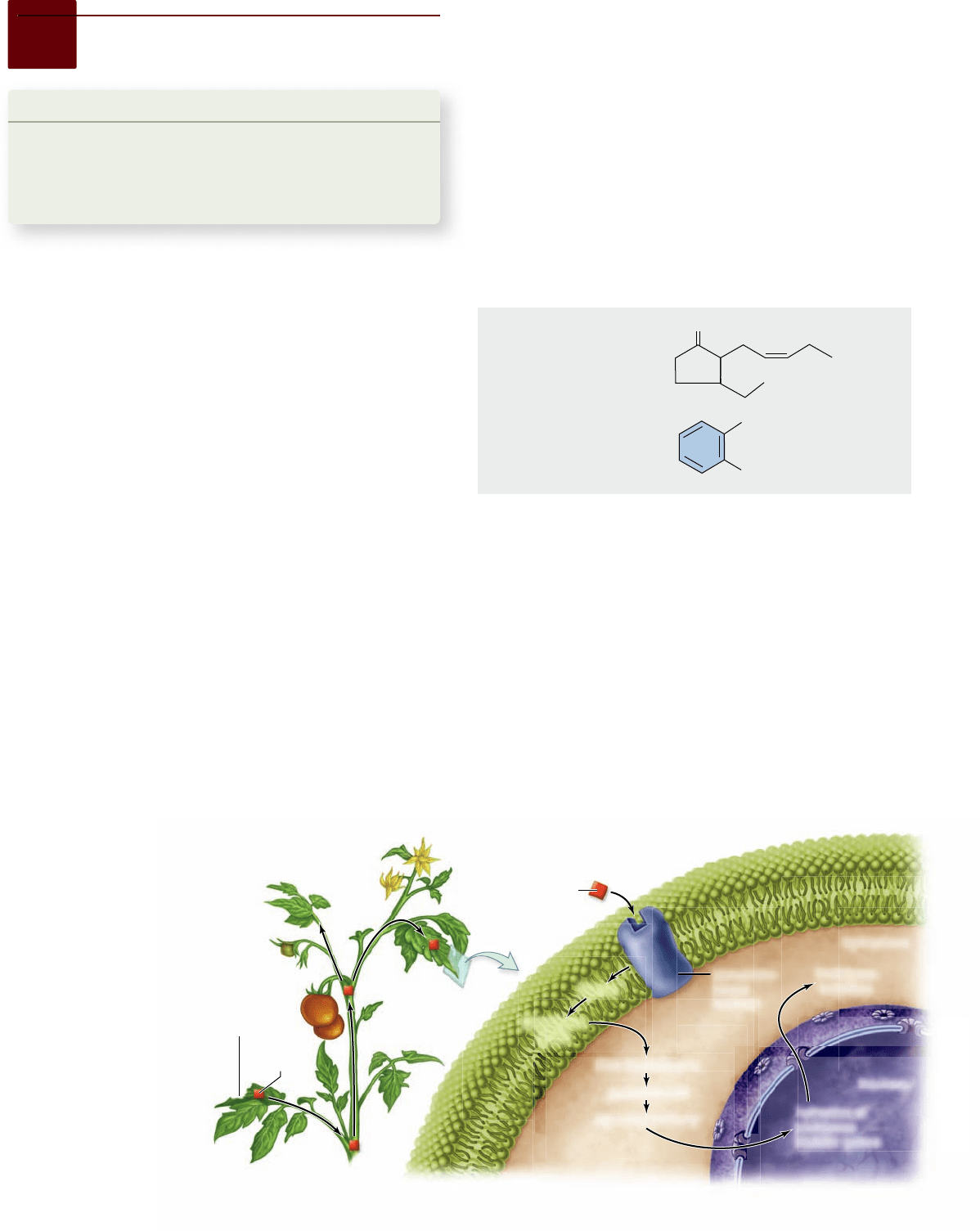
Wounded
leaf
Systemin
release
Systemin
Lipase
Membrane
lipids
Free linolenic acid
Jasmonic acid
Signaling pathway
Activation of
proteinase
inhibitor genes
Proteinase
inhibitors
Cytoplasm
Nucleus
Membrane-
bound
receptor
Jasmonic acid
Salicylic acid
COOH
OH
COOH
O
40.4
Systemic Responses to Invaders
Learning Outcomes
Outline the sequence of events that leads to the 1.
production of a wound response.
Describe the gene-for-gene hypothesis.2.
Define systemic acquired resistance.3.
So far, we have focused mainly on static plant responses to
threats. Most of the deterrent chemicals such as toxins are
maintained at steady-state levels. In addition, the morphologi-
cal structures such as thorns or trichomes that help defend
plants are part of the normal developmental program. Because
these defenses are maintained whether an herbivore or other
invader is present or not, they have an energetic downside. By
contrast, resources could be conserved if the response to being
under siege was inducible—that is, if the defense response could
be launched only when a threat had been recognized. In this
section, we explore these inducible defense mechanisms.
Wound responses protect
plants from herbivores
As you just learned from the example of the parasitoid wasp, a
wound response may occur when a leaf is chewed or injured.
One induced outcome is the rapid production of proteinase in-
hibitors. These chemical toxins do not exist in the stockpile of
defenses, but instead are produced in response to wounding.
Proteinase inhibitors bind to digestive enzymes in the gut
of the herbivore. The proteinase inhibitors are produced
throughout the plant, and not just at the wound site. How are
cells in distant parts of the plant signaled to produce proteinase
inhibitors? In tomato plants, the following sequence of events
is responsible for this systemic response (figure 40.11) :
Wounded leaves produce an 18-amino-acid peptide called 1.
systemin from a larger precursor protein.
Systemin moves through the apoplast (the space between 2.
cell walls) of the wounded tissue and into the nearby
phloem. This small peptide-signaling molecule then
moves throughout the plant in the phloem.
Cells with a systemin receptor bind the systemin, which 3.
leads to the production of jasmonic acid.
Jasmonic acid activates the transcription of defense genes, 4.
including the production of a proteinase inhibitor.
Although we know the most about the signaling pathway
involving jasmonic acid, other molecules are involved in wound
response as well. Salicylic acid, which is found in the bark of
plants such as the white willow (Salix alba) is one example. Cell
fragments also appear to be important signals for triggering an
induced response, as is discussed shortly.
Mechanical damage separate from herbivore attack
also elicits wound responses, which presents a challenge in
designing plant experiments that involve cutting or other-
wise mechanically damaging the tissue. Experimental con-
trols, which should be cut or manipulated in the same way
but without the test treatment, are especially important to
ensure that any changes observed are not due only to the
wound response.
Defense responses can be
pathogen-speci c
Wound responses are independent of the type of herbivore or
other agent causing the damage, but other responses are triggered
by a specific pathogen that carries a specific allele in its genome.
Figure 40.11
Wound
response in tomato.
Wounding a tomato leaf leads
to the production of jasmonic
acid in other parts of the plant.
Jasmonic acid initiates a
signaling pathway that turns
on genes needed to synthesize
a proteinase inhibitor.
810
part
VI
Plant Form and Function
rav32223_ch40_802-813.indd 810rav32223_ch40_802-813.indd 810 11/16/09 1:34:22 PM11/16/09 1:34:22 PM
Apago PDF Enhancer
1. Pathogen
enters cell.
2. Proteins are
released into cell
by pathogen.
3. R gene products from
the plant cell bind to
avr gene products.
4. If binding occurs, the R gene product is
activated, triggering a protective hyper-
sensitive response. If no binding occurs,
the plant succumbs to disease.
Virus
Bacterium
Fungus
avr
avr
R
R
R
Hypersensitive
response
No disease
occurs
No disease
occurs
Hypersensitive
response
Plant
develops
disease
avr
Pathogen recognition
Half a century ago, the geneticist H. H. Flor proposed the exis-
tence of a plant resistance gene (R), the product of which inter-
acts with the product of an avirulence gene (avr) carried by a
pathogen. Avirulent means not virulent (disease-causing). An
avirulent pathogen is one that can utilize host resources for its
own use and reproduction without causing severe damage or
death. The product of this pathogen’s avr protein interacts with
the plant’s R protein to signal the pathogen’s presence. In this
way, the plant under attack can mount defenses, thus ensuring
that the pathogen remains avirulent. If the pathogen’s avr pro-
tein is not recognized by the plant, disease symptoms appear.
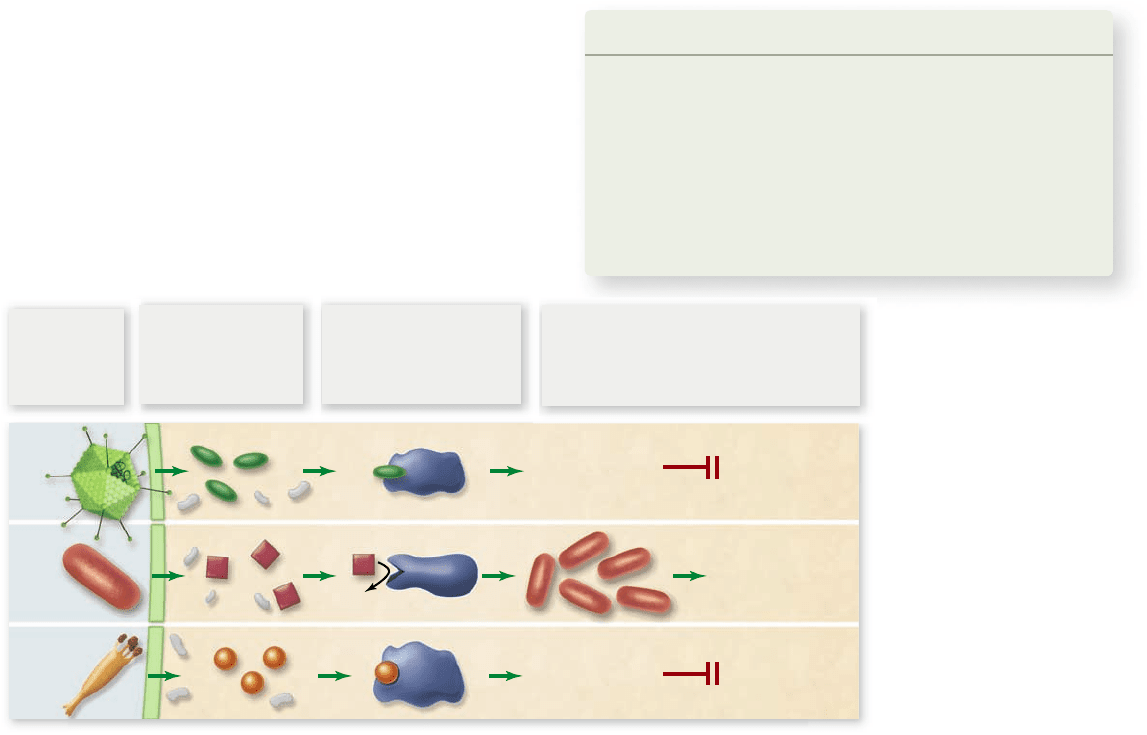
Flor’s proposal is called the gene-for-gene hypothesis
(figure 40.12) , and several pairs of avr and R genes have been
cloned in different species pathogenized by microbes, fungi, and
even insects in one case. This research has been motivated partially
by the agronomic benefit of identifying genes that can be added
via gene technology to crop plants to protect them from invaders.
The avr/R gene interaction is an example of ongoing co-
evolution. An avirulent invader can be detected and recognized.
Mutations arising in the avirulent pathogen can result in a viru-
lent pathogen that overcomes a plant’s defenses and kills it—
often leading to the pathogen’s demise as well.
Specific defenses and the hypersensitive response
Much is now known about the signal transduction pathways that
follow the recognition of the pathogen by the R gene product.
These pathways lead to the triggering of the hypersensitive
response (HR), which leads to rapid cell death around the source
of the invasion and also to a longer term, whole-plant resistance
(figures 40.12 and 40.13) . A gene-for-gene response does not al-
ways occur, but plants still have defense responses to pathogens in
general as well as to mechanical wounding. Some of the response
pathways may be similar. Also, fragments of cell wall carbohy-
drates may serve as recognition and signaling molecules.
When a plant is attacked and a gene-for-gene recognition
occurs, the HR leads to very rapid cell death around the site of at-
tack. This seals off the wounded tissue to prevent the pathogen or
pest from moving into the rest of the plant. Hydrogen peroxide
and nitric oxide are produced and may signal a cascade of bio-
chemical events resulting in the localized death of host cells. These
chemicals may also have negative effects on the pathogen, although
protective mechanisms have coevolved in some pathogens.
Other antimicrobial agents produced include the phyto-
alexins, which are antimicrobial chemical defense agents. A
variety of pathogenesis-related genes (PR genes) are also ex-
pressed, and their proteins can function as either antimicrobial
agents or signals for other events that protect the plant.
In the case of virulent invaders for which there is no R rec-
ognition, changes in local cell walls at least partially block the
pathogen or pest from moving further into the plant. In this case,
an HR does not occur, and the local plant cells do not die.
Long-term protection
In addition to the HR or other local responses, plants are capable of
a systemic response to a pathogen or pest attack, called a systemic
acquired resistance (SAR) (see figure 40.12). Several pathways
lead to broad-ranging resistance that lasts for a period of days.
The long-distance signal that induces SAR is likely
salicylic acid, rather than systemin, which is the long-distance
signal in wound responses. At the cellular level, jasmonic acid
(which was mentioned earlier in the context of the wound re-
sponse pathways) is involved in SAR signaling. SAR allows the
plant to respond more quickly if it is attacked again. This re-
sponse, however, is not the same as the human or mammalian
immune response, in which antibodies (proteins) that recog-
nize specific antigens (foreign proteins) persist in the body.
SAR is neither as specific nor as long-lasting.
Learning Outcomes Review 40.4
A wounded leaf initiates a signaling chain that stimulates production of
proteinase inhibitors. When a plant has a resistance gene with a product
that recognizes the product of an avirulence gene in the pathogen, the plant
carries out a defense response; this recognition is called the gene-for-gene
hypothesis. Systemic acquired resistance is a temporary broad form of
resistance that may be induced by exposure to a pathogen.
■ How does local cell death help preserve a plant under
attack by a pathogen?
Figure 40.12
Gene-
for-gene hypothesis.
Flor proposed that
pathogens have an
avirulence (avr) gene that
recognizes the product of a
plant resistance gene (R).
If the virus, bacterium,
fungus, or insect has an avr
gene product that matches
the R gene product, a
defense response will occur.
chapter
40
Plant Defense Responses
811www.ravenbiology.com
rav32223_ch40_802-813.indd 811rav32223_ch40_802-813.indd 811 11/16/09 1:34:24 PM11/16/09 1:34:24 PM