
Takadoum J. Materials and Surface Engineering in Tribology
Подождите немного. Документ загружается.

Materials for Tribology 195
0
25 50 75
Normal force
(
N
)
Acoustic Emission AE (au.)
AE
T
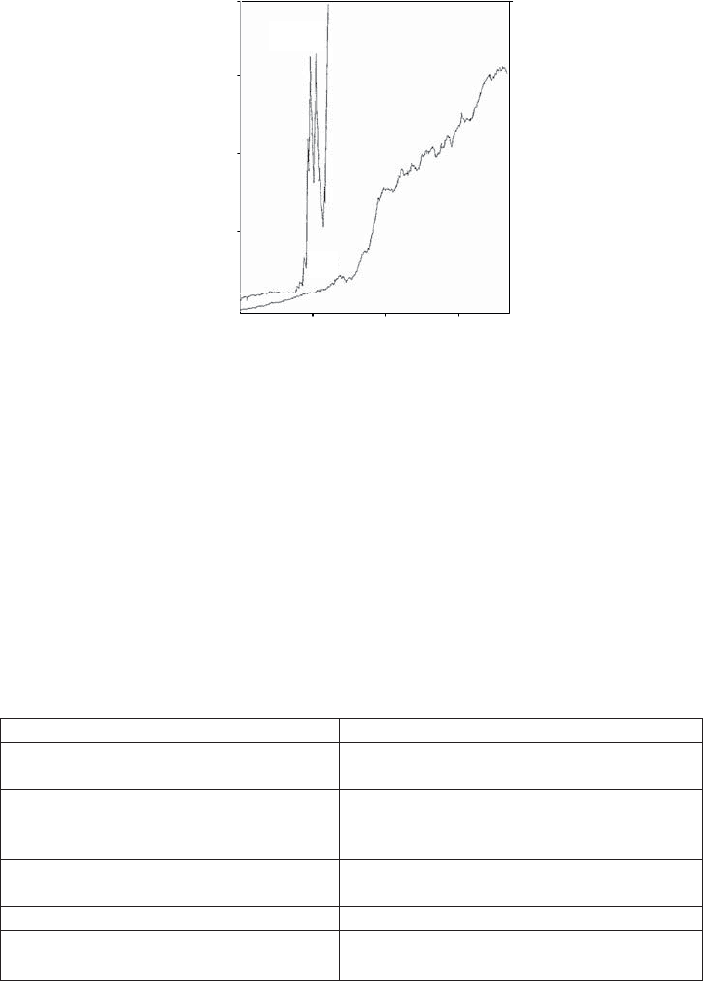
Figure 3.61. Acoustic emission (AE) and tangential force measured during the scratch test
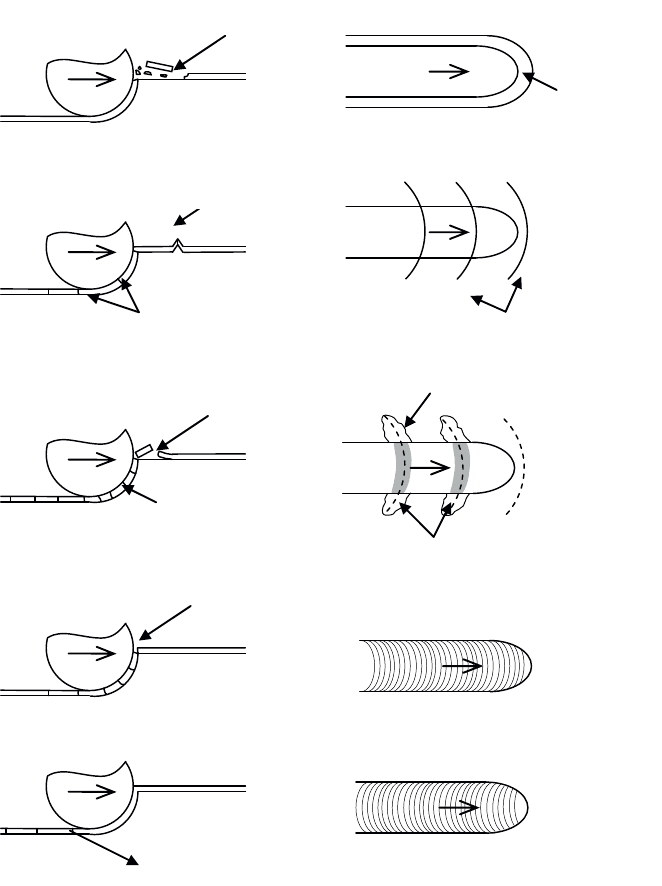
Careful analysis of scratches has enabled five modes of coating degradation to be
identified (see Figure 3.62) [BUR 87b]. The triggering of a particular degradation
mode depends on many factors that can be divided into two categories: intrinsic
factors that depend on the particular experimental conditions and extrinsic factors
that depend on the nature and properties of the coating and substrate (see Table 3.8
below) [BUL 06].
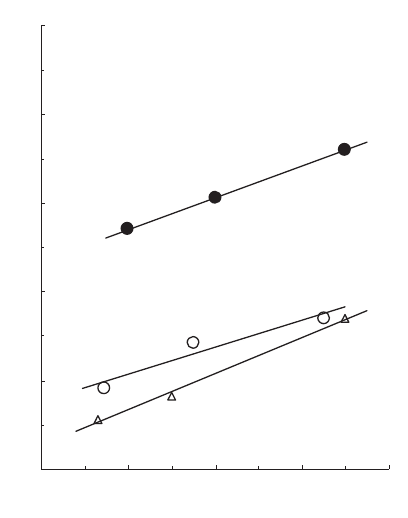
For example, it is known that when the radius of curvature of the indenter, the
thickness of the coating or the hardness of the substrate increase, it induces Lc to
increase (see Figure 3.63). On the other hand, Lc decreases when the level of
residual stresses present in the coating increases [BUL 90, BUL 01a].
Intrinsic Extrinsic
Loading rate [BUL 89, STE 87, VAL
86]
Properties of the substrate (hardness,
elastic modulus/elasticity) [STE 87]
Sliding speed [BUL 89, STE 87, VAL
86]
Properties of the coating (thickness,
hardness, elastic modulus/elasticity,
residual stresses) [BUL 89, STE 87]
Radius of curvature of the indenter
[BUL 89, VAL 86]
Friction coefficient [THO 98, VAL 86]
Indenter wear [BUL 89] Surface roughness [STE 87]
Stiffness / design of the measuring
device
Table 3.8. Intrinsic and extrinsic factors impacting on the scratch test [BUL 06]
196 Materials and Surface Engineering in Tribology
Spalled coatin
g
S
p
allation failure
Bucklin
g
failure
Previous failures
S
p
allation of bucklin
g
Previous failures
embedded by stylus
Bending causes
conformal cracking
ı
compressive
Tensile failures
Embedded coatin
g
Chi
pp
in
g
Buckling failures
(b)
(a)
(c)
(d)
(e)
Figure 3.62. Schematic representation of coating failure modes in scratch tests
Plan and profile views of a) spalling failure; b) buckling failure; c) chipping failure;
d) conformal cracking; e) tensile cracking [BUR 87b]
Materials for Tribology 197
0
2
4
6
8
10
02468
Coating thickness (μm)
Critical load – L
c
(kg)
Figure 3.63. Variation of Lc relative to the coating thickness of sputter-ion TiN deposited
onto engineering steels: (¨) stainless steel; (ż) carbon steel; (Ɣ) tool steel (M2) [BUR 87b]
When considering the impact of roughness on adherence, it can be said that
increasing the substrate roughness makes it possible to improve the mechanical
binding of the coating, and hence to increase Lc. However, increasing the roughness
can also lead to the appearance of many defects likely to cause the onset and
propagation of interfacial cracks.
The influence of the roughness on Lc is not completely clear, and the results
reported by many authors are often contradictory, notably due to the particular
choice of the method used to determine Lc. However, when roughness becomes too
large, most authors notice degradation in the adherence.
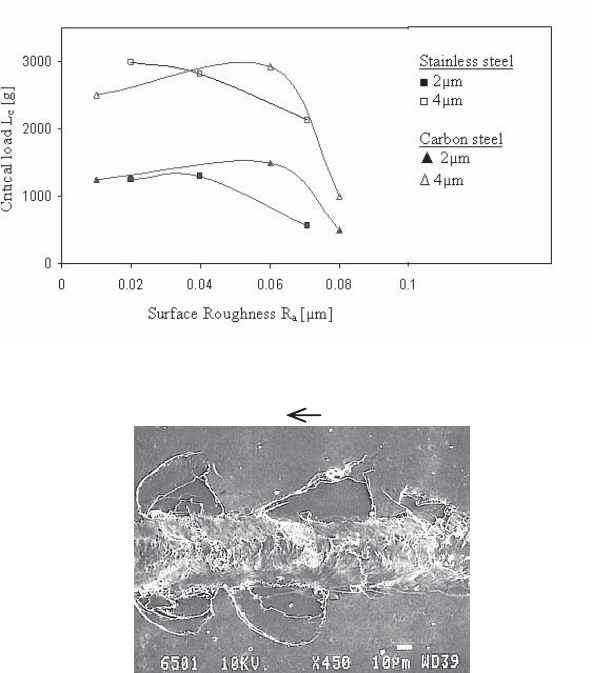
Figure 3.64 presents results from a work focused on the characterization of the
adherence of TiN films deposited onto steel substrates. It can clearly be seen that Lc
is constant or increases slightly between Ra = 0.01 and 0.05 μm, but that it decreases
significantly when the values for Ra are higher. A similar result was reported in
[STE 87] where the authors observed a significant decrease in adherence when
values for Ra are greater than 0.1 μm.
198 Materials and Surface Engineering in Tribology
In another study [WIK 01], finite element modeling was used to show that high
surface roughness generates significant stresses at the interface between the coating
and substrate, which can cause coating detachment. The predictions of the model
were verified by the qualitative analysis of many ceramic coatings (such as TiN,
TiC, CrN, diamond or TiB
2
) deposited onto steel or cemented carbides.
In [TAK 97a] the authors carried out a study of TiN films deposited onto steel
substrates of varying roughness (Ra = 0.35 μm, Ra = 0.15μm and Ra = 0.02μm) and
subjected them to scratch tests under constant loads. The analysis of these scratches
under a scanning electron microscope clearly showed that adherence decreases as a
function of the increase in roughness. Figure 3.65 shows an example of adhesive
scaling obtained in the case of TiN film deposited on a steel substrate and scratched
under an applied load of 5 N.
Figure 3.64. Variation of Lc relative to the surface roughness of TiN films deposited onto
stainless and carbon steels. L
c
drops rapidly when R
a
exceeds about 0.05 μm [BUL 90]
Figure 3.65. Damage for scratch testing of a 3 μm thick TiN coating deposited by PVD onto a
steel substrate. The applied load is 5 N and the arrow shows the sliding direction
Materials for Tribology 199
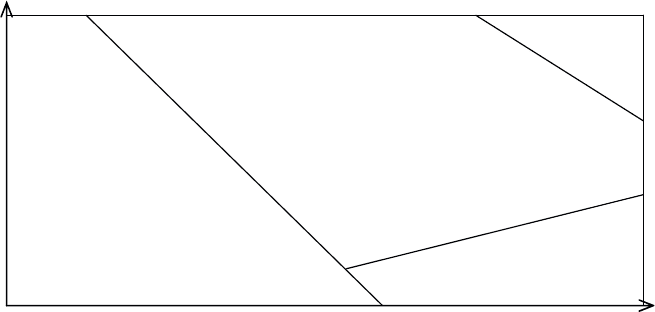
The different modes of degradation are classified as a function of the
coating/substrate hardness ratio [BUL 97, BUL 06] (see Figure 3.66). For soft
coatings (hardness < 5 GPa) deposited onto either hard or soft substrates, we see
significant plastic deformation of the coating which leads to its rupture. However,
for hard coatings (hardness > 5 GPa), two types of behavior may be observed:
– soft substrates (cohesive rupture within the coating); and
– hard substrates (lateral cracks and chipping as well as interfacial ruptures and
adhesive scaling).
Interfacial Failure
Bulk Fracture
Tough-thickness Fracture
Plastic
Deformation
Coating hardness
Substarte hardness
Figure 3.66. Schematic representation of the dominating scratch test failure modes
as a function of the coating and substrate hardness [BUL 06]
The scratch test is characterized by the ease and speed with which it can be
performed. However, the results it yields are to be considered with much caution.
Many modes of material degradation can occur, with each requiring the definition of
several corresponding critical forces.
Generally speaking, scratch tests are better suited to the characterization of
adherence in hard coatings deposited on soft substrates. In these conditions, the
scaling and rupturing of the film occur at the interface between the film and the
substrate and the critical load Lc characterizes the adherence of the coating
[BUL 06].
3.5.2.1.4.
Interfacial indentation
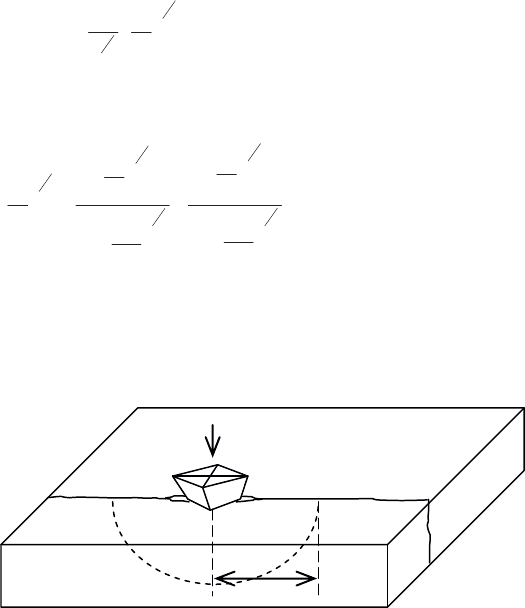
This test requires the use of a pyramidal Vickers indenter to perform an
indentation at the interface between the coating and the substrate (see Figure 3.67)
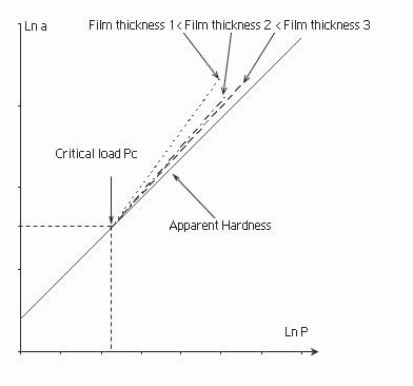
[CHI 96]. Films of varying thickness are tested under increasing loads and the radial
crack length is measured. If a logarithmic scale is used to plot the length of the crack
200 Materials and Surface Engineering in Tribology
as a function of the applied load, the points lie on a straight line. When several lines
corresponding to the different films are plotted, the intersection of these lines
corresponds to the critical load (P
c
) of the crack onset, irrespective of the coating
thickness (Figure 3.68). If a
c
is the critical length of the half-diagonal of the
indentation below which cracking does not occur, the interfacial toughness can be
expressed using the relation:
1
2
3
2
0.015
c
c
c
P
E
K
H
a
§·
¨¸
©¹
[3.56]
where
1
1
2
2
1
2
11
22
1
1
f
s
f
s
s
f
E
E
H
H
E
H
H
H
H
H
§·
§·
¨¸
¨¸
©¹
§·
©¹
¨¸
©¹
§· §·
¨¸ ¨¸
¨¸
©¹
©¹
[3.57]
where E
s
, H
s
, E
f
, and H
f
are the Young’s moduli and hardness values for the
substrate and the film, respectively.
Substrate
Coating
P
a
Figure 3.67. Schematic representation of the interfacial indentation test
Materials for Tribology 201
Figure 3.68. Variation of Ln a relative to Ln P: a is the length of the half diagonal of the
Vickers indentation and P is the applied load during the interfacial indentation test [CHI 96]
3.5.3. Residual stresses in coatings
3.5.3.1.
Origin of internal stresses
When a coating is produced at high temperatures (e.g. the thermal oxidation of
silicon or PVD or CVD deposition of coatings), residual thermal stresses can appear
in the deposited film as the materials return to ambient temperature. The stresses
arise from the difference in the coating and substrate expansion coefficients, and the
film-substrate system can deform if the substrate is sufficiently thin and ranges from
a few tens to a few hundreds of microns.
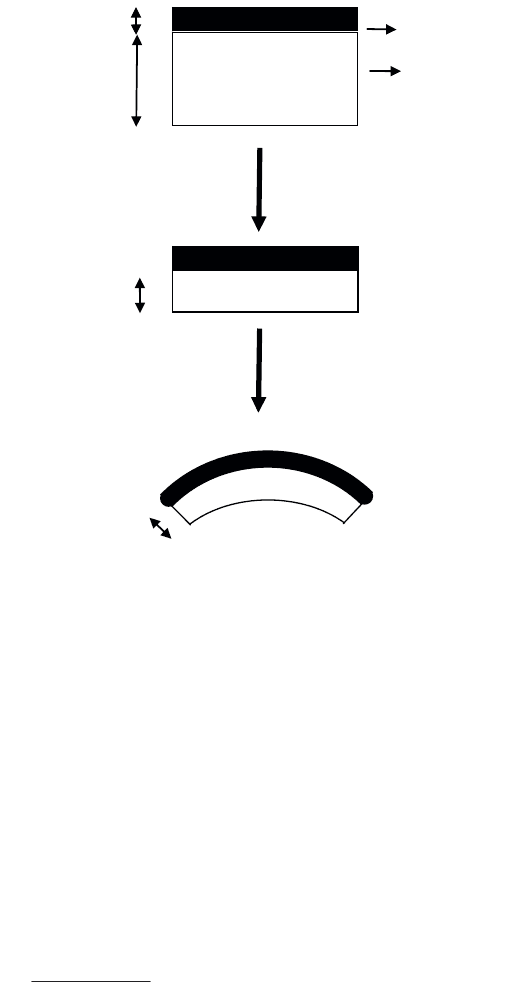
For the case of a thick substrate, it is possible to reduce its thickness using either
mechanical machining or chemical or electrochemical dissolution (Figure 3.69).
When the substrate becomes sufficiently thin, the residual stresses cause the
combined deformation of the film–substrate pair. The shape of the deformation –
convex or concave – indicates tension or compression stresses, respectively.
The two main techniques used to determine the nature of internal stresses are X-
ray diffraction and the Stoney method, based on measurements of the radius of
curvature of the coating/substrate composite.
202 Materials and Surface Engineering in Tribology
10 to 500
microns
Film
Substrate
A few
millimeters
A few microns
One millimeter
Mechanical polishing
Electrolytic thinning
Figure 3.69. Characterization of residual stresses within a coating
after thinning of the substrate
3.5.3.2.
Determining residual stresses using X-ray diffraction
This technique, which is based on the measurement of the displacement of
diffraction peaks, has been introduced in Chapter 1 (section 1.2.4.5.1).
3.5.3.3.
Determining internal stresses by radius of curvature measurements
(Stoney’s method)
When the form of the coating-substrate system develops curvature under the
effect of internal stresses, the mean stress ı in the film is calculated using [STO 09]:
2
6(1)
hE
ss
h
s
f
V
UX
[3.58]
Materials for Tribology 203
where h
s
, ȣ
s
and E
s
represent the thickness, Poisson’s coefficient and the Young’s
modulus of the substrate, respectively. The parameter h
f
is the film thickness and ȡ
is the radius of curvature.
Note that this equation is only correct when the thickness ratio (h
f
/h
s
) is about
5–10%. For thick coatings, Stoney’s equation must be modified as proposed by Roll
[ROL 76].
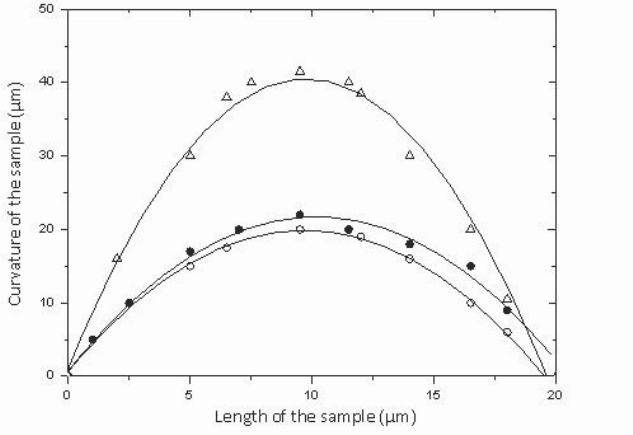
Figure 3.70 shows the shape of three steel samples coated with a 3 μm thick film
of TiN, TiCN or DLC (diamond-like carbon) deposited onto a thinned steel substrate
(prepared as shown in Figure 3.71) using the PVD technique. A dozen points were
measured using a mechanical profilometer and it was possible to determine the
quadratic equation y(x) = ax
2
+ bx + c to best fit the measured deformation. The
radius of curvature is simply given by the relation:
U = 1/y''(x) = 1/2a and the mean
stress ı is calculated using equation [3.58] [HOU 98].
Figure 3.70. Shape of coated steel substrates after thinning (--¨--) TiCN,
(--Ɣ--) TiN, (--ż--) DLC [HOU 98]
For the three coatings TiN, TiCN and DLC, the values generally published for
internal stresses are generally the compression stresses, but they can vary greatly as
a function of the experimental conditions when producing the film. There are many
factors affecting internal stresses, such as the temperature of the substrate, the bias
voltage applied to the substrate during deposition, the distance between the target

204 Materials and Surface Engineering in Tribology
material and substrate, the speed of deposition, the pressure and nature of the gases
used or the mechanical and thermal properties of the substrate. Table 3.9 lists some
values published by different authors.
Material Internal stresses (MPa) Publication Reference
– 2900 [RAM 90]
–1500 [KIN 88]
–2300 [HOU 98]
[–2100, –50000] [BUR 88]
[–200, –10000] [BUL 98]
[–500, –5000] [BUR 87c]
–4000 [KIN 01]
TiN
–3600 [HOU 98]
–50000 [EIN 95] TiCN
–3600 [HOU 98]
–1500 [WEI 82]
–2000 [BAN 03]
DLC
–2200 [HOU 98]
Table 3.9. Measured internal stresses for several ceramic coatings