
Yam, Kit L. (ed.). The Wiley encyclopedia of packaging technology
Подождите немного. Документ загружается.

application of the common atmospheric gases and the
beneficial effects conferred by specific concentrations of
various gases. Thus, the technologies, rely on gases that
are safe, common, cheap, readily available, and usually
not considered chemical additives. Different combinations
of these gases are appropriate for different foods, package
types, and situations. The proper marriage of food, gas
mixture, and package type has been the subject of most of
the developmental efforts in the area.
Vacuum packaging (VP) is a form of MAP that estab-
lishes an atmosphere by drawing a partial vacuum to
remove the ambient gases inside a gas barrier package
and then sealing the package with the purpose of exclud-
ing atmospheric gases, principally O
2
. A complete vacuum
is never established under practical conditions but the
exclusion of gases is the aim.
MAP/VP are employed to delay deterioration of foods
that are not sterile and whose enzymatic systems may still
be operative. Thus, these techniques differ from tradi-
tional methods of food preservation, such as cooking,
canning, drying, salting, or freezing, but rather are meth-
ods to maintain foods in a ‘‘natural’’ condition while
slowing specific deterioration processes. Rigorous tem-
perature control is often necessary for the packages to
work properly. For this reason, the capabilities of the
distribution system or ‘‘cold chain management’’ define
the degree to which MAP can be used. These packaging
technologies have fit very well into the vertically inte-
grated, geographically restricted distribution systems in
Western Europe. Although they have been more difficult
to implement in the more fragmented and longer distance
distribution systems of North America, they are now used
commonly in all types of food packaging.
GASES USED IN MAP
Oxygen (O
2
)
Most of the reactions with food constituents involving
oxygen are degradation reactions resulting in the oxida-
tive breakdown of foods into their constitutive parts.
Oxygen combines readily with fats and oils and causes
rancidity. In addition, most spoilage microorganisms re-
quire O
2
to grow and will cause off odors in the presence
of sufficient oxygen. Oxygen is necessary to the normal
respiratory metabolism of fresh fruits and vegetables, and
normal atmospheric concentrations of O
2
contribute to
senescence and degradation of produce quality. Oxygen is
implicated in staling of bakery goods and pasta. It oxidizes
the pigments of red meats to an undesirable brown color.
In the absence of O
2
, meats will take on a purplish color
that some consumers find objectionable.
Oxygen permeates through plastic polymers at rates
depending on the polymer, but it generally permeates
more slowly than carbon dioxide. The permeability rate
of oxygen (and all gases) in plastics increases as tempera-
ture increases. Similarly, the chemical reactivity of oxygen
with food constituents increases as temperature increases.
Carbon Dioxide (CO
2
)
Carbon dioxide is present in the atmosphere at low
levels (B0.03%) but is a product of combustion and so is
easily produced. It is very soluble in water, especially in
cold water (179.7 cm
3
/100 mL at 01C), and will thus be
readily absorbed by high-moisture, refrigerated foods.
Carbon dioxide is soluble in fats and oils, as well as
in water, and this solubility can lead to package collapse,
off flavors, excess purge by muscle foods, and discolora-
tion of fresh produce. Carbon dioxide permeates most
packaging materials more rapidly than other atmospheric
gases.
When CO
2
dissolves in water, it has an acidifying effect.
This acidification, as well as direct antimicrobial effects of
CO
2
W10–15%, can suppress the growth of many spoilage
microorganisms and for this reason it is an important
component of MAP.
Carbon dioxide also suppresses the respiration of some
fresh fruits and vegetables and thus can help extend their
shelf lives. In addition, CO
2
, concentrations above about
1% can render many plant tissues insensitive to the
ripening hormone ethylene and thus slow their senescence
and deterioration. However, too much CO
2
can be dama-
ging to plant tissues and individual fruits and vegetables
differ in their tolerance of CO
2
.
Nitrogen (N
2
)
Nitrogen is the most abundant component in air (B78%)
and can be used in either gaseous or liquid form. It is
physiologically inert in its gaseous and liquid forms and is
used in packaging primarily as a filler and to exclude
other more reactive gases. It is sparingly soluble in water
(2.33 cm
3
/100 mL at 01C).
Carbon Monoxide (CO)
Carbon monoxide is a colorless, odorless, tasteless, very
toxic gas that is effective as a browning and microbial
inhibitor. In concentrations as low as 1%, CO will inhibit
the growth of many bacteria, yeasts, and molds. It can also
delay oxidative browning of fruits and vegetables when
combined with low O
2
concentrations (2–5%) and has
found limited use commercially for this purpose. By add-
ing minute amounts of CO to red meat packages, products
such as ground beef can maintain their natural appear-
ance throughout their shelf life, since CO reacts with the
meat pigment myoglobin to create carboxymyoglobin, a
bright red pigment that masks the natural aging and
spoilage of meats. However, the benefits and risks of using
CO in MAP remain controversial, and due to the toxicity of
the gas and its explosive nature at 12.5–74.2% in air, it
must be handled using special precautions.
Sulfur Dioxide (SO
2
)
Sulfur dioxide has been used to control growth of mold and
bacteria on a number of soft fruits, particularly grapes and
dried fruits. It has also found use in the control of
788 MODIFIED ATMOSPHERE PACKAGING

microbial growth in fruit juices, wines, shrimp, pickles,
and some sausages. Sulfur dioxide is very chemically
reactive in aqueous solution and forms sulfite compounds,
which are inhibitory to bacteria in acid conditions (pH
o4). However, a significant minority of people display
hypersensitivity to sulfite compounds in foods and the use
of sulfites has come under public and regulatory scrutiny
in recent years.
Ethanol (EtOH)
Ethanol has antifungal activity and has been used with
some baked goods in Japan to reduce microbial spoilage.
In addition, research results have shown ethanol to
enhance firmness of tomatoes and may act as a flavor
enhancer for other fruits.
Argon (Ar)
Argon, a noble gas, is not known to have any chemical or
biological activity. Nevertheless, reports from one com-
pany suggest that it may have antimicrobial effects. Argon
comprises 0.9% of the atmosphere and so is relatively
abundant.
PACKAGING MATERIALS
Most MAPs rely on flexible monolayer, multiplayer, and
multilayer laminate films and/or composite trays to main-
tain product and atmosphere integrity. Polymer-paper and
polymer-foil laminations, as well as metal cans and glass
jars, are also used in such packaging. Many types of
polymers and composite materials are available for these
uses, and more are appearing every day. Polymers prob-
ably comprise upwards of 90% of the materials used in
MAP, with paper, paperboard, aluminum foil, metal, and
glass accounting for the remainder. However, for each
product category, relatively few kinds of materials are
used. The selection of materials depends on technical
considerations of performance, strength, sealability, print-
ability, and recyclability as well as aesthetic, safety, and
cost considerations.
The most commonly used polymers are polyethylene
(PE), polypropylene (PP), polyester, polycarbonate, poly-
styrene (PS), nylon, ethylene–vinyl alcohol (EVOH), poly-
vinylidene chloride (PVDC), ethylene vinyl acetate (EVA),
cellophane, rubber, and butadiene. In addition, sealant
layers of ionomer or other polymer materials are some-
times used.
Barrier Properties
The function of many MAP systems is to exclude O
2
and
moisture from the packaged food and thereby retard
oxidative rancidity (baked goods, Sous Vide, nuts, and
pasta), retard growth of spoilage microorganisms (meats,
pasta, baked goods), maintain crispness (baked goods and
snack foods), and maintain proper color (red meat). In
other packages, the aim is to prevent egress of CO
2
to
retard growth of microorganisms (meat, baked goods and
pasta). These packages require the use of gas barrier
materials that allow very litle permeation of gases.
MAP for fresh produce, on the other hand, must allow
entry of a controlled amount of atmospheric O
2
to main-
tain the aerobic metabolism of the product. In addition,
controlled amounts of CO
2
must also exit the package to
avoid buildup of injurious levels of the gas. These
packages rely on the use of polymer films with either
relatively high gas permeability characteristics or micro-
perforations.
The barrier of a polymeric film to a gas is inversely
proportional to the permeability of the film (i.e., the higher
barrier, the lower permeability). Gas permeation involves
three sequential steps: adsoprtion of the gas molecules
onto one side of the film, diffusion of the gas molecules
across the film, and desorption of the gas molecules from
the other side of the film (1). The first and third step,
adsorption and desorption, may be described as Henry’s
Law:
c
s
¼ Sp
where c
s
is gas concentration at the film surface (moles/cc),
p (atm) is partial pressure of the gas, and S is solubility
coefficient (moles/cc/atm). The second step, diffusion, may
be described the Fick’s First Law:
J ¼D
dc
dx
where J (moles/cm
2
/s) is diffusion flux, D (cm
2
/s) is diffu-
sivity or diffusion coefficient, c (moles/cc) is gas concentra-
tion, and x (cm) is distance in the flow direction.
Sometimes, small holes or microperforations are incor-
porated in the film structure, which have the effects of
increasing the values of permeabilities and decreasing the
permeability ratio of CO
2
to O
2
.
When calculating the permeability of a multilayer
polymer laminate, the following equations may be em-
ployed (1, 2):
L
T
P
T
¼
L
1
P
1
þ
L
2
P
3
þ
L
3
P
3
þ
where P is the permeability, L is the film thickness, the
subscript T refers to the total film, and the subscripts 1, 2,
3 refer to the individual layers in the film.
Gas barrier properties of plastic films are sensitive to
temperature and, in a few cases such as for EVOH or
nylon, relative humidity. As most film permeability testing
occurs at room temperature and low relative humidity, it
is often difficult to predict barrier performance under the
high humidity refrigerated conditions typical of extended
shelf life fresh foods. As a rule, both WVTR and gas
transmission rates increase with increasing temperature
(see also Barrier Polymers).
MODIFIED ATMOSPHERE PACKAGING 789
ACTIVE PACKAGING
Besides gas flushing, gas injection, and wrapping in
packages that mediate or obstruct gas movement, there
are a growing number of supplementary materials that
can be added to MAPs or used with those packages to
further alter and control the package environment. These
include absorbers, emitters, scavengers, scrubbers, and
desiccants that, when added to a package, alter the
package structure, function, or properties. Their purpose
is to extend product shelf life, usually through the control
of atmospheric gases and moisture, without the use of
‘‘preservatives.’’ These materials are diverse and their
claims in the marketplace may sometimes outpace their
capabilities. But there is no question that this is a rapidly
growing area of packaging that is likely to move into the
mainstream of food packaging in the near future (3).
Oxygen Absorbers
For packaging applications that involve oxygen-sensitive
products, gas flushing with nitrogen or carbon dioxide
often is insufficient to remove residual oxygen. Because
low concentrations of oxygen can participate in the de-
gradation of fatty foods, accelerate staling of baked goods,
and facilitate other forms of deterioration, the use of
oxygen absorbers as an adjunct to gas flushing has become
an important methodology. Most commercially available
O
2
absorbers use metallic reducing agents such as pow-
dered iron oxide, ferrous carbonate, or metallic platinum.
Iron powder is the most common active ingredient. These
products often utilize powdered FeO, which becomes
Fe
2
O
3
and Fe
3
O
4
and their hydroxide forms after absorp-
tion of O
2
. The lower the temperature, the lower the O
2
absorption speed (4, 5).
Reduced iron is listed as GRAS (generally regarded as
safe by the FDA) with no limitations on its use other than
good manufacturing practices. It should be pointed out
that the use of O
2
scavengers reduces O
2
to levels that
may be conducive to the growth and toxigenesis of certain
anaerobic pathogens, notably Clostridium botulinum, and
thus should be used with great care with nonsterile fresh
foods.
Carbon Dioxide Absorbers
Some of the absorbents that are currently being used to
remove excess CO
2
from CA storage rooms could be adapted
for their utilization in MAP. They include lime (calcium
hydroxide [Ca(OH)
2
] + sodium hydroxide or potassium hy-
droxide), activated charcoal, and magnesium oxide (5).
Moisture Regulators
The stability and shelf life of many food products depends,
in part, on the maintenance of an appropriate water
activity inside the package. Inappropriate moisture levels
can lead to shortened shelf life, reduced quality, and, in
the worst case, unwanted microbiological activity. While
many films are available that will provide an excellent
moisture barrier to prevent the ingress or egress of
unwanted moisture, often the food product itself can
contribute unwanted humidity within a package. Several
products are available that will aid in the regulation of
proper moisture within the package. Most rely on physical
absorption of moisture, though a few rely on actual
chemical bonding to the water molecules. The most com-
mon desiccants currently used are based on silica gel,
montmorillonite clay, calcium oxide, activated carbon, or
glycerol. Of these, silica gel is the most common.
Silica gel is a partially dehydrated colloid of silicic
acid. Its structure is such that it forms interconnected
micropores that form a vast surface area that can
attract and hold water through adsorption and capillary
condensation. Silica gel is most efficient at temperatures
below 251C where it can adsorb up to 40% of its weight in
water. Its efficiency falls off at higher temperatures. Silica
gel is nontoxic and noncorrosive. Montmorillonite clay is
less efficient at moisture adsorption than silica gel and
also slower.
Alternatively, saturated salt solutions can be employed
to maintain a desired equilibrium relative humidity
within the package. Individual salts, if present in suffi-
cient quantities, will maintain a characteristic relative
humidity (RH) at a given temperature. For example, NaCl,
at 5 1C, will maintain a RH of 75%. For a higher equili-
brium RH, K
2
SO
4
,at51C, will maintain an RH of 98.5%
(6, 7). Selection of the proper salt can result in almost any
desired RH.
Absorbers/emitters of Ethylene and Other Volatiles
Because ethylene gas is a plant hormone with powerful
physiological effects at very low concentrations, it is
sometimes removed from the environment of sensitive
commodities. Ethylene gas (C
2
H
4
), in part per million
concentrations, can induce rapid ripening and senescence
in many fruits, yellowing of leafy vegetables, and physio-
logical injury of selected produce items. Potassium per-
manganate has long been used to remove ethylene from
controlled atmosphere apple storage rooms. The same
compound, adsorbed on various inert substrates, is avail-
able commercially in sachets, on pads, or in granular form.
Many other compounds have ethylene adsorbing capacity,
including various hydrocarbons, silicones, glycols, and clay
materials (8).
In addition, many other volatile compounds can be
responsible for off-odors in foods but can be reduced
through the use of absorbers. Potassium permanganate
and activated charcoal are the most important and can
absorb many volatile gases other than ethylene.
Active Films
While the above methods of active package modifica-
tion have their virtues, they all suffer because they
have to be utilized in addition to the packaging itself.
As such, they represent an added expense and, in some
cases, the addition of a potentially hazardous material.
A number of innovative approaches to avoiding these
problems have emerged in the past few years. There are
now several plastic films that incorporate some of the
functions described above into the film itself. Thus, the
790 MODIFIED ATMOSPHERE PACKAGING
package itself may absorb O
2
, ethylene or CO
2
, or control
decay (3).
There are several new films, mostly from Japan, that
are reputed to have ethylene-adsorbing capabilities to
improve the shelf life and freshness of fruits and vegeta-
bles. These films are typically made of common plastic
polymers (usually low-density polyethylene) with one or
several clay materials (zeolites, cristobilites, etc.) em-
bedded in the film matrix. These ceramic materials have
putative ethylene-adsorbing capacity. However, investiga-
tors have found little ethylene adsorbing capacity by
porous ceramic materials (8, 9). Urushizaki (10) tested
one such ceramic material and detected adsorption of less
than 1 mL/g of ceramic material after exposure to 500 ppm
of ethylene. Such adsorptive capacity is insufficient to
be of benefit in a modified atmosphere package of fresh
produce.
Some films containing ceramic materials are claimed to
aid in the preservation of produce through the emission of
farinfrared radiation. Such radiation normally is effective
mainly in heating an absorbing body, in this case the fresh
produce. This is antithetical to the usual aim in preserving
produce. The reputed beneficial effect is that the infrared
radiation excites the plant cell membranes, thereby ren-
dering the cells more resistant to microbial invasion.
Such claims are as yet unsubstantiated in the scientific
literature.
Films that will pass ultraviolet radiation have been
suggested for reduction of ethylene and for control of
microorganisms. Ultraviolet radiation reacts with oxygen
to form ozone which scavenges ethylene and also kills
microorganisms. Unfortunately, ozone is also very dama-
ging to most plant tissues. In addition, the reaction may
not be very efficient in low oxygen environments such as
those found inside MAP.
A promising approach to reduction of oxygen content
inside a package is based on imbedding in the plastic film
a photo-sensitizing dye and an electron-rich oxidizable
compound termed a singlet oxygen acceptor. When irra-
diated with ultraviolet, visible, or near-infrared radiation
of appropriate wavelengths, the excited dye molecules
sensitize oxygen molecules by converting them to the
singlet state. Such oxygen molecules then more readily
react with oxygen acceptor molecules that are also em-
bedded in the film (11).
Other workers are making progress in incorporating
antimicrobial agents into plastic films so that the package
itself controls bacteria and fungi. Technical hurdles sur-
rounding a percentage of products in contact with the
packaging material exist. In addition , the incorporation of
pesticides in films may meet resistance in the current
regulatory climate.
Temperature Switch
Temperture switch polymers, which are relatively new
technologies, are unique polymers that respond to tem-
perature changes in a controllableand very predictable
way. Temperature switch polymers can significantly
change their permeability, adhesion, viscosity, or volume
when heated or cooled by just a few degrees above or below
a preset temperature switch (12). Temperature switch
polymers can be very advantageous in packaging applica-
tions when significant temperature variations occur
within the distribution channel.
MAP OF RED MEAT
Deterioration of Fresh Meat
Fresh meat undergoes both oxidative color deterioration
and microbiological deterioration. The color of red meat is
determined by the oxidation state of the pigment myoglo-
bin. The reduced form, deoxymyoglobin, is a purple color.
Oxygenated oxymyoglobin is a bright red color associated
with freshness in the minds of many consumers. Atmo-
spheric O
2
slowly converts myoglobin to the dull brown
metmyoglobin that many consumers associate with
poor quality. Deoxymyoglobin is more susceptible to oxida-
tion than oxymyoglobin, so metmyoglobin forms more
readily at low O
2
concentrations than at higher concen-
trations (13).
Fresh meat is contaminated on the surface with spoi-
lage bacteria from the slaughtering process. The presence
of O
2
encourages the growth of aerobic spoilage bacteria,
particularly species of Pseudomonas, which will produce
putrid, malodorous compounds.
Vacuum Packaging
The exclusion of atmospheric O
2
prevents the oxidation of
myoglobin to metmyoglobin as well as suppressing the
growth of malodorous Pseudomonas bacteria. The delay of
these two primary forms of deterioration through packa-
ging can significantly extend shelf life of fresh red meat.
Vacuum packaging has been applied to 2–9 kg primal
and subprimal cuts of meat for distribution to stores.
Appropriate films for such packaging must have good
gas barrier properties, generally admitting o50 cc O
2
/m
2
/
24 h/atm (13). In addition, they must resist puncturing by
protruding bone and must be flexible enough to form a
tight ‘‘skin’’ over the meat and prevent pockets of air from
forming where aerobic deterioration could rapidly occur.
Films made of polyamide–polyethylene laminates and
EVA copolymer–PVC/PVDC copolymer laminates, as well
as ionomer–polyamide–EVA copolymer, among others,
have been used for this purpose (17).
When vacuum-packaged meats reach the store, they
are unpacked, cut into appropriate consumer units, and
placed in polystyrene foam trays of PVC trays and
overwrapped with O
2
permeable films. The ingress of
O
2
causes the deoxymyoglobin to ‘‘bloom’’ into red
oxymyoglobin.
Vacuum packages for meat are formed in four basic
ways: (i) through heat-shrinking a flexible bag around the
primal cuts, (ii) Using a preformed plastic bag in an
evacuation chamber, (iii) Thermoforming trays in-line
from a base web, or (iv) Vacuum skin packaging in which
the product acts as the forming mold. Vacuum-packaged
beef of normal pH and kept at chill temperature can be
stored for 10–12 weeks. Lamb, because it tends to have
MODIFIED ATMOSPHERE PACKAGING 791
more neutral pH exterior adipose tissue than beef, will
keep 6–8 weeks in vacuum packages (14).
Case Ready Meats
A further evolution of vacumm-packaged meats are case-
ready meats. Case-ready meats are packaged at plants
and delivered to retailers ready to be placed in the retail
case. Case-ready meats employ a combination of MAP
technologies including vacuum packaging as well as low
and high O
2
MAP (15). Examples of growing case-ready
meats include poultry, beef, veal, pork, and ground meat
products.
High O
2
MAP
High O
2
MAP employs 40–80% O
2
to extend color stability
as well as 20–30% CO
2
to delay microbial spoilage. How-
ever, the presence of O
2
can lead to off odors and rancidity
and so high O
2
MAP has not been suitable for prolonged
storage of red meat.
Low O
2
MAP
Combinations of low O
2
and high CO
2
have been achieved
through gas-flushing packages with N
2
and CO
2
.
The absence O
2
retards formation of brown metmyo-
globin and the CO
2
suppresses growth of spoilage bac-
teria. However, because CO
2
is very soluble in both water
and fat, excess CO
2
must be added to the package to
allow for the solubility. Package collapse can result unless
N
2
in the headspace of the package significantly exceeds
the amount of CO
2
that solubilizes. Such packages
have resulted in shelf lives of 3–4 months for pork and
lamb.
MAP OF POULTRY
Poultry is usually contaminated with a large bacterial
population that consists primarily of spoilage bacteria.
Poultry is high pH compared to red meat and so provides a
good environment for growth of these bacteria. Vacuum
packages are difficult to form around poultry because of
the irregular shape and sharp edges commonly encoun-
tered. Consequently, shelf life in vacuum packages is
usually short, limited to about 2 weeks before putrid odors
develop.
Low O
2
combined with high CO
2
has been extensively
used with bulk packaged poultry. Oxygen is removed by
drawing a vacuum and CO
2
and N
2
are introduced.
Despite the presence of some residual O
2
, shelf lives of
2–3 weeks can be achieved (13). Case-ready MAP is also
expanding in poultry, including chicken, turkey, and duck.
MAP OF FRESH FISH
Fish encompasses a great diversity of species and habi-
tats. In general, fish differ from terrestrial foods in that
the interior of their muscles are not sterile, they undergo
rapid enzymatic breakdown of their proteins even in low
O
2
environments, and they are often not raised in
controlled environments. Fish are only as clean as the
water they were taken from. Thus, fish can be carriers or
several pathogens such as Clostridium botulinum non-
proteolytic types E and B, Vibrio parahaemolyticus, Lis-
teria monocytogenes, and others (16).
Fish rapidly spoil due to the activity of gram-negative
spoilage bacteria and they undergo enzymatic breakdown.
Vacuum and MAP employing high CO
2
have been used to
extend the normally limited shelf lives of various kinds of
fish. Gas mixtures of 30% O
2
, 40% CO
2
and 30% N
2
have
been used for nonfatty fish, while 40% CO
2
and 60% N
2
have been used for smoked and fatty fish, (17).
The use of MAP and vacuum packaging are not capable
of preventing growth and toxin production by C. botulinum
(18). Maintaining the temperature below 31C throughout
distribution is the only barrier to the growth of this
pathogen. While commercially packaged raw fish have
not been implicated in food poisoning incidents, MAP of
fresh fish should only be undertaken with extreme caution.
MAP OF BAKERY AND PASTA PRODUCTS
Pasta and baked goods are subject to moisture loss,
oxidative rancidity, and microbiological breakdown, pri-
marily due to growth of molds. MAP has been used
extensively in Europe and, less so, in the United States
to prevent deterioration and extend shelf life. Vacuum
packaging has been used for some baked goods to remove
headspace O
2
and inhibit oxidative rancidity and growth
of aerobic spoilage microbes. Packaging in a combination
of N
2
and CO
2
has been used more commonly to replace O
2
and suppress growth of bacteria and molds due to the
presence of the CO
2
. Oxygen absorbers, CO
2
generators,
and ethanol emitters have been used to extend the shelf
life of baked goods in Japan and other parts of Asia (19).
Because the exclusion of O
2
is so crucial to MAP of
pasta and baked goods, packaging materials must provide
a good barrier to O
2
. Rigid trays with nylon/LDPE or PVC/
PVDC lidstocks have been used. Alternatively, laminated
films made from nylon/polyethylene, nylon/PVDC/PE, or
nylon/EVOH/PE have also been used. All maintain a
reasonable moisture vapor as well as an O
2
barrier.
Baked goods have been packaged in atmospheres of 50–
100% CO
2
plus 0–50% N
2
, which can result in shelf lives
up to several months for some products. Fresh pasta will
stay fresh in MAP up to 2 weeks if not pasteurized or, in
some cases, 3 months if pasteurized (20).
MAP OF PREPARED FOODS
Chilled, prepared foods are perhaps the fastest growing
area of all food categories, and many of these foods are
being shipped and marketed in MAP. As with all MAP
applications, use of top-quality ingredients, strict adher-
ence to temperature control, and careful sanitation are
prerequisites to entering this market. The most rapidly
growing areas of this sector include such prepared foods
as pasta, pizza, precooked meats, sandwiches, precooked
French fries, and complete prepared dishes such as ‘‘Sous
Vide.’’
792 MODIFIED ATMOSPHERE PACKAGING

Most chilled, prepared foods are packaged in combina-
tions of N
2
and CO
2
with little or no O
2
in the package.
Such atmospheres confer several benefits including reduc-
tions of oxidative rancidity, lack of growth of aerobic
spoilage microorganisms, suppression of growth of molds
by CO
2
, little moisture loss through the film package, and
reduced oxidative breakdown of flavor and aroma
volatiles.
The packages for these products are generally high-
barrier polymer coextrusions or laminations. Packaging
formats can include bags, top- and bottom-forming and
nonforming webs, stand-up pouches, or multilayer lidding
materials sealed onto rigid trays. Most packaging is run
on form/fill/seal machines using with either PVC or EVOH
polymers to provide the barrier properties.
Sous Vide involves vacuum packaging of foods, usually
in multilayer polymer pouches, cooking the vacuum pack-
aged product in a water bath, moist steam or pressure
cooker, cooling rapidly in cold water, and then storing
under refrigeration. These products will have a shelf life
of 2–3 weeks under refrigeration. Cooking under vacuum
protects the flavors from oxidative breakdown as well
as preventing the growth of aerobic spoilage microorgan-
isms (21).
While the food is not sterile, it will have low microbe
counts and refrigeration should prevent growth of those
few microbes that survived the cooking process. Because
the cooking process will not kill spore-forming bacterial
pathogens, the inclusion of barriers to pathogen growth,
such as low pH, reduced water activity, or the introduction
of lactic acid bacteria, in addition to refrigeration, has
been suggested. Sous Vide was developed in France and
has found widespread acceptance there. Acceptance has
been slower in the United States but continues to grow,
particularly in the food service sector.
MAP OF FRESH FRUITS AND VEGETABLES
The primary effects of MAP of fruits and vegetables
are based on the often observed slowing of plant respira-
tion in low O
2
environments. Reduced respiration leads
to reduced depletion of carbohydrate reserves, slower
ripening of fruits, and longer shelf life. This suppres-
sion of respiration continues until O
2
reaches about
2–4% for most produce. If O
2
gets lower than 2–4%
(depending on product and temperature), then fermenta-
tive metabolism can replace normal aerobic metabolism
and off flavors, off odors, and undesirable volatiles can be
produced. Low O
2
can also reduce enzymatic browning of
injured plant tissues. As CO
2
increases above the 0.03%
found in air, a suppression of respiration results for some
commodities. Reduced O
2
and elevated CO
2
together can
reduce respiration more than either alone. In addition,
elevated CO
2
suppresses plant tissue sensitivity to the
effects of the ripening hormone ethylene. For those pro-
ducts that tolerate high concentrations of CO
2
, suppres-
sion of the growth of many bacteria and fungi results at
W10% CO
2
(22).
Although package O
2
permeability increases somewhat
as temperature increases, product respiration (demand for
O
2
) increases much faster. Thus, O
2
will rapidly be
depleted if package temperature increases. Because pack-
age performance can only be specified within a particular
temperature range, it is important that packages be used
within that range. If the temperature gets outside of that
range, product quality will suffer (7).
The rapid growth of the fresh-cut produce industry,
including retail salads, vegetables, and fruits as well as
many fruits and vegetables produced for food service, has
been possible largely due to the improved quality and shelf
life of cut produce in MAP. Products are packaged in a
wide variety of modified atmosphere packaging including
laminated and/or coextruded copolymers of polyolefins
such as LDPE, EVA, PS, and PP. Packaging formats
include bags, stand-up pouches, lidded trays, and micro-
waveable trays. The choice of the correct polymer or
combination of polymers is often determined by matching
the strengths of particular polymers with the require-
ments of the packaging system, while at the same time
minimizing or masking particular polymer disadvantages
(2). Package atmospheres can be created passively by
sealing the bag and allowing the product respiration to
decrease the O
2
concentration and increase the CO
2
concentration until equilibrium is reached. Alternatively,
the atmosphere can be initially rapidly modified by redu-
cing the package headspace by drawing a vacuum and,
sometimes, by injecting a desirable gas mixture into the
bag. In any case, the equilibrium package atmosphere is
determined by the respiration rate of the product or
product blend, the final target modified atmosphere, and
the gas permeability properties of the package, not by the
initial atmosphere in the bag. Once all of the parameters
have been defined, mathematical models can be used to
determine appropriate film breathability characteristics
that will deliver a beneficial atmosphere at the anticipated
processing, storage, and distribution temperatures.
An effective mathematical model to estimate appro-
priate film breathablity for a desired atmosphere is as
follows (23):
WR
O
2
¼
AP
O
2
L
ðO
2;air
O
2; pkg
Þ
WR
CO
2
¼
AP
CO
2
L
ðCO
2; pkg
CO
2; air
Þ
where
R
O
2
¼ respiration rate (O
2
consumption rate of
product)
R
CO
2
¼ respiration rate (CO
2
evolution rate of
product)
W = product weight
L = film thickness
A= film surface area
P
O
2
¼ permeability to O
2
P
CO
2
¼ permeability to CO
2
O
2, pkg
= desired O
2
concentration in package
O
2, air
=O
2
concentration in air (typically 21%)
CO
2, pkg
= desired CO
2
concentration in package
CO
2, air
=CO
2
concentration in air (typically 0.03%)
MODIFIED ATMOSPHERE PACKAGING 793
BIBLIOGRAPHY
1. D. S. Lee, K. L. Yam, and L. Piergiovanni, Food Packaging
and Technology, CRC Press, New York, 2008, Chapter 4.
2. J. R. Gorny and J. Brandenburg, Packaging Design for Fresh-
Cut Produce IFPA, 2003.
3. M. L. Rooney, ‘‘Active Packaging in Polymer Films’’ in M. L.
Rooney, ed., Active Food Packaging, Blackie Academic &
Professional, 1995, pp. 74–110.
4. J. P. Smith, J. Hosohino, and Y. Abe, ‘‘Interactive Packaging
Involving Sachet Technology’’ in Ref. 1, pp. 143–173.
5. J. P. Smith, Y. Abe, and J. Hoshino, ‘‘Modified Atmosphere
Packaging—Present and Future Uses of Gas Absorbents
and Generators’’ in J. M. Farber and K. L. Dodds, eds.,
Principles of Modified-Atmosphere and Sous Vide Product
Packaging, Technomic Publishing Co., Lancaster, PA, 1995,
pp. 287–323.
6. P. W. Winston and D. H. Bates, ‘‘Saturated Solutions for the
Control of Humidity in Biological Research,’’ Ecology 41(1),
232–237 (1960).
7. D. Zagory, ‘‘Principles and Practice of Modified and Atmo-
sphere Packaging of Horticultural Commoditie,’’ in Ref. 3, pp.
175–206.
8. D. Zagory, ‘‘Ethylene-Removing Packaging’’ in Ref. 1, pp. 38–
54.
9. D. Faubion and A. A. Kader, Evaluation of Two New Products
with Claimed Ethylene Removal Capacity,’’ Perishables
Handling 86, 27–28 (1996).
10. S. Urushizaki, ‘‘Development of Ethylene Absorbable
Film and Its Application to Vegetable and Fruit Packaging,’’
Autumn Meeting of Japan Society for Horticultural,
Science Symposium: Postharvest Ethylene and Quality
of Horticultural Crops, University of Kyushu, October 8,
1987.
11. M. L. Rooney, R. V. Holland, and A. J. Shorter, ‘‘Removal of
Headspace Oxygen by a Singlet Oxygen Reaction In A Poly-
mer Film,’’ J. Sci. Food Agric., 32, 265–272 (1981).
12. Landec Corporation. Web information. Available at http://
www.landec.com/technology.html., Accessed August 2007.
13. C. O. Gill, ‘‘MAP and CAP of Fresh, Red Meats, Poultry and
Offals,’’ in Ref. 3, pp. 105–136.
14. A. L. Brody, ‘‘Modified Atmosphere/vacuum Packaging of
Meat’’ in A. L. Brody, ed., Controlled/Modified Atmosphere/
Vacuum Packaging of Foods, Food & Nutrition Press, 1989,
pp. 17–37.
15. AMI. Webinformation. Available at http://www.meatami.com/
Content/PressCenter/factsheets/casereadymeatsmap.pdf. Ac-
cessed August, 2007.
16. D. M. Gibson and H. K. Davis, ‘‘Fish and Shellfish Products in
Sous Vide and Modified Atmosphere Packs’’ in Ref. 3, pp. 153–
174.
17. G. Robertson, Food Packaging, Principles and Practice, Mar-
cel Dekker, New York, 1993.
18. L. S. Post, D. A. Lee, M. Solberg, D. Furgang, J. Specchio, and
C. Graham, ‘‘Development of Botulinum Toxin and Sensory
Deterioration during Storage of vacuum and Modified Atmo-
sphere Packaged Fish Fillets,’’ J. Food Sci. 50, 990–996
(1985).
19. J. P. Smith and B. K. Simpson, ‘‘Modified Atmosphere Packa-
ging of Bakery and Pasta Products’’ in Ref. 3, pp. 207–242.
20. F. Castelvetri, Proceedings of the Fourth International Con-
ference on Controlled/Modified/Vacuum Packaging, Decem-
ber 2–6, 1988. Glen Cove, New York, 1989 pp. 43–62.
21. T. Martens, ‘‘Current status of Sous Vide in Europe’’ in Ref. 3,
pp. 37–68.
22. A. A. Kader, D. Zagory, and E. L. Kerbel, ‘‘Modified Atmo-
sphere Packaging of Fruits and Vegetables,’’ CRC Critical
Rev. Food Sci. Nut. 28(1), 1–30 (1988).
23. K. L. Yam and D. S. Lee, ‘‘Design of Modified Atmosphere
Packaging for Fresh Produce’’ in M. L. Rooney, ed., Active
Food Packaging, Blackie Academic & Professional, 1995 pp.
55–73.
MODIFIED ATMOSPHERE PACKAGING
MARKET, EUROPE
EMMA HANBY
LYNNERIC POTTER
Campden and Chorleywood
Food Research Association,
Chipping Campden,
Gloucestershire, United
Kingdom
INTRODUCTION AND MAP MARKET INFORMATION
In the last few decades there has been a dramatic growth
in the chilled foods market in Europe. This growth has
been stimulated by an increasing consumer demand for
fresh, convenient, and additive-free foods. This consumer
demand has stimulated the growth of modified-atmo-
sphere packaging (MAP) as a technique to improve pro-
duct image, reduce wastage, and extend the shelf-life
quality of a wide range of foods. Also the added benefits
of improved transportation and distribution chains and
longer product shelf life have enabled widespread use of
modified atmosphere packaging.
The prepared chilled foods market in Western Europe
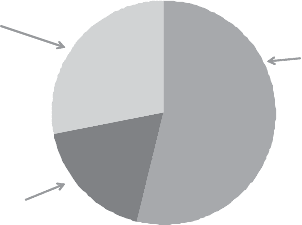
is worth approximately 14.62 billion euros. The United
Kingdom leads the way, with 54% of the chilled food
market, equating to nearly 8 billion euros, followed by
France with 18%. Other countries with increasing sales of
chilled prepared foods include Germany, Italy, Spain,
Belgium, and the Netherlands (1). Figure 1 illustrates
the segmentation of the chilled food market. Proportion-
ally more retail area is being devoted to chilled foods at the
expense of frozen and ambient-stable foods. The main
54%
18%
28%
United Kingdom
Other
France
Figure 1. Segmentation of the chilled food market, Europe.
794 MODIFIED ATMOSPHERE PACKAGING MARKET, EUROPE
reason for this development is that the concentration of
retail power in the United Kingdom is the highest in the
world, led by Sainsbury, Tesco, Morrisons, Asda, Waitrose,
and Marks & Spencer. Their operations are increasingly
being focused on centralized distribution and a quality
image that they feel is enhanced by an expanding chilled-
foods sector (2).
As MAP grows in popularity across Europe, some of the
more established MAP areas such as raw red meats, will
see their growth rates slow down. Centralized packing of
these types of products will become more common rather
than retailers cutting and packing the product in the back
of the store. MAP can allow a wider area for distribution
across Europe, thereby reducing costs, but packers need to
ensure that the product can outlast the distribution time
to the store. There has been a surge of interest of MAP in
the chilled ready meal market with products such as
sandwiches, salads, and cooked–chilled products. It is
predicted that the MAP chilled ready meal market will
dramatically increase in volume and value, and this
strong growth will cause it to overtake the frozen ready
meal market, particularly in the United Kingdom.
BACKGROUND INFORMATION
Modified-atmosphere packaging (MAP) is a popular food
preservation technique, whereby the composition of the
atmosphere surrounding the food is different from the
normal composition of air, which consists of oxygen
(20.9%), carbon dioxide (0.03%), and nitrogen (79%).
These gases can be used on their own or in combination
to enhance the shelf life and quality of the packaged
product.
Vacuum packing (VP) is the removal of most or all of
the air within a package without deliberate replacement
with another gas mixture.
Active packaging can be used in conjunction with MAP,
whereby certain additives are incorporated into the packa-
ging film or within packaging containers and are capable
of altering the atmospheric composition surrounding the
food. Active packaging devices include oxygen and carbon
dioxide scavengers and ethanol and carbon dioxide
emitters.
Controlled-atmosphere storage (CAS) is yet another
food-preservation technique similar to MAP; but unlike
MAP, where there is no way of controlling atmospheric
constituents at specific concentrations once a package has
been hermetically sealed, in CAS the atmospheric consti-
tuents are precisely adjusted to specific concentrations
throughout the storage and/or distribution of perishable
foods. CAS is used primarily for the warehouse storage of
whole fruit and vegetables and for the road or sea-freight
container transport of perishable foods (3).
Gases Used for MAP
The gas mixture used in MAP must be chosen to meet the
needs of the specific food product (3), but for nearly all food
applications this will be some combination of either carbon
dioxide (CO
2
), oxygen (O
2
), or nitrogen (N
2
). For example,
raw red meats are often packed in a high oxygen environ-
ment to maintain the red color, bakery products will be
packed in a combination of carbon dioxide and nitrogen to
prevent mold growth and pack collapse, and dried goods
are packed in nitrogen to prevent oxidative rancidity.
Novel Gases
Novel gases such as carbon monoxide, ozone, nitrous
oxide, helium, argon and high oxygen have been used to
extend the shelf life of a number of food products. For
example, carbon monoxide has been shown to be very
effective at maintaining the color of red meats, maintain-
ing the red stripe of salmon, and inhibiting plant tissue
decay. However, carbon monoxide is not permitted in the
EU, due to its highly toxic and explosive nature. Argon
and nitrous oxide are known to sensitize microorganisms
to other antimicrobial agents (4). Argon has been shown to
inhibit tissue fermentation in sliced tomatoes, inhibit
protein breakdown in seafood, and extend the shelf life
of prepared fruit (5) and has been used as a replacement
for nitrogen. Research has also indicated that argon is
biochemically active, probably due to its enhanced solubi-
lity in water compared with nitrogen and oxygen and its
possible interference with cell membrane fluidity and
enzymic oxygen receptor sites (4). Nitrous oxide is being
used as a propellant in whipped cream cans. The commer-
cial use of most of these gases is severely limited in the
United Kingdom because of regulatory constraints, safety
concerns, negative effects on sensory quality, or economic
factors (3). However, argon (E938), helium (E939), nitrous
oxide (E942), and sulfur dioxide (E220) are now permitted
for food use in the EU (4).
Research into high oxygen applications other than with
meat products has resulted in some commercial applica-
tions. High oxygen has been found to be particularly
effective at inhibiting enzymatically mediated discolora-
tion, preventing anaerobic fermentation reactions and
inhibiting aerobic and anaerobic microbial growth. Under
high oxygen MAP it is hypothesized that reactive oxygen
species damage vital cellular macromolecules and thereby
inhibit microbial growth when oxidative stresses over-
whelm cellular antioxidant protection systems (6). Re-
search carried out at Campden and Chorleywood Food
Research Association (CCFRA) found high oxygen MAP to
have beneficial effects on the sensory quality of the vast
majority of the fresh produce items studied. These items
included a number of different types of lettuce, potatoes,
coriander, raspberries, and strawberries (7).
Products Packed Under MA
The United Kingdom is undoubtedly leading the world in
terms of the range of food products packed under MA (8).
These product developments have been prompted by the
major retail chains, which have considerable influence in
the British food industry (9). Established products packed
under MA include red meats, poultry, cooked and cured
meats, fish and seafood, pasta, cheese, bakery goods,
pizza, quiche, ready meals, dried foods, fruit, and
MODIFIED ATMOSPHERE PACKAGING MARKET, EUROPE 795
vegetables. Newer modified atmosphere products include
sandwiches, as well as fresh chilled combination products
with meat/fish and vegetables. Further developments
include products being modified atmosphere packed,
stored frozen, and then thawed to chilling for retail sale.
However, there is little background information on the
effects of freezing on the gases used in modified atmo-
sphere packaging.
Nitrogen and/or carbon dioxide are also used with a
number of beverages such as beer, lager, fruit juices, and
carbonated soft drinks.
Although retail products have tended to attract most of
the publicity in relation to MAP developments, bulk MA
technology is being used for products such as pork pri-
mals, poultry, and bacon (8). In addition, this technology is
presently being used to gas flush conventionally packaged
retail products, such as overwrapped trays of red meats,
into large bag-in-box master packs. Excellent opportu-
nities also exist for using MAP technology for supplying
the catering, food processing, and wholesale industries
with bulk packs of many dried commodities, such as tea,
coffee, cocoa, herbs, spices, and nuts, as well as chilled
perishable foods (8).
MAP DEVELOPMENTS
High-Permeability Films for Produce
Unlike other foods that are MA packed, fresh fruit and
vegetables continue to respire after harvesting, and con-
sequently any subsequent packaging must take into ac-
count this respiratory activity. The depletion of O
2
and the
accumulation of CO
2
are natural consequences of the
progress of respiration when fresh fruit or vegetables
are stored in a hermetically sealed package. Such mod-
ification of the atmospheric composition results in a
decrease in the respiration rate, with a consequent exten-
sion in the shelf life of fresh product. However, packaging
film of the correct permeability must be chosen to realize
the full benefits of MAP for fresh produce.
Typically, the key to successful MAP of fresh produce is
to maintain an equilibrium MA (EMA) containing 2–10%
O
2
and CO
2
within the package. For highly respiring
produce such as mushrooms, beansprouts, leeks, herbs,
peas, and broccoli, traditional films such as LDPE, PVC,
EVA, and OPP are not sufficiently permeable. Highly
permeable microperforated films for highly respiring pro-
duce are more suitable. P-Plus film can be microperforated
to match the permeability of the film with the product’s
respiration rate.
Intellipac
s
technology is a means of providing different
permeabilities to maintain the optimum atmosphere
within a pack even with changing temperatures. The
membrane patch that is attached to a hole in the film
controls the flow of gases in and out of the pack by altering
the properties of the polymers within the membrane (10).
Seal Integrity of MA Packs
Seal integrity is important to maintain a safe and good-
quality product. A number of methods can be used to
detect leaks in MA packs. Offline methods include the
following:
1. Dye testing. A penetrative dye is sprayed or painted
onto the seal area. This indicates if a leak is present
and also identifies the position.
2. Gas Analysis. This can be used on flexible packs to
determine whether there is a leak in the sealing
area (11). EMCO has established a European com-
pany that has the distribution rights of Oxysense O
2
technology. This can also be used as a noninvasive
detection device. The O
2
xysenset 4000 is a portable
oxygen analyzer that utilizes a noninvasive optical
method that determines oxygen concentration by
measuring the fluorescent energy released from an
illuminated oxygen-sensitive sensor (O
2
xyDott)
(11).
3. Indicators. This is a nondestructive method for
detecting leaks in MA packs. Indicators give a visual
indication (e.g., a color change), if a leak is present.
For modified atmosphere packs the indicators used
are oxygen or carbon dioxide, depending on the gas
composition of the pack.
Carbon dioxide leak detectors can also be used where at
least 10% of the packs gas composition is CO
2
. These
systems can be offline or online and use CO
2
as a trace gas
to detect leaks.
Easy-Opening/Resealable Systems
A visit to any European supermarket will illustrate the
enormous growth in convenience foods. Clearly, the ease of
opening of these products is a key attribute. Also as the
population ages, and consequently their abilities to read
and/or handle food packages decreases, there is a need to
understand how consumers manage so-called easy-to-
open packaging and also to have an understanding of
how reducing seal strengths to make packs of all types
easier to open may compromise the quality and safety of
the products on sale. Easy-open features are not only
important for the convenience food market but are essen-
tial for the elderly and those with disabilities. Easy open-
ing and resealable systems are very different. Easy
opening systems are designed to aid consumers when
opening packaging, whereas resealable packs are de-
signed to help extend food shelf life in the consumer’s
home. However, once the primary seal is broken, the major
benefit of MA to extend food shelf life is lost. The reseal-
able features such as slider/zipper will just provide the
convenience benefit to the consumer and will prevent
moisture loss of the product.
There are a variety of systems now available, including
peelable films for easy opening and zips/slider (single- or
dual-track zipper) to reclose bags after opening.
Valle Spluga Two-Phase MAP
When packing high-moisture/high-fat foods such as
meat, poultry, and seafood, the high solubility of CO
2
in
these foods can lead to pack collapse, due to the decrease
796 MODIFIED ATMOSPHERE PACKAGING MARKET, EUROPE
in headspace volume (10). In conventional retail MA
packs, pack collapse is minimized by limiting the pro-
portion of CO
2
to less than 40% and having a large
headspace volume above the food. However, these proce-
dures limit the shelf-life extension potential since lower
levels of bacteriostatic CO
2
are maintained within MA
packs. Additionally, the larger headspace volume required
results in a decreased packing density, with asso-
ciated higher costs of production, storage, and distribu-
tion (8).
An innovative process for solving the problem of pack
collapse is now widely used. This two-phase process is
based on the use of solid and gaseous CO
2
in MA packs (7).
A weighed tablet of solid CO
2
is dispensed into a thermo-
formed tray containing the food product, just before gas
flushing and sealing. The solid CO
2
sublimes to gaseous
CO
2
after sealing and causes the semirigid package to
swell. However, after a few hours, an equilibrium is
established between the gaseous CO
2
in the headspace
and the CO
2
absorbed by the food, and hence the package
reverts to its original shape. Valle Spluga patented the
process and has successfully used this process to market
spring chickens in MA packs that maintain high levels of
CO
2
with a minimum headspace (8).
GUIDELINES FOR THE MANUFACTURE AND HANDLING
OF MA PACKED FOODS
MA-packed chilled foods have been marketed in Europe
for many years, and during this period they have main-
tained an excellent safety record, providing the consumer
with high-quality, safe, and fresh products. It is impor-
tant, however, for all those involved in the manufacture
and handling of MA-packed chilled foods to be vigilant
about possible food safety hazards, especially in the light
of increased regulatory and consumer concern about
the perceived rise in food poisoning incidents. It is im-
perative that the food safety of such products not be
compromised by complacency and poor manufacturing or
handling practices. Such a situation would seriously com-
promise the safety of MAP technology and hence its
further application as a preservation technique for chilled
foods (3).
REPORT ON VACUUM PACKAGING AND ASSOCIATED
PROCESSES
The UK Advisory Committee on the Microbiological Safety
of Food (ACMSF) has published a report on the potential
hazards of vacuum packaging and associated processes
such as ‘‘sous vide’’ and MAP (12). Emphasis is placed on
the safety aspects of chilled foods, with particular refer-
ence to the risks of botulism. Preventative measures have
been identified, and possible mechanisms for control have
been detailed. Among the many recommendations is one
which states that chilled prepared food packed under
reduced O
2
levels with an assigned shelf life of more
than 10 days should contain one or more controlling
factors in addition to chill temperatures to prevent growth
and toxin production by Clostridium botulinum. Control-
ling factors include heat treatment, acidity and salt levels,
and water activity. The UK government endorses this
recommendation and has drawn it to the attention of
appropriate trade and professional bodies.
CONCLUSIONS
MAP is still one of the most exciting and innovative areas
of the packaging industry. New developments in both
packaging materials/machinery and food product applica-
tions are being described at an ever-increasing rate. The
biggest growth areas are likely to be in easy-opening MA
packs and methods for measuring integrity. The MAP
chilled-food market in Europe is substantial and has
enjoyed considerable growth in recent years because of
the important benefits it provides to food manufacturers,
retailers, and consumers alike. Although MAP has been
used primarily for red meats, tremendous opportunities
exist for the MAP of other foods.
BIBLIOGRAPHY
1. www.food and drink europe.com
2. R. Pearson, ‘‘The Quiet Revolution. Imperial Chemical Com-
pany,’’ Plast. Today 29 (1988).
3. B. P. F. Day, Guidelines for the Manufacture and Handling of
Modified Atmosphere Packed Food Products, CCFRA Techni-
cal Manual 34, Chipping Campden, Gloucestershire, UK,
1992, p. 3.
4. B. P. F. Day, ‘‘Novel MAP for Fresh Prepared Produce,’’ Eur.
Food Drink Rev. 1, 73–80 (1996).
5. K. C. Spencer, ‘‘The Use of Argon and Other Noble Gases for
the MAP of Foods,’’ paper presented at International Con-
ference on MAP and Related Technologies, CCFRA, Chipping
Campden, Gloucestershire, UK, September 6–7, 1995.
6. M. I. Gonzalez and B. P. F. Day, The Effects of Novel Atmo-
sphere Packaging (MAP) on Fresh Prepared Produce Growth,
in Proceedings of the Cost 915 Conference, Cuidad Universi-
taria, Madrid, Spain. October 15–16, 1999.
7. B. P. F. Day, Fresh Prepared Produce: GMP for High Oxygen
MAP and Non-sulphite Dipping, CCFRA Guideline No. 31.
Chipping Campden, Gloucestershire, UK, 2001, pp. 70–75.
8. B. P. F. Day, ‘‘Recent Developments in MAP,’’ Eur. Food Drink
Rev. 2, 87–95 (1993).
9. B. P. F. Day, and L. G. M. Gorris, ‘‘Modified Atmosphere
Packaging of Fresh Produce on the Western European Mar-
ket,’’ ZFL 44(1/2), 32 (1993).
10. G. Robertson, Food Packaging Principles and Practice, 2nd
edition, CRC press, Taylor & Francis Group, Boca Raton,
2006, pp. 285–311.
11. L. Potter, E. L. Lloyd, and A. J. Campbell, The Manufacture
and Integrity of Seals for Packaged Foods, CCFRA Review 48,
Chipping Campden, Gloucestershire, UK, 2006, p. 23.
12. ACMSF, Report on Vacuum Packaging and Associated Pro-
cesses, Advisory Committee on the Microbiological Safety
of Food, HMSO, London, 1992.Information emanating from
this Research Association is given after the exercise of all
reasonable care and skill in its compilation, preparation, and
issue, but is provided without liability in its application and
use.
MODIFIED ATMOSPHERE PACKAGING MARKET, EUROPE 797