
Takadoum J. Materials and Surface Engineering in Tribology
Подождите немного. Документ загружается.

Tribology 95
along one another and thus act as a lubricant in allowing the relative sliding of the
solids in contact.
These materials are generally used as thin films (ranging from a few nanometers
to a few tens of nanometers) physically deposited on the metallic surfaces expected
to undergo friction. This is usually achieved by the sputtering of a graphite or
molybdenum disulfide target onto the metallic surfaces undergoing friction. They are
also used as additives in composite materials designed for tribological applications.
These two materials are very sensitive to their environment. Graphite loses its
lubricating properties in a dry atmosphere, whereas in humid conditions the layer of
water adsorbed onto its surface grants it excellent lubricating properties. In contrast,
for molybdenum disulfide, friction and wear noticeably increase significantly with
increased humidity [FLE 97].
The tribological properties of graphite and molybdenum disulfide can be
improved through the use of certain additives such as PTFE. Thanks to its
hydrophobic nature, this additive results in improved properties for the MoS
2
-PTFE
composite in a humid atmosphere.
The lubricating properties of graphite can also be improved through the addition
of fluoride, which will induce the generation of (CFx)
n
-type composition, where
fluoride atoms replace carbon atoms without modifying the lamellar structure of the
graphite. Because fluoride noticeably weakens the bonds between atomic planes, it
reduces resistance to shear which, in turn, greatly reduces the friction coefficient
[PAU 96].
While the friction and wear of graphite are greater in vacuum than in air,
molybdenum disulfide has a low friction coefficient in a vacuum (0.15 in air; 0.02 in a
vacuum) even at high temperatures. In vacuum it remains stable to 1000°C, whereas in
air it oxidizes readily at 400°C yielding MoO
3
and SO
2
. These properties make MoS
2
particularly well-suited for spatial applications.
96 Materials and Surface Engineering in Tribology
0,14 nm
0,67 nm
0.67 nm
0.14 nm
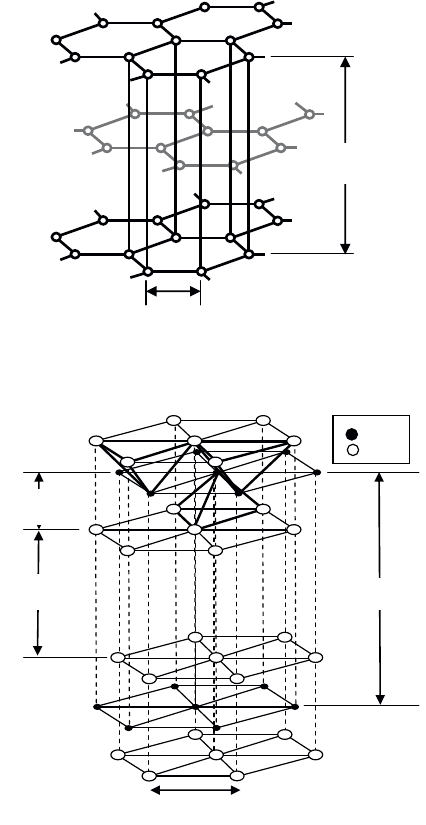
Figure 2.37. Crystallographic structure of graphite
0,246 nm
0,616 nm
0,154 nm
0,308 nm
Mo
S
0.154 nm
0.308 nm
0.616 nm
0.246 nm
Figure 2.38. Crystallographic structure of molybdenum disulfide (MoS
2
)
2.7.1.6.2. Varnishes
These are composite materials consisting of solid lubricant particles (usually
MoS
2
, graphite or PTFE) dispersed into an organic or inorganic binding agent in
Tribology 97
the presence of a solvent. They are applied as a thin layer (ranging from a few
microns to a few tens of microns) through spraying or dipping of previously
degreased surfaces. They can be applied equally well to metals and to flexible
materials such as rubber. Some of these coatings may be air-dried at room
temperature, but others need to be oven-dried with a drying phase ranging from a
few minutes to several hours.
2.7.1.6.3. Soft metal coatings
These are usually gold, silver, indium, lead and tin thin films that are either
deposited chemically, electrochemically, or using CVD (Chemical Vapor
Deposition) or PVD (Physical Vapor Deposition) techniques. Soft metal coatings
are interesting as they can withstand loads and working temperatures far greater
than sliding varnishes.
Studies carried on indium [BOWD 64], lead [HALL 86, PAU 96] or gold films
[ANT 88, SPA 81] deposited onto metallic substrates have clearly shown that there
exists an optimal film thickness (generally ranging between 0.1 and 1 micron) that
minimizes the friction coefficient.
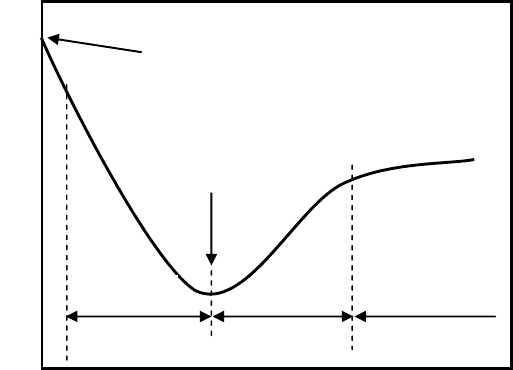
Figure 2.39 shows the typical variation of the friction coefficient as a function of
the film thickness for two (ball-on- disk) steel surfaces where the disk is coated
with a soft metal film.
This curve can be interpreted as follows: when the film is very thin, some surface
asperities are not covered. As a result, the ball comes into direct contact with the
substrate, yielding a high friction coefficient and rapid surface wear. Conversely,
when the film is very thick, its ductility causes the ball to penetrate it thus increasing
the contact area and the friction coefficient. In this case, the load is principally
carried by the film.
The optimum thickness will therefore be that which allows integral coverage of
the substrate by a continuous film sufficiently thin that the load is principally
supported by the hard substrate
.
98 Materials and Surface Engineering in Tribology
Figure 2.39. Friction coefficient of two steel surfaces as a function of the soft
metal coating thickness; optimum thickness usually ranges between
0.1 and 1 μm [ANT 88, BOWD 64, HAL 86, PAU 96, SPA 81]
2.7.1.6.4. Fluorides, sulfides and oxides
PbO, SiO
2
, B
2
O
3
, CaF
2
, BaF
2
and PbS are the most common compounds used.
Unlike most solid lubricants such as graphite and molybdenum disulfide
or sliding
varnishes, these materials present high thermal resilience. This means that instead of
decomposing or losing their lubricating properties above certain temperatures
(usually between 350°C and 500°C), they possess high thermal stability and can
withstand higher temperatures (ranging between 600°C and 1000°C). They are
generally applied through burnishing (the application of films of a few tens of
microns) and can be used either as pure compounds or as mixtures of the type PbO-
SiO
2
, CaF
2
-BaF
2
or B
2
O
3
-PbS. They can also be used in the composition of certain
sliding varnishes or certain metal alloys deposited through the plasma spraying
deposition technique.
2.8. Wear-corrosion: tribocorrosion and erosion-corrosion
Wear-corrosion refers to a specific process of material degradation which occurs
when a material is placed in a corrosive environment and is subject to friction or
erosion. In the first case (friction) we refer to the process as tribocorrosion and in the
second case (erosion) we refer to the process as erosion-corrosion.
Couche
très mince
Couche mince Film épais
Epaisseur optimale
(frottement minimal)
Frottement acier/acier
Coefficient de frottement ()
Epaisseur
Steel–steel contact
Optimum thickness
(lowest friction coefficient)
Very thin
coatin
g
Thin coating Thick coating
Thickness
Friction coefficient ()
Tribology 99
Under these conditions, the material degradation mechanisms involve
mechanical processes (such as abrasion, yield and fracture) as well as chemical
processes (such as passivating, dissolution and oxidation). The combination of these
mechanical and chemical (or chemo-mechanical) effects can lead to the catastrophic
acceleration of material degradation via extensive material loss. Indeed, the effect of
synergy between mechanical wear and chemical corrosion results in a total volume
of removed material (Vt) which can in fact exceed the sum of material separately
removed through wear and corrosion.
The volume Vt is given as a function of three components:
Vt Vw Vc Vs
[2.45]
where Vw and Vc are the volume of material removed separately by the effects of
wear and corrosion, respectively, and Vs represents the synergistic effect between
wear and corrosion which can account for 20–70% of the total volume of material
removed [GROG 92, MIY 90, MOON 91, ZHANGT 94].
2.8.1. Tribocorrosion
Tribocorrosion phenomena are observed in a large number of applications and in
many different environments. Some typical examples of such occurrences include:
–
in the moving parts of an engine such as pistons, cylinders and valves with
lubricants;
–
with eyeglass frames, due to friction with the skin in the presence of
perspiration;
–
with electrical connectors (when there is insertion and removal in a humid or
corrosive environment);
–
with joint prostheses (when friction occurs in a physiological liquid);
–
with components used in plumbing and pump technology.
Tribocorrosion is also an important aspect of chemo-mechanical polishing
(CMP) processes that affect the manufacturing of parts for micromechanics as well
as silicon wafers for microelectronics and nanotechnology.
Erosion-corrosion occurs in pipelines used to transport corrosive liquids mixed
with abrasive particles, such as an acid containing ceramic particles or seawater or
petrol containing sand. These examples mainly concern the chemical and
petrochemical industries, but erosion-corrosion attacks the majority of mechanisms
operating in environments where sand is present in significant quantities.
100 Materials and Surface Engineering in Tribology
Tribocorrosion studies are carried out through the use of specific set-ups
comprising an electrochemical cell and a tribometer, allowing the sample to be
subjected to friction under either a free or an applied electrochemical potential. The
main quantities measured are the coefficient of friction and the corrosion current.
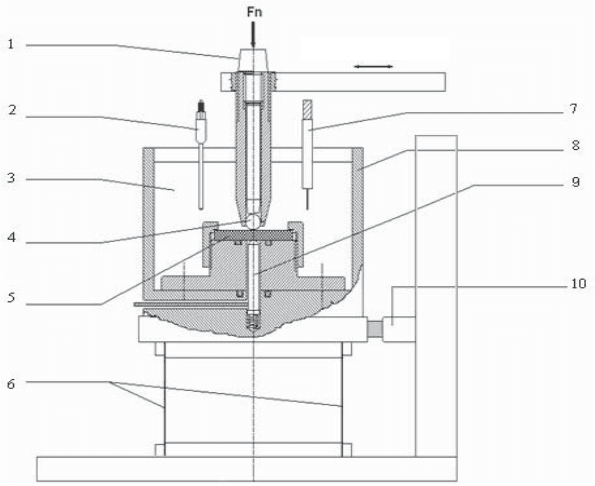
Figure 2.40 shows the principle of an experimental set-up designed for the study
of tribocorrosion. When the sample is polarized, its behavior under friction is
significantly modified.
Many studies have shown the strong influence of the electrochemical potential of
a surface on its tribological behavior [MIS 93, TAK 96, YON 06].
Figure 2.40. Tribocorrosion analysis set-up: 1) normal applied load;
2) reference electrode; 3) electrolyte; 4) ceramic sphere; 5) sample; 6) spring plates;
7) platinum counter-electrode; 8) PTFE electrochemical cell; 9) towards
the potentiostat; 10) force sensor (adapted from [TAK 96])
Motion
Tribology 101
The tribocorrosion of nickel and iron in a sulfuric environment (H
2
SO
4
1N) is the
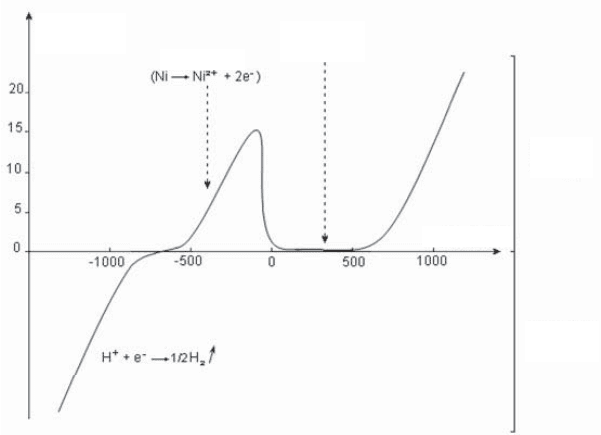
focus of a previous study [TAK 96]. The electrochemical behavior of nickel in this
environment is illustrated by the polarization curve as seen in Figure 2.41.
Figure 2.41. Polarization curve (intensity-contact potential) of nickel
in a sulfuric environment (H
2
SO
4
1N); contact potentials are given relative to a
saturated sulfate reference electrode (SSE)
In the anodic domain, the curve shows a dissolution peak followed by a
passivation plateau that corresponds to the formation of a film made up of a nickel
oxide and nickel hydroxide mixture.
Several friction tests were performed on the material using an aluminum sphere
of 5 mm in diameter and a normal load of 3.5 N. A number of different polarization
potentials were used, corresponding to the cathodic domain (–1300 mV/SSE), the
dissolution domain (–300 mV/SSE), the corrosion potential (–650 mV/SSE) and the
passivation plateau (500 mV/SSE).
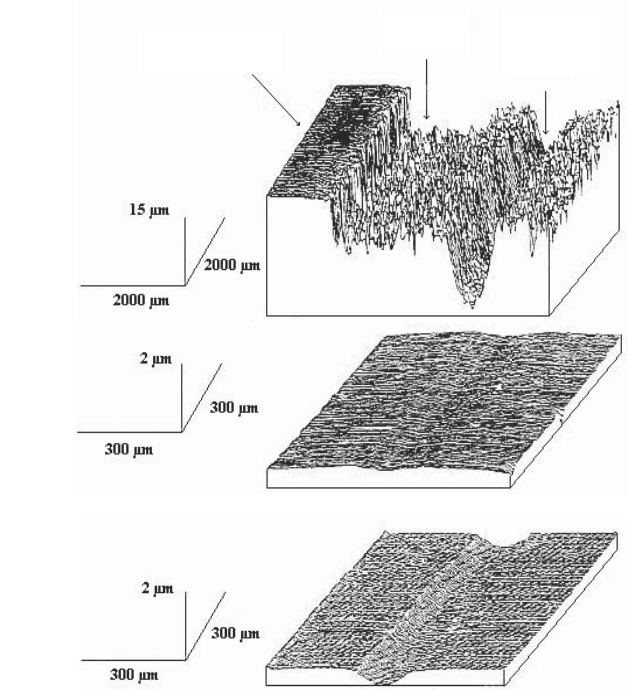
For the samples subjected to the corrosion potential or placed in the cathodic
domain, we note only slight surface wear (see Figure 2.42c). The sample in the
dissolution domain suffers significant losses of material due to the combined effects
of corrosion and friction wear (see Figure 2.42a). Indeed, the synergy between
Dissolution
Passivation
Anodic
domain
Cathodic
domain
E(mV/SSE)
I(mA cm
–2
)
102 Materials and Surface Engineering in Tribology
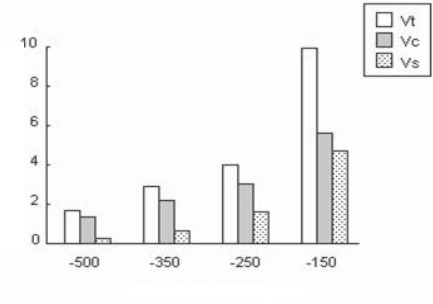
electrochemical corrosion and wear leads to a proportional rate of material loss
which increases as a function of the polarization potential and can represent up to
40% of the total loss of material (see Figure 2.43). Figure 2.42b shows that no wear
appears on the surface of the sample polarized to 500 mV/SSE in the passivation
domain, and we conclude that the passivation film provides excellent protection to
the material.
Figure 2.42. Surface states of nickel samples following a friction test in a H
2
SO
4
1N
medium. The sample potential is: a) –350 mV, b) 500 mV, c) –650 mV
(equally at –1300 mV). The reference surface (Figure 2.42a) is the initial sample
surface protected during the tribocorrosion test [TAK 97c]. Potentials were
measured relative to a saturated sulfate electrode
Initial sample
surface
Corrosion
alone
Corrosion
p
lus wea
r
a)
b)
c)
Tribology 103
Figure 2.43. Volumes of material removed by tribocorrosion as a function of the
applied potential imposed on nickel. Vw, Vc, Vs and Vt are the volumes defined in
the text (see equation [2.45]). When measured in the cathodic domain,
volume Vw (–1300 mV) is 130 μm
3
μm
–1
) [TAK 97c]
Other materials have a similar behavior to nickel. This is the case for iron when
it is in a high concentration acidic medium (H
2
SO
4
> 10 M) [MIS 93], and for
copper [YON 06] or brass [QIU 02] when placed in a sodium laurylsulfonate
medium with the addition of 0.1 M sodium sulfate.
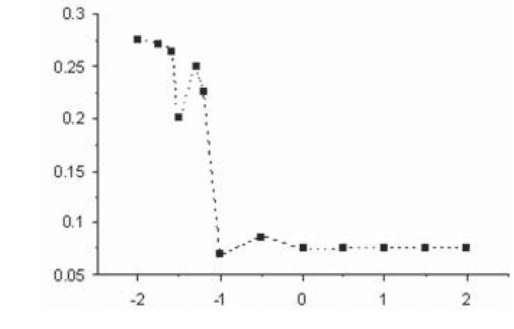
For the case of brass in sliding contact against a silicon nitride sphere, Figure
2.44 shows the evolution of the friction coefficient as a function of the applied
potential. When the potential is close to or greater than the corrosion potential
(–0.444 V) measured relative to a saturated calomel electrode (SCE), a passivation
film forms on the surface of the material. This acts as a lubricant and significantly
reduces the friction coefficient as well as the surface wear (the measured friction
coefficient is 0.07). Conversely, when the material is brought into the cathodic
domain, the protective oxide film disappears due to hydrogen evolution which
cleanses the surface and makes it more active. This yields a higher friction
coefficient and a lower resistance to wear (the measured friction coefficient is 0.27).
However, note that the passivation film does not necessarily always grant the
material good protection against wear. Indeed, the opposite is sometimes observed
[BIE 00]. In this work, the authors studied the behavior under friction of tungsten
against an aluminum sphere in media 0.5 M H
2
SO
4
and 0.1 M K
3
Fe(CN)
6
at pH 3.
The applied load was 5 N and the sliding speed 62 mm s
–1
.
Wear rate (u10
4
m
3
m
–1
Potential (mV/SSE)
104 Materials and Surface Engineering in Tribology
al (V/ECS)
Figure 2.44. Variation of the friction coefficient of brass against a SiO
2
2
sphere under a load
of 9.8 N in a sodium laurylsulfonate solution with 0.1 M sodium sulfate. Values for the
friction coefficient were recorded under several applied potentials [QIU 02]
Figure 2.45 shows the wear volumes measured under different applied potentials.
In an H
2
SO
4
medium and under a cathodic potential, the detected wear is negligible.
When no potential is imposed (i.e. with a corrosion potential of 60 mV), some
material wear is measured as shown in Figure 2.45a. When a potential
corresponding to the passivation of the surface (formation of tungsten oxide) is
applied (380 mV relative to an Ag/AgCl electrode), a significant increase in wear is
observed (see Figure 2.45b).
An additional test, carried out in a highly oxidizing medium (K
3
Fe(CN)
6
) with a
corrosion potential of 380 mV relative to an Ag/AgCl electrode, recorded significant
wear comparable to that obtained in a H
2
SO
4
medium polarized in the anodic
domain.
These results clearly show that oxidation of a surface contributes to its wear. The
oxide degrades under friction and exposes the naked surface of the material which in
turn oxidizes again when in contact with the electrolyte.
Similar results have been obtained for TiN coatings deposited on a steel substrate
and subject to friction against an aluminum sphere in a borate medium (0.3 M
H
3
BO
3
and 0.075 M Na
2
B
4
O
7
). When the material is polarized in the anodic domain,
the oxidation of TiN and the generation of TiO
2
accelerate the surface wear under
friction [BAR 01]. This is essentially due to the mechanical properties of TiO
2
which are much weaker than those of the TiN compound.
Potential (V/SCE)
Coefficient de frottement
Friction coefficient