
Takadoum J. Materials and Surface Engineering in Tribology
Подождите немного. Документ загружается.

Tribology 105
a) b) c)
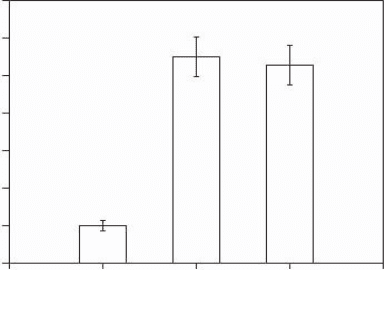
Figure 2.45. Influence of the imposed electrochemical potential on tungsten wear: a) in
H
2
SO
4
0.5 M (under free potential E = 60 mV); b) in H
2
SO
4
0.5 M (under imposed potential
E = 380 mV); c) in K
3
Fe(CN)
6
(under free potential E = 380 mV). The potentials are given
relative to an Ag/AgCl electrode. Friction was imposed with an aluminum sphere of 5 mm in
diameter sliding alternatively at a speed of 62 mm s
–1
[BIE 00]
In another publication [MIS 99], the authors studied the behavior of 34CrNiMo6
steel under friction against an aluminum sphere in a basic medium. They showed
that anodic polarization (or passivation) of the material led to the generation of a
surface oxide film that rapidly degrades under friction, whereas the same material
showed improved resistance to wear in the cathodic phase. The wear mechanism
reported by the authors consists of the growth of a weakly adhesive oxide film that
deteriorates under friction, then eliminated as wear debris. The repetition of this
mechanism of generation and degradation of the oxide film leads to the progressive
consumption of the material and increasingly severe wear.
As a rule, the composition, stability and protective performance of steel
passivation films depend on their composition, the type of electrolyte and the
imposed potential.
Contrary to 34CrNiMo6 steel, with a passivation film which degrades easily
under friction, stainless steels generate more stable surface passivation films which
grant the materials better wear resistance [JIA 93, TAK 97c]. However, under
particularly severe conditions (greater sliding speed and/or load), the passivation
film can be destroyed and the material dissolved [PON 04].
0
2
4
6
8
1
0
12
14
H
2
SO
4
H
2
SO
4
K
3
Fe(CN)
6
Wear volume (10
–3
mm
3
)
106 Materials and Surface Engineering in Tribology
2.8.2. Erosion-corrosion
In contrast to tribocorrosion which involves friction, erosion-corrosion is
induced by the impact of a liquid either individually or mixed with an abrasive solid.
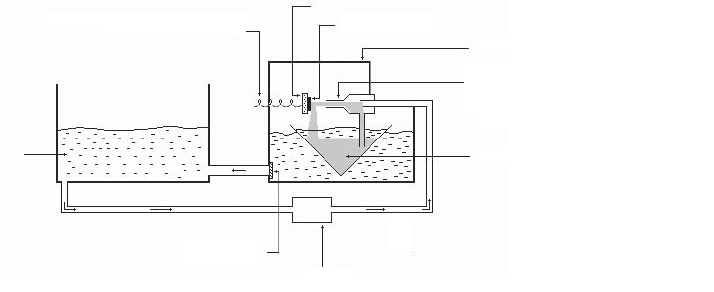
Figure 2.46 shows the principle of a typical set-up designed for the study of erosion-
corrosion. The polarized or non-polarized sample surface is subjected to the impact
of projected corrosive liquid containing abrasive particles.
Figure 2.46. Experimental set-up for the study of erosion-corrosion
(adapted from [STA 06] and [WEN 95])
As with tribocorrosion, many results in the literature show an important
synergistic effect between corrosion and erosion, as well as the influence of the
surface electrochemical potential on its resistance to wear [HAM 95, NEV 99,
YUG 95]. This synergistic effect has recently been analyzed and modeled for many
different materials. The results obtained have led to the establishment of numerous
maps allowing the definition for each speed of projection: pH couple (or imposed
electrochemical potential); the dominant mechanism underlying material removal
(corrosion, erosion, etc.); as well as the extent of surface degradation [STA 04,
STA 06].
In [NEV 99], the authors analyzed the behavior of gray cast iron under the
impact of a projected liquid solution of NaCl at 3.5%, with and without the addition
of silica sand particles.
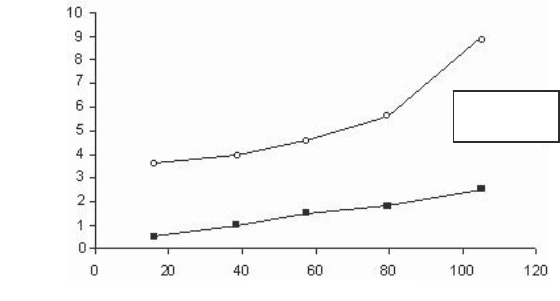
Figure 2.47 shows the variation in the amount of material removed as a function
of the projection speed of the corrosive liquid with or without the application of a
cathodic potential to the sample (–0.8 V relative to a saturated calomel electrode).
Pump
Filtre
Ejector (Liquid + sand)
Test chamber
Specimen
Towards the potentostat
Sand
Specimen holder
Test solution
Towards the potentiostat
Ejector (liquid +
sand)
Filter
Tribology 107
The results clearly show that cathodic polarization enables the quantity of material
removed to be reduced by around a factor of four.
Speed (m s
–1
)
ż without CP
Ŷ with CP
Loss of material (mg)
Figure 2.47. Comparison of the total mass of material removed with and without cathodic
polarization (CP) relative to the speed of projection of the corrosive liquid (NaCl solution at
3.5% and at 18°C) on the surface of a gray cast iron sample [NEV 99]
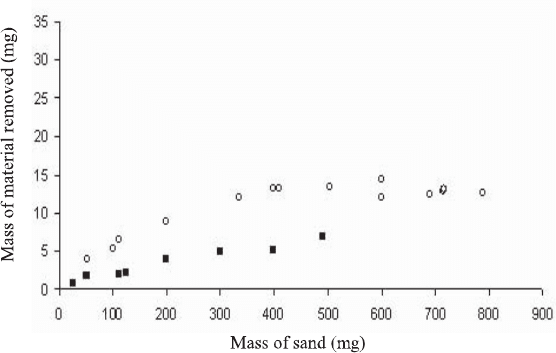
Figure 2.48 shows the result obtained after the addition of silica sand to the NaCl
solution. The quantity of material removed increases with the quantity of abrasive
component used, with a plateau being reached when the concentration of silica sand
is around 350 mg l
–1
. The figure also shows the influence of the concentration of
salt. If the solution is made less saline and the concentration reduced from 3.5 to
0.05%, the amount of material removed is halved. Applying a cathodic potential to
the sample also provides very good results in this case.
This work also confirmed the existence of a strong interaction between wear and
corrosion. A synergistic effect amounting to between 35 and 59% of the total
material removed was found.
108 Materials and Surface Engineering in Tribology
Figure 2.48. The open circles (o) show the mass of removed material as a function
of the amount of sand in the NaCl solution (at 3.5%) projected onto the surface of a
gray cast iron (
{). The solid squares (
) shows the same result when the
solution has reduced salinity (NaCl at 0.05%) [NEV 99]
It is important to note, however, that even if the cathodic polarization contributes
in most cases to improved wear resistance, applying a high voltage for an extended
length of time can lead to increased brittleness of the material due to hydrogen
evolution. Moreover, when in contact with hydrogen, certain materials such as
titanium form hydrides which are fragile and particularly brittle compounds. Such
behavior was demonstrated in a study devoted to tribocorrosion of the TA6V alloy
in a NaCl medium [BOUR 00]. Cathodic polarization was clearly shown to induce
rapid degradation of the surface under friction.
Chapter 3
Materials for Tribology
3.1. Introduction
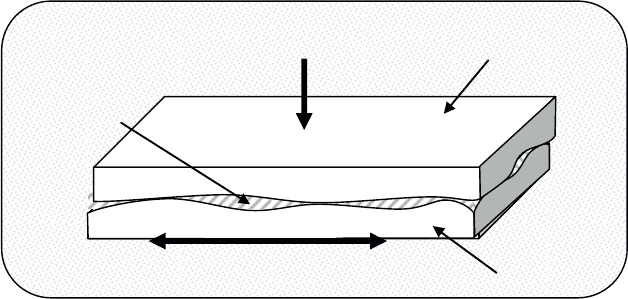
The choice of a pair of materials for a particular tribological application can only
be made satisfactorily if the tribological system is completely known. This system
includes the contact geometry and contact pressure, the type of motion, the relative
sliding speed, the nature and thickness of any interfacial material (for example a
lubricant) and the atmospheric environment in which the system is placed
(temperature, humidity content and reactive chemical species); see Figure 3.1 for a
schematic illustration.
Load
Environment (temperature,
humidit
y
, chemical com
p
osition
)
Lubricant/
Third body
Body 1
Body 2
Motion
Figure 3.1. The contact and its environment
(two solids in contact and in relative movement)
110 Materials and Surface Engineering in Tribology
The analysis of tribological phenomena requires, by nature, a multidisciplinary
approach combining techniques derived from contact mechanics, surface physics
and material and interface chemistry. As a result, there are no completely universal
solutions to tribological problems. Each new case requires the very careful analysis
of the specific problem under consideration in order to find the appropriate solution.
One of the basic rules of selection of material pairs is the so-called rule of
“tribological compatibility” which states that materials which are mutually insoluble
will exhibit a low tendency to adhesion and will constitute a good material friction
pair. However, this rule should be used with caution as there are two important
reasons why its validity is not always guaranteed:
– solubility is an intrinsic bulk property of materials, whereas friction depends
primarily on surface characteristics such as hardness, crystalline structure, surface
energy and topography;
– the solubility criterion does not take into account the chemical transformations
(e.g. oxidation, phase transformation and generation of new compounds) or
structural alterations (e.g. allotropic transformation, recrystallization and hardening)
which can occur during friction and can modify the surface properties of the
materials in contact.
When selecting a material for a particular tribological application, technicians
and engineers can now choose from a wide range of materials including metals,
polymers, ceramics, composites and lubricants, and can benefit from a variety of
techniques for surface preparation, treatment and functionalization.
The present chapter will provide a review of the materials most commonly used
in the field of tribology, covering materials used in their bulk state as well as those
applied as coatings. The chapter also includes a description of the main techniques
and processes for fabricating both thin and thick films and layers.
3.2. Bulk materials
3.2.1. Metallic materials
Metals and alloys make up the class of materials most commonly used in the
field of tribology. Indeed, they are often found to be the most appropriate solution in
many applications for cases involving dry or lubricated contacts.
3.2.1.1. Iron-based alloys
This class of materials comprises steels and cast irons. For these materials, a
wide range of physical properties and mechanical and physico-chemical
Materials for Tribology 111
characteristics can be obtained through the careful variation of the material
composition and the appropriate choice of thermo and thermo-mechanical
treatments. Indeed, in most cases, ferrous alloys destined for tribological
applications are subjected to preliminary surface treatments that are designed to
improve their surface characteristics (as discussed later in section 3.3), and they are
generally used with a lubricant.
3.2.1.1.1. Steels
The mechanical properties and resistance to wear of the different phases of steel
differ very widely. For example, ferrite, austenite and pearlite are phases that are
relatively soft (with a hardness ranging from 100 to 300 HV), and offer little
resistance to wear. As a rule, the use of structurally homogenous materials such as
ferrite and austenite is to be avoided, and it is preferable to use pearlite or a ferrito-
pearlitic structure with carbide precipitation. Hard phases such as martensite and
bainite (of hardness ranging from 800 to 1000 HV) are particularly well-suited when
the surface is subjected to abrasive wear [LEV 94, MOOR 81].
The choice of steel microstructure used in a given application should take into
account the type of stresses the material surface will be subjected to and the type of
wear it is likely to undergo. In the case of abrasive wear, hardness should be the
primary criterion [BERA 94] whereas in the case of impact, a microstructure that
improves material ductility should be used. When there is a risk of adhesive wear,
the surface composition should be tailored to that of the opposing material. More
specifically, contact between opposing surfaces possessing the same microstructure
should be avoided, particularly in the case of homogenous phases.
The mechanical characteristics of steel can be greatly improved by the
adjunction of chromium, molybdenum, vanadium, manganese and nickel. Indeed,
when added in small quantities (1 to 4%), these elements yield a finer microstructure
and give the material greater hardness and wear resistance [MOOR 81].
Several varieties of steel intrinsically contain significant quantities of particular
elements which lead to specific material characteristics. This is for example the case
with manganese-rich steel (containing up to 15% manganese) which possesses high
corrosion resistance and remarkable mechanical properties such as high toughness.
This type of steel is therefore often used in the crushing mills found in quarries,
cement works or mines. It is also used to manufacture rails, tools and even the bars
used in prison cells. It could be argued that this material is particularly well-adapted to
this latter application because the more one tries to saw it, the harder it becomes!
In the field of friction, strongly-alloyed varieties of steel are used for a great
range of applications:
112 Materials and Surface Engineering in Tribology
– tool steels or high speed steels (HSS) are used in applications requiring high
resistance to wear and good mechanical properties withstanding high temperatures.
These materials are used to manufacture wear rings, injection pistons and diverse
types of machine tools. The mechanical and anti-wear characteristics of these tools
are generally improved by the deposition of ceramic-type coatings such as titanium
nitride, chromium nitride or titanium-aluminum nitride;
– stainless steels are used when good mechanical characteristics and adequate
resistance to corrosion and wear are sought. These materials are commonly used for
the fabrication of kitchen utensils and cutlery, as parts in pumps and for plumbing
applications.
3.2.1.1.2. Cast irons
Cast irons typically present good frictional properties and excellent resistance to
fatigue wear. There are two varieties of cast iron: white cast iron in which carbon is
present in the form of cementite and gray cast iron in which carbon is mainly found
in the form of either lamellar graphite (LG cast iron) or spheroid graphite (SG cast
iron). White cast iron is hard and therefore presents very high resistance to abrasive
wear. However, it is also brittle and difficult to machine. Gray cast iron, on the other
hand, is more ductile. As well as offering good resistance to wear, it possesses
excellent machining properties. It has the ability to absorb impacts and vibrations
and to withstand thermal and mechanical wear. It is widely used in engine blocks,
crankshafts, gears and other mechanical parts that are subject to cyclical stresses.
Although the presence of graphitic carbon contributes to a reduction in friction at the
surface of gray cast iron, its use in tribological applications often requires good
lubrication.
3.2.1.2. Superalloys
Superalloys are complex materials which can be iron-, nickel- or cobalt-based.
They contain significant amounts of additional elements such as aluminum,
chromium, titanium, vanadium, molybdenum and tungsten. The composition of a
typical superalloy is e.g. Co
30
Cr
20
Ni
20
Fe
15
Mo
10
W
5
.
These materials are characterized by good resistance to corrosion and high
mechanical properties, even at high temperatures. Their excellent resistance to
corrosion and oxidation at high temperatures is due to the presence of aluminum and
chromium which form particularly stable protective oxides. They are, however,
among the most costly metallic alloys.
The most commonly used super-alloys are nickel-based materials which can
withstand temperatures up to 1100°C. In particular, they are used in the manufacture
of gas turbines and aeronautic turbojet engines where they are primarily used as
Materials for Tribology 113
compressor disks or turbine blades. The second most important element in the
composition of nickel-based super-alloys is aluminum. Small quantities of chromium
are also added in order to enhance corrosion resistance. The adjunction of other
elements, such as titanium and tungsten, also contributes to improved hardness
properties.
3.2.1.3. Copper-based alloys
Copper and copper-based alloys can be used without lubrication when the
contact pressure is not too high. Among copper-based alloys, bronze-lead and brass-
lead are used for bushings, rails or as bearings materials. Copper-nickel and copper-
aluminum alloys, while relatively ductile, exhibit better mechanical properties and
better resistance to corrosion than their bronze or brass equivalents. As a result, they
can be used under friction in corrosive media such as the marine environment.
Copper-aluminum alloys are less susceptible to corrosion than brass-based alloys
when placed under strain in an ammonia environment, and are principally used as
coinage alloys or for exchanger tubes in the potash and salt industries. After the
addition of iron and nickel, foundry copper-aluminum alloys are used in the
manufacture of pumps, turbines and heat exchanger plates.
The mechanical characteristics of copper-nickel alloys can be notably improved
by the addition of other elements such as iron, aluminum or silicon. These alloys are
commonly found in such applications as evaporators, heat exchangers, salt water
pipes and hydraulic circuit coolers [CEN 92].
Finally, we note that bronze-based sintered materials can yield outstanding
friction properties and excellent resistance to seizure when impregnated with oil or
solid lubricants (such as graphite or molybdenum bisulfate). This last class of
materials is widely used in friction rings (bushings, bearings, etc.).
3.2.2. Polymers [CARREG 05, TRO 82]
The surface energy of polymers is much lower than that of metals (from a few
tens to a few hundreds of mJ m
–2
, as opposed to the 1–3 J m
–2
for metallic
materials). This leads to low friction coefficients and good behavior in the case of
dry friction. Conversely, these materials have low mechanical properties which limit
their use to systems involving moderate contact pressure. The addition of
reinforcement agents (such as fibers or ceramic particles) can significantly improve
the properties of these materials and make them more suitable for mechanical
applications.
114 Materials and Surface Engineering in Tribology
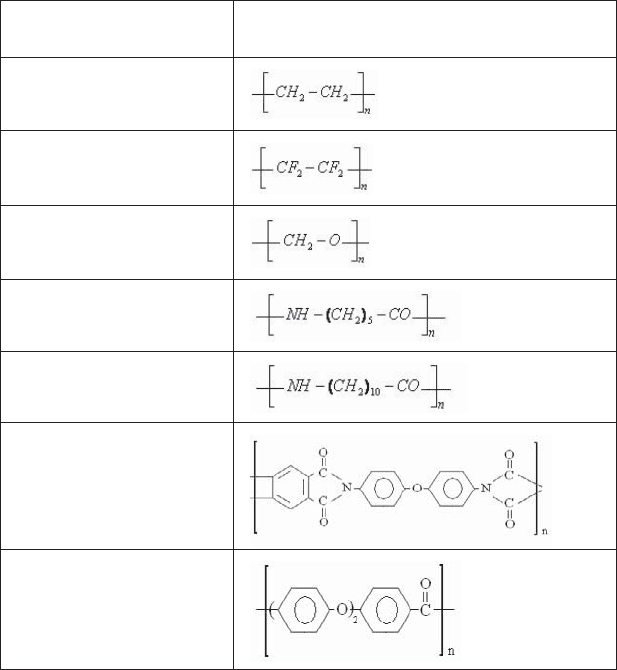
Table 3.1 presents the main polymers used in tribology. Table 3.2 lists their
characteristics.
Polymer Formula
Polyethylene
(PE)
Polytetrafluoroethylene
(PTFE)
Polyoxymethylene
(POM)
Polyamide
(PA 6)
Polyamide
(PA 11)
Polyimide
(PI-1)
Polyetherethercetone
(PEEK)
Table 3.1. Main polymers used in tribology