
Moser A.P., Folkman S. Buried Pipe Design
Подождите немного. Документ загружается.

Plastic Flexible Pipe Products 439
incidents and the largest catastrophic failure rates. No reason for this
observation was determined.
Sixty-seven of the 162 utilities surveyed reported tapping problems
on the original survey questionnaire. These 67 were selected for the
follow-up resurvey and were solicited for additional tapping informa-
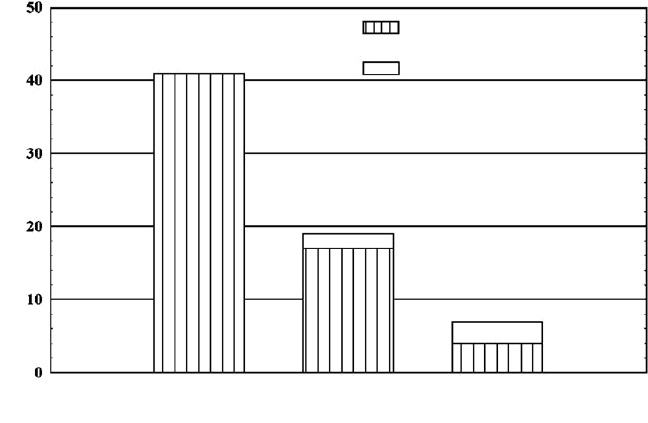
tion. Figure 7.26 is a grouping of these utilities into three categories
based on the number of catastrophic tapping failures reported in the
5-year period preceding the survey as follows:
■
None that group of utilities reporting no failures during the 5-year
period
■
5 that group of utilities reporting less than or equal to five fail-
ures
■
5 that group of utilities reporting more than five failures
Twenty-six utilities reported catastrophic tapping failures during
the 5-year period. Nineteen of those 26 utilities had, on the average,
one failure per year or less. Only seven utilities averaged more than
one failure per year. Those utilities represented as none in Fig. 7.26
had no catastrophic failures in the period. Tapping comments from the
resurveyed utilities reveal that about 60 percent, of those utilities
reporting catastrophic tapping failures in the first survey reported,
they had solved their tapping problems and had not had any failures
None
Number of Failures
Number of Utilities
≤ 5 > 5
Utilities that Reported no Failures
for One Year Previous to Survey
Utilities that reported failures
for One Year Previous to Survey
Figure 7.26 Number of utilities reporting catastrophic tapping failures (grouped accord-
ing to number of reported tapping failures in 5 years).
440 Chapter Seven
in the 5 years preceding the survey. About 80 percent have had no fail-
ures in the 2-year period preceding the survey.
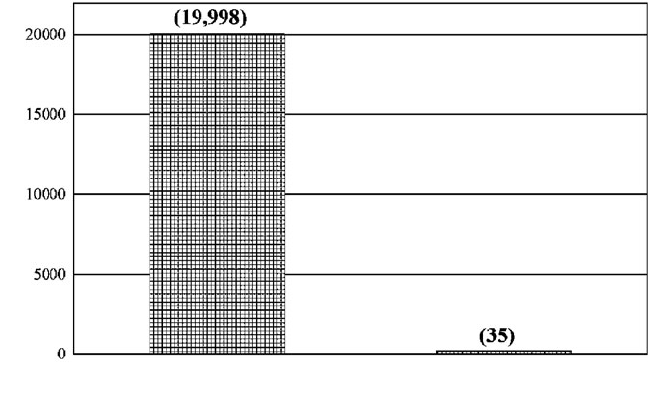
Figure 7.27 provides a comparison of the total number of taps made
per year to the total number of catastrophic tapping failures experi-
enced per year for the 67 utilities in the follow-up tapping study. In the
resurvey, the utilities were asked to estimate the number of cata-
strophic tapping failures they had experienced in the last 5 years.
These numbers were summed and then divided by 5 to obtain the
number per year used in Fig. 7.27. This indicates one catastrophic tap-
ping failure for every 571 taps made. This failure rate and Fig. 7.26
may imply that the reported catastrophic failures for the last 5 years
are uniformly distributed. However, comments given in Table 7.12 and
data given in Fig. 7.26 indicate that they are not uniformly distributed
because a large majority of the utilities reported declining failure rates
with time. Thus, today’s failure rate is probably much less than Fig. 7.27
implies. The three most often cited reasons for tapping failures are as
follows: (1) in a hurry, tapping too fast; (2) trying to tap a pipe with
residual stresses (i.e., the pipe is bent to conform to a curved trench);
(3) using a dull cutter or the wrong saddle or both. Two other interest-
ing statistics were obtained from the tapping data:
■
Forty-one percent of the utilities reported 100 percent of the tapping
problems. (Fifty-nine percent of the utilities reported no tapping
problems.)
Number of Taps
Made Per Year
Number of
Tapping Failures
Experienced Per Year
Total Number
Figure 7.27 Comparison of the total number of taps made per year to the number of cat-
astrophic tapping failures per year.

Plastic Flexible Pipe Products 441
■
Four percent of the utilities reported 70 percent of the catastrophic
tapping failures.
The 67 utilities were also asked about training provided for techni-
cians who make the taps. Fifty-nine of the 67 (88 percent) said they
had some sort of apprentice training with an experienced individual,
and mostly on an informal basis. Five out of the 67 (7 percent) said
they contracted all tapping to an outside contractor. Only three of 67
(4 percent) said their training had a formal component which involved
some classroom-type instruction.
As stated above, all 67 of the utilities in the original survey that
reported any catastrophic tapping failures were included in the resur-
vey. Thus, the catastrophic tapping failure data given here are repre-
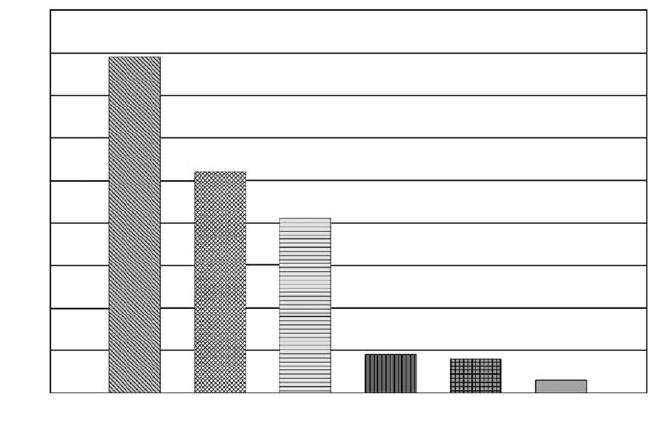
sentative of the entire 162-utility database. Shown in Fig. 7.28 is the
number of catastrophic tapping failures by year. The data in the graph
for 1992 are for one-half year only. Tapping failures were definitely
decreasing with time.
Length of time for problems to occur. Utilities were asked: “Of all prob-
lems experienced in your system with AWWA C900/C905 PVC pipe,
estimate the percentage that has occurred within each of the following
TABLE 7.12 Unedited Comments from Follow-up Phone Calls of Utilities Reporting
at Least One Catastrophic Tapping Failure during the 5-Year Period Preceding the
Survey
■
Used the wrong saddle.
■
Had problems 3 to 4 years ago, tapped too quickly, and used a drill bit.
■
About 1 failure per year prior to 1989, pipes were bent and tapped too fast.
■
Had problems 5 to 6 years ago; have used more saddles in recent years and prob-
lems are fewer.
■
Problems with using the wrong saddle and tapping direct; other problems associated
with tapping too fast and overtightening saddle on the main.
■
Had a problem in 1985, trying to tap too fast.
■
Last problem was in 1985, don’t tap hot (under system pressure) anymore.
■
Had problems in 1989; contractor in a hurry, tapping too fast.
■
Had a failure in 1990, trying to tap too fast.
■
Had a couple of problems in 1987; manufacturer’s representative came out and told
the utility the pipe was cooled too fast during extrusion (i.e., bad pipe).
■
Had problems in 1990 and 1991; cutter was dull and overheated the pipe, causing
the pipe to break; now use sharp bits, no problem.
■
Had problems 4 to 5 years ago, poor tapping technique, tapping too fast.
■
Since we switched from twist drill to shell cutter, no problem.
■
Problems in 1989, believe due to bends in pipe.
■
Had problems prior to 1988 when taps were made hot; switched to wet taps (system
pressure removed) and problem went away.
■
We were using the wrong saddle.
■
Believe failures were due to poor tapping procedure.
■
About 1 failure per year and we don’t know what we are doing wrong, if anything.
■
Had numerous failures from 1987 to 1990, switched from pressure taps to wet taps
and changed specification for filler content, have had no problems in last 2 years.
442 Chapter Seven
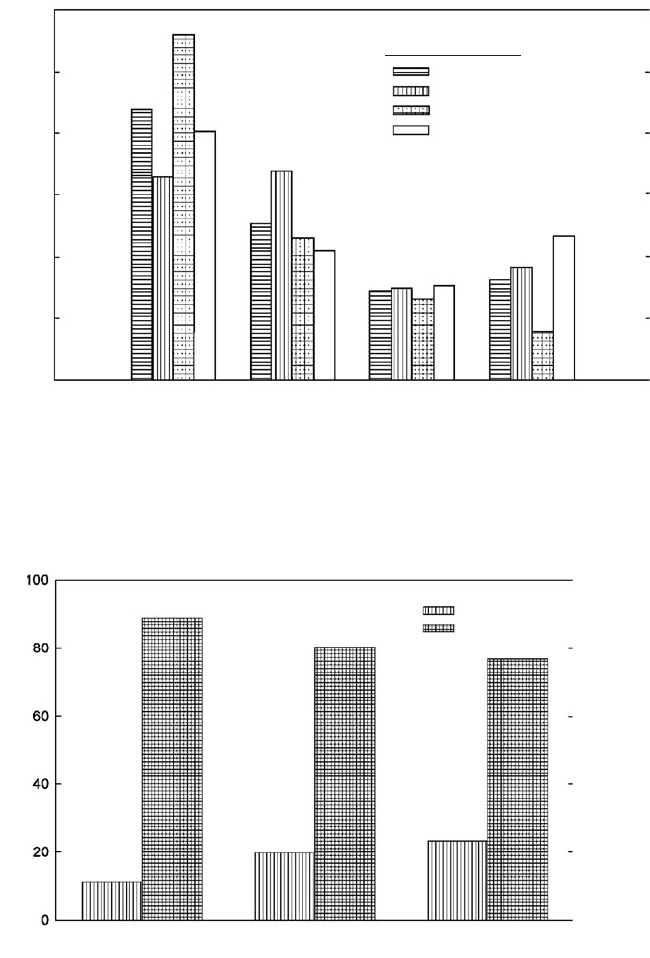
age brackets ....” Figure 7.29 gives the average responses. About
45 percent of the problems occur in the first year with lesser percent-
ages in subsequent years.
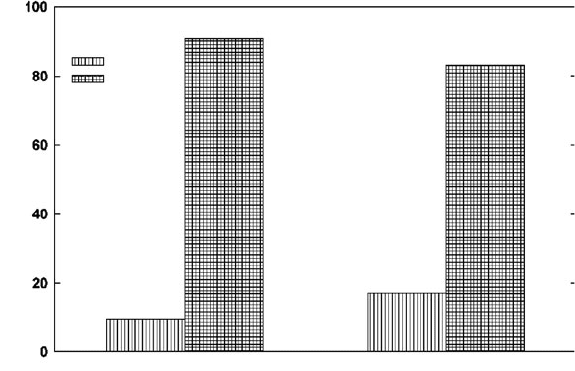
Exposure to ultraviolet light. Question 25 asked: “Have you experienced
any PVC water pipe problems that could be directly related to expo-
sure to ultraviolet light?” About 10 percent indicated they had experi-
enced some problem. Specific comments indicate that most of these
problems had not occurred in the recent past. Utilities were generally
aware that PVC pipe will sunburn if exposed to direct sunlight for a
sufficient time. PVC pipe should be shielded if the exposure to direct
sunlight is in excess of 2 years (Handbook of PVC Pipe, 1991).
Question 27 asked: “Have you experienced any problems with PVC
water pipe being delivered sunburned?” And question 28 asked, “If
PVC pipe is delivered with discoloration from sunburn, do you use it?”
The results of these questions are presented in Fig. 7.30.
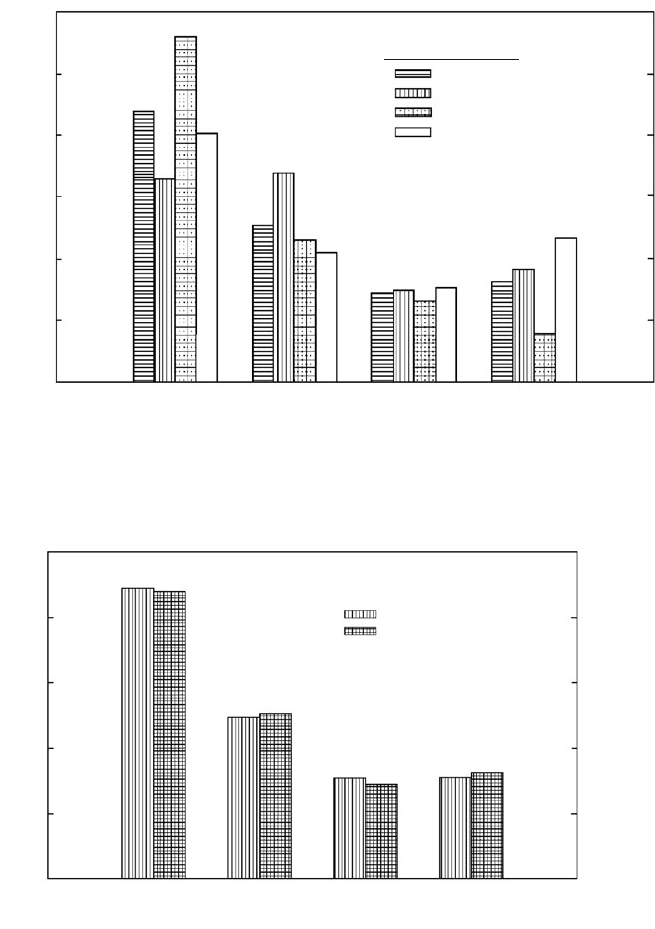
Exposure to aggressive chemicals and problems attributed to a particular manu-
facturer. Question 30 asked: “Have you experienced any PVC water
pipe failures or complaints that could be directly related to exposure to
aggressive chemical environment and/or permeation?” Question 31
asked: “Have you experienced defects or deficiencies in PVC water pipe
that can be attributed to a particular type of PVC pipe and/or manu-
facturer?” Responses are given in Fig. 7.31.
Year
1987 1988 1989 1990 1991 1992
(half year)
90
80
70
60
50
40
30
20
10
0
Total Number
Figure 7.28 Number of reported catastrophic tapping failures by year.
Plastic Flexible Pipe Products 443
Percent of Total
Ye s
No
Problems Attributable
to UV Li
g
ht
Pipe Delivered
Sunburned
Use Sunburned Pipe
Figure 7.30 Percent negative and percent positive responses to questions 25,
27, and 28.
Percent of Total
Time Period (year)
PVC User Category
All
1–10 Mi
10–50 Mi
>50 Mi
<1
1–5 5–10 >10
60
50
40
30
20
10
0
Figure 7.29 When problems were experienced with AWWA C900/C905 PVC pipe.
444 Chapter Seven
Eleven of the 162 utilities indicated some problem with permeation.
The questionnaire did not ask the respondent to differentiate between
permeation of the pipe wall and permeation of the rubber gasket.
Subsequent follow-up found that 1 of the 11 had problems with poly-
butylene, not PVC; 2 of the 11 had only heard of problems in other utili-
ties and had not had personal experience; and 1 utility had problems
with low-head irrigation pipe. This left only 7 utilities of the 162 (4 per-
cent) that claimed actual experience with permeation of PVC water pipe.
This is a fairly low percentage and is an indication that permeation is not
a major problem for PVC pipe. This is consistent with works of others on
permeation of PVC. See Thompson and Jenkins
55
and Berens.
9
Also see
the Uni-Bell Handbook of PVC Pipe Design and Construction.
59
Problems attributed to aging of PVC. Data were given in Fig. 7.29 on prob-
lems as a function of time after installation for AWWA C900/C905 pipe
only. Figure 7.32 shows combined data for all PVC pipe. Figure 7.33
compares the data given in Fig. 7.29 for AWWA pipe with those given
in Fig. 7.32 for all PVC users. There is little difference in the two sets
of data. This may be due to the predominance of AWWA C900/C905
users in the database.
It is evident that the problem rate decreases as a function of time
after installation. If the pipe material were degrading as it aged, one
would expect just the opposite trend in the data (i.e., the problem rate
should increase with time). This is consistent with previous studies on
the aging of PVC. Moser and Shupe
42
indicate that they found no
Percent of Total
Chemicals or Permeation
Ye s
No
Manufacturer
Figure 7.31 Percent negative and percent positive responses to questions 30
and 31.
Plastic Flexible Pipe Products 445
Percent of Total
Time Period (year)
PVC User Category
All
1–10 Mi
10–50 Mi
>50 Mi
<1
1–5 5–10 >10
60
50
40
30
20
10
0
Figure 7.32 When problems occurred for various user groups (includes both AWWA and
ASTM pipe).
Percent of Total
Time Period (years)
Only AWWA Users
All PVC Users
<1
50
40
30
20
10
0
1–5 5–10 >10
Figure 7.33 Reported problems as function of elapsed time after installation.
Figure compares AWWA C900/C905 with all PVC.
446 Chapter Seven
degradation in properties in PVC pipe that had been installed for 15 years.
This was also reported by Bauer
8
who said, “PVC pipe’s ability to per-
form has not changed over 15 years and all indications suggest it will
not change in the foreseeable future.”
In the original survey, 22 utilities reported a significant number of
problems occurring more than 5 years after installation. These utilities
were selected for a detailed follow-up phone survey concerning long-term
performance of PVC pipe. Long-term as used in this context refers to pipe
that has been in service for at least 5 years. Performance items of inter-
est included joint problems, pressure-related problems (breaks), and
problems associated with tapping. Real or perceived problems associated
with the inability to locate buried PVC pipe and problems resulting from
future excavation around the pipe are not considered to be performance-
related and were not addressed in the follow-up phone calls.
Of the 22 utilities selected for additional long-term information, 13
utilities, or 59 percent, reported no performance-related long-term
problems. The problems reported by these 13 utilities in the original
survey were long-term, but were not pipe-related.
This left 9 utilities that did report performance-related problems. One
of the 9 was dropped from the analysis, as all the reported problems for
that utility occurred within the first to fifth year of service. The 8
remaining utilities provided information about the types of problems
they were experiencing, number of problems in the 5-year period, the
length of time in service of the pipe, and whether the frequency of the
problems was increasing, decreasing, or remaining static. Long-term
problems were classified in three broad categories (joint problems, pres-
sure problems, and tapping problems). The joint classification includes
all long-term problems that can be directly associated with the joint (i.e.,
joint leakage) that can be attributed to the aging of the pipe. The tap-
ping classification as used here is for tapping problems that are per-
ceived to occur on a more frequent basis as the PVC pipe ages. The
pressure classification includes all other long-term problems such as
breaks and leaks, other than joints and tapping, that can be attributed
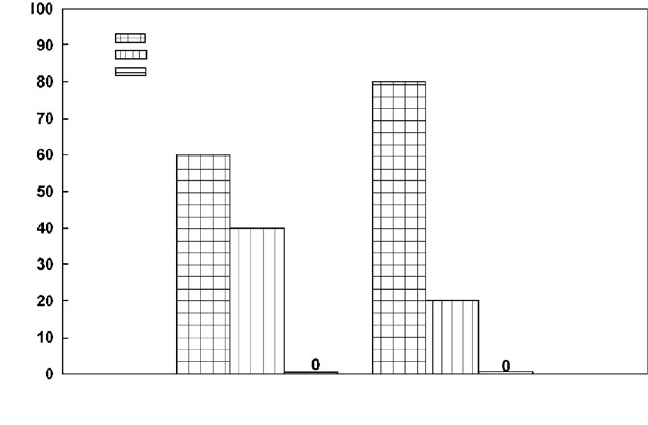
to the aging of the PVC pipe. Shown in Fig. 7.34 is a breakdown of the
reported problems by type. Three utilities reported having joint prob-
lems, three utilities reported having pressure-break problems, and two
utilities reported both joint and pressure problems. None of the utilities
experienced any tapping problems related to aging.
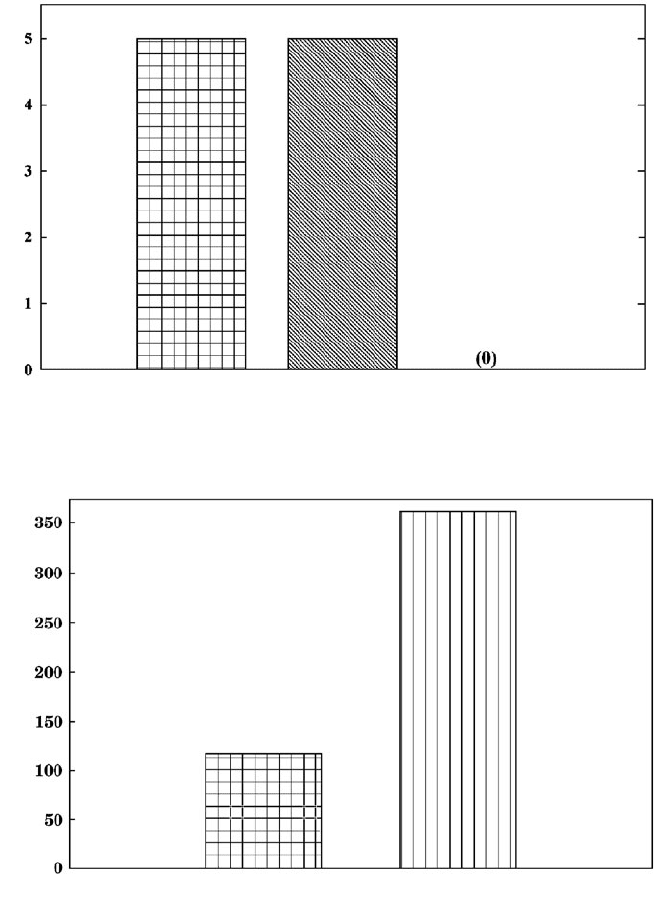
Figure 7.35 shows the total number of occurrences reported over the
5-year period for each problem type. In the 5-year period, there were
more than 3 times as many pressure-related problems as there were
joint-related problems reported. The large majority of the data in this
figure was supplied by one utility, and for that reason this figure is
biased and is not representative of the balance of the utilities surveyed.
Plastic Flexible Pipe Products 447
Total Number of Occurrences
Type of Problem
Joint
Pressure
Figure 7.35 Tally of number of reported occurrences of joint and pressure problems over
the 5-year period.
Number of Respondents
T
yp
e of Problem
Joint Pressure Tapping
Figure 7.34 Number of respondents reporting various long-term problems.
448 Chapter Seven
The utility manager admitted that his water system was out of control
with large repetitive pressure surges (see utility 166 in Table 7.13).
Figure 7.36 provides an indication as to whether the reported prob-
lems seem to be increasing, decreasing, or remaining static. The inter-
esting thing to note is that none of the utilities stated that their
problems were increasing with time. Table 7.13 gives a summary of
reported long-term problems.
Linkage of aging of PVC with specific problems. Utilities were asked about
problems with respect to elapsed time after installation. The results of
this question for various subgroups were analyzed for any indication
that aging may be either a cause or related to certain problems. Figure 7.37
compares the results shown in Fig. 7.29, which was for all AWWA PVC
users, to a subgroup who answered yes to question 25 concerning prob-
lems with ultraviolet light exposure. The same type of comparison is
made in Fig. 7.38 for a subgroup who answered yes to the question “Do
you use sunburned pipe? Figure 7.39 also makes a comparison of data
concerning elapsed time for problems to occur with a subgroup who
answered yes to question 30 concerning exposure to aggressive chemi-
cals. The data shown in Fig. 7.29 are compared with data from a sub-
group who answered yes to question 31, having to do with problems
with a particular type of PVC pipe or a particular manufacturer (see
Fig. 7.40). There seems to be little or no link between these problems
Percent of Total
Problem T
yp
e
Joint
Decreasing Rate
Static Rate
Increasing Rate
Pressure
Figure 7.36 Indication of whether long-term problems are increasing, decreasing, or
remaining static with respect to time.