
Moser A.P., Folkman S. Buried Pipe Design
Подождите немного. Документ загружается.

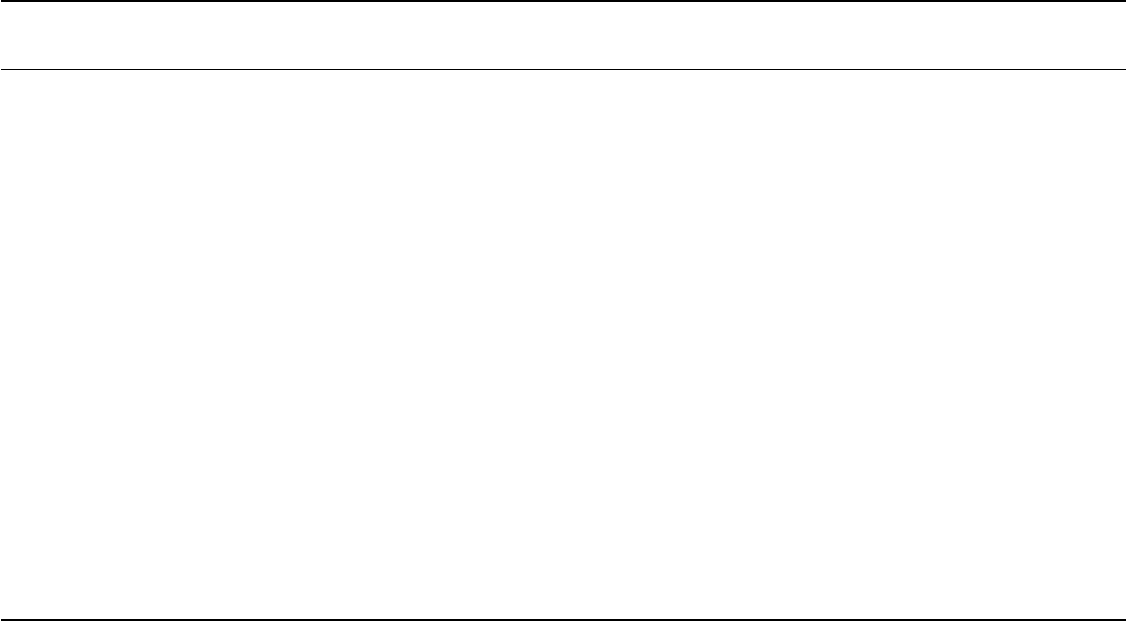
TABLE 7.13 Summary of Reported Long-Term Problems with PVC Pipe
Is rate Pipe Testing
Utility no./ No. in last Average time increasing AWWA Pipe manu- samples
problem type 5 years in service, yr or decreasing? or ASTM size, in facturer available Details
Utility 19
Joint 5 15–20 Static AWWA 6 ? No No correlation between
problem and pipe proximity
to pumps and valves
Bedding 2–3 per year 15–20 Decreasing AWWA 6 ? No Problem with poor bedding
not pipe’s fault
Utility 26
Joint Not sure 5–8 Decreasing ASTM CL 160 2 ? No Problems w/glue joints,
not rubber ring, usually class
160 pipe; don’t use glue joints
anymore
Utility 48
Joint 4 10 Static AWWA 6, 8 ? No Not near any pumps or valves;
pipe deflected around inlet box
Utility 51
Pressure 10–15 10 Decreasing ASTM 2 A No Pipe in proximity of pump
station; pressure 190–250 lb/in
2
;
pipe is class 200
Bedding 2 10 Decreasing ASTM 2 A No Problem with digging down
and hitting pipe; is brittle
and breaks; soil has pH of
6.5, class 200
Utility 103
Pressure 10 5 Decreasing AWWA 80%, 6 ? Yes Bad soil conditions;
20%, 8 pipe had defect
Joint 20 1–5 Decreasing AWWA 80%, 6 ? Yes Problem occurs when joint
20%, 8 is made between PVC and
some other type of pipe
449

450
TABLE 7.13 Summary of Reported Long-Term Problems with PVC Pipe (
Continued
)
Is rate Pipe Testing
Utility no./ No. in last Average time increasing AWWA Pipe manu- samples
problem type 5 years in service, yr or decreasing? or ASTM size, in facturer available Details
Utility 151
Pressure 65 5–6 Decreasing ? 10 ? Pipe laid on Coquinia rock
(coral-like) when combined
with water hammer
rubbed weak spot
Utility 156
Pressure 5 8 Static ASTM 6, 8 ? Call Problem with ASTM class 200,
not C900; thinks due to old-
age brittleness
Utility 163
Pressure 5–8 10–30 Decreasing ASTM C 1160 6, 8 B No Believes problem due to
manufacturer and class
160 pipe
Joint 8 10–30 Decreasing ? 8 ? No Problems with slip joint;
not sure of cause; came and
went in 1 year (probably
personnel)
Utility 166
Pressure 250–300 6–18 Decreasing ASTM C 1200 6, 8 A Yes Could be due to changes in
pressure; varies from
20–200 lb/in
2
Joint 100 6–18 Decreasing ASTM C 1200 6, 8 ? Yes Problem occurs around bell
and spigot; lots of surges,
system unstable
Plastic Flexible Pipe Products 451
Percent of Total
50
40
30
20
10
0
<1 1–5 5–10 >10
Time Period (
y
ears)
Only AWWA Users
Only Those Who
Answered Yes
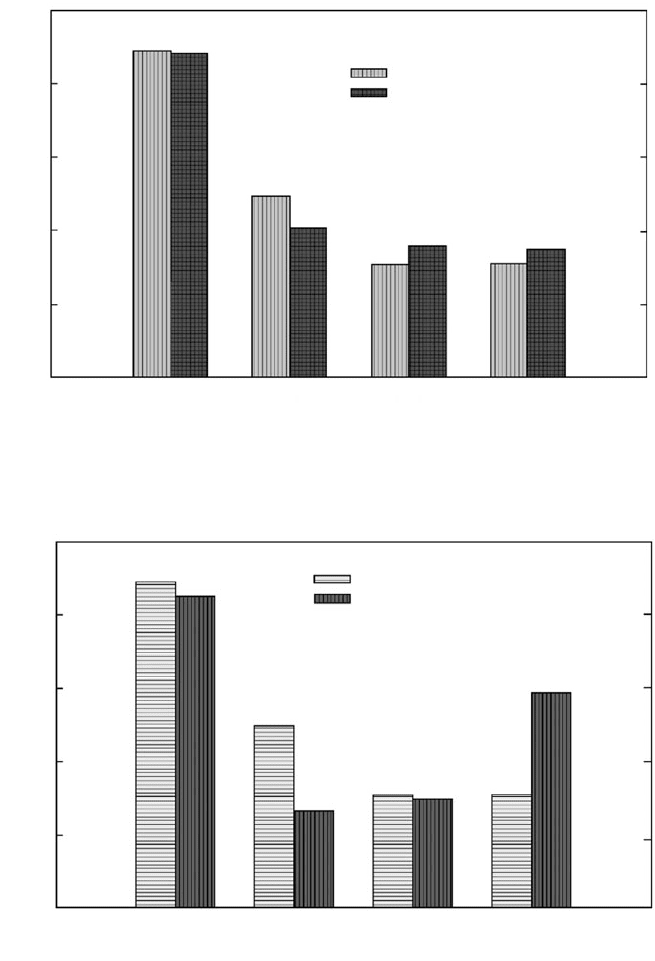
Figure 7.37 When PVC pipe problems occurred—a comparison of those who have expe-
rienced problems due to exposure to ultraviolet light with AWWA C900/C905 PVC pipe
users.
Percent of Total
50
40
30
20
10
0
<1 1–5 5–10 >10
Time Period (years)
Only AWWA Users
Only Those Who
Answered Yes
Figure 7.38 When PVC problems occurred—a comparison of those who reported using
sunburned pipe with AWWA C900/C905 PVC pipe users.
452 Chapter Seven
Percent of Total
50
40
30
20
10
0
<1 1–5 5–10 >10
Time Period (years)
Only AWWA Users
Only Those Who
Answered Yes
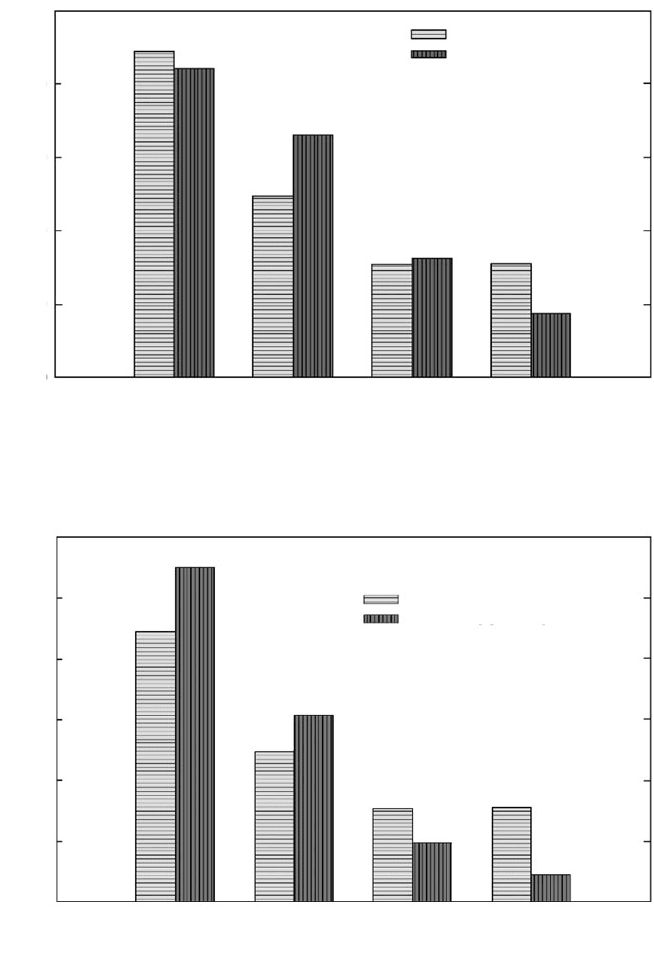
Figure 7.39 Comparison of when pipe problems occurred for AWWA C900/C905 PVC
pipe users with those who reported problems with aggressive chemicals.
Percent of Total
50
60
40
30
20
10
0
<1 1–5 5–10 >10
Time Period (years)
Only AWWA Users
Only Those Who
Answered Yes
Figure 7.40 Comparison of when pipe problems occurred for AWWA C900/C905 PVC
pipe users with those who reported problems with a particular manufacturer.
Plastic Flexible Pipe Products 453
and the age of the pipe, with one exception—the group who answered
yes to the question “Do you use sunburned pipe?” has more problems
with pipe older than 10 years. However, the data may not be statisti-
cally valid since each subgroup is small. Also, there is no direct link
with a particular problem in a specific length of pipe and the age of that
length of pipe.
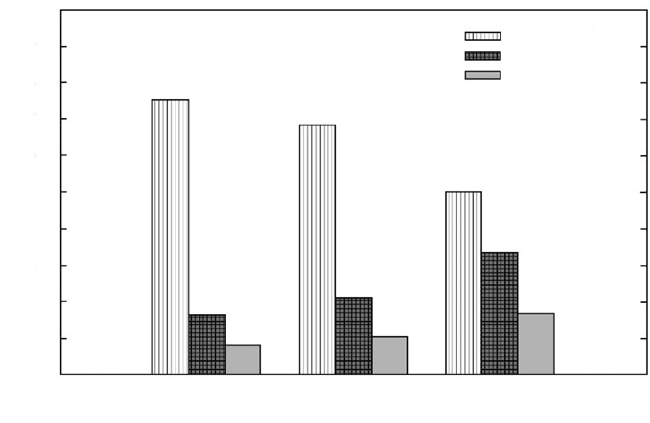
Water hammer. Data from a question concerning water hammer prob-
lems were linked with data from the question concerning system pres-
sure variations. Results are given in Fig. 7.41.
Testing of pipe samples supplied by utilities. The extent to which a field
sample is useful depends to a large degree upon the documentation
provided by the utility supplying the sample. Efforts were made to
identify the manufacturer, date of manufacture, and the likes, on each
pipe sample. In some cases, this information could not be determined.
Each of the utilities involved in the follow-up phone survey was
asked if it could provide PVC pipe samples for testing. The intention
was to obtain as many pipe samples as possible from those utilities
reporting long-term problems and those utilities having numerous cata-
strophic tapping failures. These pipe samples were to be taken from pipes
where actual problems had been experienced. Extreme difficulty was
experienced in obtaining samples of actual pipe that had experienced
100
90
80
70
60
50
40
30
20
10
0
Percent of Total
<20 20–40 >40
No Problem
Problem
No Response
Water Pressure Fluctuation (lb/in
2
)
Figure 7.41 A comparison of water pressure fluctuation and whether the respondents
consider problems due to water hammer and/or transient pressure to be either a prob-
lem or not a problem.
454 Chapter Seven
problems. For the most part, the utilities indicated that such pipe sam-
ples were no longer available, but they would call us if new problems
occurred. A genuine reluctance on the part of most utilities to con-
tribute pipe samples for testing was sensed. The reasons for this resis-
tance are unknown, but one reason may be they were not sure of
anonymity. Another possibility is that they were concerned with what
the results may show. However, two utilities supplied pipe samples for
testing. Results of these tests are included in this book.
Selected utilities who had reported problems were then asked to
supply samples of PVC pipe they were currently installing. These sam-
ples were representative of PVC pipe that was currently being deliv-
ered to the utilities and of PVC pipe that was being manufactured.
Sixteen utilities from throughout the United States responded with
samples. The samples included pipe from 10 separate manufacturers.
Test methods. The pipe samples were subjected to the following three
tests to determine basic composition and extrusion quality.
1. A degree of fusion test: The procedures and limitations prescribed
in ASTM D 2152 were followed.
2. An impact test: This test procedure is as prescribed in ASTM D
2444 along with the standards described in ASTM D 2241.
3. Filler content test(s): The filler content was determined by one or
both of the following test methods. (Cell class information is given
in ASTM D 1784.)
a. A burnout test which consists of weighing a sample of pipe,
approximately 1 in square, burning the sample for a sufficient
length of time to burn off the resin, and then weighing the
residue to obtain the amount of filler.
b. Specific gravity (density) was determined by weighing samples
in air and then determining volume by displacement of a liquid.
Tests on samples of problem pipe. As stated above, only two utilities sup-
plied pipe samples from “problem pipe.” All pipe from utility 70 was
manufactured and installed in the 1970 to 1972 time frame and was
from a single manufacturer. This utility is one of the largest users of
PVC pipe in the United States, with several hundred miles of PVC pipe
installed. The utility manager was certain that this was inferior pipe
because of continued problems with it over the years. The failure rate
was decreasing with time, but simply because the problem pipe was
gradually being replaced.
The second utility (utility 166) to supply problem pipe samples indi-
cated some problems, but did not have as long a history for the partic-
ular pipe samples in question. The samples provided were also from a
single manufacturer, but no date markings were evident on the sam-
ples so the date of manufacture is not known.
Plastic Flexible Pipe Products 455
Table 7.14 summarizes the results of tests performed on pipe samples
from these two utilities. The filler content is provided as percent by
weight and by parts by weight. The parts-of-filler listing is based on 100
parts of PVC resin. As can be seen, samples provided by utility 70 are of
questionable quality. The 2-in and 3-in pipe samples have too much filler,
and the 4-in, 6-in, and 8-in samples are of poor fusion quality. It appears
that these pipes may have been extruded on a twin-screw machine with
low heat on one side of the extruder. Samples from utility 166 that passed
the acetone test have little or no filler content and generally appear to be
okay.
Tests on new samples of PVC pipe (never installed). PVC pipe samples were
received from 16 utilities, representing 10 manufacturers, and in
diameters ranging from 2 to 12 in. All samples passed the fusion qual-
ity (acetone) test. The filler content can be resolved approximately by
determining the density of the sample. This method is not as accurate
as a burnout test, but is simpler to run and is much safer from an
environmental point of view. In determining filler content from a den-
sity test, the possible error is on the order of 2 percentage points.
For example, if the filler content as calculated from the density test is
determined to be 5 percent, the actual percentage of filler could range
from 3 to 7 percent. Burnout tests were run only where there was
some question in results as determined from the density tests or
where the filler content, as calculated, appeared to be abnormally
high. Filler content for pressure pipe should be under 10 parts by
weight, which is about 9 percent by weight. Results from these tests
are given in Table 7.15.
A test specimen from each sample of pipe supplied by the utilities was
prepared and tested to the energy level specified in ASTM D 2241. While
there is no impact strength called out for AWWA C900/C905 pipe, it was
decided to impact the samples to the energy level for the specific diam-
eter as listed in ASTM D 2241. The results of these tests are given in
Table 7.15. Of the 60 samples impact-tested, all except 4 survived with-
out any indication of structural distress. Many of the PVC pipe samples
that were supplied by utilities were sunburned to some degree. The four
samples that failed the impact test were severely sunburned and prob-
ably failed for that reason.
Conclusions
1. Almost 50 percent of problems that are experienced with PVC pipe
occur in the first year after installation.
2. Material-related long-term problems occurring in PVC pipe are few
and are decreasing with time. This is an indication that these prob-
lems are not a result of aging.
TABLE 7.14 Laboratory Test Results for Pipes with Reported Problems
Acetone tests Filler content tests
Utility Pipe size, Attack/no Pipe size, % by
no. in Sample ID attack in Sample ID weight % by parts
70 2 70-2-1A No attack 2 70-2-1F 15 18
70-2-2F 17 20
70-2-3F 14 16
70-2-4F 14 15
3 70-3-1A No attack 3 70-3-1F 9 10
70-3-2F 9 9
70-3-3F 8 9
4 70-4-1A Attack 4 70-4-1F 9 10
70-4-2F 9 11
70-4-3F 7 8
6 70-6-1A Attack 6 70-6-1F 8 9
70-6-2F 8 9
70-6-3F 8 9
8 70-8-1A Attack 8 70-8-1F 5 5
70-8-2F 11 12
70-8-3F 8 9
166 6 166-6-1A No attack 6 166-6-1F 0 0
6 166-6-2A No attack 6 166-6-2F 0 0
456
TABLE 7.15 Laboratory Test Results on Samples of Pipe Currently Being Installed by Utilities
Pipe
diameter, Passed Filler content Passed
Utility no. in Pipe manuf. Spec./class acetone test percent by weight impact test
115 4 A C900/150 Yes 5 Yes
6 A C900/? Yes 2 No
8 ? C900/150 Yes 2 Yes
10 A C900/150 Yes 1 Yes
12 A C900/150 Yes 1 Yes
138 2 C D 2241/200 Yes 1 Yes
4 B D 2241/200 Yes 15 Yes
6 B C900/150 Yes 6 Yes
8 B C900/200 Yes 6 Yes
10 A C900/150 Yes 6 Yes
12 A C900/150 Yes 7 Yes
6 6 E C900/150 Yes 2 Yes
8 E C900/150 Yes 3 Yes
12 E C900/150 Yes 4 Yes
64 6 F C900/150 Yes 3 Yes
8 F C900/150 Yes 3 Yes
12 F C900/150 Yes 3 Yes
20 2 G D 2241/200 Yes 3 Yes
4 F C900/200 Yes 5 Yes
6 E C900/200 Yes 2 Yes`
8 B C900/200 Yes 5 Yes
12 A C900/200 Yes 7 Yes
150 4 A C900/150 Yes 4 No
6 A C900/150 Yes 4 No
8 A C900/150 Yes 6 Yes
10 A C900/150 Yes 6 Yes
12 A C900/150 Yes 3 Yes
60 4 (A) H C900/150 Yes 3 Yes
4 (B) A C900/150 Yes 4 Yes
6 A C900/200 Yes 3 Yes
8 H C900/200 Yes 1 Yes
10 A C900/150 Yes 5 Yes
12 H C900/200 Yes 0 Yes
457
458
TABLE 7.15 Laboratory Test Results on Samples of Pipe Currently Being Installed by Utilities (
Continued
)
Pipe
diameter, Passed Filler content Passed
Utility no. in Pipe manuf. Spec./class acetone test percent by weight impact test
25 6 B C900/150 Yes 4 Yes
8 B C900/150 Yes 3 Yes
12 B C900/150 Yes 4 Yes
85 6 E C900/150 Yes 2 Yes
8 E C900/150 Yes 0 Yes
12 E C900/150 Yes 3 Yes
70 2 C D 2241/200 Yes 4 Yes
3 I D 2241/200 Yes 3 Yes
4 C D 2241/200 Yes 0 Yes
6 J D 2241/200 Yes 4 Yes
160 2 A D 2241/160 Yes 3 Yes
4 E C900/150 Yes 2 No
6 A C900/150 Yes 5 Yes
8 A C900/150 Yes 5 Yes
50 6 F C900/150 Yes 3 Yes
8 F C900/150 Yes 5 Yes
40 6 F C900/150 Yes 5 Yes
8 (A) F C900/150 Yes 7 Yes
8 (B) F C900/150 Yes 4 Yes
7 2 B D 2241/200 Yes 1 Yes
6 B D 2241/200 Yes 3 Yes
79 6 H C900/200 Yes 2 Yes
8 A C900/200 Yes 2 Yes
151 6 ? D 2241/160 Yes 6 Yes
8 (A) D D 2241/160 Yes 3 Yes
8 (B) ? D 2241/160 Yes 4 Yes
10 F D 2241/160 Yes 3 Yes