
Vaccari D.A., Strom P.F., Alleman J.E. Environmental Biology for Engineers and Scientists
Подождите немного. Документ загружается.


animals such as rotifers and nematodes, were covered in their respective phyla in
Chapter 8. We also consider noncellular biological forms, which are actually submicro-
scopic (for the light microscope): viruses, viroids, and prions.
10.1 EVOLUTION OF MICROBIAL LIFE
It is believed that Earth is 4.6 billion years old. The oldest known rocks are almost 4 bil-
lion years old, and because some of thes e are sedimentary rocks, it is believed that liquid
water has been present for at least that long. Fossilized evidence of microbial life dates
back at least 3.5 billion years, and undoubtedly developed even earlier.
The atmosphere of the early Earth was much different from that of today. Although
elemental nitrogen (N
2
) was present, ox ygen was not. Rather, carbon dioxide, hydrogen,
and ammonia were abundant. Under such reducing conditions, it has been shown that
many of the organic molecules characteristic of life can be formed if sufficient
energy—such as from ultraviolet light, lightning, and volcanic activity—is available.
The best present theory of the evolution of early life is that it started with self-replicating
RNA molecules. These might then have been incorporated in lipoprotein vesicles.
Later, enzymatic proteins were incorporated as better catalysts than the original RNA,
which was retained for its coding function. Eventually DNA, because of its greater stabi-
lity, replaced RNA as the carrier of genet ic information.
This organization, utilizing DNA, RNA, and proteins, has been so successful that it
apparently has been the basis of all cells on Earth for billions of years. Because of
their fundamental similarity at the cellular level, it is believed that all three domains—
Bacteria, Archaea, and Eukarya—developed from a ‘‘universal ancestor’’ among these
early forms. Table 10.1 shows some of the highlights of the evolution of microorganisms
from these early beginnings. Since free oxygen was not present, early cells were neces-
sarily anaerobic. Although it is believed that the three domains separated fairly early, cells
similar to those of modern eukaryotes did not evolve until much later.
About 3 billion years ago, cyanobacteria (previously called blue-green ‘‘algae’’)
evolved from photosynthetic anaerobes. This had major consequences for life on Earth
because they produced oxygen as a waste product. Over a period of hundreds of millions
TABLE 10.1 Key Evolutionary Steps for Microbial Life
Time Frame
(billion years Duration Geological and Geologic
before present) (billion years) Biological Activity Time (%)
4.6–3.9 0.7 Earth formed; no life; 15
chemical evolution
3.9–2.9 1.0 Origin of life; anaerobic 22
environment
2.9–2.0 0.9 Oxygen production by cyanobacteria; 20
emergence of aerobic bacterial life
2.0–0.8 1.2 Shift to aerobic atmosphere; emergence of 26
more complex eukaryotic cells
0.8–0 0.8 Development of more 17
advanced life
218
MICROBIAL GROUPS

of years, this oxygen accumulated to the point where it became a major atmospheric con-
stituent. This meant that anaerobes, for which oxygen is often toxic, became limited to
environments in which oxygen did not penetrate. However, it also made aerobic life pos-
sible. The first aerobes were probably bacteria, but because of its much more favorable
energetics, aerobic metabolism also meant that the evolution of higher life, especially
eukaryotes, could occur.
It is now generally believed that most modern eukaryotic cells actually contain what
originally were bacterial endosymbionts. Mitochondria are considered to have originated
as aerobic bacteria that entered and grew symbiotically within the eukaryote’s cytoplasm.
The chloroplasts of algae and plants similarly evolved from cyanobacteria.
10.2 DISCOVERY OF MICROBIAL LIFE
10.2.1 Antonie van Leeuwenhoek
Antonie van Leeuwenhoek (Figure 10.1) was the first to use magnifying lenses for the
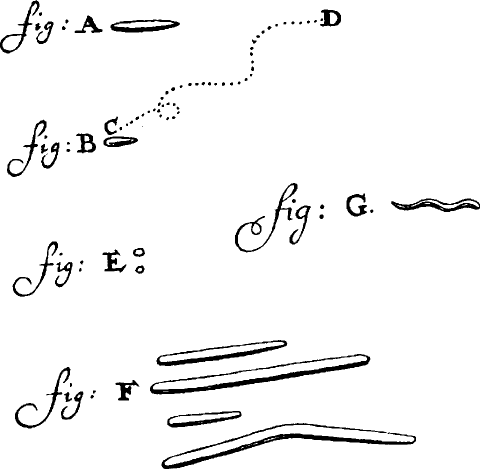
study of microbial life, which he referred to as animalcules (Figure 10.2). Leeuwenhoek
Figure 10.1 Antonie van Leeuwenhoek. (Portrait by Jan Verkolje, 1686.)
DISCOVERY OF MICROBIAL LIFE 219
was a Dutch textile merchant, who probably used his magnifying lenses initially to study
the quality of textile weaves. Although he lacked formal academic training, his letters
(which carefully documented his findings) in the 1670s and 1680s to England’s newly
formed Royal Society captured an immediate, and undoubtedly astonished audience
with many of the world’s most prominent scientists. Leeuwenhoek’s microscope
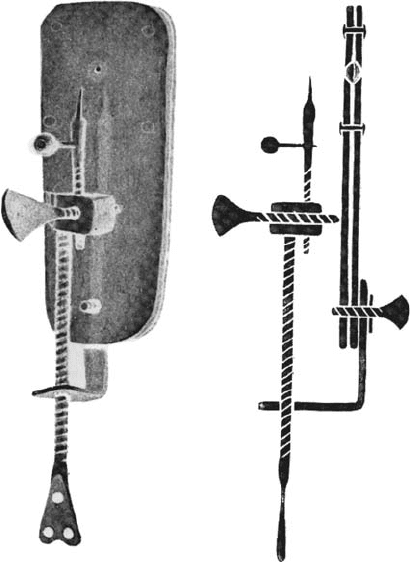
(Figure 10.3) was deceptively simple, with a single, nearly spherical lens (his records
indicated that he ground more than 400 such lenses in his lifetime) affixed to a back
plate; the distance from an opposing mounting pin was coarsely adjusted with focusing
screws.
This device provided magnifications ranging from 50 to 300 power. The realm newly
revealed beneath this tool offered an astounding array and abundance of life, leading him
to comment that ‘‘there are more animals living in the scum of the teeth in a man’s mouth,
than there are men in an entire kingdom.’’ Indeed, the world depicted within Leeuwenhoek’s
extremely accurate drawings covered a wide range of animalcules, which are now recog-
nized as bacteria, protozoans, algae, and fungi.
10.2.2 Spontaneous Generation and the Beginnings of Microbiology
With the surprising existence of these microbes discovered, considerable debate as to
their origin developed over the next several centuries. Since ancient times, and extending
well into the Renaissance, the concept of spontaneous generation had been widely
accepted with some forms of life, including weeds and vermin. The fundamental premise
of this theory was that nonliving matter developed into viable life-forms through some
Figure 10.2 Some of Leeuwenhoek’s animalcules from the ‘‘Scurf of the Teeth,’’ drawings of
bacterial shapes. A and B appear to show rods, with C and D showing the movement of B; E shows
cocci; F, rods or filaments; and G, a spiral. From Leeuwenhoek’ s letter of 1683.
220
MICROBIAL GROUPS
form of unknown, spontaneous transformation. Leeuwenhoek offered a competing
suggestion that these microbes were formed from ‘‘seeds’’ or ‘‘germs’’ released by his
animalcules.
An Italian physici an, Francesco Redi, had offered support for such a view with his stu-
dies (circa 1665) of the growth of maggots on putrefying meat. As opposed to sponta-
neous growth, his findings showed that these maggots actually represented the larval
stages of flies that laid eggs on the unprotected surfaces. Meats held either in a closed
vessel or covered with fine gauze (protected from direct fly contact) exhibited no such
growth. Italian naturalist Lazzaro Spallanzini, roughly five decades later, used heat to pre-
vent the appearance of animalcules in sealed infusions. Spurred by a prize of 12,000
francs established by Napoleon Bonaparte to find a means of preserving fresh foods for
his soldiers, French inventor Francois Appert used Spallanzini’s heating strategy in 1795
to develop a commercial appertization process for preparing canned foods. In 1856 the
eminent French chemist Louis Pasteur (Figure 10.4) similarly applied this knowledge
about the use of controlled heating, developing his pasteurization process as a means
of carefully protecting wines.
The success Pasteur enjoyed with pasteur ization prompted his subsequent research
focus on microbial metabolism, by which he finally laid the spontaneous generation pre-
mise to rest. Using swan-necked flasks (Figure 10.5), he showed that sterile solutions
would not yield any ‘‘germ’’ growth unless reexposed to the part icles within contaminated
air (proving that it was not the air itself that ‘‘generated’’ new life).
Figure 10.3 Leeuwenhoek’s microscope.
DISCOVERY OF MICROBIAL LIFE 221
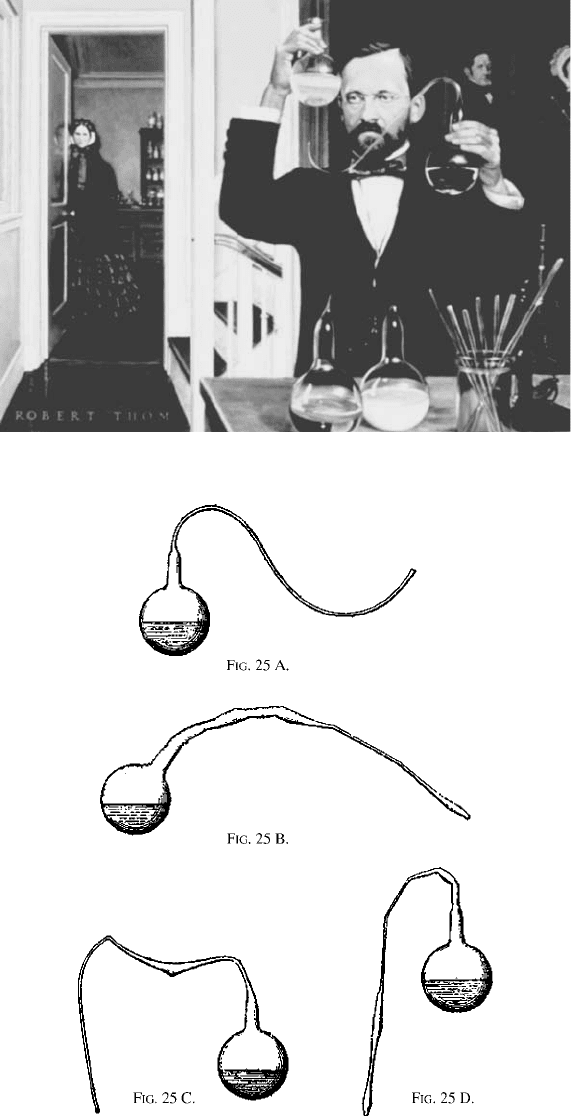
Figure 10.4 Louis Pasteur. (Portrait courtesy of Robert A. Thom. Reproduced with permission of
Pfizer Inc. All rights reserved.)
Figure 10.5 Pasteur’s swan-neck biological flasks.
222
MICROBIAL GROUPS
During the era of inquiry regarding spontaneous generation, British naturalist John
Tuberville Needham had conducted another sterilizatio n study (1740), whose results at
the time were, considered inconsistent and inconclusive. Since his heated broths still gen-
erated new cells, some suspected that his methods had been flawed. However, several
years after the spontaneous generation concept had effectively been laid to rest, English
physicist John Tyndall (1870) discovered that hay infusions subjected to prolonged boil-
ing (and seemingly sterilized) coul d, in fact, still germinate new viable cells. What he
found, though, was that these cultures had not developed through spontaneous means
or improper handling, but rather, from the growth of heat-resistant agents. Tyndall’s
work was confirmed by German botanist Ferdinand Cohn, who visually confirmed the
presence of these heat-resistant bodies, known today as endospores. Tyndall’s subsequent
work with these sporulating cells also led to his development of a sterilization procedure
(tyndallization) by which discontinuous heating effectively kills all cells, even those able
to develop such spores.
Inspired by Pasteur’s efforts, Cohn published a three-volume treatise on bacteria in
1872 that many consider to be the true ori gin of the field of bacteriology. Th is book
offered several classic insights, including the first attempt at bacterial classification and
the first description of bacterial spores.
10.2.3 Virus Discovery
A new means of filtering solutions had been developed during the 1880s at the Pasteur
Institute that would effectively remove minute bacterial cells from suspensions. However,
Russian scientist Dimitri Ivanowsky in 1892 found that tobacco plants were still suscep-
tible to infectious attack by a filtered suspension. This observation led to a conclusion that
even smaller and hitherto unknown viral particles were present. Martinus W. Beijerinck
produced a similar set of findings inde pendently.
10.2.4 Discovery of Archaea
Relatively recently (1970s), largely as a result of the work of Carl Woese and his group on
16S ribosomal RNA analysis (Section 10.4.4), a startling discovery was made. A number
of the microorganisms that had long been called bacteria were actually examples of an
entirely different form of life. This new group was at first called Archaebacteria, and
the true bacteria were then called Eubacteria. However, in view of how different the
two groups truly are (more different than plants are from animals, for example), micro-
biologists now refer to the two as Archaea and Bacteria.
There was considerable opposition at first to the idea that these were such distinct
groups. Even today, when it is widely accepted, many people still refer to members of
Archaea as ‘‘bacteria.’’ However, since both are prokaryotes, this term can, when needed,
be used to refer to the two toge ther.
10.3 DIVERSITY OF MICROBIAL ACTIVITIES
When viewed on the basis of elemental or biochemical composition, the fundamental
ingredients of life are surprisingly similar among the three domains and widely divergent
species. However, there is a wide range of diversity within the world of microorganisms in
DIVERSITY OF MICRO BIAL ACTIVITIES 223

terms of survival strategy: where they find energy, how they grow, and what environments
they prefer. This section provides a brief overview of these alternatives.
10.3.1 Energy Sources
The two major sources of energy are chemical oxidation and photosynthesis. Cells that
draw their energy from the conversion of reduced chemical substrates (including both
organic and inorganic materials) are referred to as chemotrophs; those that use light
energy are known as phototrophs (Table 10.2). Phototrophy is common to algae, cyano-
bacteria, and some other bacteria, but does not occur (with few exceptions) in other micro-
bial forms. Furthermore, not all phototrophs are strictly dependent on light energy; many
(including green and purple n onsulfur bacteria and some cyanobacteria; see Table 10.4)
are able to chemotrophically oxidize chemical substrates in the dark.
Chemotrophs can be further divided between organotrophs, which oxidize organic
compounds, and lithot rophs (from the Greek lithos, meaning ‘‘rock’’), which utilize a
variety of inorganics (such as hydrogen or reduced inorganic nitrogen, sulfur, or iron com-
pounds) as their energy source.
10.3.2 Carbon Source
Since it is a major constituent of cell materials, all organisms need a source of carbon.
Heterotrophs (including fungi, protozoans, and most bacteria) require organic carbon,
whereas autotrophs (algae and some bacteria) consume inorganic carbon (carbon dioxide
or bicarbonate). These terms can be combined with those above to refer, for example, to
chemolithoautotrophs (Table 10.2). The term heterotrophy is also used more loosely to
refer to chemoorganotrophy, since the two categories usually coincide (microbes using
organic carbon as an energy source also use it for a carbon source). However, some
lithoautotrophs are able to utilize amino acids, hence getting some of their carbon from
organic sources, and a few lithotrophs, such as most species of the sulfur-oxidizer
TABLE 10.2 Categorization of Organisms by Energy and Carbon Source, with Examples
Energy Source Used
Chemotroph
Organotroph Lithotroph
Phototroph (Organic Carbon) (Inorganic Compounds)
Carbon
Autotroph Photoautotroph: Chemoorganoautotroph Chemolithoautotroph
source
(CO
2
, HCO
3
) plants, algae, or organoautotroph: or lithoautotroph:
used
cyanobacteria methanotrophs nitrifying bacteria,
Thiobacillus
Heterotroph Photoheterotroph Chemoorganoheterotroph Chemolithoheterotroph
(organics) Chloroflexus, or ‘‘heterotroph’’: or mixotroph:
a
some animals, protozoans, most Beggiatoa
cyanobacteria fungi, Pseudomonas,
Escherichia
a
Some primarily chemolithoautotrophic microbes can also utilize amino acids.
224 MICROBIAL GROUPS
Beggiatoa, get their carbon from small organic molecules. Such organisms are often
referred to as mixotrophs.
10.3.3 Environmental Prefe rences
Microbial cells are also commonly classified on the basis of the environments they prefer.
Several factors are generally considered, including the presence of oxygen, temperature,
salt tolerance, and pH.
Oxygen Energy-yielding metabolism removes electrons from (oxidizes) a substrate
(electron donor); these electrons must eventually be ‘‘discarded’’ (see Chapter 5). Aerobic
respiration utilizes molecular oxygen (O
2
) as the terminal electron acceptor, reducing it
to water (H
2
O). Strict aerobes require oxygen; cells able to grow at very low oxygen
levels may be referred to as microaerophilic.
Microorganisms that can grow in the absence of oxygen are anaerobic. Strict or obli-
gate anaerobes cannot grow in the presence of oxygen, and may actually be killed by
exposure to air if they are not aerotolerant. Facultative anaerobes, on the other hand,
can grow with or without oxygen. Anaerobic metabolism may be respiratory (using a vari-
ety of inorganic terminal electron acceptors such as nitrate, nitrite, ferric iron, sulfate, or
carbon dioxide) or fermentative (using an organic terminal electron acceptor).
Strictly speaking, anoxic means in the absence of oxygen, and thus is equivalent to
anaerobic. In environmental engineering and science, however, anoxi c is frequently
used to refer to conditions in which oxygen is absent, but nitrate and/or nitrite are present.
The ability to utilize nitrate and/or nitrite as alternative terminal electron acceptors (deni-
trification), in the absence of oxygen, is widespread among many diverse groups of aero-
bic bacteria. Historically, this distinction was of particular importanc e because unpleasant
‘‘anaerobic’’ odors such as hydrogen sulfide (‘‘rotten eggs’’) are not produced under
‘‘anoxic’’ conditions.
Temperature Microorganisms have preferred temperature ranges. Psychrophilic
microbes thrive under cold temperature conditions, ranging from below 0
C to the
mid-teens. Bacteria adapted to living in polar ocean waters (or modern refrigerators),
for instance, would be classified as psychrophiles. Organisms that prefer moderate tem-
peratures are referred to as mesophilic. In this case, their temperature preferences range
from the mid-teens to the high-30s or low-40s
C. The vast majority of microbial life
would fall within this category. A relatively few organisms, mainly bacteria, archaea,
and fungi, prefer elevated temperatures above 45 to 50
C and are called thermophilic.
Some prokaryotic extremophiles (tolerate or prefer an extreme environmental condition)
are hyperthermophilic (temperature optimum above 80
C), a few even growing at tem-
peratures above 100
C. Organisms that can tolerate high temperatures despite having
mesophilic temperature optima may be referred to as thermot olerant.
Salinity Microbial cells typically maintain a different ionic strength (salt level) within
their cytoplasm than that found outside the cell. Water tends to migrate across the cell
membrane toward the highe r salt zone by osmosis, thereby ‘‘attempting’’ to dilute it
and eventually equilibrate the inner and outer salt levels. Microbial cells can resist this
fluid movement (and the harm it may cause by excessive shrinking or swelling), and
the resulting osmotic pressure, to varying degrees. Halophilic (salt-loving) microbes
DIVERSITY OF MICRO BIAL ACTIVITIES 225
require NaCl; extreme halophiles may require concentrations above 15% and tolerate up
to 32% NaCl (saturation). (Seawater contains approximately 3% NaCl.) At the other
extreme, there are also many nonhalophilic cells that favor (or require) far lower levels
of external salt, such as those found in fresh water. Cells that can tolerate but do not
require elevated salt concentrations are referred to as halotolerant .
pH Most microorganisms have a pH preference that falls within the range 5 to 9, and
thus would be labeled neutrophiles. Outside this range, the metabolic activity of a neu-
trophile can be expected to decline rapidly, particularly as extreme pH values start to
affect the ionic (i.e., electrically charged) properties of their constitutive functional
groups. Some neutrophiles, such as many algae, nitrifying bacteria, and methanogens
(Archaea) prefer slightly alkaline conditions. This is true of many marine organisms as
well, since seawater typically has a pH of 8.3.
However, there are many microorganisms that are able to tolerate, or that even prefer or
require, pH levels outside the neutral range (either acidic or alkaline) . Fungi, as a group,
tend to favor acidic environments (often with optima at pH 4.5 to 5). There are also a
number of pH extremophiles among the bacteria and archaea.
Organisms growing at low pH are referred to as acidophiles, and some tolerate surpris-
ingly low pH. Ferrobacillus ferrooxidans in acid-mine drainage waters and Sulfolobus
acidocaldarius growing in acidic hot spring waters, for example, will readily proliferate
at a pH of 1 to 2.
At the other extreme, alkaliphiles prefer pH levels above 9. For example, water bodies
carrying high salinities (e.g., the Dead Sea), as well as soils high in carbonates, support
bacteria and archaea able to tolerate pH levels between 9 and 11. These microorganisms,
such as Natronobacterium and Natronococcus, consequently tend to be both halophilic
and alkaliphilic (i.e., both salt- and alkali-loving).
It should be noted that these extreme pH values refer to the hydrogen ion concentration
outside the cell. These organisms survive through mechani sms that allow them to main-
tain a more neutral pH within the cell.
10.4 MICROBIAL TAXONOMY
10.4.1 Basis of Identification
Traditionally, the cla ssification, or taxonomy, of higher organisms has been based on their
morphology: their form and visible structure. However, this has been difficult for micro-
organisms because of their small size. Typically, prokaryotes were classified based mainly
on their biochemical activities (including usable carbon substra tes, nitrogen and other
nutrient sources, electron acceptors, metabolic products, and resistance to inhibitory com-
pounds), and on staining, which gave an indication of some aspects of their composition,
in addition to such morphological features as size, shape, pigmentation, sporulation, intra-
cellular inclusions (including those visible after staining), and the presence and location of
flagella or the presence of another form of motility. Together, the observable characteris-
tics of an organism can be referred to as its phenotype.
Habitat (and niche) might als o be used for classification, including preferences with
regard to such environmental factors as temperature and pH. Gross DNA composition
(%G þ C content) and immunological properties (e.g., serotyping) have also been used
226 MICROBIAL GROUPS
for many years. More recently, detailed analysis of the composition of the cell wall and of
other cell constituents (e.g., fatty acid analysis) have been added as other useful tools in
distinguishing among microorganisms.
Precise characterization of DNA and RNA sequences is now being used extensively to
determine relationships among organisms. Such analysis of an organism’s genetic makeup
reveals its genotype. Genotype obviously affects phenotype, but not all genetic capabil-
ities are necessarily expressed in an organism at a particular time. As might be expected,
knowledge of genotypes has greatly increased and modified our understanding of the rela-
tionships among microorganisms. In fact, the separate domain of Archae a was not recog-
nized until these newer tools were applied; previously, they were simply considered types
of (and may still often be referred to out of habit as) bact eria.
One aspect of taxonomy is the grouping of organisms in progressively higher taxa
(singular, taxon), such as families, orders, classes, and phyla. Modern taxonomists
base these groupings on phylogeny, or natural evolutionary lines inferred from genetic
similarities.
10.4.2 Prokaryotic ‘‘Species’’
Another problem besides size complicates the taxonomy of prokaryotes: What exactly is a
species? In the long-used definition developed for plants and animals, a species is consid-
ered a grouping of similar organisms that under natural conditions is capable of mating to
produce fertile offspring. However, this definition is not very useful for organisms that
reproduce asexually. Pe rhaps an even greater difficulty is that the genetic exchange that
does occur among prokaryotes can be between organisms that are obviously not closely
related to each other. This can lead to cross-linkings of otherwise unrelated species in
taxonomic trees: organisms that, in a sense, are not close relatives of one of their biolo-
gical ‘‘parents’’! (The human genome has been found to contain considerable bacterial
DNA, for example.)
Yet the idea of a species is still useful for prokaryotes. Some individual cells clearly are
very similar, sharing numerous traits, and having a name to describe this grouping is
desirable. Salmonella typhi causes typhoid fever, Pseudomonas putida does not; Bacillus
stearothermophilus is a thermophilic sporeformer, whereas Nitrosomonas europaea is a
mesophilic autotr oph. Some organisms exist that appear to be intermediate between clo-
sely related species, and arguments arise among taxonomists between ‘‘splitters,’’ who
think that even minor differences are sufficient to define a new species, and ‘‘lumpers,’’
who feel that various strains can be included in a single species unless there are numerous
substantial differences. A strain is a group of cells that have all derived from a single cell
in the not-too-distant past and are thus genetically identical except for any random muta-
tions that might have occurred; molecular biologists call a strain recently obtained from a
single cell a clone.
One view taken by some microbiologists is that nearly unlimited genetic variation can
occur among microorganisms, but that some of the potential combinations of characters
are more successful and stable than others. This can be pictured (Figure 10.6) as a surface
in three-dimensional space, with hills and valleys. A marble dropped on the surface poten-
tially coul d end up on a hillside or even the peak of a hill, but most will end up in the
valleys. Incorporating every potentially useful trait is not necessarily the best survival
strategy for a micro organism, in the same way that the camper who takes every potentially
useful item is not likely to be the one who does the best on a backpacking trip.
MICROBIAL TAXONOMY 227